
1. Copper Jell-O Molds
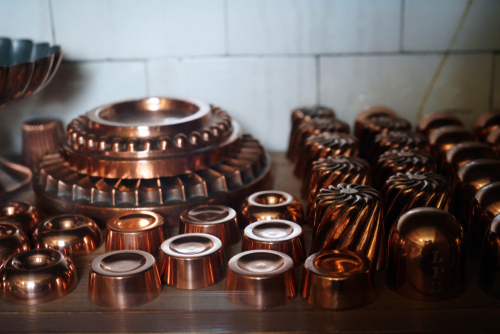
Gelatin salads and desserts were once dinner-party showpieces. Decorative copper molds shaped them into rings, fish, and ornate patterns. The shiny metal added a bit of elegance to the presentation. They were as much about display as food.
As food trends shifted, gelatin dishes became less fashionable. Storage space also grew more valuable in modern kitchens. Silicone pans replaced many specialty molds with more flexibility. The copper versions became collectibles instead of essentials.
2. Aluminum Ice Cube Trays with Lever Handles
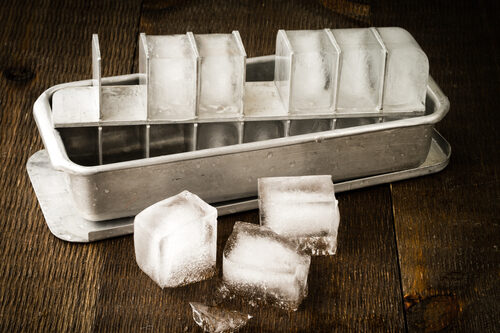
These shiny metal trays were once the only way to make ice at home. You filled them carefully, froze them solid, then pulled a stiff metal lever to crack the cubes loose. The mechanism often stuck, and more than a few people twisted the handle a little too hard. It was a tiny daily struggle everyone just accepted.
Plastic trays changed everything by making ice easier to release. Later, automatic ice makers built into freezers made trays feel unnecessary. The lever trays also bent easily and could rust over time. What once felt clever slowly became inconvenient.
3. Stovetop Percolator Coffee Pots

Before drip machines took over, many households brewed coffee in metal percolators right on the stove. Water bubbled up through a tube and rained over the grounds again and again. The process was sturdy and dependable, but it often over-extracted the coffee. That led to a bitter taste many people simply tolerated.
Automatic drip machines offered more consistent flavor with less effort. You could set them up and walk away instead of babysitting the stove. Brands like General Electric helped popularize countertop electric models that simplified mornings. Percolators still exist, but they’re now more nostalgic than standard.
4. Electric Can Openers
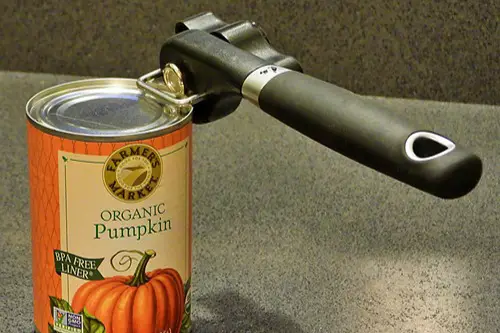
There was a time when electric can openers were prized countertop gadgets. You’d hook the can onto a magnet, press a lever, and let the motor do the work. They felt futuristic compared to handheld openers. For people with limited hand strength, they were especially helpful.
As manual openers improved, many became smoother and easier to use. Kitchens also shifted toward saving counter space and reducing single-use appliances. Electric models were bulky and harder to clean. What felt high-tech in the 1960s slowly became clutter.
5. Wall-Mounted Rotary Kitchen Phones
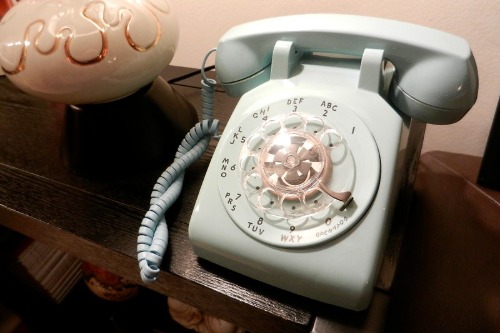
Kitchens once had a dedicated phone mounted to the wall, often with a long, stretchy cord. The rotary dial clicked loudly as you spun each number into place. Families shared that one line for calls, recipes, and messages. It was a central hub of household communication.
Touch-tone phones arrived, then cordless models, then smartphones. Companies like AT&T helped usher in new calling technology that made rotary dialing obsolete. Wall units took up space and tangled easily. Today, seeing one feels like stepping into a time capsule.
6. Built-In Bread Boxes
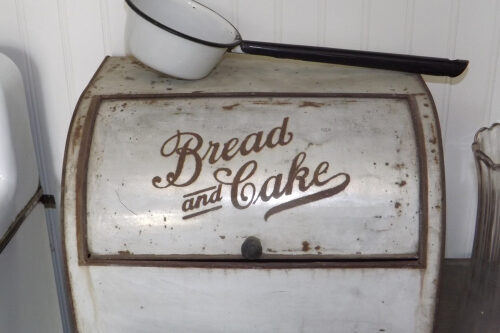
Many mid-century kitchens featured wooden bread boxes built right into the cabinetry. They kept loaves at room temperature and neatly out of sight. The roll-top doors slid open with a satisfying motion. It was a tidy solution for a daily staple.
Changing eating habits reduced the need for dedicated bread storage. Store-bought bread also began coming in better-sealed plastic packaging. Counter space and cabinet designs evolved toward flexibility. Built-ins became less practical than they once were.
7. Hand-Crank Flour Sifters
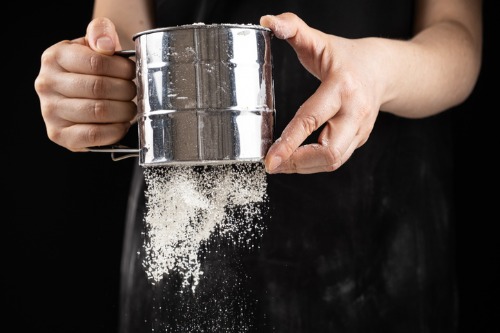
Baking used to involve a metal cup with a squeeze handle or side crank. Turning the mechanism pushed flour through a fine mesh to remove lumps. It made lighter cakes and smoother batters. The process was oddly satisfying and very hands-on.
Modern flour is more refined and rarely clumps like it used to. Mesh strainers can do the same job with less fuss. Many casual bakers skip sifting altogether. The single-purpose tool quietly faded from drawers.
8. Iceboxes
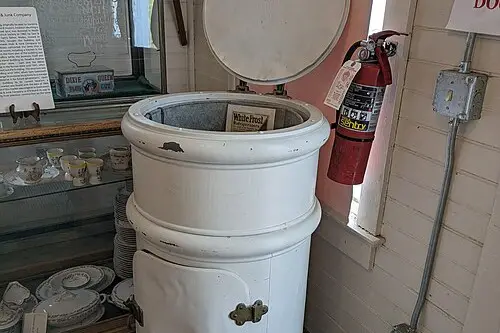
Before electric refrigerators became standard, many American kitchens relied on the icebox to keep food cold. A delivery driver would drop off blocks of ice that slowly melted in an insulated cabinet. It worked, but it was messy and required constant upkeep. Once electric refrigeration became affordable and reliable, the icebox quickly felt like yesterday’s news.
Families didn’t miss the puddles or the scheduling around ice deliveries. Modern fridges offered steady temperatures and far more storage. They were also safer for preserving meat and dairy. Convenience alone made the icebox an easy goodbye.
9. Insulated Milk Delivery Boxes
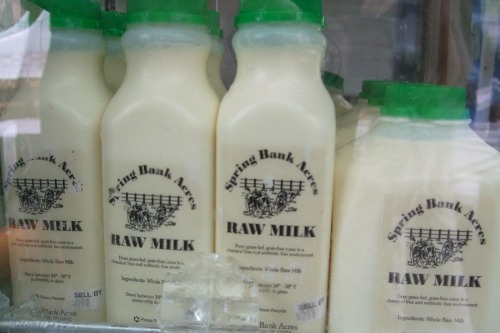
Before widespread supermarket shopping, milk was delivered to your door. Many homes had insulated metal boxes near the entrance or kitchen. Bottles stayed cool and protected from weather and animals. It was a simple system built around daily delivery routes.
Grocery stores and refrigeration changed buying habits. People began purchasing milk during regular shopping trips instead. Home delivery declined, making the boxes unnecessary. Most disappeared as routines modernized.
10. Recipe Card Boxes
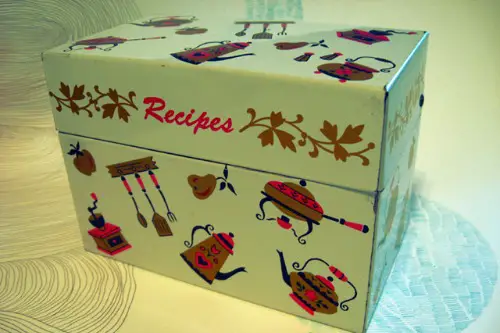
Family recipes were once carefully typed or handwritten on index cards. These lived in small boxes, often arranged with tabbed dividers. Passing one down felt like sharing a family archive. Smudges and stains told stories of well-loved meals.
Digital recipes gradually replaced paper collections. Online databases made searching faster and storage limitless. Printing became optional rather than required. The humble card box now feels charmingly analog.
11. Electric Carving Knives
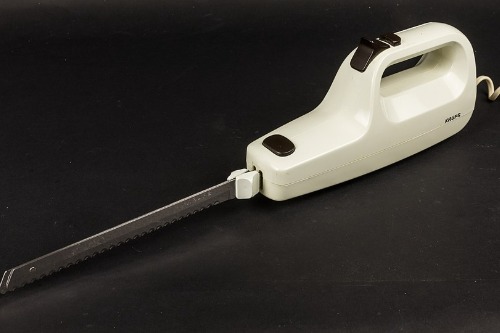
Electric carving knives had serrated blades that moved back and forth rapidly. They promised perfectly sliced turkey and roast beef with minimal effort. Holiday meals often featured their distinctive buzzing sound. For a while, they felt like must-have tech.
Improved chef’s knives made manual carving easier and cleaner. Electric versions were noisy and took time to clean properly. They also required storage space for something used occasionally. Many kitchens quietly retired them.
12. Colored Glass Mixing Bowl Sets
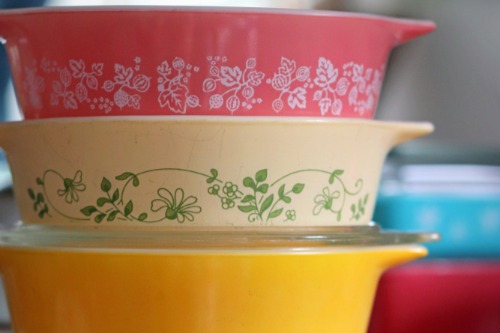
Stackable, brightly colored mixing bowls once added personality to kitchen shelves. Sets from brands like Pyrex became especially iconic for their durability and design. They handled everything from cake batter to leftovers. Seeing the nested rainbow was a small daily pleasure.
Kitchen aesthetics and materials gradually shifted toward stainless steel and minimalist looks. Some vintage glass formulas were also discontinued or reformulated. Competing products like CorningWare offered different materials and styles that fit changing tastes. The classic colorful stacks slowly moved from everyday use to vintage charm.
This post 12 Objects in Classic American Kitchens That Slowly Disappeared was first published on American Charm.

