
1. The Pilgrims and Thanksgiving Were All About Harmony
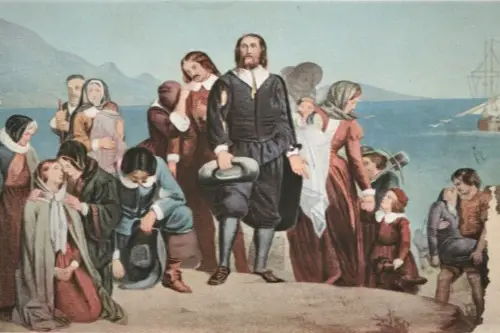
Everyone loves the story of Pilgrims and Native Americans sitting down for a peaceful meal, smiling over turkey and pumpkin pie. It’s comforting and gives the U.S. a story of cooperation from the very start. In reality, the interactions were tense, and the so-called “First Thanksgiving” wasn’t a nationally recognized tradition at all. The story persisted because it painted a picture of unity that early Americans wanted to embrace.
The myth also conveniently glosses over the violence and displacement that followed between colonists and indigenous populations. Schools repeated the story because it reinforced the idea of America as inherently good-natured. It made colonization seem noble rather than complicated and often brutal. People remembered the feast, not the conflict, which made the story survive for centuries.
2. George Washington Had Wooden Teeth

Almost every kid learns that Washington had wooden dentures, a quirky detail that makes him feel human. The truth is that his dentures were made from ivory, gold, and other materials—not wood. The myth stuck because it’s visually simple and kind of amusing. It also subtly underscores the idea that even great leaders had humble, relatable flaws.
This story helped create a gentle, almost charming image of the first president. By framing Washington as slightly imperfect, it made his legendary status seem more accessible. It reinforced the narrative that American leaders could be heroic and human at the same time. The myth survived because it was easy to imagine and hard to disprove in casual conversation.
3. The American Revolution Was Entirely Popular
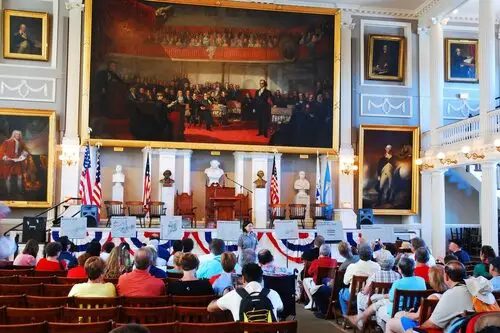
Movies and textbooks often make it seem like everyone in the colonies eagerly fought for independence. The reality is that many colonists were loyal to Britain, and support for revolution was far from unanimous. The myth persists because it strengthens national pride and simplifies history into a classic good-versus-evil story. It makes America’s birth feel destined rather than messy and contested.
This narrative conveniently leaves out the complexities of class, race, and regional interests. Loyalists were often vilified or ignored in historical accounts to keep the patriotic story intact. The simplification also helps teach a clear lesson about courage and freedom. People prefer a neat story of heroism rather than a fractured, nuanced one.
4. Manifest Destiny Was Purely About Progress
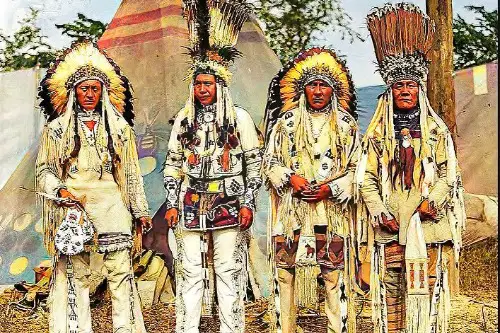
Manifest Destiny is often remembered as the noble idea that Americans were spreading democracy and civilization westward. In truth, it justified the displacement and suffering of Native Americans and Mexicans. The myth stuck because it frames expansion as a moral imperative rather than a violent process. It made imperialism look like destiny, which is far easier to celebrate than confront.
The narrative conveniently overlooks the greed, exploitation, and war that accompanied westward expansion. It paints settlers as brave pioneers rather than aggressors. By emphasizing opportunity and adventure, textbooks avoided confronting uncomfortable truths. The myth survives because it validates a sense of national purpose.
5. Slavery Was Only a Southern Problem
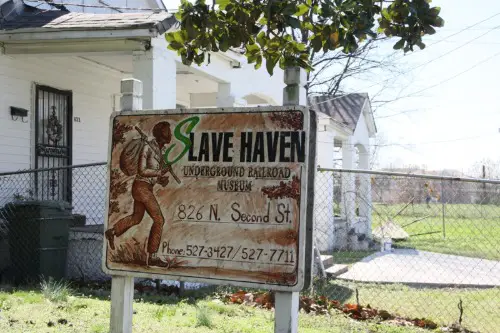
For decades, many textbooks implied that slavery was a regional issue, confined to the South, and that the North was morally superior. The truth is that northern states and businesses profited enormously from slavery, directly or indirectly. This myth survives because it allows Americans to feel good about parts of their history. It separates regions morally to make the country’s story less shameful.
By framing slavery as someone else’s problem, it minimizes collective responsibility. It also eases the national conscience when celebrating progress in other areas. This narrative conveniently ignores how integral slavery was to building the entire economy. It’s easier to believe in American exceptionalism if you think the North was morally blameless.
6. The Cold War Was a Clear-Cut Fight for Freedom

The American narrative frames the Cold War as a pure struggle of democracy versus communism. In reality, U.S. foreign policy was often self-interested, supporting dictators and interventions that contradicted those ideals. The myth survives because it simplifies a messy global conflict into a story where the U.S. is always the hero. It’s more comforting than acknowledging complicity in human rights abuses.
This narrative reinforces the idea that Americans are inherently on the “right side” of history. By demonizing the Soviet Union completely, the story elevates U.S. decisions without scrutiny. People like simple moral narratives because they’re easier to remember and retell. It keeps the idea of American leadership untarnished.
7. The Moon Landing Was a Triumph Without Flaws
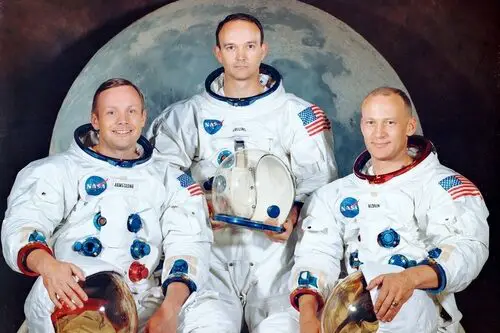
The moon landing is celebrated as a flawless demonstration of American ingenuity and determination. While it was a major achievement, it came after decades of deadly rocket failures, enormous cost, and intense geopolitical pressure. The myth persists because highlighting only success boosts national pride. Focusing on triumph rather than struggle makes the story inspiring rather than stressful.
The narrative ignores the ethical and financial questions surrounding the space race. Many scientists, engineers, and workers faced harsh conditions and risked their lives. By framing the moon landing as a pure victory, the myth builds a sense of American exceptionalism. Celebrating perfection feels safer than dwelling on mistakes.
8. The U.S. Entered Wars Only for Moral Reasons

From World War II to interventions in Latin America, American narratives often suggest moral high ground dictated military action. History shows that strategic, economic, and political interests were usually major factors. The myth persists because moral framing makes war more palatable and heroic. It’s easier to rally public support for a “just” cause than a pragmatic one.
This simplification makes Americans feel like champions of freedom rather than opportunists. It often erases the gray areas, like controversial alliances or covert actions. Stories of morality reinforce a national identity rooted in righteousness. Without them, patriotism becomes more complicated and uncomfortable.
9. The Frontier Was Empty Land
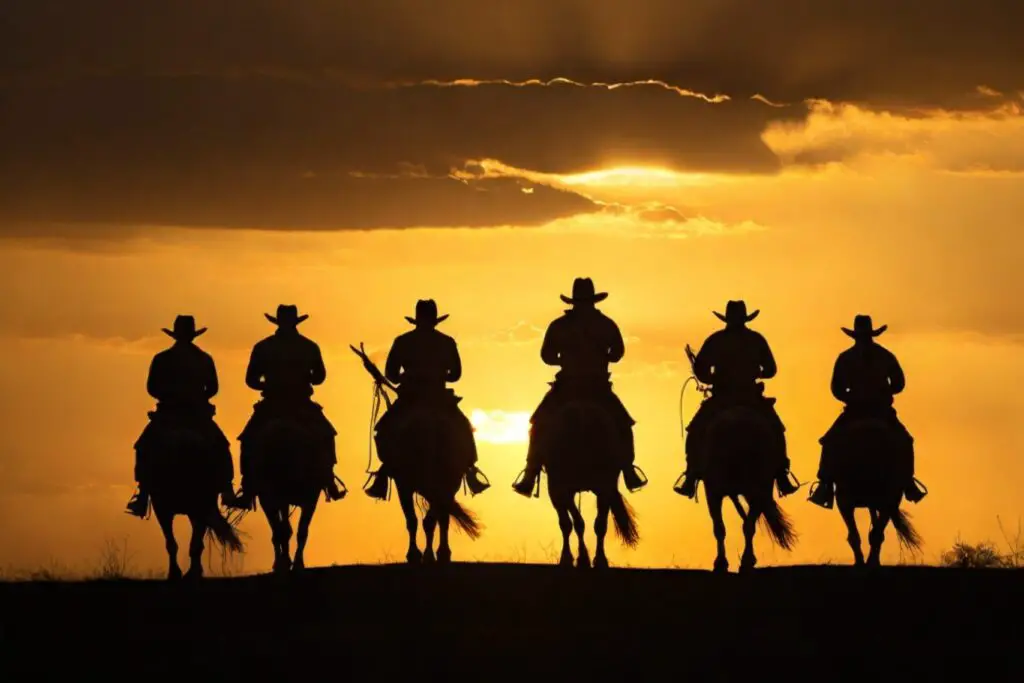
Textbooks often depict the West as a vast, empty wilderness waiting for settlers. In reality, indigenous people lived there for thousands of years before European Americans arrived. The myth persists because portraying the land as empty makes colonization feel adventurous rather than invasive. It creates a romanticized vision of the “wild frontier” that supports national pride.
This story conveniently ignores the violence of conquest and displacement. By erasing indigenous presence, it presents settlers as pioneers rather than invaders. It also allows Americans to celebrate expansion without confronting ethical dilemmas. The empty land narrative is far easier to cheer than the truth.
10. The Founding Fathers Were All Unified Visionaries
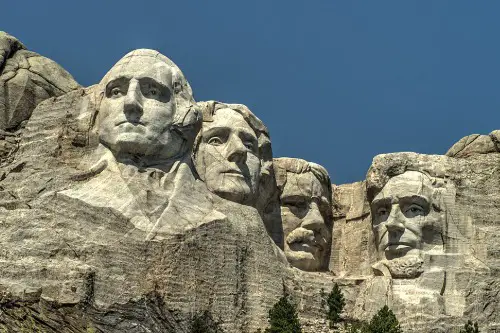
We often hear about the Founding Fathers as a harmonious group shaping democracy together. In reality, they were divided on nearly everything, from slavery to the structure of government. The myth persists because a unified image strengthens the idea of deliberate, heroic nation-building. It’s easier to admire visionaries who seem infallible than messy, contradictory humans.
This myth also glosses over debates that reveal contradictions in early American ideals. Treating them as flawless simplifies lessons for students and citizens. It reinforces the idea that the U.S. was designed perfectly from the start. Complexity is harder to celebrate than a clean, heroic story.
11. America Has Always Been a Land of Opportunity
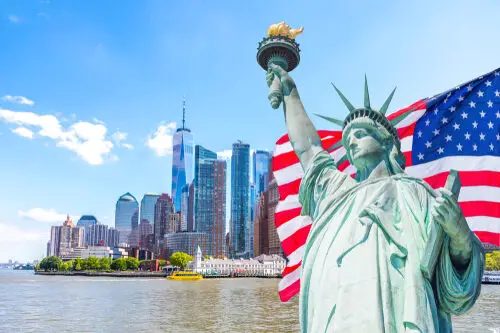
The narrative of upward mobility and opportunity is central to the “American Dream.” Historically, systemic racism, sexism, and class barriers have made that dream inaccessible to many. The myth survives because it motivates people to believe in meritocracy and progress. It’s more flattering to see the nation as universally fair than acknowledge persistent inequality.
Framing the U.S. as a land of opportunity also helps justify its global role as a model democracy. It reinforces pride in domestic accomplishments while minimizing criticism. By focusing on success stories, the narrative overshadows structural problems. It’s a comforting story that keeps the American ideal alive.
12. The Civil Rights Movement Solved Racism
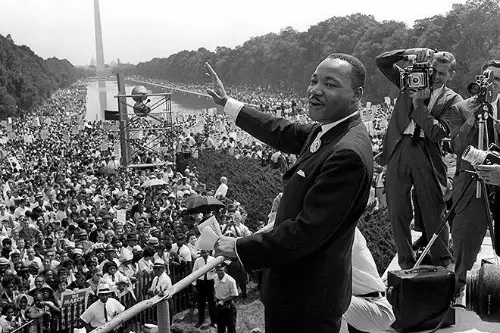
We often think of the Civil Rights Movement as a neat story of heroic protests leading to full equality. While landmark legislation changed laws, systemic racism and inequality remain entrenched. The myth persists because it allows Americans to feel like history has “fixed” racial injustice. It’s easier to celebrate progress than to confront ongoing struggles.
This narrative also diminishes the continuing activism required to address inequality. It frames the country as morally right once laws are changed, ignoring cultural and economic barriers. Celebrating a completed victory makes the nation feel virtuous and complete. The myth survives because acknowledging the ongoing work is less comforting than a tidy triumph story.
This post 12 Myths That Only Survived Because They Made America Look Good was first published on American Charm.

