
1. The Bee Gees
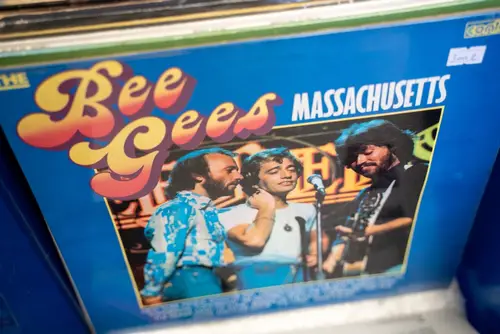
The Bee Gees spent much of the 1980s and 1990s dismissed as the poster boys for disco excess. After Saturday Night Fever, their falsettos became shorthand for a genre many people claimed to hate. Critics often held them responsible for disco’s overexposure, even though they were just one part of a much larger scene. Over time, nostalgia reframed their songwriting as timeless pop craftsmanship.
When younger artists began covering their songs, people started realizing just how structurally strong their music was. The resurgence of disco-inspired pop in the 2010s didn’t hurt either. Suddenly, their harmonies sounded fresh rather than kitschy. The mockery faded as listeners rediscovered their depth and range.
2. ABBA

ABBA faced years of being labeled sugary, shallow, and hopelessly uncool. Despite global hits, they weren’t taken seriously by many American critics during their active years. Their theatrical outfits and bright melodies made them easy targets. It took decades before people recognized their mastery of melody and production.
The turning point came when Mamma Mia! reignited interest in their catalog. Fans who grew up with their music introduced it to new generations without irony. As pop evolved, their influence became obvious in acts who embraced maximalism. What was once mocked became a cherished part of pop history.
3. Dolly Parton
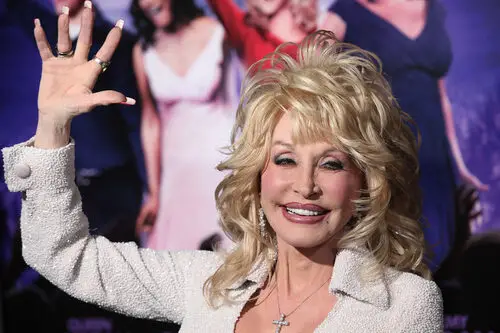
For years, Dolly Parton was reduced to jokes about her appearance rather than respected for her talent. Many overlooked her sharp songwriting and business savvy. Her crossover success sometimes fueled the perception that she was more novelty than artist. But time highlighted the depth of her musical catalog.
As younger musicians covered her songs, more people recognized her lyrical brilliance. Her philanthropy and candid public persona also reshaped how Americans saw her. Suddenly she wasn’t a punchline but a beloved cultural figure. Nostalgia simply helped everyone appreciate what had been there all along.
4. The Backstreet Boys
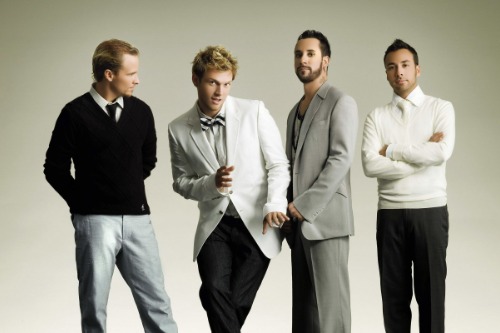
The Backstreet Boys were long dismissed as a packaged boy band with more choreography than artistry. Critics argued they represented the most manufactured side of late-90s pop. As trends shifted, admitting you liked them became a guilty pleasure at best. But their longevity proved something deeper was at work.
When they reunited and continued touring successfully, people realized their harmonies and pop instincts held up. Former teens who loved them grew up and reclaimed their fandom without embarrassment. Nostalgia reframed the group as pioneers of a specific pop moment. Their songs became cultural touchstones rather than teenybopper fluff.
5. KISS
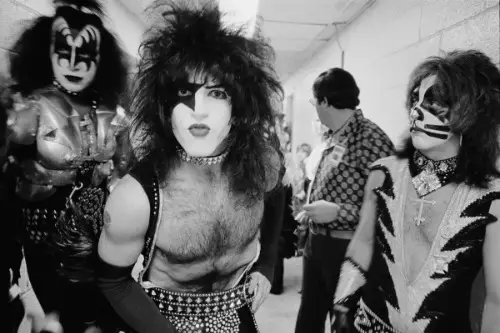
KISS endured decades of skepticism from critics who thought their music was simplistic and overly theatrical. Their makeup and stage effects were often mocked as gimmicks. Despite loyal fans, broader respect was slower to come. Many saw them as spectacle first and musicians second.
As the glam and metal scenes they influenced gained recognition, KISS’s place in history became clearer. Their branding savvy also became something people admired instead of ridiculed. Fans who once hid their fandom now celebrated it proudly. Nostalgia turned their over-the-top image into a beloved rock legacy.
6. Cher
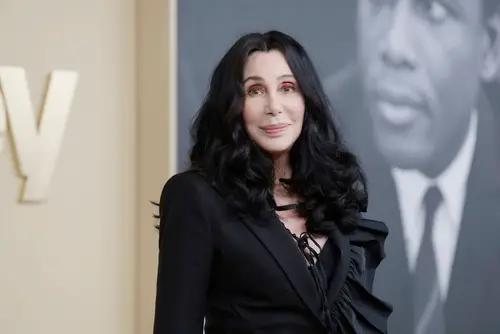
Cher spent years being treated like a camp icon rather than a serious musician. Her reinventions were sometimes mocked as desperate rather than bold. Critics didn’t always value how she navigated pop, rock, and dance music. She kept evolving in ways people didn’t initially appreciate.
But her longevity eventually forced a reevaluation. Her influence on reinvention-driven pop stars became undeniable. Songs like “Believe” helped redefine modern pop production. Nostalgia and respect merged, finally giving her the recognition she’d earned.
7. Journey
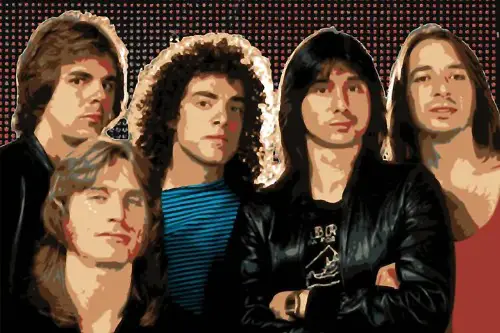
Journey often faced criticism for being too sentimental or “arena rock” formulaic. Their power ballads were prime targets for music snobs. At one point, admitting you liked them felt uncool. Yet “Don’t Stop Believin’” never really went away.
When shows like Glee brought the song to new audiences, people revisited the band’s catalog. Nostalgia made listeners realize their melodies were incredibly durable. Their emotional directness turned from a liability into a strength. Suddenly, the band was iconic rather than overblown.
8. Britney Spears

Britney Spears was often dismissed as a manufactured pop product in her early years. Critics underestimated her cultural impact and stage presence. Tabloid coverage overshadowed her musical achievements. People mocked her while consuming everything she created.
As nostalgia grew, many began reassessing her influence on pop performance and production. Younger artists cited her as inspiration, which pushed critics to reevaluate her legacy. Her early hits gained newfound appreciation for their innovation. Over time, her resilience also became part of why audiences embraced her again.
9. Phil Collins
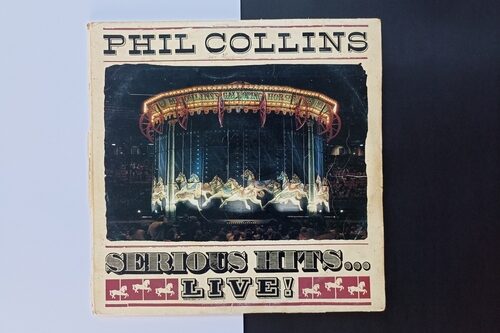
Phil Collins spent years being the butt of jokes for his ubiquity in the 1980s. His emotional delivery and drum-heavy productions made him an easy target. Some listeners claimed he was overplayed to the point of exhaustion. But his songwriting endured beneath the mockery.
As his music resurfaced in films and viral moments, people reconnected with its emotional clarity. Younger audiences discovered his work without the old biases. Musicians openly praised his rhythmic creativity. Nostalgia reframed his sound as classic rather than corny.
10. The Spice Girls
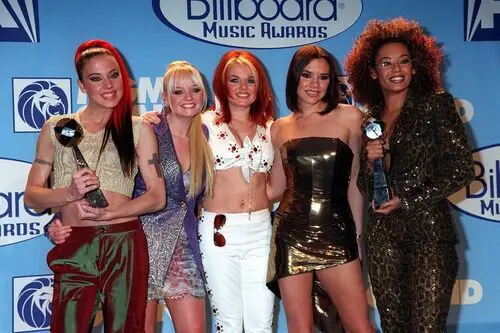
The Spice Girls were often dismissed as a shallow marketing machine. Critics claimed their “Girl Power” message was too simplistic to matter. Their manufactured image made them an easy punchline. But the cultural footprint they left became impossible to deny.
As fans grew up, they recognized how empowering the group had been for young girls. Modern pop groups adopted similar branding strategies with pride. Their music became anthemic instead of disposable. Nostalgia transformed them from jokes into generational icons.
11. Weird Al Yankovic
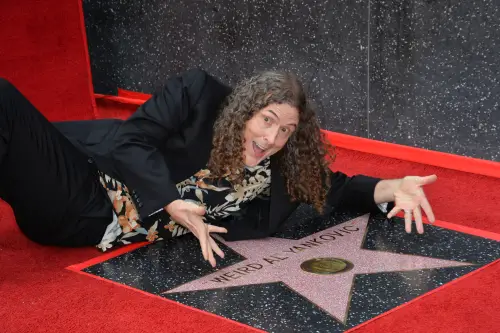
For decades, Weird Al was seen primarily as a novelty act. Many dismissed parody as lesser art. His accordion-driven humor made some people overlook the skill behind it. But his longevity and precision eventually won people over.
As pop culture matured, parody became more respected as commentary. His uncanny ability to mimic styles revealed true musicianship. Younger generations found his humor timeless rather than silly. Nostalgia highlighted how consistently sharp he had been all along.
12. Hanson

Hanson was widely mocked as a bubblegum act when “MMMBop” exploded. Critics didn’t take their musicianship seriously because of their ages and upbeat sound. Their early fame overshadowed their real talent. People assumed they would fade quickly.
But the band kept writing, performing, and evolving outside the spotlight. Fans grew up and realized the group had genuine musical chops. Their independence and longevity surprised skeptics. Nostalgia helped people see them as more than the kids behind a single smash hit.
This post 12 Musicians America Mocked for Decades Until Nostalgia Turned Them Into Icons was first published on American Charm.

