
1. Zydeco
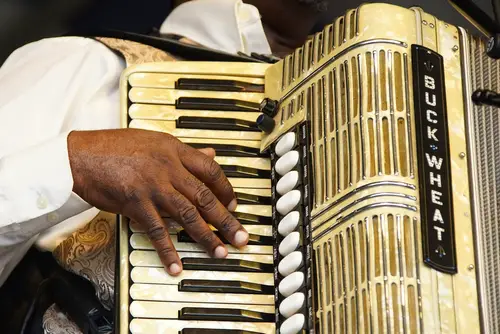
Outside Louisiana, many Americans assumed zydeco was a relic of regional culture. Streaming proved otherwise by giving national exposure to artists like Clifton Chenier and Buckwheat Zydeco. Its accordion-driven energy felt refreshing compared to mainstream pop. People discovered the genre carried both celebration and deep cultural history.
Curious listeners kept exploring and found family-run bands passing the tradition forward. That sense of living heritage made zydeco feel vibrant rather than outdated. Streaming let listeners sample the genre without stumbling across it in person. The surprise factor alone helped drive its comeback.
2. Disco
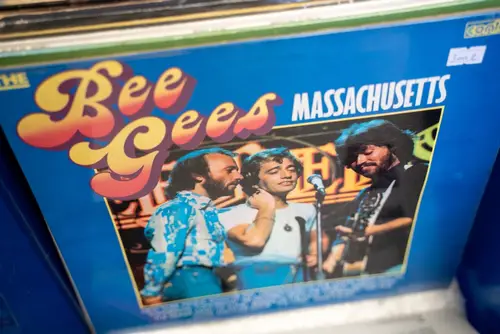
Disco never truly died, but many Americans assumed it disappeared after the “Disco Demolition Night” backlash of 1979. Streaming proved people never stopped craving those glittering basslines and upbeat grooves. Suddenly, playlists featuring Chic, the Bee Gees, and Donna Summer started pulling massive numbers again. It’s a reminder that the world eventually forgives a genre built for joy.
The revival also owes a lot to younger artists rediscovering disco samples and weaving them into new tracks. That curiosity pushed listeners to dig back into the originals, finding a depth they didn’t expect. With streaming’s infinite library, disco’s once-maligned sound became cool again. It’s proof that a genre can outlive even the loudest public backlash.
3. Ska
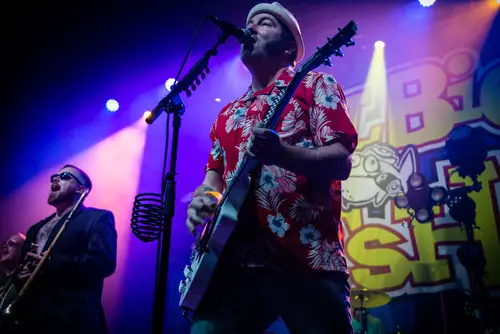
A lot of Americans figured ska faded out after its ‘90s third-wave moment. But streaming introduced a new generation to the infectious brass and punk-tinged rhythms that made bands like The Mighty Mighty Bosstones and Reel Big Fish cult favorites. People realized ska had multiple waves and an entire global history behind it. That context helped the genre feel fresh instead of frozen in time.
As listeners explored, they discovered earlier acts like The Specials and Toots & The Maytals, broadening the revival. The horn-driven energy felt surprising compared to algorithm-fed pop. That contrast made ska stand out and earn repeat plays. What once felt niche suddenly became comfort-food music with a kick.
4. Bluegrass
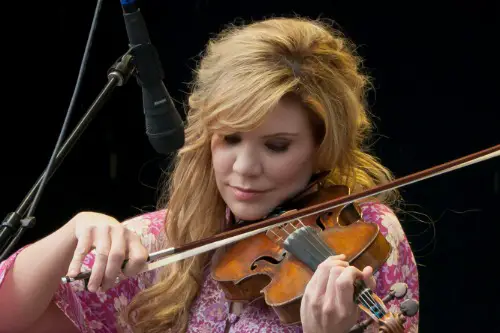
Bluegrass never fully disappeared, but many thought it was confined to festivals and niche radio. Streaming changed that by spotlighting virtuoso acts like Alison Krauss & Union Station and the Punch Brothers. People were surprised by how technically impressive and emotionally rich the genre could be. Suddenly, playlists featuring mandolin solos didn’t seem so niche.
The resurgence came from curiosity sparked by Americana’s growing popularity. As listeners clicked through related artists, they uncovered a vast catalog going back to Bill Monroe and Flatt & Scruggs. That sense of stumbling into a hidden world made bluegrass feel exciting again. Streaming made the genre accessible without forcing listeners to be experts.
5. Shoegaze
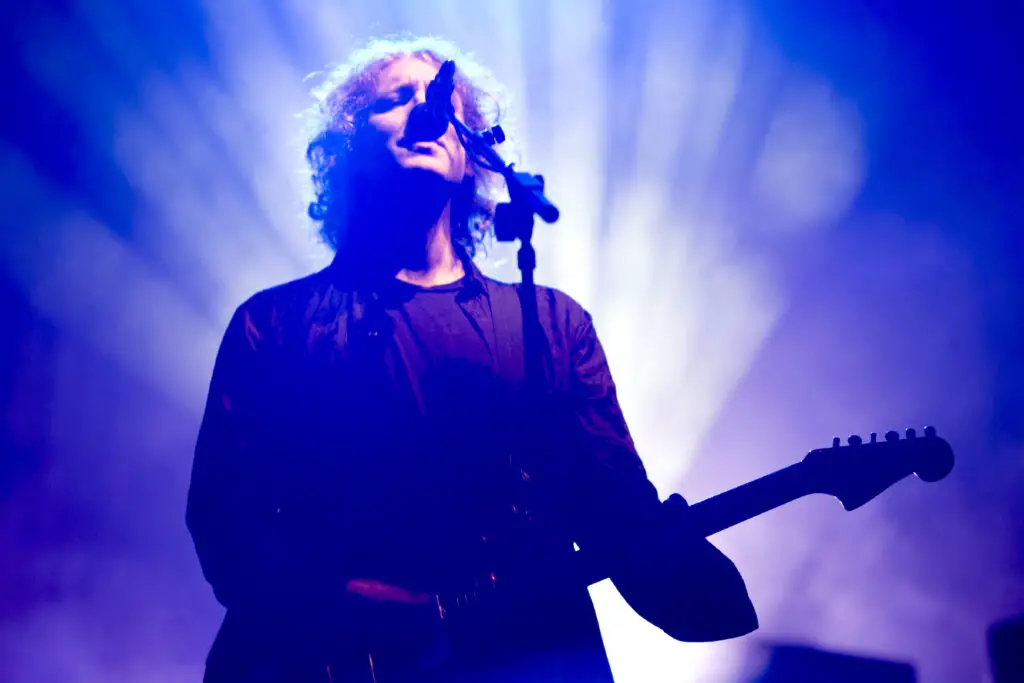
Shoegaze was written off as a short-lived early-‘90s experiment after bands like My Bloody Valentine and Slowdive faded from mainstream view. But streaming introduced its lush, wall-of-sound textures to a whole new audience. When Slowdive reunited and released new music, it validated the genre’s revival. People realized the dreamy aesthetic fit perfectly into modern listening habits.
Younger listeners went hunting for more, rediscovering Ride and Lush along the way. The genre’s hypnotic quality made it ideal for studying, relaxing, or simply zoning out. That practicality helped bring it back into rotation. What once seemed like an underground curiosity became a staple of mood-based playlists.
6. New Jack Swing
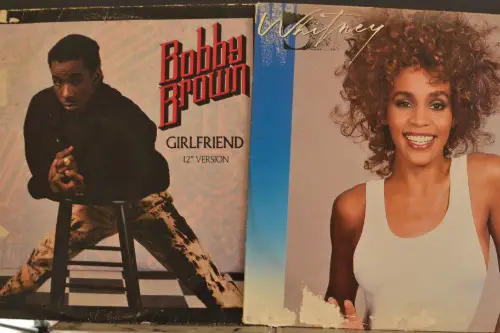
New Jack Swing felt locked in the late ‘80s and early ‘90s era of big jackets and sharper dance moves. But streaming brought Teddy Riley’s signature sound back into the spotlight. Acts like Guy, Bell Biv DeVoe, and early Bobby Brown gained new appreciation for blending R&B with hip-hop beats. The genre’s polished swagger turned out to be timeless.
Modern producers started referencing those sounds, which nudged listeners toward the originals. Fans realized the genre shaped much of today’s pop and R&B. That historical connection made the revival feel earned rather than nostalgic. Streaming helped people connect the dots in a way radio never did.
7. Doo-Wop
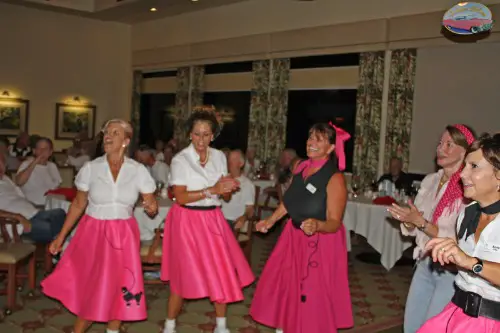
Most Americans assumed doo-wop vanished decades ago along with drive-ins and sock hops. But streaming resurfaced the silky harmonies of groups like The Penguins and The Platters, proving timelessness outlasts trends. Younger audiences stumbled upon these tracks through algorithmic oldies mixes and got hooked on the warmth of them. It turned out people were still craving that vocal purity.
The genre’s revival wasn’t about nostalgia alone. It was about rediscovering a simplicity and emotional sincerity missing in some modern production. As listeners dug deeper, they found rare cuts they’d never hear on the radio. Streaming gave doo-wop a second life by making discovery effortless.
8. Swing
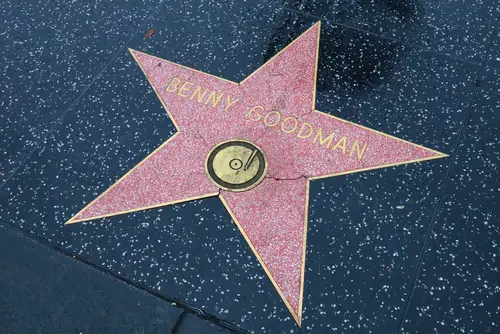
For decades, swing music seemed locked in black-and-white newsreels and retro dance halls. But streaming breathed new life into big-band classics from Duke Ellington, Count Basie, and Benny Goodman. The upbeat brass and rhythms felt surprisingly modern to younger listeners. It reminded people how infectious jazz could be before it became “serious music.”
Playlists themed around focus, movies, or vintage vibes helped spark the rediscovery. Suddenly, swing wasn’t just for dancers or jazz historians. It became energetic background music with craftsmanship behind it. Streaming made it easy to appreciate the genre without needing to know its full history.
9. Surf Rock
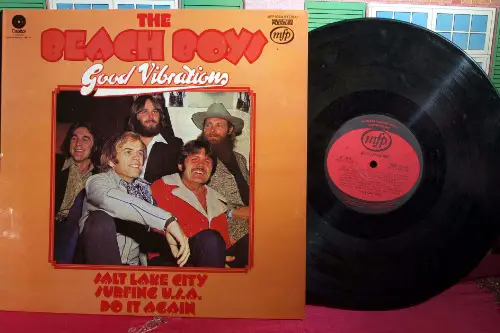
Surf rock seemed like it vanished when the ‘60s ended. But streaming revived interest in reverb-drenched guitars from bands like The Ventures and Dick Dale. The genre’s cinematic quality appealed to listeners looking for instrumental music with personality. That helped it stand out among countless lo-fi playlists.
Soundtracks and algorithmic recommendations pushed the revival further. People realized surf rock wasn’t just about beaches; it had grit and attitude. That complexity made the rediscovery feel meaningful. Streaming showcased how wide the genre’s range really was.
10. Post-Punk
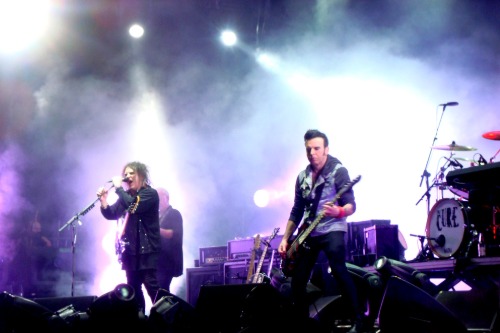
Post-punk originally thrived in the late ‘70s and early ‘80s before fading from mainstream memory. But streaming made it easier for listeners to dive into The Cure, Joy Division, and Siouxsie and the Banshees. The genre’s blend of moodiness and experimentation resonated with modern alt-listeners. It felt like rediscovering the blueprint for today’s indie scene.
As people explored, they realized how influential the sound really was. That new understanding revived long-buried catalogs. It let the genre reclaim cultural relevance without being marketed directly. Streaming gave it the slow-burn comeback it deserved.
11. Folk Rock
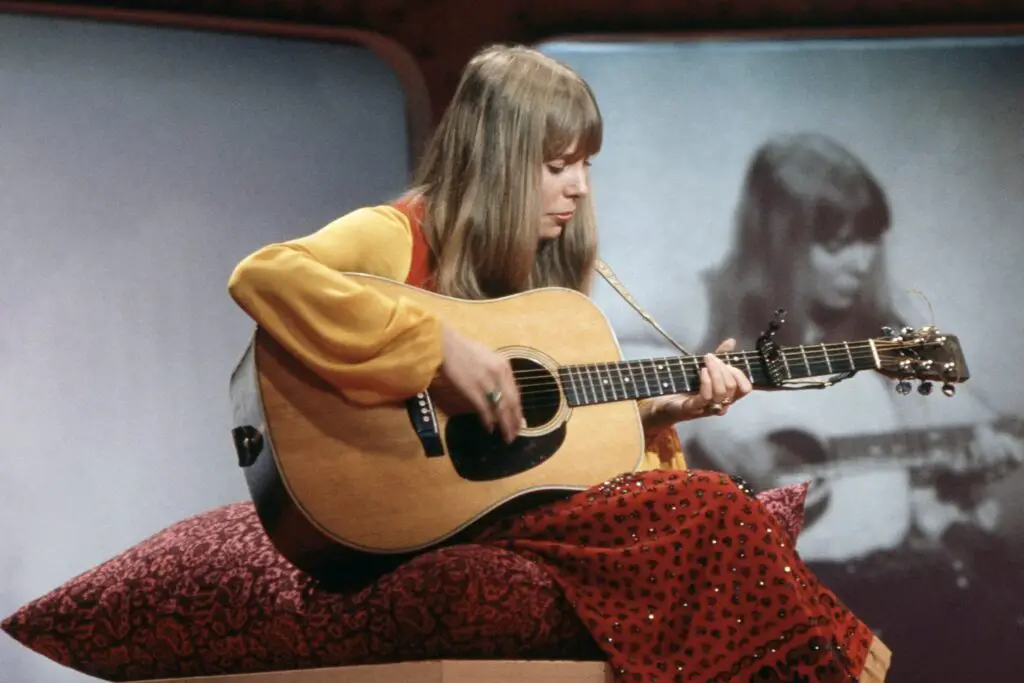
Many assumed folk rock had burned out after the ‘60s and ‘70s. But streaming resurrected the catalogs of Crosby, Stills & Nash, Joni Mitchell, and The Byrds. Listeners were drawn to the honesty and acoustic textures missing from heavily produced modern tracks. It made the genre feel intimate again.
The rise of indie-folk artists nudged people toward the originals. Suddenly, the lineage from old to new became obvious. That curiosity kept folk rock in steady rotation. Streaming helped people appreciate the roots instead of only the modern interpretations.
12. Glam Rock
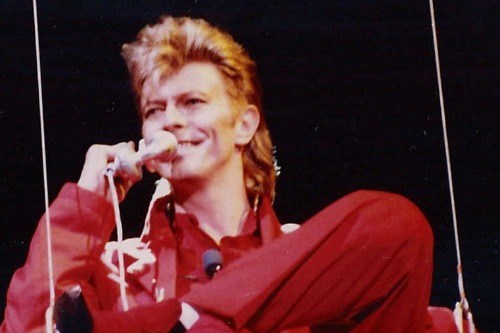
Glam rock was widely thought to be trapped in the glitter-soaked ‘70s. Streaming brought back artists like T. Rex, David Bowie, and Roxy Music, reminding listeners how theatrical and inventive the genre was. Its mix of attitude and melody felt fresh again. Younger fans connected with its boldness in a way earlier generations once did.
The genre’s revival also benefited from fashion and film referencing glam aesthetics. That visibility encouraged people to dig into the music behind the image. Streaming completed the cycle by making the catalog instantly accessible. The rediscovery highlighted how influential glam rock still is.
13. Baroque Pop
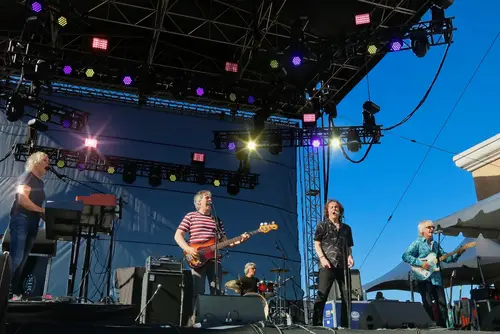
Baroque pop seemed like a forgotten experiment from the ‘60s, blending orchestral sounds with pop melodies. But streaming shined a light on groups like The Zombies, The Left Banke, and early Bee Gees. Listeners were drawn to the lush arrangements that didn’t fit neatly into modern pop. It felt like uncovering a missing genre that should’ve been more popular.
With playlist algorithms pushing “vintage” and “cinematic” vibes, baroque pop slid back into the spotlight. People appreciated how ambitious the music was for its era. The rediscovery made the genre feel ahead of its time instead of outdated. Streaming gave it the chance to be understood in full color.
This post 13 Music Genres Americans Thought Were Gone Forever Until Streaming Brought Them Back was first published on American Charm.

