
1. Miami Residents Leaving to Orlando or Tampa
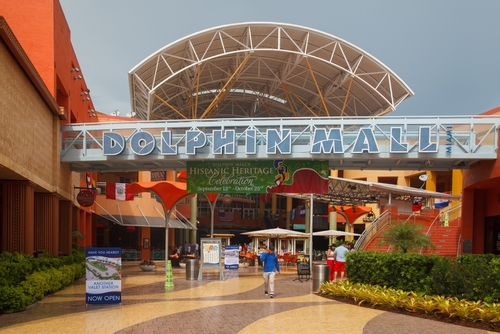
Miami’s high cost of living, hurricanes, and crowded conditions drive some residents to central Florida cities like Orlando or Tampa. Families and retirees seek more space, lower costs, and less congestion. Orlando benefits from tourism-driven job growth, while Tampa offers coastal living without the same density. Migration here changes local economies and real estate markets rapidly.
The impact is subtle but growing. Miami’s cultural hubs feel pressure from the shifting population, while Orlando and Tampa face rising housing demand. New arrivals also influence political and social dynamics. This migration trend is quietly transforming Florida from south to central in ways few discuss.
2. Californians Fleeing to Texas
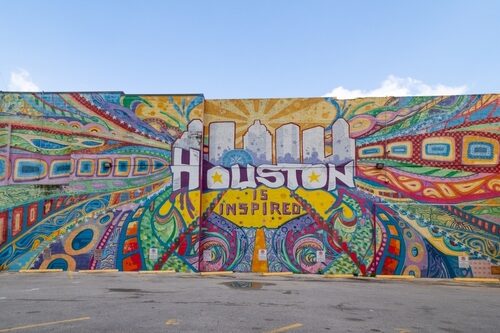
California’s high housing costs and strict regulations have driven many residents to Texas, particularly Austin, Dallas, and Houston. Tech workers and families are seeking more space, cheaper homes, and a lower tax burden. The move has made Texas cities boom in population, but it has also created traffic and housing shortages. Many Californians hope for a fresh start, but the transition isn’t always seamless.
Texans sometimes feel their cities are being transformed too quickly. Neighborhoods once affordable now see skyrocketing prices, and local schools struggle to accommodate new students. Politically and culturally, clashes emerge between long-time Texans and newcomers. Americans rarely discuss it because it reflects a tension between opportunity and community change.
3. Chicago Residents Moving to Suburbs or the South
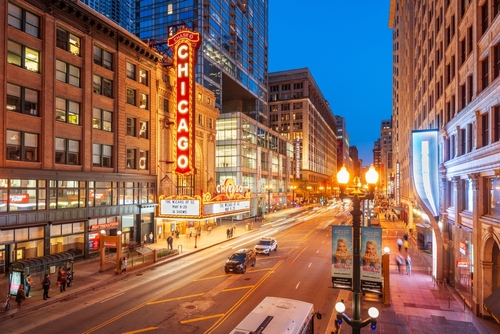
Chicago has seen a steady outflow of residents to suburban areas or southern states like Tennessee and Indiana. Rising crime rates and high property taxes push families to look elsewhere. Suburban areas promise better schools, quieter streets, and more space. Meanwhile, southern states offer even lower costs and more job opportunities in growing industries.
This migration affects Chicago’s economy and city culture. Businesses lose workers, and neighborhoods see declining populations. The city struggles with maintaining services and infrastructure as the tax base shrinks. It’s a trend quietly recognized by policymakers but rarely discussed in national conversations.
4. Midwestern Cities Shrinking—Detroit to Nashville or Indianapolis

Detroit, Cleveland, and St. Louis have experienced decades of population loss, with residents moving to southern or western cities. Many are chasing jobs in healthcare, tech, or logistics hubs. Detroit’s population decline has left neighborhoods abandoned and infrastructure underfunded. Residents leave reluctantly, often out of necessity rather than choice.
Cities gaining these migrants face new challenges. Nashville, Indianapolis, and other southern hubs see housing shortages and rising rents. Cultural shifts also occur, as Midwest newcomers bring their traditions and expectations. The movement reflects economic disparities that Americans prefer not to highlight.
5. Californians Leaving Bay Area for Sacramento or Reno
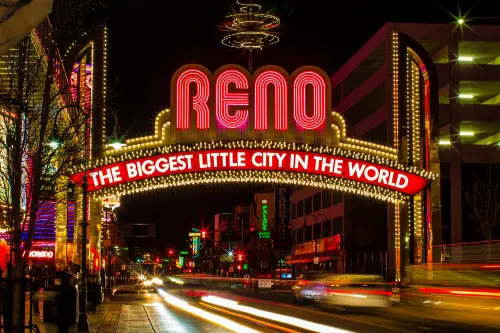
The Bay Area’s tech-driven housing crisis pushes workers to more affordable cities like Sacramento or even across the state line to Reno, Nevada. Commuters endure long drives or remote work setups to stay employed while saving money. These smaller cities grow rapidly, which can strain local schools and infrastructure. Bay Area culture changes as fewer middle-class workers can afford to remain.
For newcomers, the promise of affordable housing often comes with trade-offs. Longer commutes, fewer amenities, and different social environments are part of the package. Local communities sometimes resist rapid population growth, causing friction. This internal migration quietly reshapes California’s economic and social map.
6. Seattle Residents Heading to Boise
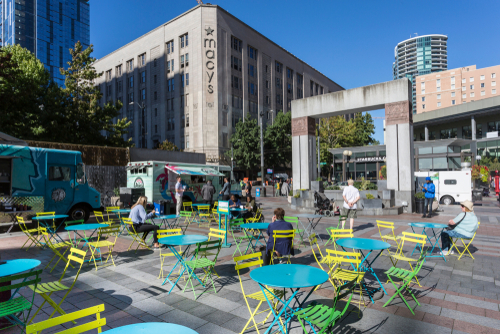
Seattle’s booming tech industry drives up housing costs, prompting some residents to relocate to Idaho cities like Boise. Lower costs and a slower pace of life are attractive for families and retirees. Boise has experienced explosive growth, but infrastructure is struggling to keep up. Those leaving Seattle cite not just affordability but also quality-of-life concerns like traffic and overcrowding.
Boise’s cultural landscape shifts as new arrivals bring city habits and expectations. Local housing prices climb, and public services are stretched thin. Tensions sometimes emerge between long-time residents and newcomers. This migration highlights how high-cost cities influence regional growth.
7. Boston Residents Moving to New Hampshire or Maine

Young professionals and families are leaving Boston for New Hampshire or Maine for lower costs of living and less congestion. They can afford bigger homes, enjoy natural surroundings, and escape high urban rents. The move often means leaving high-paying jobs behind, but remote work makes it feasible. Communities in New Hampshire and Maine experience rapid change due to the influx.
The impact is noticeable on both ends. Boston loses residents who contribute to the local economy, while smaller towns face rising housing costs and cultural shifts. Services like healthcare and education come under pressure. The trend is often under-discussed because it challenges the idea of urban centers as permanent magnets for talent.
8. Los Angeles Residents Heading Inland—Riverside and Phoenix

Many Angelenos are moving inland to Riverside, Phoenix, and Las Vegas to escape traffic and skyrocketing rents. These cities offer cheaper housing, more space, and a slower pace of life. The shift is particularly noticeable among middle-class families seeking affordability. While the move is practical, it changes the demographics of both sending and receiving cities.
Rapid growth strains local services and infrastructure in these inland areas. Schools, hospitals, and roads struggle to keep pace with newcomers. Long-time residents sometimes push back against rising costs and cultural shifts. Americans rarely discuss this trend openly because it reflects systemic urban affordability problems.
9. New Yorkers Heading to Florida

New York has been losing residents to Florida for years, and the trend accelerated during the pandemic. High taxes, crowded living, and sky-high rents push people to seek sunshine and lower costs. Florida, especially Miami and Tampa, offers more affordable housing and no state income tax, making the move appealing. Families and retirees alike see it as a chance to stretch their dollars further while enjoying warmer weather.
The downside is that New York loses young talent, and Florida cities feel growing pains. Traffic, rising property prices, and strained public services are becoming real challenges. Local culture shifts as more outsiders arrive, creating tension between newcomers and long-time residents. It’s a shift few Americans like to talk about because it shows how financial pressures are reshaping the map.
10. Texas Exodus from Austin to Suburbs or Smaller Cities
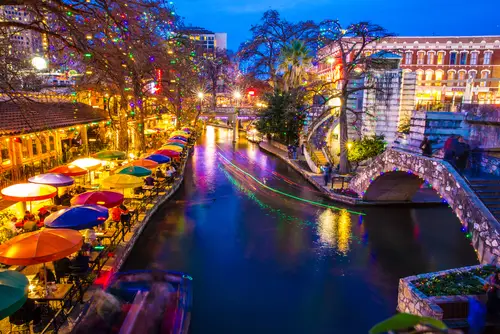
Even within Texas, people are leaving Austin for suburbs or smaller cities like Round Rock, San Antonio, or Fort Worth. Austin’s tech boom has made housing expensive, and traffic is unbearable. Families seek affordability, schools, and more manageable commutes. The internal migration reshapes Texas’s urban and suburban landscapes simultaneously.
Suburban areas face growth pains similar to cities, including overcrowded schools and stretched infrastructure. Political and cultural tensions arise as demographics shift rapidly. Austin itself grapples with maintaining livability amid booming demand. This intra-state migration often flies under the radar nationally.
11. Residents Fleeing High-Crime Cities—Baltimore, St. Louis, Detroit
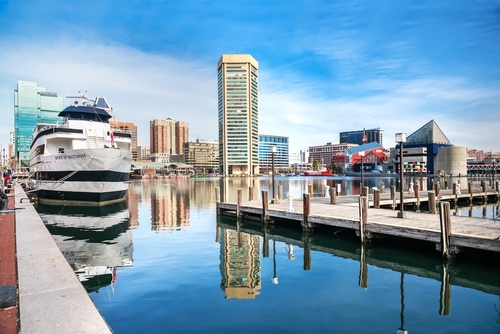
Many people are leaving cities with persistent crime and economic challenges for safer mid-sized cities or suburbs. Baltimore, St. Louis, and Detroit see outflows to places like Charlotte, Nashville, or Indianapolis. Families prioritize safety and schools over tradition, and cities struggle to retain residents. Crime, economic stagnation, and local governance are all driving factors.
Receiving cities must absorb population surges, which affects housing and public services. New residents bring expectations for amenities and education that smaller cities struggle to provide. Meanwhile, the departure leaves some neighborhoods in decline. Americans often avoid discussing these migrations because it highlights uncomfortable social and economic realities.
This post Migration Trends Americans Don’t Like to Talk About was first published on American Charm.

