
1. Woolworth’s
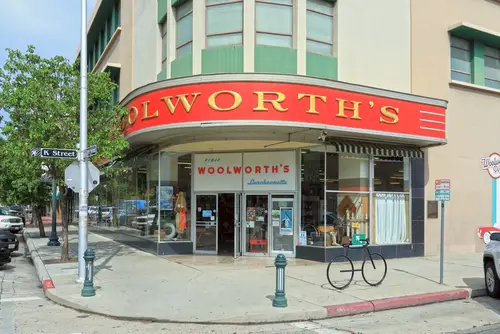
Woolworth’s was one of the original five-and-dime stores, a place where you could grab anything from candy to housewares. It was an institution in small towns and big cities alike, offering that nostalgic shopping experience that today’s big-box stores can’t replicate. The sense of discovery and affordability made it special, and shoppers loved the charm of browsing the aisles. If revived, Woolworth’s could ride the wave of retro retail enthusiasm and nostalgia-driven consumer trends.
Today, people crave experiences alongside their purchases, and a modern Woolworth’s could combine nostalgia with curated, Instagram-worthy displays. Vintage-inspired products and affordable everyday items could give it a unique niche in today’s market. The brand recognition alone would draw curiosity and foot traffic. With the right mix of modern tech and old-school charm, Woolworth’s could sell out its first line of relaunch merchandise instantly.
2. Pan Am
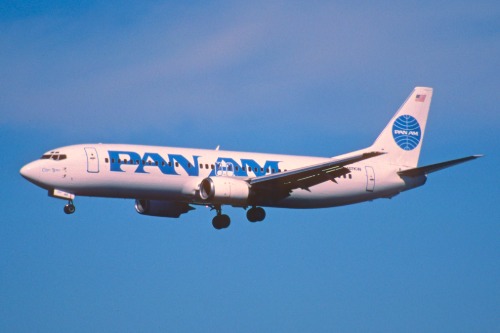
Pan Am was more than an airline; it was a symbol of the golden age of air travel. People remember the sleek uniforms, the iconic blue globe logo, and the idea that flying was glamorous rather than just functional. The brand carries a sense of adventure and luxury that’s missing in today’s airline industry. A relaunch could tap into that feeling of elevated travel experience that modern flyers often yearn for.
Imagine first-class cabins named after famous Pan Am routes, retro-branded luggage, and exclusive lounges. Travelers would pay a premium for that nostalgic glamour. Limited flights or collaboration with boutique travel agencies could make the brand feel exclusive and high-demand. Pan Am’s legendary status in pop culture could turn any revival into an instant hit.
3. Atari
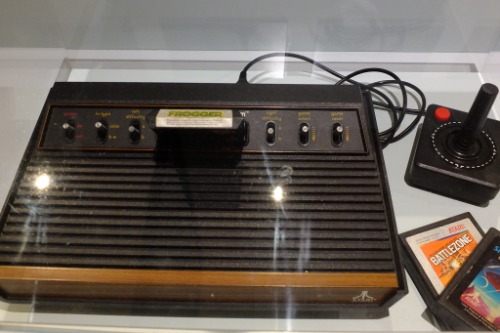
Atari practically defined home gaming in the ’70s and ’80s. The company created classics like Pong and Asteroids, and the brand evokes memories of arcades, joystick controllers, and pixelated fun. Retro gaming has exploded in popularity, with collectors and millennials seeking tangible nostalgia. A revived Atari console or mini-arcade could immediately attract both older fans and younger gamers discovering retro culture.
Even limited edition releases of classic games on modern platforms would create buzz. The aesthetic—bright colors, chunky controllers, and arcade-style logos—is already trending in pop culture. Pop-up Atari gaming lounges in urban areas could become social media sensations. Atari’s blend of nostalgia and cool factor makes it a natural candidate for a sell-out revival.
4. Tupperware Parties
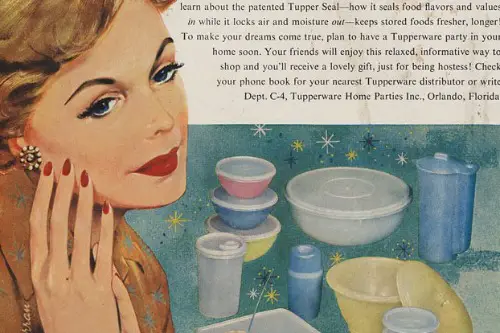
Tupperware wasn’t just about containers; it was about community, connection, and the joy of hosting. In the ’50s and ’60s, Tupperware parties were a cultural phenomenon where friends gathered to socialize while discovering useful household products. Today, people are looking for meaningful experiences that combine fun with shopping. Relaunching Tupperware in a modern, experiential way could tap into that desire.
Think interactive pop-up events or online “party” experiences where influencers host product demos. Eco-friendly updates to the classic products would resonate with today’s sustainability-conscious buyers. Limited edition colors and collaborations could create a sense of urgency. The combination of nostalgia, social connection, and practical utility could make Tupperware parties a viral success.
5. Pontiac
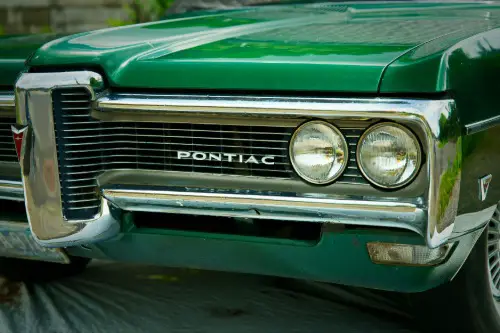
Pontiac was GM’s performance-oriented car brand, known for iconic models like the GTO and Firebird. Car enthusiasts loved its blend of style, speed, and American muscle heritage. With the rise of electric vehicles, a retro-modern Pontiac EV could merge classic design with futuristic technology. Auto fans are always looking for that mix of nostalgia and innovation, and Pontiac fits that bill perfectly.
A revival could focus on limited runs of high-performance electric cars with sleek, retro styling cues. Special editions could reference famous models from the ’60s and ’70s. The brand has passionate former fans who would jump at a chance to own a piece of automotive history. Pontiac’s legacy as a symbol of American driving excitement could generate immediate buzz.
6. Hostess CupCakes
Hostess CupCakes were the ultimate treat for generations, known for their iconic swirl and surprise cream filling. They disappeared from many shelves during the brand’s financial troubles, leaving a gap in the snack aisle that nostalgia lovers still notice. Limited edition revivals of the classic cupcake would immediately sell out due to the emotional connection. People love comfort food that reminds them of childhood, and these cupcakes deliver exactly that.
Marketing could lean into retro packaging and collaborations with popular influencers. Social media buzz would skyrocket if the original flavors returned. Seasonal or collector’s edition boxes could make them feel exclusive. The combination of nostalgia and indulgence would create a perfect storm for instant sales.
7. Crystal Pepsi
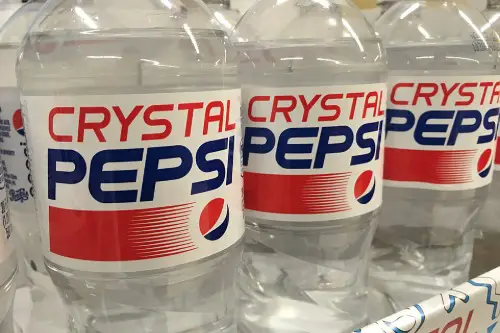
Crystal Pepsi, the clear cola from the early ’90s, was a quirky experiment that captured pop culture attention. Its novelty alone made it memorable, and it has maintained a cult following over the decades. Limited-time revivals in recent years have sold out quickly, proving people love both the taste and the nostalgia factor. The brand embodies a fun, carefree era in American consumer culture.
A permanent return could lean into retro packaging with modern tweaks for flavor. Marketing could emphasize nostalgia while tapping into Gen Z’s love of retro trends. Collaborations with cafes or viral campaigns could create scarcity-driven hype. Crystal Pepsi’s weird but beloved legacy makes it a natural sell-out candidate.
8. Oldsmobile
Oldsmobile was one of America’s oldest car brands, blending innovation and style for over a century. Known for models like the Cutlass, it was synonymous with reliability and prestige. With EVs reshaping the auto market, a revived Oldsmobile could combine classic elegance with modern sustainability. The brand has deep roots, and nostalgia could drive initial sales in the collector and retro-car markets.
A modern Oldsmobile could feature updated classics with futuristic tech. Special editions celebrating its past would excite auto enthusiasts. Limited production runs would create urgency. Oldsmobile’s history of craftsmanship and style makes it a brand people would line up for today.
9. Panini America
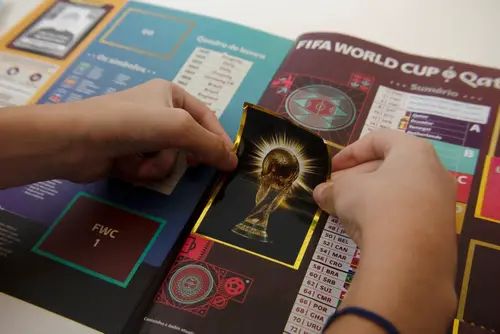
Before digital collectibles, Panini stickers were the ultimate obsession for sports fans. They offered a tactile, collectible experience that digital apps can’t fully replicate. Bringing back Panini stickers with modern sports or pop culture themes would instantly appeal to collectors. Nostalgia alone would make fans eager to snag the latest releases.
Special edition sets tied to major events could sell out in days. Collaborations with influencers or limited edition designs could drive hype. Fans of retro collectibles love the thrill of completing a set. Panini’s mix of community, collection, and fun makes it ripe for revival.
10. American Girl Historical Dolls
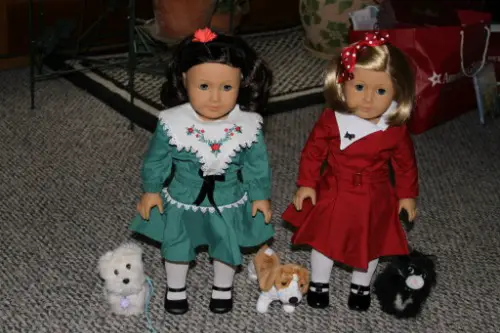
American Girl dolls weren’t just toys; they were a storytelling experience, connecting kids with history. Each doll came with a detailed backstory, teaching lessons about resilience and culture. The brand’s emphasis on education and storytelling would resonate in today’s socially conscious market. Nostalgia for these dolls is strong among millennials who grew up with them.
A revival could include updated dolls reflecting modern diversity alongside classic favorites. Limited editions could encourage collectors to act fast. Storybooks and interactive apps could expand the experience. American Girl’s combination of history, storytelling, and collectibility makes it instantly marketable.
11. Slinky
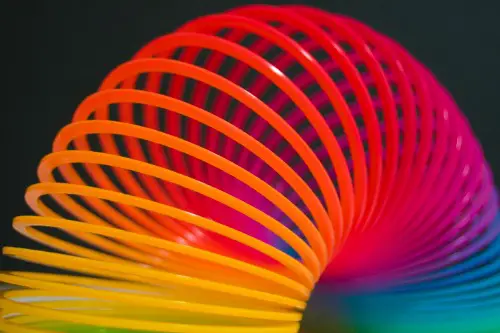
The Slinky is one of those timeless toys that defined childhood for generations. It’s simple, mesmerizing, and endlessly entertaining, which makes it a perfect candidate for a modern revival. Retro packaging and influencer-driven campaigns could make it a viral sensation again. The toy’s iconic status in American pop culture is unmatched.
Special editions or glow-in-the-dark versions would add excitement. Pairing the toy with interactive online challenges could drive engagement. Schools and STEM programs could embrace it as a learning tool. Slinky’s charm and versatility make it an instant sell-out item.
12. Jell-O Pudding Pops
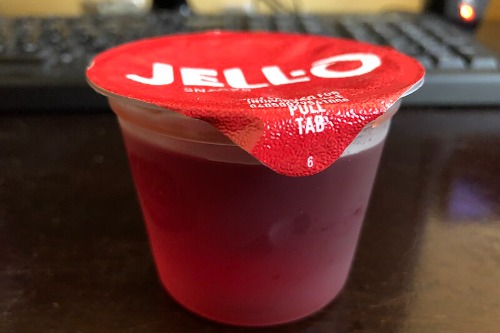
Jell-O Pudding Pops were the ultimate frozen treat in the ’80s, combining nostalgia and convenience. People loved the creamy, portable snack that made dessert fun and playful. Ice cream and frozen treats are still huge sellers, and nostalgia-driven products do especially well. A relaunch could immediately capture attention from both adults remembering childhood and new fans.
Limited flavors and retro packaging would generate buzz. Collaborations with popular food brands could drive demand. Seasonal releases could make them collectible. Jell-O Pudding Pops combine indulgence and nostalgia for a perfect marketing win.
13. Fisher-Price Record Players
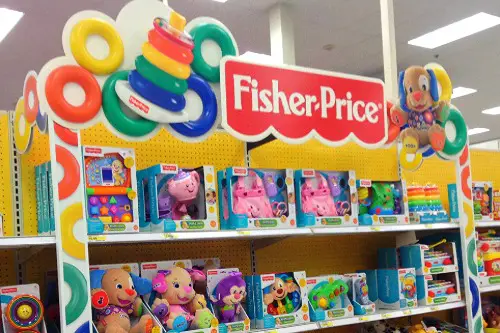
Fisher-Price made record players that introduced kids to music in a fun, safe way. With vinyl making a massive comeback, these retro-inspired players could be a perfect intersection of nostalgia and modern trends. Adults who grew up with them would love to collect and gift them. Kids today would find them charming and educational.
Adding colorful designs and modern audio features could appeal to a broad audience. Limited edition releases could increase desirability. Partnering with vinyl labels for exclusive records would boost appeal. The mix of childhood nostalgia and current music trends makes this a guaranteed sell-out.
14. Polaroid Cameras
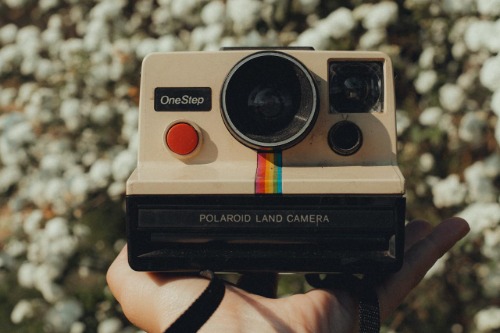
Polaroid cameras defined instant photography and made memories tangible. Even with smartphones, people crave the tactile experience of instant prints. Retro-styled Polaroid cameras with modern tech updates would appeal to both creatives and casual users. Nostalgia for the brand is intense, and demand would skyrocket immediately.
Collaborations with artists or influencers could create collectible editions. Vintage-inspired packaging would amplify the retro appeal. Special features like color filters or themed frames could generate excitement. Polaroid’s iconic status ensures any revival would fly off the shelves.
15. Blockbuster
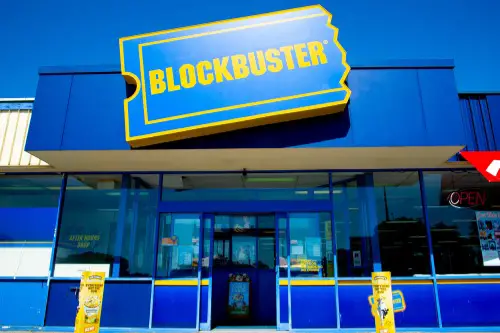
Blockbuster wasn’t just a movie rental store—it was a weekend ritual. Families and friends made entire nights out of browsing aisles lined with tapes and popcorn deals. The blue-and-yellow branding became an icon of American leisure and community. In a world where streaming dominates, that shared excitement of choosing a movie together feels like a lost art.
A modern revival could blend nostalgia with new technology, offering retro-inspired viewing lounges and collectible rentals. Think curated physical media boxes, limited-edition VHS releases, and exclusive screenings of cult classics. The experience of “going to Blockbuster” could become an event again, not just an errand. The emotional pull of the brand alone would guarantee lines around the block.
16. RadioShack

RadioShack was once the go-to destination for every tinkerer, hobbyist, and gadget lover in America. It represented curiosity, innovation, and the do-it-yourself spirit long before “maker culture” had a name. People remember the smell of solder and the thrill of discovering some new gadget or part. The brand’s fall left a hole in the heart of tech enthusiasts everywhere.
Reimagined as a creative hub for makers and tech explorers, RadioShack could thrive again. Workshops, 3D printing labs, and DIY kits could replace dusty shelves and outdated gadgets. It could merge retro branding with modern innovation, capturing both nostalgia and curiosity. The return of RadioShack would sell out memberships and maker gear overnight.
17. Toys “R” Us
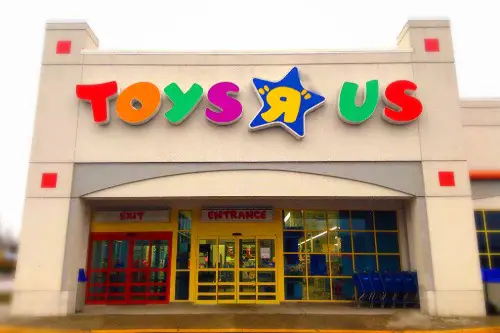
For decades, Toys “R” Us was every kid’s dream and every parent’s favorite bribe. The sprawling aisles and Geoffrey the Giraffe created memories that defined childhood. Shopping there was about the joy of discovery, not just buying a toy. Its closure left a nostalgic void that the internet can’t fill.
A revival could fuse that magic with modern family experiences, featuring interactive play zones and nostalgic toy displays for adults. Limited-edition reissues of classic toys could create instant collector hype. Events like “retro toy nights” or “family play weekends” would draw crowds. Toys “R” Us could easily reclaim its crown as the ultimate destination for fun.
18. Borders
Borders was more than a bookstore—it was a cozy refuge for readers, music lovers, and dreamers. Its coffee-scented aisles and quiet corners created a sense of comfort that digital reading can’t replace. People didn’t just shop there; they lingered, browsed, and connected. That atmosphere is something consumers crave again in today’s fast-paced world.
A revived Borders could lean into that nostalgia while offering modern touches like author meetups and digital-literature lounges. Limited-edition book clubs and retro-style membership perks would add exclusivity. The mix of coffeehouse comfort and cultural community could make it thrive. Borders’ warm, welcoming vibe would make its return an instant hit.
19. Sharper Image
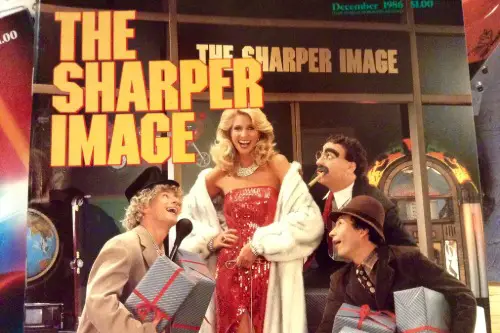
Sharper Image was once the ultimate destination for futuristic gadgets and sleek innovation. Walking into the store felt like stepping into tomorrow—massagers, flying alarm clocks, and tech that nobody really needed but everyone wanted. It captured the imagination of gadget lovers across America. The brand embodied luxury and curiosity all at once.
A modern comeback could center around smart home devices, wellness tech, and retro-inspired gadgets. Nostalgic shoppers would be drawn in by its classic aesthetic, while tech enthusiasts would come for the innovation. Online exclusives and experiential pop-ups could add excitement. Sharper Image could easily reclaim its status as the go-to brand for stylish technology.
20. KB Toys
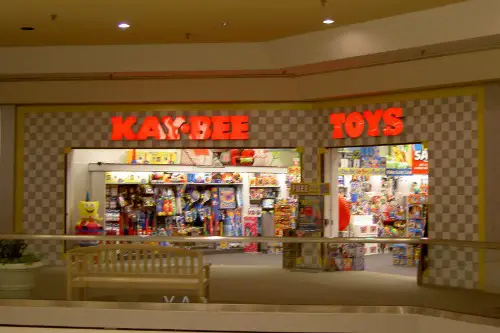
KB Toys brought energy and excitement to shopping malls across America. Its compact stores were bursting with colorful toys, games, and impulse buys that delighted kids. The red-and-blue branding and chaotic joy of its aisles are burned into many childhood memories. When it disappeared, mall culture lost one of its brightest sparks.
Reviving KB Toys as a pop-up retail brand could ignite that magic again. Holiday-exclusive stores and nostalgia-driven marketing would drive instant demand. Collaborations with retro toy makers and influencers could create viral buzz. The joy of discovering toys in person again would guarantee sellouts during every season.
21. Howard Johnson’s
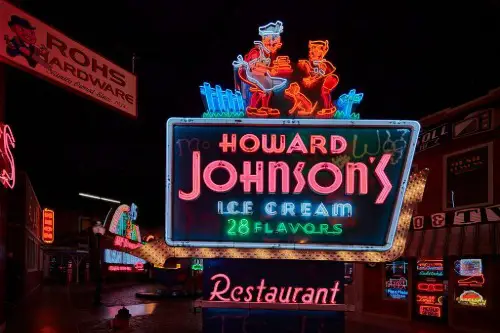
Howard Johnson’s was once America’s most recognizable roadside brand, known for its orange roofs and 28 flavors of ice cream. It was a symbol of travel, comfort, and classic Americana. Families on road trips made it a tradition to stop for a meal or a night’s stay. Its decline marked the end of an era of wholesome, simple hospitality.
A revival could reinvent the brand as a retro-modern diner-hotel chain celebrating mid-century charm. Picture neon signs, milkshakes, and revamped comfort food menus for nostalgic travelers. Boutique-style motels with vintage decor could blend nostalgia with Instagram appeal. The name alone would draw curious guests, and the experience would keep them coming back.
22. Circuit City
Circuit City was once a powerhouse in electronics retail, offering everything from stereos to early home computers. Customers loved the hands-on browsing experience and knowledgeable staff who could actually explain the gadgets they were selling. Its bright red branding became synonymous with tech excitement during the rise of home entertainment systems. Reviving Circuit City today could tap into the growing desire for curated, in-person tech experiences.
A modern reboot could focus on interactive demo zones where shoppers can test smart home devices, gaming systems, and audio gear. Limited-edition tech drops and nostalgia-themed events would draw crowds. The brand could even pair classic Circuit City aesthetics with modern digital membership perks. With the right blend of retro energy and cutting-edge products, a comeback would sell out its grand-opening inventory immediately.
23. The Limited
The Limited was a staple of American malls, offering stylish clothing that balanced affordability and polish. It defined a certain era of workplace fashion, especially for young professionals in the ’80s and ’90s. Many shoppers still remember its sleek branding and approachable sophistication. Bringing it back would satisfy a growing hunger for classic mall-culture nostalgia.
A revived Limited could merge retro silhouettes with modern fits and sustainable materials. Capsule collections inspired by vintage officewear trends could create instant hype. Influencer-backed launches and mall pop-ups would amplify demand. The Limited’s reputation for accessible style would help it dominate the revival fashion market.
24. Chi-Chi’s
Chi-Chi’s was once known for festive Tex-Mex dining, lively décor, and its famous fried ice cream. Families and friends flocked there for birthday dinners and margarita nights, making it a go-to celebration spot. The brand represented an era when sit-down chain restaurants were truly an experience. Reviving Chi-Chi’s could bring back that sense of fun and flavorful indulgence.
A comeback could focus on bold nostalgia-themed interiors and revamped versions of its classic dishes. Limited-time menu throwbacks could drive social media buzz. Pop-up restaurants and food truck collaborations would create scarcity and excitement. With Americans craving experiential dining again, Chi-Chi’s would quickly book out reservations.
25. Myspace
Myspace wasn’t just a social network—it was the first digital place where people truly customized their online identities. The top-eight friends list, profile songs, and glittery backgrounds made it uniquely personal. It defined early internet culture and gave users creative control that modern platforms rarely offer. A revival could capitalize on the demand for more expressive, less algorithm-driven social spaces.
A modern Myspace could bring back profile customization with contemporary design tools and privacy-focused features. Creators could use it as a throwback-friendly hub for music, art, and community building. Limited-access beta invites would generate immediate buzz. Nostalgia for early social networking would ensure signups surged from day one.
This post 25 Lost American Brands That Would Sell Out Instantly If Revived Today was first published on American Charm.

