
1. Tailgating Before Sporting Events
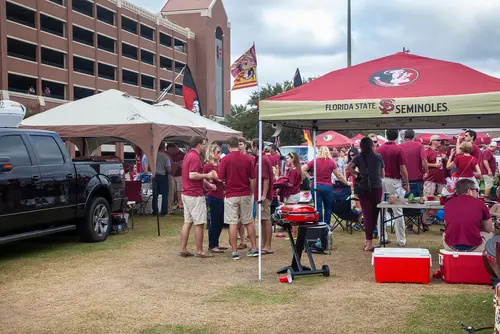
Tailgating is the tradition of gathering in a stadium parking lot hours before a game to grill food, drink, and socialize. Fans set up tents, portable grills, and even TVs to watch pre-game coverage. It’s as much about the community as the sport itself. Entire families and friend groups treat it as a ritual.
To outsiders, the idea of celebrating in a parking lot might sound odd. But for Americans, tailgating is part of the sporting experience, especially for football. It creates a sense of belonging and builds excitement before the game. Some fans even admit they prefer tailgating to the event itself.
2. Leaving Big Tips at Restaurants

In the U.S., tipping is not optional—it’s expected. Standard practice is around 15–20% of the bill, which can shock visitors from countries where service charges are included. The reason for this goes back to how servers are paid; federal law allows their base pay to be as low as $2.13 an hour. The system is built on the assumption that tips will make up the difference.
For Americans, tipping feels like part of the dining ritual. People often calculate it without even thinking twice. But for someone visiting, being handed the check without the service already included can feel confusing or even stressful. Still, locals see tipping as both etiquette and fairness to workers.
3. Celebrating Thanksgiving with Turkey

Thanksgiving is one of the most distinctly American holidays. Every year on the fourth Thursday of November, families gather for a huge meal, and the centerpiece is almost always a roasted turkey. This ties back to early colonial traditions and has become a symbol of abundance and gratitude. Even people who don’t normally cook will find themselves prepping stuffing, cranberry sauce, and pumpkin pie.
The day isn’t just about food—it’s about pausing to give thanks. Schools, workplaces, and even major businesses shut down for it, making it a collective pause. For newcomers, it can feel odd to center so much around a bird, but to Americans, it’s tradition at its finest. It’s hard to overstate how deeply this custom runs across the country.
4. Pledging Allegiance in School
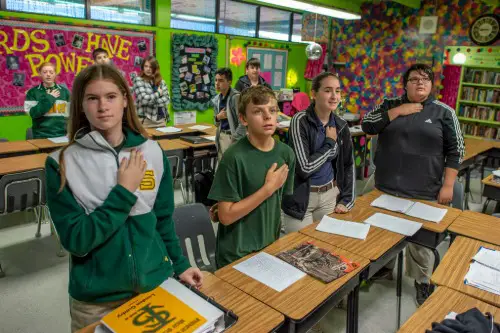
In most American schools, students stand every morning, face the flag, and recite the Pledge of Allegiance. This daily ritual dates back to the late 19th century as a way to promote national unity. While participation isn’t legally required, it’s still common in classrooms nationwide. For kids, it often becomes just another part of the school day routine.
To outsiders, it can seem overly formal or even intense. The idea of starting each day with a pledge to a flag feels foreign in many cultures. But in the U.S., it’s framed as an expression of shared identity. Whether kids think about it or not, the pledge is a marker of American civic culture.
5. Using Red Solo Cups at Parties
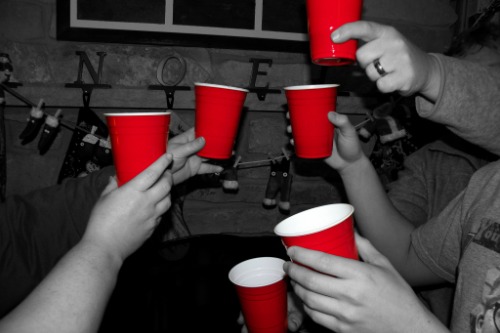
The red plastic cup is practically a symbol of American college life. They’re used at backyard barbecues, tailgates, and house parties all over the country. Their popularity comes down to being cheap, disposable, and easy to stack. The bright red color also hides stains and makes them instantly recognizable.
For many Americans, just seeing a red Solo cup evokes memories of casual gatherings. They’ve even become pop culture icons in movies and songs. To a visitor, they may seem like just another disposable cup, but in the U.S. they’re loaded with social meaning. They represent fun, youth, and a very specific slice of American culture.
6. Calling Soft Drinks by Different Names
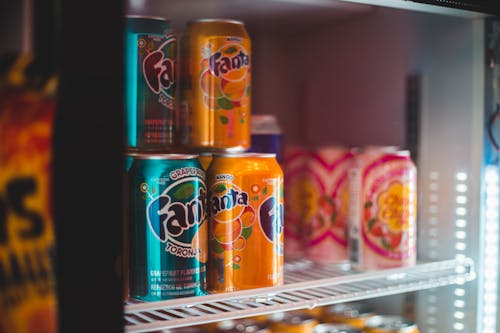
Depending on where you are in the U.S., ordering a carbonated drink might mean saying “soda,” “pop,” or even just “Coke.” This regional quirk confuses people who expect one standard term. In the South, for example, “Coke” can mean any kind of soft drink, even if you’re asking for a Sprite. It’s a linguistic patchwork that reflects America’s regional diversity.
For locals, this isn’t confusing at all—it’s just how people talk. But if you’re not from around there, you might be surprised when someone asks “What kind of Coke do you want?” and offers you a Pepsi. These small language differences highlight how varied the country can be. It’s part of what makes American English so distinct.
7. Wearing Shoes Inside the House
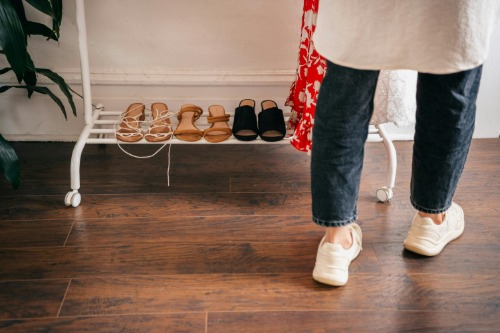
In many cultures, it’s standard to remove your shoes at the door. In the U.S., however, plenty of households are fine with keeping shoes on indoors. This often surprises visitors who expect a strict no-shoes rule. For Americans, it’s about convenience and habit more than hygiene.
That said, practices vary by region and household. Some families, especially in colder climates, do prefer shoes off to avoid tracking in snow or mud. But overall, the sight of people lounging on the couch with shoes on is uniquely American. It’s one of those small customs that says a lot about daily life.
8. Saying “Bless You” After a Sneeze

In the U.S., it’s practically automatic to say “bless you” when someone sneezes. Most people don’t even think about why they’re saying it, it’s just a reflex. The custom traces back to old superstitions and health concerns, but today it’s more about politeness. If you don’t say it, people might think you’re being rude, even though the sneezer isn’t expecting an actual blessing.
What’s interesting is how ingrained it is in social settings. You could be in a classroom, at work, or even in a crowded subway car and someone will still toss out a quick “bless you.” It doesn’t matter if you know the person or not, it’s just the “done thing.” Outsiders sometimes find this strange since not every culture comments on sneezing at all.
9. Big High School Proms

Prom is a huge deal in American high schools, often treated like a mini wedding. Students spend weeks planning outfits, renting limos, and choosing after-parties. The tradition goes back to the early 20th century, evolving into a full-blown rite of passage. For many teens, it marks the symbolic end of high school life.
Visitors might be surprised by how elaborate prom night can be. Parents often get deeply involved, from photoshoots to corsage-buying. It’s not just a dance—it’s a cultural milestone. While not every student attends, the hype around it is unmistakably American.
10. Ice in Every Drink
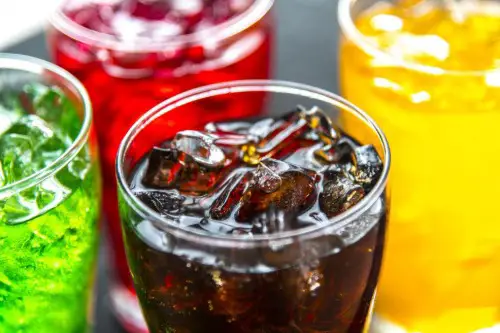
If you order a drink in the U.S., expect a glass packed with ice. Americans love their beverages ice-cold, often filling half the cup before adding soda or water. This practice can be surprising to visitors from countries where drinks are served room temperature or lightly chilled. It reflects a cultural preference for extreme refreshment.
To Americans, a drink without ice feels incomplete. Fast food chains, diners, and even upscale restaurants all follow this custom. It’s so normalized that travelers sometimes ask for “no ice” and still get a few cubes by default. It’s a small detail, but it makes a big impression on visitors.
11. Drive-Thru Everything
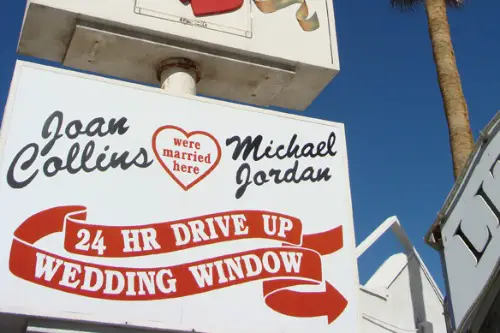
The U.S. is known for its car culture, and drive-thrus are a perfect example. Beyond fast food, you can find drive-thru banks, pharmacies, and even wedding chapels. The convenience factor is huge, especially in suburban and rural areas. People love being able to get things done without leaving their car.
For many outsiders, this level of convenience seems almost excessive. But in a country with wide highways and large distances, it makes sense. The drive-thru has become an everyday habit for many Americans. It’s not just about food—it’s about speed and ease.
12. Black Friday Shopping Frenzy

The day after Thanksgiving, Americans swarm stores for massive sales known as Black Friday. Shoppers line up early in the morning, sometimes even camping overnight. The tradition dates back decades, fueled by retailers offering steep discounts. It has since grown into a nationwide shopping ritual.
To non-Americans, the chaos of stampedes and long lines can look extreme. But for locals, it’s part of the holiday season kickoff. Many families even treat it like an event, shopping together after Thanksgiving dinner. Love it or hate it, it’s a uniquely American spectacle.
13. Saying “How Are You?” Without Expecting an Answer
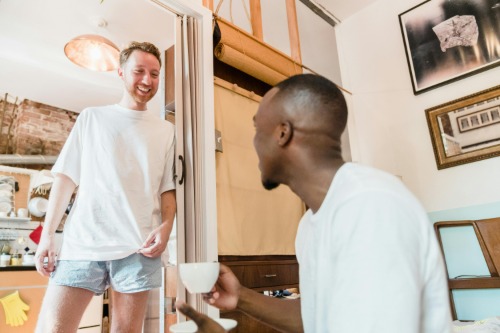
In the U.S., “How are you?” is often just another way of saying hello. It’s a social script, not a literal question. People usually expect a quick “Good, thanks” rather than a detailed answer. For visitors, this can feel insincere or confusing.
Americans use it as a polite opener in conversations, whether with friends, coworkers, or strangers. It smooths interactions and sets a friendly tone. The tricky part for outsiders is realizing it’s not always an invitation to share feelings. It’s one of those cultural habits that only makes sense once you’ve grown up with it.
14. College Sports Rivalries
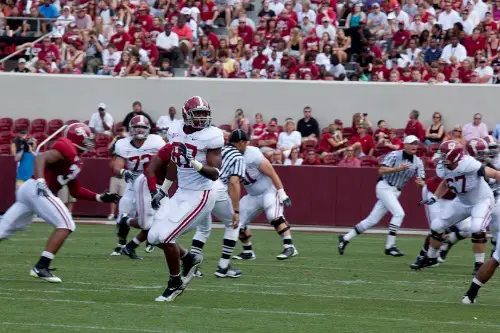
College sports in the U.S. are more than just games—they’re cultural events. Entire towns rally around their local universities, and rivalries can run so deep that they shape friendships and even family gatherings. Football and basketball in particular draw massive crowds, sometimes filling stadiums larger than professional venues. The passion is tied to school pride, traditions, and decades-old matchups.
For outsiders, it might be hard to understand why a college game could matter so much. But in many regions, these schools represent community identity as much as academics. Alumni return for games year after year, and students treat them as unforgettable milestones. The intensity rivals professional sports, which makes it a uniquely American phenomenon.
15. Halloween Trick-or-Treating
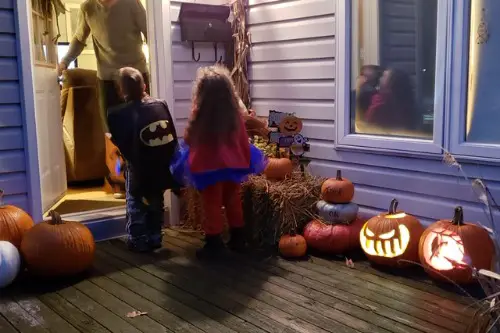
Every October 31st, kids across America dress up in costumes and go door-to-door asking for candy. Neighbors decorate their houses with pumpkins, cobwebs, and spooky lights to welcome them. The tradition mixes community bonding with playful scares, turning entire neighborhoods into temporary festival grounds. It’s a holiday that blends fun, sugar, and just a touch of fright.
For visitors, the idea of strangers giving kids candy may seem odd or even unsafe. But in the U.S., Halloween night is seen as safe, family-friendly, and almost sacred for kids. Parents often walk with younger children, while older ones roam in groups. The whole event reinforces trust and community spirit in a way that feels very local.
16. Free Refills at Restaurants
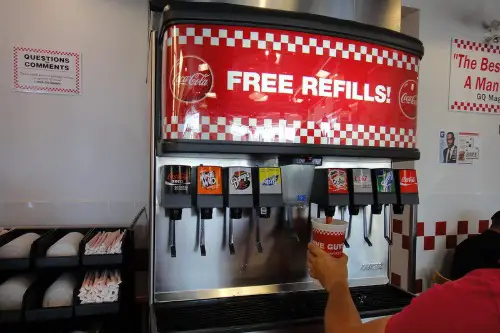
In most American restaurants, ordering a soda means you’ll get unlimited refills at no extra charge. Servers will often top up your drink without asking, and people hardly think twice about it. This practice is so common that visitors are shocked when they realize the price covers endless beverages. It’s an expectation baked into the dining culture.
Outside the U.S., free refills are rare or nonexistent. Guests from abroad may feel like they’re taking advantage, but locals see it as normal hospitality. The idea of paying for every individual glass feels strange once you’re used to American refills. It’s a small perk that speaks to the culture of abundance.
17. Obsession with Peanut Butter
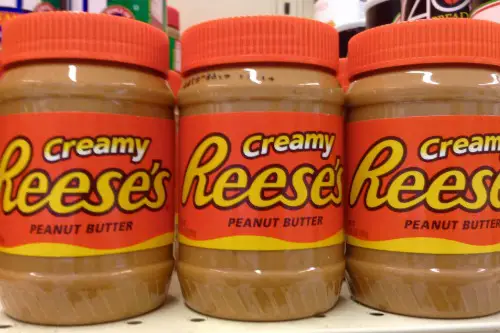
Peanut butter is a staple in nearly every American kitchen. Kids grow up eating peanut butter and jelly sandwiches, and adults find ways to work it into snacks, desserts, and even savory dishes. Grocery stores devote entire shelves to different brands and styles, from crunchy to creamy. For many, it’s not just food—it’s comfort.
Visitors often notice how central peanut butter is in daily life compared to other countries. Some even find it surprising how passionately Americans defend their preferred brand. It’s so ingrained that it feels almost unthinkable to grow up without it. For Americans, peanut butter is less of a trend and more of a cultural anchor.
18. Standing for the National Anthem
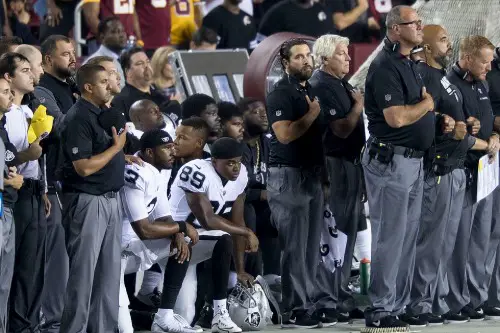
Before major sporting events, Americans stand, remove hats, and listen to the national anthem. This ritual is treated with a mix of respect and tradition, often accompanied by displays of flags or flyovers by military jets. For many fans, it sets a serious tone before the fun of the game begins. It’s both patriotic and ceremonial.
To outsiders, the solemnity before a casual sporting match can seem excessive. But for Americans, it reinforces a shared sense of identity and pride. It’s common to see people sing along or put their hands over their hearts without hesitation. The anthem has become an inseparable part of public gatherings.
19. Driveway and Garage Sales
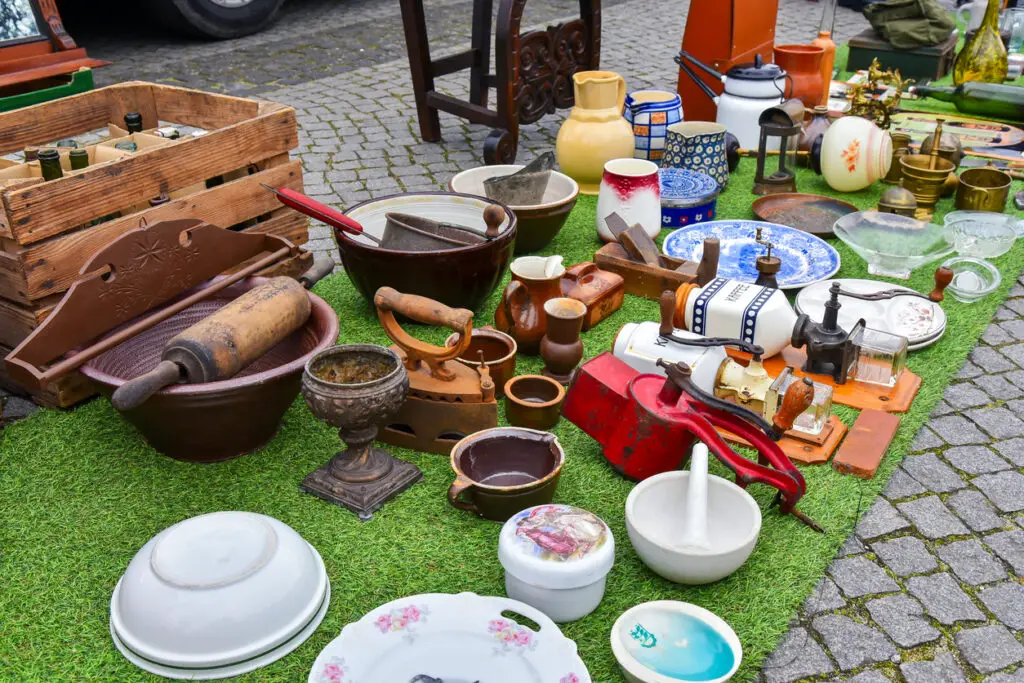
In neighborhoods across the U.S., families set up tables in their driveways to sell used items. Clothes, toys, books, and furniture are laid out, often marked with handwritten price tags. These sales are casual events but can attract a steady stream of bargain hunters. For many, it’s as much about clearing space as making money.
For visitors, the idea of selling personal items on your lawn might feel unusual. But in America, garage sales are woven into suburban culture. They create opportunities for neighbors to connect and for people to recycle their belongings. It’s a grassroots form of commerce that feels both personal and local.
20. Sweet Breakfast Foods
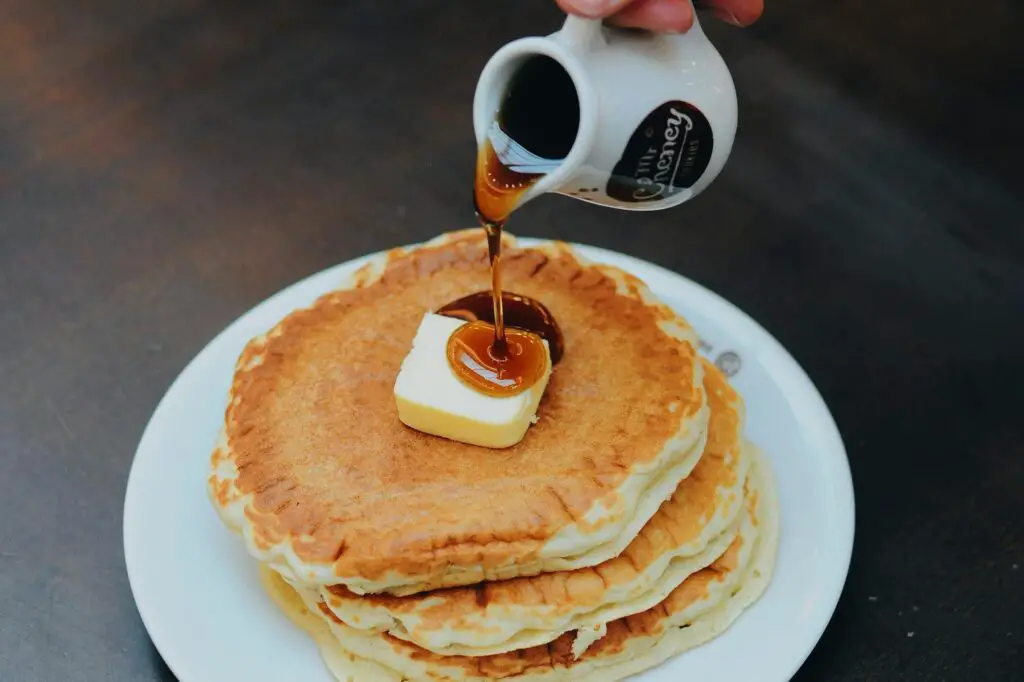
In the U.S., breakfast often means pancakes, waffles, cinnamon rolls, or cereal loaded with sugar. Even staples like bacon and syrup-coated pancakes lean heavily into sweetness. Diners serve towering stacks with whipped cream and fruit, making the first meal of the day feel like dessert. This approach to breakfast is distinctly American.
For outsiders, the sheer sugar content at breakfast can be surprising. Many cultures emphasize savory foods to start the day, but Americans embrace indulgence. Coffee, orange juice, and sweet pastries form a morning ritual that feels both comforting and energizing. It’s a reflection of the country’s taste for bold flavors.
21. Cheerleaders at Games
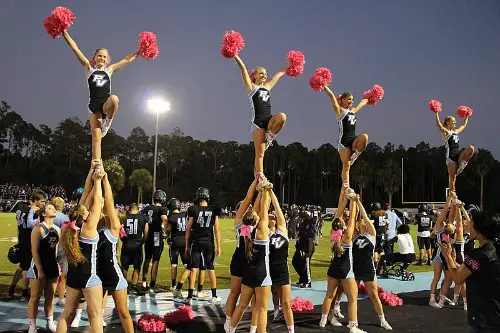
Cheerleading is a uniquely American institution tied closely to school sports. Teams of students perform chants, stunts, and dances to energize the crowd and support the athletes. It’s not just entertainment—it’s considered part of the game-day experience. At the high school and college level, cheer squads are symbols of school pride.
For visitors, the mix of athleticism, performance, and school spirit can be surprising. Cheerleading has its own competitions and culture, separate from the sports they cheer for. The uniforms, chants, and routines have become instantly recognizable symbols of American youth culture. It’s a custom that blends sport, art, and tradition in a distinctly local way.
This post 21 Local Customs in the U.S. That Only Make Sense If You Grew Up Here was first published on American Charm.

