
1. East Lansing, Michigan
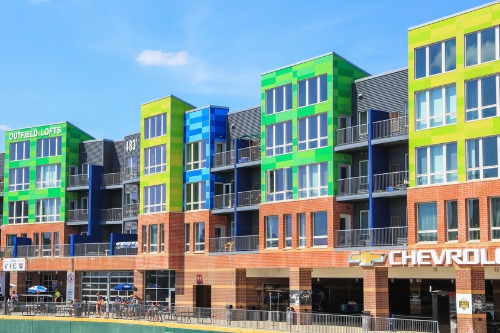
East Lansing stands out because its role as a college town doesn’t insulate it from financial stress — in fact, the presence of a large student population and service sector jobs often means many residents live paycheck to paycheck. Median incomes here are on the lower side while rents and everyday costs don’t drop proportionately, leaving working students and locals alike scraping by. Students in particular are juggling tuition, rent, and basic living costs on tight budgets, which amplifies the sense of financial fragility. Local businesses are plentiful, but many of the jobs they offer don’t provide enough hours or wages to lift workers out of paycheck‑to‑paycheck living.
That said, the university brings cultural and economic energy that makes the city lively and dynamic. Coffee shops, bars, and small restaurants provide both jobs and a sense of community, though they can’t fully offset the financial stress many face. For young residents, the city is a place of opportunity but also of tight margins. Balancing school, work, and life here often requires creative budgeting and support from family or friends.
2. New Brunswick, New Jersey
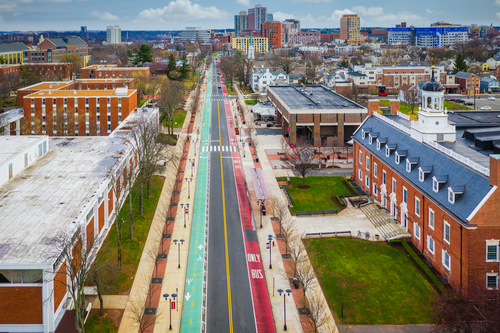
In New Brunswick, residents are often living paycheck to paycheck due to a combination of modest median household incomes and surprisingly high local costs, especially for housing and commuter expenses. As one of New Jersey’s most economically stressed cities relative to income, many households find themselves with minimal leftover savings by the end of the month. Long commute times and transportation costs add another layer of strain for workers who live in more affordable outskirts but work in pricier areas. Even when jobs are available, the pay doesn’t always stretch far enough to provide a financial cushion.
Yet New Brunswick is also a city with assets — a major university, hospitals, and cultural institutions that create jobs and community energy. For many young professionals and students, it’s a hub of opportunity, but that vibrancy also pushes up housing odds and ends up eating into monthly budgets. The paycheck‑to‑paycheck reality here speaks to the tightrope walk between opportunity and affordability in mid‑sized American cities.
3. East Saint Louis, Illinois
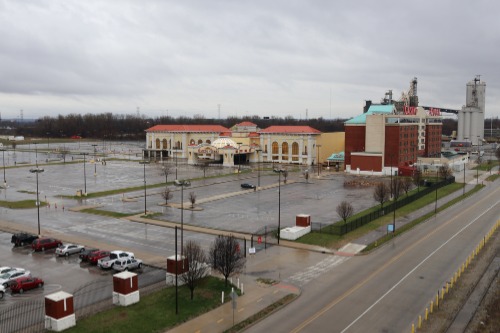
Life in East Saint Louis can feel like walking a financial tightrope, and that’s reflected in data showing it as one of the U.S. cities where residents are most likely to live paycheck to paycheck, with low median incomes barely covering basic expenses. The historical backdrop of industrial decline has left job opportunities limited and wages relatively stagnant, squeezing budgets for essentials like housing and transportation. In many households, there’s little to no margin after paying bills, meaning one unexpected expense can tip the scales into debt. This combination of low income and necessary spending leaves very little room for savings or flexibility.
Despite its challenges, East Saint Louis also has a strong community fabric where many neighbors rely on each other for support. Local organizations are often stepping in to help with food, housing, and job training programs. While it may not make national headlines like big coastal cities, the financial stress here mirrors the broader issue of paycheck‑to‑paycheck living in America. It’s a reminder that not all financial strain is tied to glamour or high cost of living — sometimes it’s rooted in economic shifts that leave communities behind.
4. Detroit, Michigan

Detroit’s struggles with economic recovery are well-documented, and a big part of that is reflected in how many residents live paycheck to paycheck. While certain neighborhoods are seeing growth, the city still has a large proportion of residents with incomes that barely cover rent, utilities, and transportation. Employment exists, but wages in many sectors haven’t kept pace with rising costs, leaving workers with little financial breathing room. This combination of stagnant wages and expensive necessities makes it a prime example of modern paycheck‑to‑paycheck life.
Detroit does have a resurgence story to tell, with new businesses, tech startups, and cultural initiatives bringing hope and jobs. However, for most families, the daily grind is still very real, with any unexpected expense threatening to destabilize their budget. Residents often rely on side gigs, government support, or community networks to make ends meet. The city’s dichotomy of growth and struggle highlights how paycheck‑to‑paycheck living can persist even amid visible revitalization.
5. Cleveland, Ohio
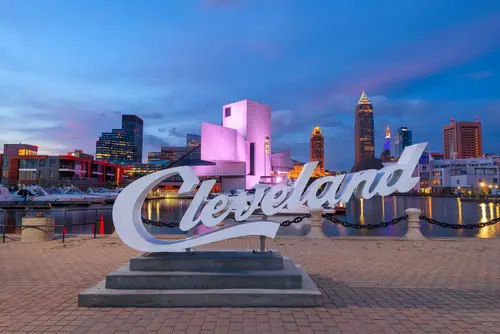
In Cleveland, many residents are trapped in a cycle of working multiple jobs to cover basic expenses, reflecting the city’s low median income relative to cost of living. Housing costs may be lower than in coastal cities, but wages haven’t risen enough to give people financial stability. Grocery bills, utility payments, and healthcare often consume most of monthly earnings, leaving minimal room for emergencies. This economic reality contributes to a widespread paycheck‑to‑paycheck lifestyle across much of the population.
Yet Cleveland also has strong community initiatives and a growing arts and food scene that attract younger professionals. While the city is gradually diversifying its economy, many working-class families still struggle to make ends meet. The paycheck‑to‑paycheck lifestyle here is a reminder that financial stress isn’t always tied to glitzy metropolitan living — it’s about the gap between wages and essential costs.
6. Baltimore, Maryland
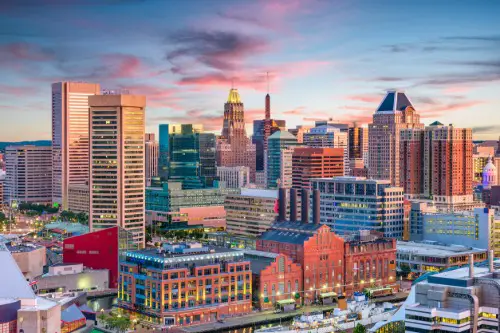
Baltimore’s residents face a mix of high living costs and stagnant wages, which makes paycheck-to-paycheck living common. Rent prices have risen faster than income growth, and transportation or childcare costs add extra pressure on monthly budgets. Many workers here have jobs that provide income but not enough stability to allow for significant savings. It’s a situation that forces families to make difficult choices each month just to stay afloat.
The city’s rich culture and history can’t erase these financial pressures, but they provide jobs in tourism, healthcare, and education. Yet, even these opportunities often come with wages that barely cover the basics. Community networks and local nonprofits are crucial for residents trying to bridge the gap between income and expenses. For many, paycheck-to-paycheck living is a daily reality rather than a temporary challenge.
7. Las Vegas, Nevada

Las Vegas is known for its entertainment and hospitality industry, but many of its workers live paycheck to paycheck despite the city’s bright lights. Service industry jobs often pay minimum wage or slightly above, and housing costs have climbed steadily over the last decade. Even with multiple jobs, residents struggle to save for emergencies or long-term financial goals. Seasonal fluctuations in employment can make this even more stressful for families relying on tips and hourly work.
On the flip side, the city draws thousands seeking opportunity in tourism, conventions, and casinos. The vibrant nightlife and entertainment scene fuel local economies, but wages often lag behind the rising cost of living. Residents must navigate both unpredictable work hours and high daily expenses, keeping the paycheck-to-paycheck pattern alive. Financial stability here is often more aspirational than achievable for many households.
8. Memphis, Tennessee

Memphis residents often face low wages relative to living expenses, which pushes many into a paycheck-to-paycheck lifestyle. The city has a strong industrial and shipping presence, but most of these jobs don’t provide enough income to create significant savings. Rent and utility costs consume a large portion of household budgets, leaving little room for extras. Many families live on tight margins, where an unexpected car repair or medical bill can cause major setbacks.
Despite these challenges, Memphis is a hub for culture, music, and commerce that provides employment opportunities. Local nonprofits, community organizations, and churches frequently step in to help with financial gaps. The reality is that living paycheck to paycheck is common even in a city with notable industry and history. Residents constantly balance opportunity with the reality of tight budgets.
9. Tampa, Florida
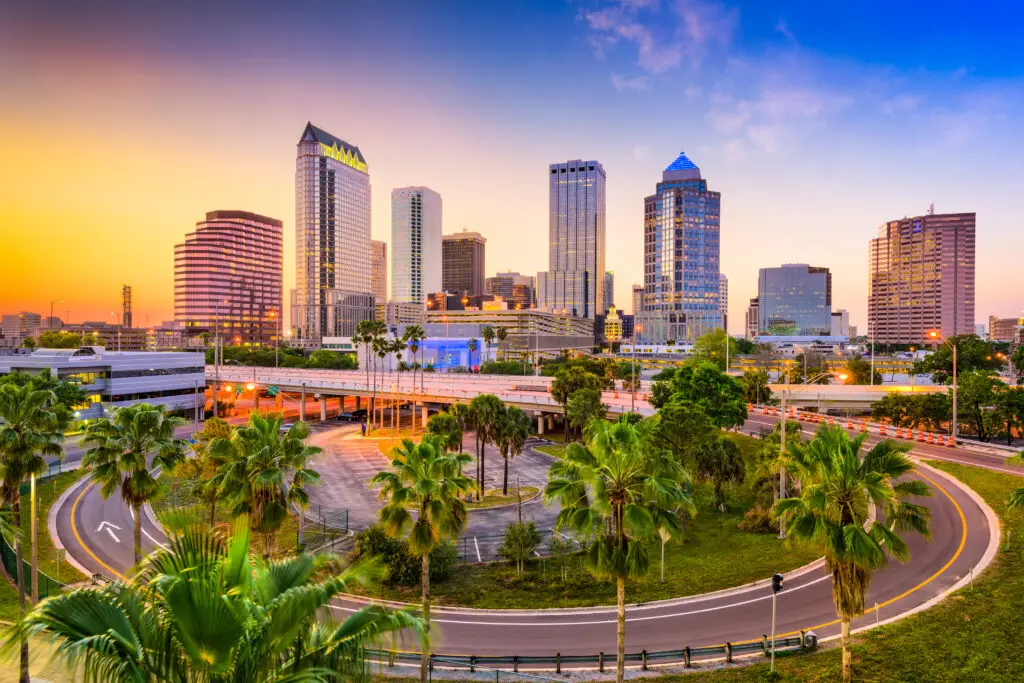
Tampa has been growing rapidly, but that growth hasn’t necessarily translated into financial ease for all residents. Wages in many service and hospitality roles remain relatively low, while rent and insurance costs rise steadily. Commuting costs can also strain household budgets, especially for workers living outside the city center. Many families end up living paycheck to paycheck despite the city’s booming economy in tourism and real estate.
The city’s sunny appeal and job market attract newcomers, but not all of them find a stable financial footing. Even skilled workers in healthcare or tech sometimes face high costs that offset income gains. Paycheck-to-paycheck living here reflects the tension between a growing city and the unequal distribution of wealth. It’s a reminder that opportunity doesn’t always equal financial security.
10. Kansas City, Missouri

Kansas City has a mix of affordable housing and growing job markets, but low median incomes still leave many residents living paycheck to paycheck. Even with relatively low costs compared to coastal cities, wages for entry-level and service jobs are often insufficient to cover unexpected expenses. Many families report limited ability to save after paying for housing, utilities, and transportation. This makes financial planning challenging, especially for those supporting children or elderly relatives.
The city’s arts scene, startups, and corporate presence provide employment opportunities, yet the paycheck-to-paycheck reality remains widespread. Residents rely heavily on community resources and budgeting strategies to navigate monthly expenses. Economic growth doesn’t automatically translate to household stability, highlighting the ongoing struggle for many working-class families. Kansas City exemplifies the balance between opportunity and living within very tight financial margins.
11. Philadelphia, Pennsylvania
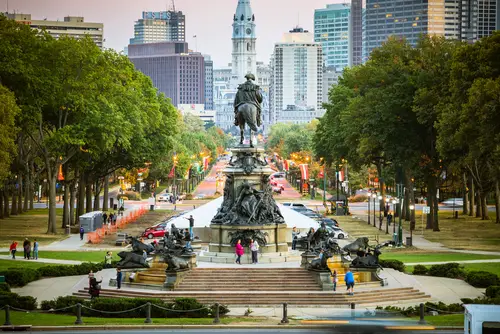
Philadelphia’s combination of high housing costs, urban living expenses, and stagnant wages keeps many residents living paycheck to paycheck. Even middle-income workers often find that a significant portion of their income goes toward rent, commuting, and utilities. Healthcare costs and student debt further limit discretionary spending. Many households are left with little room for emergencies or savings, creating persistent financial stress.
Philadelphia has strong cultural and educational institutions that offer jobs and opportunities, but the cost of living can outweigh the benefits. The paycheck-to-paycheck lifestyle here is widespread, affecting both younger professionals and long-term residents. Community programs, co-ops, and family networks are often relied upon to fill gaps. For many, daily financial management is about survival rather than growth.
12. Atlanta, Georgia

Atlanta’s booming job market in tech, media, and logistics masks the reality that many residents still live paycheck to paycheck. Housing prices have increased dramatically in recent years, outpacing wage growth for many service, retail, and entry-level jobs. Transportation costs are also significant, with long commutes common due to urban sprawl. Residents often struggle to save or invest, even while holding steady employment.
Despite the city’s growth and vibrancy, financial stress is part of everyday life for many families. Side gigs and multiple jobs are common as residents try to bridge the gap between income and expenses. Atlanta’s paycheck-to-paycheck reality underscores the tension between economic opportunity and affordability. It’s a city of promise, but that promise comes with a tight financial balancing act.
13. Orlando, Florida

Orlando is widely known for tourism and hospitality, but that reliance on service-sector jobs keeps many residents living paycheck to paycheck. Entry-level roles often pay minimum wage or slightly more, making it difficult to cover rent, groceries, and healthcare. Seasonal employment and fluctuating hours add instability for families trying to plan ahead. Many residents end up with little to no savings despite steady work.
The city does offer job opportunities and a warm climate, which attract newcomers seeking better prospects. Yet, the gap between earnings and living costs means financial fragility is common. Residents often lean on roommates, family, or community resources to make ends meet. Orlando highlights how a thriving tourism economy doesn’t always translate into financial security for the workforce.
14. Birmingham, Alabama
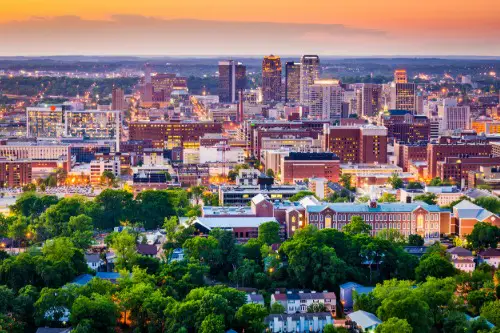
Birmingham residents experience paycheck-to-paycheck living due to a combination of low median wages and rising costs of essentials like housing and healthcare. While the city has a growing healthcare and finance sector, wages in many service and manufacturing jobs remain modest. Many households spend most of their income on necessities, leaving little room for saving or unexpected expenses. The reality of tight budgets affects families across demographics, making financial stress widespread.
Despite this, Birmingham has a vibrant culture, historic significance, and a growing business scene. Local nonprofits and community programs frequently step in to assist residents with financial challenges. The paycheck-to-paycheck lifestyle here demonstrates how economic growth doesn’t always reach everyone equally. It’s a city of opportunity tempered by the realities of tight finances for many residents.
This post Living Paycheck to Paycheck Is the New Norm in These 14 American Cities was first published on American Charm.

