
1. Memphis, Tennessee
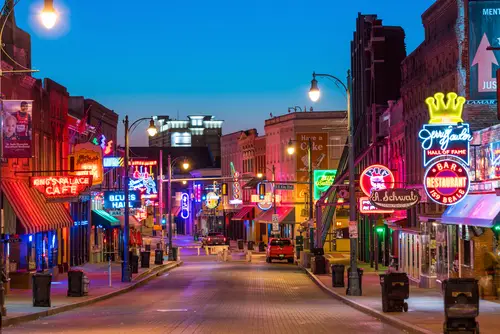
Memphis regularly ranks high in violent crime, especially aggravated assault and robbery, which keeps it on many “most dangerous” lists. The city’s mix of deep musical history and economic struggle creates a complicated environment for locals and visitors alike. Travelers quickly sense its vibrant culture, but also the need to stay aware, especially after dark. Even so, people continue to flock here for the blues, barbecue, and one-of-a-kind Southern atmosphere.
Memphis feels alive in a way few cities do, but that energy comes with unpredictable pockets of risk. Many neighborhoods outside the main tourist areas are known for higher crime rates. Staying in well-traveled districts is the best way to experience the city safely. There’s no denying the danger, but there’s also no denying the soul that keeps Memphis on the map.
2. Detroit, Michigan

Detroit’s long economic decline left behind abandoned buildings, reduced services, and higher crime rates, especially in certain neighborhoods. Visitors often notice the stark contrast between revitalized districts and neglected blocks only minutes apart. Crime remains a challenge, with violent offenses occurring more frequently than the national average. That said, Detroit’s creative resurgence continues to draw people curious about its comeback story.
The city’s grit and history make it fascinating, but wandering aimlessly isn’t recommended for newcomers. Some areas are safe and lively, while others can change quickly from day to night. Travelers who plan their routes and activities tend to have positive experiences. Detroit’s art, music, and food scenes are worth exploring — carefully.
3. Baltimore, Maryland
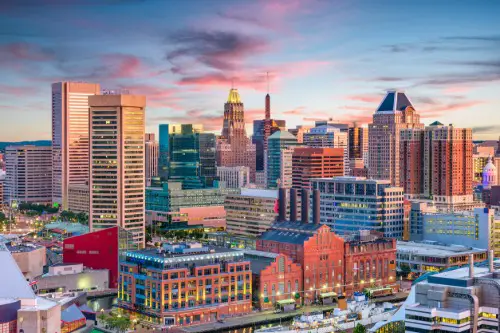
Baltimore’s struggles with violent crime, particularly shootings and drug-related incidents, keep it near the top of national danger rankings. The city’s rich maritime heritage and historic architecture are juxtaposed with neighborhoods that face long-term social and economic challenges. Visitors often remark on how beautiful and troubled Baltimore feels at the same time. It’s a place where safety can vary dramatically from block to block.
Tourists usually stick to areas like Inner Harbor, where crime is lower and attractions are concentrated. Venturing far outside those zones requires situational awareness and local knowledge. The city’s charm is real, but so are the risks that residents continually confront. Baltimore’s story is complex, marked by both perseverance and hardship.
4. St. Louis, Missouri

St. Louis routinely posts high rates of violent crime, with homicide and assault being particular concerns. Economic decline and concentrated poverty in certain districts contribute heavily to these numbers. Despite the challenges, the city is filled with iconic landmarks and a strong sense of identity. Visitors are drawn to its history even as they navigate areas that can feel unpredictable.
Parts of St. Louis offer fantastic museums, parks, and entertainment, but other neighborhoods require more caution. Crime isn’t evenly spread, making some districts far more dangerous than others. Travelers who stick to well-known areas generally feel comfortable. The city’s cultural significance continues to shine through its difficulties.
5. Bessemer, Alabama
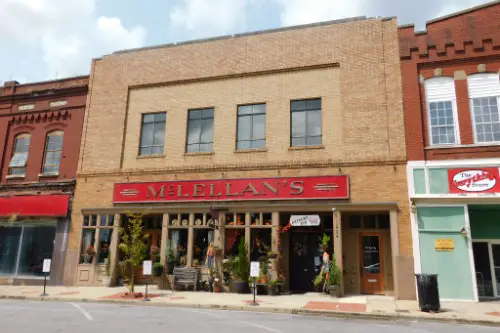
Bessemer is small, but its violent crime rate per capita is surprisingly high, especially for a community of its size. The town has grappled with economic downturns that have left lasting marks on public safety. Many visitors are unaware of Bessemer’s reputation, which can make the crime statistics all the more startling. Even so, the city has a long industrial history and a population committed to improvement.
Exploring Bessemer without preparation isn’t recommended, as crime tends to be concentrated near certain residential areas. Visitors who pass through typically stick to main roads and commercial zones. The community is working on revitalization efforts, but progress is uneven. Bessemer’s challenges are real, yet people continue pushing toward a better future.
6. Birmingham, Alabama
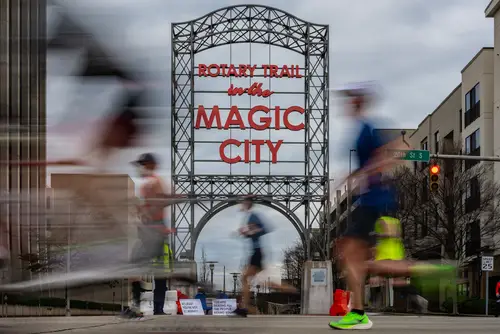
Birmingham has struggled with elevated violent and property crime, earning it a frequent place on national danger lists. Its industrial past and history of segregation have shaped a city with starkly different neighborhoods. Some areas have been revitalized, while others still face significant safety concerns. As a result, visitors get a mix of vibrant energy and rougher edges.
Travelers will find plenty to enjoy — from civil rights landmarks to a growing food scene — but awareness is essential. Nightlife areas can be lively yet unpredictable, depending on the part of town. Many visitors choose to stay in central districts with more consistent policing. Birmingham remains a city where progress and struggle coexist.
7. Little Rock, Arkansas
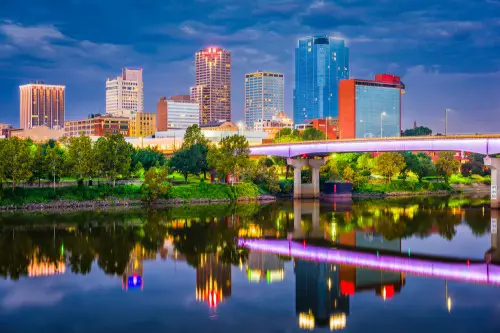
Little Rock’s relatively high rate of violent crime has kept it on danger lists for mid-sized cities. The blend of Southern hospitality and pockets of instability makes for an interesting but sometimes uneasy visit. Crime tends to cluster in specific neighborhoods, which can surprise travelers expecting a slower-paced capital city. Still, Little Rock’s parks and historic sites draw plenty of tourists each year.
Staying aware of your surroundings goes a long way when exploring the city. Most tourist areas near the riverfront feel safer and offer plenty to do. Venturing farther out requires more caution, especially at night. Little Rock continues to balance its charm with the reality of its public-safety challenges.
8. New Orleans, Louisiana
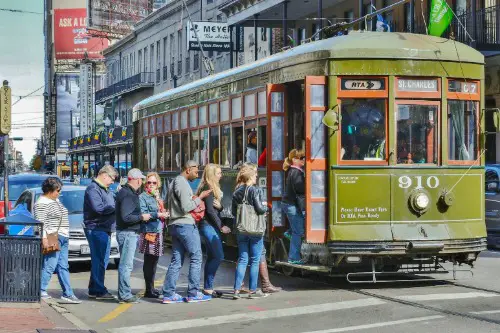
New Orleans is famous for its music, culture, and nightlife, but it also deals with persistently high violent-crime rates. Shootings, robberies, and late-night incidents are not uncommon, particularly outside major tourist corridors. The city’s mix of tourism, poverty, and nightlife creates unpredictable situations for visitors. Even so, millions come every year to soak in the unique atmosphere.
Sticking to busy areas like the French Quarter or Garden District usually feels comfortable, especially during peak hours. Problems tend to arise when wandering into less-traveled streets at night. Travelers who stay alert often enjoy the city without issue. New Orleans remains magical, if not without risk.
9. Kansas City, Missouri
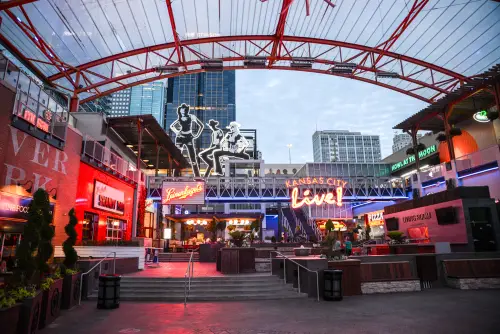
Kansas City struggles with elevated rates of violent crime that place it high on national rankings. The city blends an incredible arts and food scene with neighborhoods that face serious safety issues. Visitors often note the contrast between polished entertainment areas and blocks that feel far less secure. This duality shapes much of the city’s reputation.
Popular destinations like the Country Club Plaza generally offer a safe and enjoyable experience. But venturing into unfamiliar neighborhoods can require caution, particularly after dark. Locals know which areas to avoid, but visitors need to plan ahead. Kansas City rewards travelers who balance curiosity with awareness.
10. Cleveland, Ohio

Cleveland has battled high levels of both violent and property crime, keeping it on lists of more dangerous American cities. Its industrial decline left behind abandoned buildings and uneven redevelopment across neighborhoods. Visitors may notice how quickly the environment shifts from lively to desolate. Still, the city’s cultural institutions bring in travelers year-round.
Planning your routes can make a big difference when exploring Cleveland. Some neighborhoods are undergoing exciting revitalization, while others remain high-risk. Staying in busy, well-lit areas is the best approach for newcomers. Cleveland’s character shines through its challenges, offering a unique mix of grit and creativity.
11. Saginaw, Michigan

Saginaw has a small population but a disproportionately high violent-crime rate, putting it near the top of per-capita danger lists. Economic hardship and years of industrial decline have left visible marks on the city. Abandoned homes and reduced investment contribute to an environment where crime concentrates. Yet, community pride is still strong among residents working for renewal.
Visitors rarely come without a specific reason, so the lack of tourist infrastructure can make navigation tricky. Knowing which areas to avoid is important for anyone unfamiliar with the city. Despite the risks, the region has cultural institutions and local history worth exploring with caution. Saginaw remains a place defined by both struggle and resilience.
12. East St. Louis, Illinois
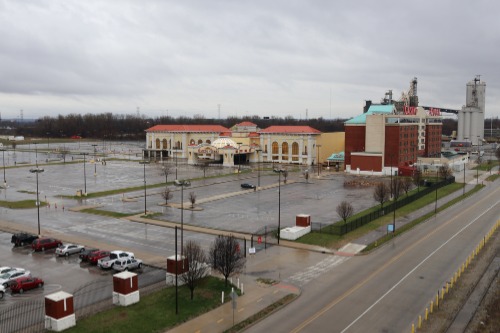
East St. Louis consistently reports some of the highest violent-crime rates in the country. Long-term disinvestment and economic instability have created conditions where crime is concentrated and persistent. Many buildings remain vacant, and public services have faced years of strain. Even so, the city has a tight-knit community pushing for better conditions.
Tourism isn’t a major factor here, so travelers usually pass through rather than stay. Anyone visiting the area benefits from sticking to main routes and remaining aware of surroundings. Crime levels vary from block to block, making careful planning essential. East St. Louis is a city facing steep challenges but also home to residents determined to move forward.
This post Let’s Visit The Most Dangerous Towns In The United States was first published on American Charm.

