
1. Sanitation Workers
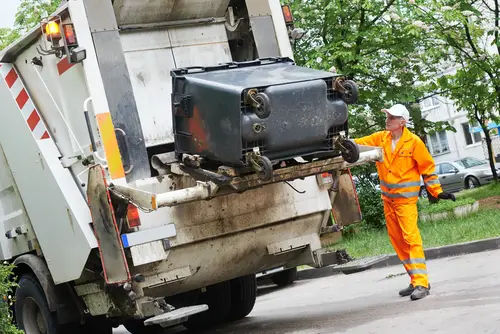
Sanitation workers are the unsung heroes who keep our cities livable. They handle garbage, recycling, and hazardous waste, ensuring communities stay clean and disease-free. Without them, neighborhoods would quickly become health hazards. Yet, they’re often ignored or joked about rather than celebrated.
These workers often start their shifts before sunrise and work in all weather conditions. They deal with dangerous materials, from broken glass to biohazardous waste. Despite the physical risk and early hours, their pay rarely reflects the importance of their work. Every time you throw something away, think of the person making sure it disappears safely.
2. Truck Drivers
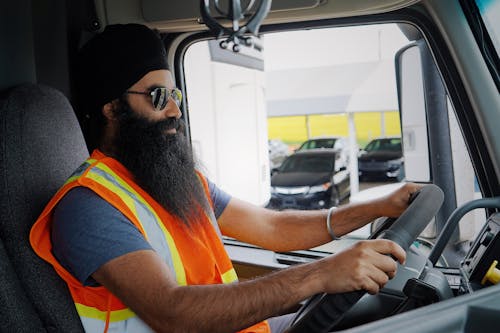
Truck drivers move the goods we rely on daily—from food to medical supplies. They spend long hours on the road, often away from family for days or weeks. Without them, store shelves would be empty in a matter of days. Yet, society tends to overlook the sacrifices they make.
Traffic, unpredictable weather, and tight deadlines are just part of the job. They must navigate fatigue, mechanical issues, and long hauls to keep the economy running. Despite their critical role, truck drivers are often underpaid and undervalued. Next time you eat a fresh apple in January, thank a truck driver.
3. Postal Workers
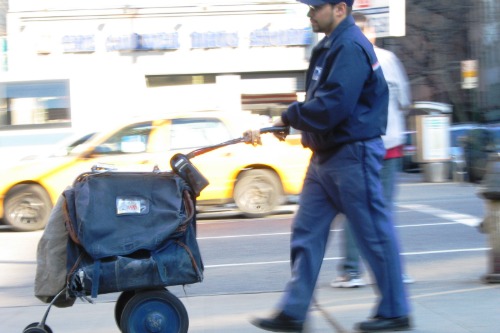
Postal workers deliver more than letters; they’re the thread that connects communities. They handle everything from bills to care packages and important documents. Without them, communication—especially for rural areas—would grind to a halt. Most people only notice them when mail is late, not when it arrives on time.
Rain, snow, or scorching heat, these workers are on the move. They sort, lift, and deliver thousands of pieces of mail daily. Their work is essential for both personal connections and business operations. Yet, appreciation is rare compared to the stress and responsibility they carry.
4. Farm Laborers
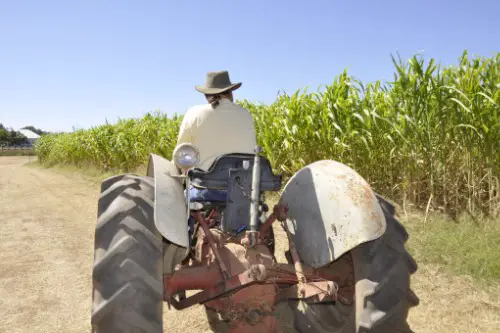
Farm laborers put food on our tables, often working from dawn until dusk in unpredictable weather. They plant, harvest, and maintain crops that feed millions. Despite the critical role they play in food security, farm laborers are underpaid and face challenging working conditions. Few think about them when they enjoy a grocery store meal.
Many of these workers handle chemicals, heavy machinery, and long repetitive hours. Seasonal work can be unstable, and labor rights are sometimes limited. Without them, America would struggle to feed itself. They’re literally the backbone of every meal we eat.
5. Teachers
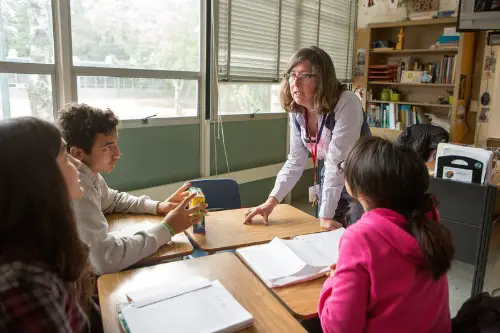
Teachers educate the next generation, shaping future citizens and leaders. They spend hours beyond the classroom grading, planning, and supporting students. Their impact goes far beyond textbooks—they teach empathy, resilience, and critical thinking. Yet, many people undervalue their contribution, focusing only on standardized test scores.
The average teacher often earns less than professionals with similar education levels. They manage crowded classrooms, special needs students, and limited resources. Society depends on them for the long-term success of communities. Respecting teachers means acknowledging their expertise and dedication daily.
6. Home Health Aides

Home health aides care for the elderly, sick, and disabled in private homes. They handle intimate tasks like bathing, feeding, and administering medications. Their work allows patients to remain at home instead of moving into costly care facilities. Despite the emotional and physical demands, the job is often low-paying and undervalued.
Many aides work long, irregular hours, sometimes traveling between multiple clients. They witness struggles that few outside the profession ever see. Their work reduces strain on hospitals and families alike. Yet, society rarely applauds them, even though they touch lives profoundly.
7. Custodians
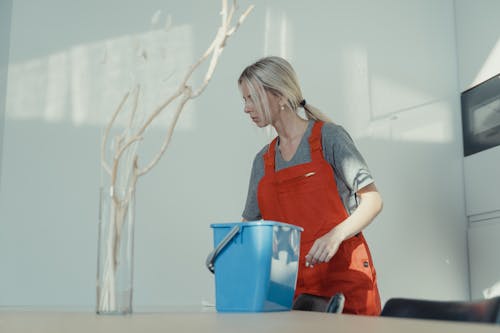
Custodians ensure schools, offices, and public buildings are safe and clean. Their work prevents the spread of disease and maintains a sense of order. Despite this, custodians are often invisible unless something is broken or dirty. People tend to underestimate the skill and effort it takes to keep spaces functional.
They handle cleaning chemicals, lift heavy objects, and maintain facilities under tight schedules. Many custodians work nights or weekends to minimize disruption. Without them, public spaces would quickly deteriorate. They quietly enable the rest of us to do our jobs efficiently.
8. Electricians
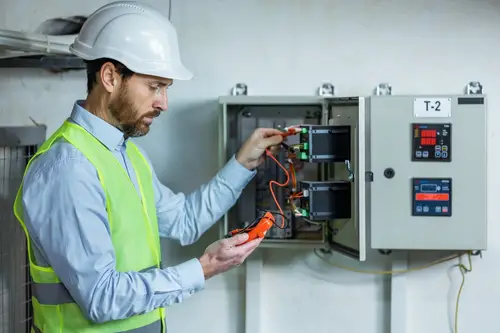
Electricians keep the power on, literally and figuratively. They install, maintain, and repair electrical systems that homes, hospitals, and businesses depend on. A single mistake can be dangerous or even fatal, yet most people only notice them during outages. Society tends to take electricity for granted, forgetting the skilled hands behind it.
Electricians often apprentice for years before fully mastering the trade. They work in cramped, high-risk conditions and solve problems on the fly. Every time you flip a switch or charge a phone, think of them. Their work is the backbone of modern life.
9. Plumbers
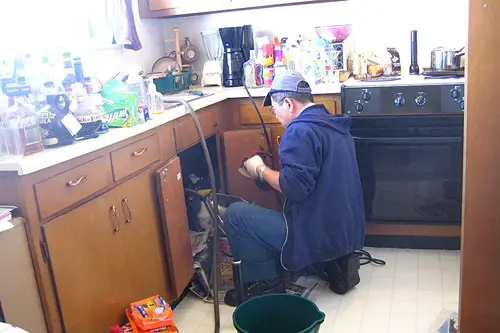
Plumbers prevent disasters by keeping water and sewage systems functional. They unclog, repair, and maintain pipes that would otherwise ruin homes and businesses. Despite being essential to hygiene and health, plumbers are rarely praised unless they fix a dramatic leak. People often realize their importance only when pipes burst.
They deal with dirty, heavy, and sometimes hazardous materials daily. Precision and expertise are required to prevent long-term damage. Without plumbers, society would face constant public health crises. Their work quietly keeps households and cities running smoothly.
10. Truck Stop and Gas Station Workers
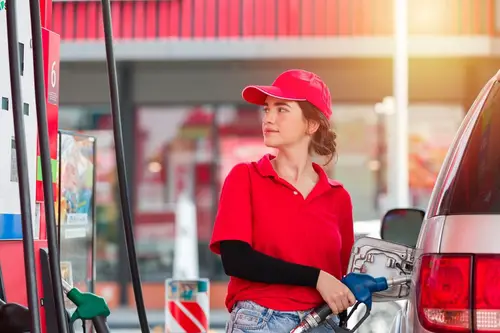
These workers fuel America—literally—by keeping gas stations and truck stops operational. They provide essential services to travelers and truckers who keep goods moving. The work is physically demanding, often under long shifts with minimal breaks. People rarely stop to appreciate the convenience they provide daily.
They handle cash, maintain pumps, and ensure safety standards are met. They often work nights, holidays, and weekends. Without them, supply chains could slow, and travelers would be stranded. Their reliability is vital to the rhythm of daily life.
11. Food Processing Workers
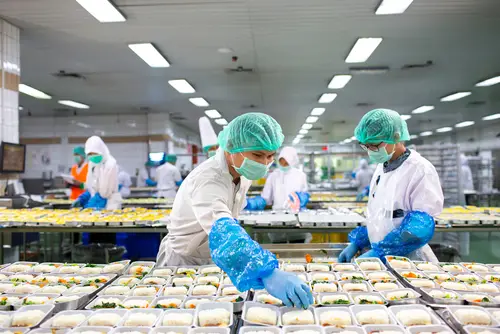
Food processing workers prepare, package, and inspect the food we consume. Their jobs are repetitive, physically demanding, and often under harsh conditions. Despite their role in food safety and supply, these workers are rarely celebrated. Most consumers see only the finished product, not the labor behind it.
They deal with heavy machinery, fast-moving assembly lines, and strict health regulations. Mistakes can result in contamination or shortages. These jobs ensure that grocery stores remain stocked and safe. Their work is foundational to public health and the economy.
12. Postal Sorting Facility Workers
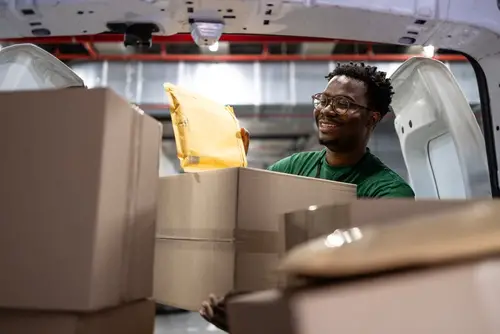
Sorting facility workers organize and route millions of mail pieces every day. Their efficiency determines whether letters, packages, and critical documents arrive on time. Despite the sheer scale and precision required, they remain invisible to most people. The work is crucial for personal, legal, and business communications nationwide.
They operate complex machines, track thousands of items, and work under tight deadlines. Mistakes can cause delays with serious consequences. Their labor ensures that the system works seamlessly for everyone. Most people only notice their absence during a postal slowdown.
13. Nursing Assistants

Nursing assistants provide essential support in hospitals and care facilities. They help with bathing, feeding, monitoring vitals, and comforting patients. Their work directly impacts patient outcomes, yet they are often underpaid and overlooked. Many people assume doctors and nurses handle everything, but nursing assistants are the hands-on caregivers.
They face long hours, emotional stress, and physically demanding tasks. They are often the first to notice changes in a patient’s condition. Their dedication ensures hospitals run efficiently and patients receive quality care. Respecting them means valuing the daily sacrifices they make for others.
14. Public Transit Workers
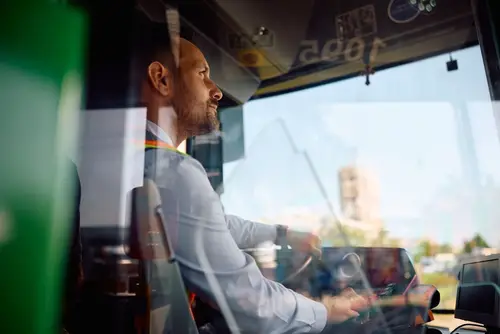
Bus drivers, subway operators, and maintenance crews keep cities moving. They ensure people get to work, school, and appointments safely and on time. Without them, congestion would spike and cities would grind to a halt. Yet, commuters often overlook the skill and patience their jobs require.
Transit workers navigate heavy traffic, equipment issues, and tight schedules. They endure early mornings, late nights, and sometimes difficult passengers. Their labor keeps the economic and social fabric of cities intact. They are the lifeline of urban life, even if their work is rarely noticed.
15. Meatpacking Workers
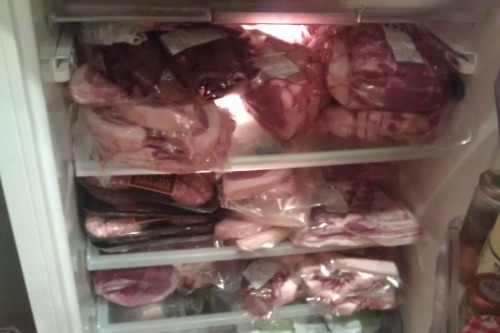
Meatpacking workers process the meat that fills supermarkets and restaurants across the country. They work long hours in cold, loud, and often dangerous environments. Despite being essential to America’s food supply, they rarely receive recognition or respect. Consumers see neatly packaged cuts of meat, not the grueling labor behind them.
Sharp tools, fast-moving machinery, and strict production quotas make the job physically demanding and risky. Many workers sustain injuries or deal with long-term health issues. Still, they return each day to keep the food chain steady. Without them, meat shortages would be a daily reality.
16. Warehouse Workers
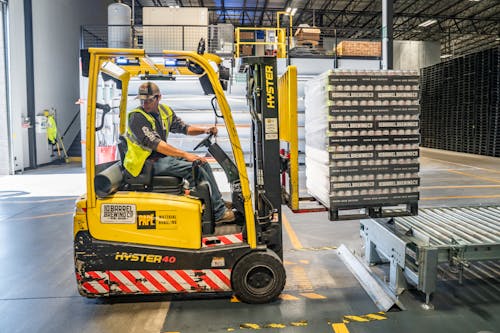
Warehouse workers are the backbone of modern e-commerce and retail supply chains. They move, organize, and ship goods that millions of Americans order online. The work is exhausting, involving long shifts of lifting, scanning, and rushing to meet quotas. Yet, most people only think about them when a package is delayed.
Conditions can be harsh—high heat in the summer, freezing cold in the winter, and constant pressure to perform. Many suffer repetitive strain injuries from the pace of the job. Despite their crucial role, warehouse workers often feel replaceable in the eyes of employers. Their labor makes two-day shipping and same-day deliveries possible.
17. Road Maintenance Crews
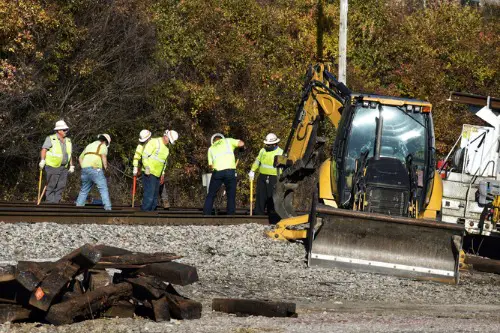
Road maintenance workers repair potholes, repaint lines, and keep highways safe for millions of drivers. Their work ensures smooth commutes, safe deliveries, and fewer accidents. Despite the obvious benefits, many drivers only notice them as an inconvenience during traffic delays. Without them, infrastructure would crumble quickly.
They spend long hours outdoors, often in dangerous conditions with cars whizzing by. Extreme heat, freezing cold, and heavy machinery are part of the job. Their efforts prevent costly repairs and deadly accidents. Next time you drive over a freshly paved stretch of road, remember the crew behind it.
18. Grocery Store Clerks

Grocery store clerks ensure shelves are stocked, registers are open, and food is accessible every day. They often work on their feet for hours, serving hundreds of customers with little recognition. During crises, such as the pandemic, they became frontline workers keeping society fed. Yet, their pay and respect rarely reflect their importance.
They juggle customer service, restocking, and dealing with difficult shoppers. Long shifts on weekends and holidays are common, while job security is minimal. Despite all this, their work keeps communities functioning. They are a constant reminder that convenience comes at someone else’s effort.
19. Crossing Guards
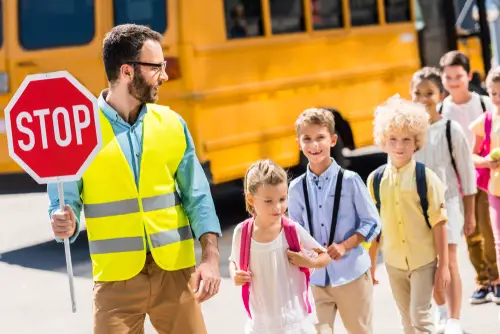
Crossing guards protect children and pedestrians at busy intersections, often in front of schools. They brave rain, snow, and blistering heat to ensure safe passage across dangerous roads. Parents trust them daily with their children’s safety, yet few stop to thank them. Their work reduces accidents and saves lives in ways most people overlook.
They wake up early, stand for hours, and sometimes face impatient or reckless drivers. The job requires vigilance, patience, and responsibility, often for very modest pay. Crossing guards quietly shoulder a critical safety role that most people take for granted. They’re proof that community safety depends on small, steady acts of service.
20. Janitors in Hospitals
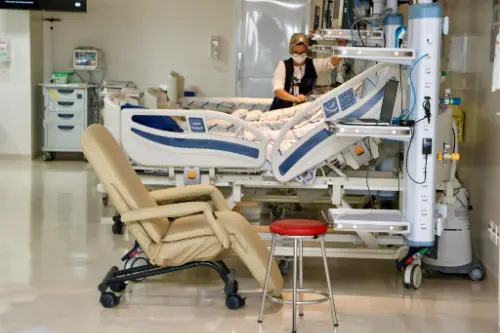
Hospital janitors keep medical facilities sanitary, preventing the spread of deadly infections. They disinfect rooms, handle biohazardous waste, and ensure sterile conditions. Their contribution is directly tied to patient health and survival, yet they remain invisible in the medical hierarchy. People rarely realize their work is as essential as doctors and nurses.
Exposure to harmful chemicals, pathogens, and stressful environments is part of the daily grind. They often clean during late-night shifts, unseen by patients or visitors. Despite low wages, their work saves countless lives by preventing outbreaks. Hospitals couldn’t function safely without them.
21. Call Center Representatives

Call center representatives resolve issues that keep businesses and services running smoothly. They answer questions, troubleshoot problems, and calm frustrated customers. Despite their patience and skill, they’re often treated rudely and dismissed as unimportant. Few realize that customer satisfaction and retention rest heavily on their shoulders.
These workers endure strict quotas, constant monitoring, and repetitive tasks. Emotional burnout is common, as they absorb negativity from callers all day. Yet, they keep systems functioning and customers connected to vital services. Their voices are the invisible glue of modern business.
22. Movers
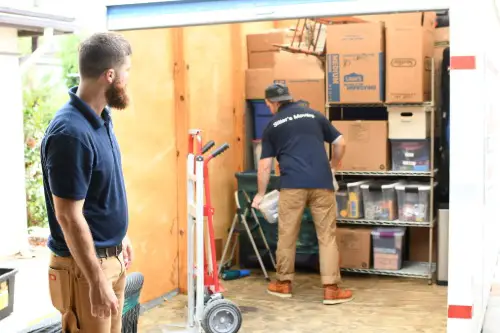
Movers take on the heavy lifting—literally—when families and businesses relocate. They carry furniture, appliances, and boxes through tight stairwells, across cities, and into new spaces. Without them, most people would struggle to handle the physical demands of moving. Yet, their labor is often dismissed as “just manual work.”
The job requires strength, endurance, and problem-solving skills to transport items safely. They face long hours, heavy loads, and the constant risk of injury. Customers often underestimate the complexity of what movers do until they try it themselves. Their work makes transitions smoother during some of life’s most stressful moments.
This post 22 Jobs That Hold America Together but Most People Don’t Respect was first published on American Charm.

