1. Renting Movies from Blockbuster
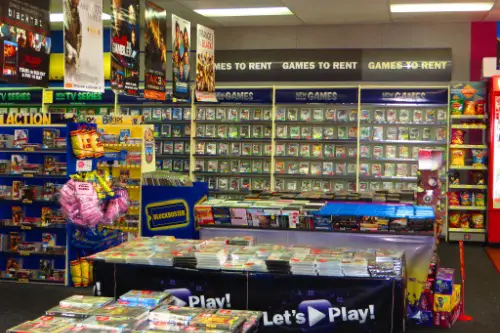
Friday nights once meant a trip to the local video store to browse shelves of plastic cases. Families wandered the aisles debating comedies, thrillers, and new releases that might already be sold out. You learned to rewind VHS tapes and return everything before late fees kicked in. It was equal parts errand and event.
Streaming services changed that routine almost overnight. Movies became instantly available without driving anywhere. By the mid-2010s, most major rental chains had shut down. The ritual of physically picking a movie quietly disappeared.
2. Using Payphones
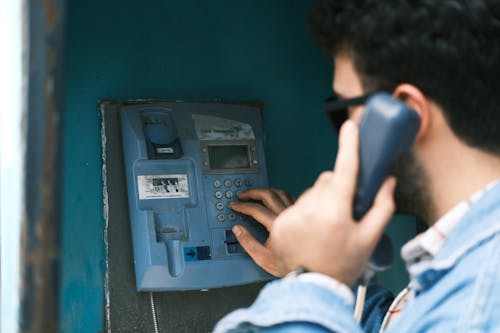
Public payphones used to line sidewalks, gas stations, airports, and malls. You carried coins or a calling card in case you needed to make a quick call. Kids memorized home numbers because there was no contact list to scroll. Hearing “collect call” announcements was completely normal.
Mobile phones made that infrastructure unnecessary. Maintenance declined as usage dropped sharply in the 2000s. Many booths were removed entirely or left unused. A once-essential communication backup faded into rarity.
3. Printing MapQuest Directions
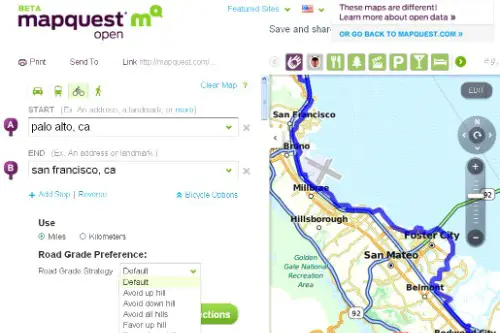
Early internet travel often meant printing step-by-step driving directions. Sheets of paper sat on the passenger seat, ready to be read aloud. Missing a turn required scanning the page for a reroute. Highlighters and handwritten notes were common.
Smartphone navigation apps replaced the ritual. Real-time GPS adjusted routes automatically. Paper printouts became redundant almost immediately. The pre-trip planning step vanished from daily travel.
4. Balancing a Checkbook by Hand

Personal finance once involved a paper register and a calculator. You recorded every purchase, deposit, and withdrawal line by line. Reconciling your statement required careful math and patience. It was a routine monthly task for many households.
Online banking automated most of that work. Transactions now update in real time across devices. Budget apps categorize spending automatically. Manual balancing quietly became optional.
5. Burning Custom CDs
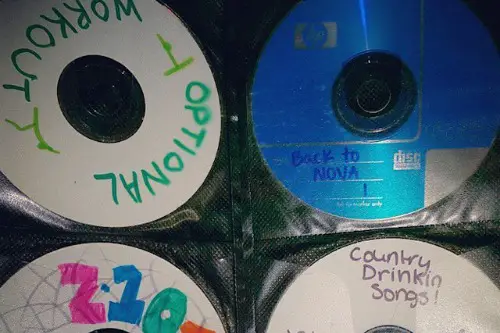
Making a mix once required a stack of blank discs and a computer with a burner. You carefully chose songs and arranged them in the perfect order. The process could take hours depending on file sizes and speeds. Finished discs felt personal and permanent.
Digital playlists replaced physical mixes. Songs stream instantly without storage limits. Sharing music became a link instead of a handoff. CD binders slowly disappeared from cars and shelves.
6. Calling Movie Theaters for Showtimes

People once phoned theaters to hear recorded showtime listings. You listened through multiple options just to catch your movie. Writing times down was common to avoid replaying the message. Busy signals weren’t unusual on weekends.
Websites and apps made schedules instantly searchable. Ticket purchases moved online as well. Phone recordings became redundant. The habit faded without much notice.
7. Using Phone Books

Printed phone directories arrived annually on doorsteps. You flipped through thin pages to find businesses and neighbors. Yellow Pages ads were a major marketing tool. Knowing alphabetical order made searches faster.
Search engines replaced directory lookups. Contact info became instantly searchable online. Many households stopped keeping the books at all. Distribution shrank dramatically within a generation.
8. Developing Film at Photo Labs
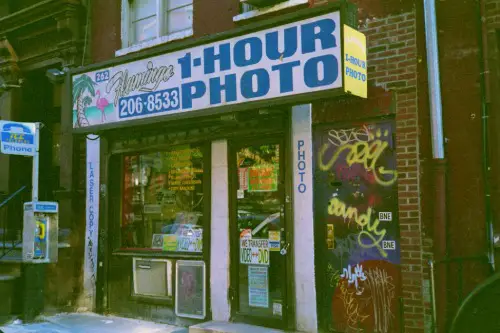
Capturing memories once meant finishing a roll of film and dropping it off for processing. You waited days to see how photos turned out. Double prints and negatives came back in small paper envelopes. Surprise and disappointment were part of the process.
Digital cameras and smartphones changed expectations. Photos became instantly viewable and endlessly retakable. Physical processing labs declined rapidly. The delayed-gratification ritual disappeared.
9. Desktop Computer “Family Time”
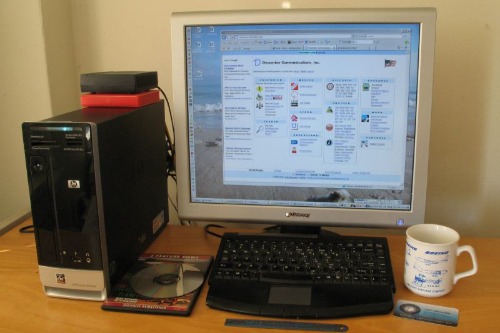
Shared household computers once lived in common areas. Family members took turns checking email or browsing the web. Screen time was visible and often time-limited. The setup naturally created shared tech habits.
Personal laptops, tablets, and smartphones changed that dynamic. Internet access became private and constant. The single-screen gathering point faded. Digital life grew more individualized.
10. Recording Songs Off the Radio
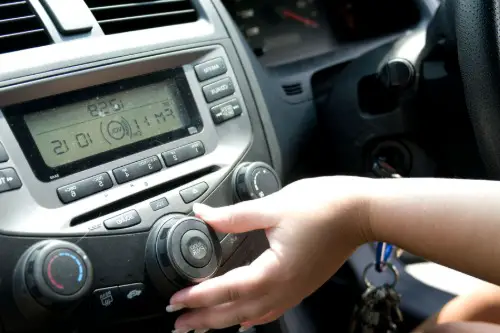
Catching a favorite song meant hovering near a cassette deck. You waited for the DJ to stop talking and hit record at the right second. Timing mattered, and interruptions were frustrating. Labeled mixtapes filled drawers and glove compartments.
On-demand streaming removed the uncertainty. Songs became playable anytime without effort. Recording from broadcasts felt unnecessary. The patience that ritual required became obsolete.
11. Memorizing Routes Before Driving
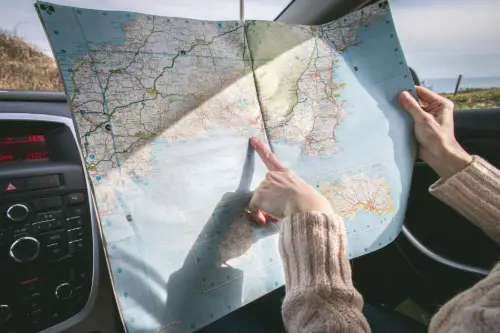
Drivers once studied directions before starting the car. You pictured turns, exits, and landmarks in advance. Asking for directions was a normal backup plan. Getting lost was inconvenient but common.
Turn-by-turn navigation changed that preparation step. Devices now guide drivers in real time. Spatial planning happens less often beforehand. Pre-drive memorization quietly faded from routine.
This post It Quietly Faded From Daily Routines Within One Generation was first published on American Charm.