1. Pet Restrictions That Clash With Reality

Pet policies in HOAs can include breed restrictions, weight limits, or caps on the number of animals. These rules are typically rooted in liability concerns and insurance requirements. However, pets are part of the family for many people. When a community’s rules don’t align with that reality, tensions rise fast.
Imagine adopting a dog only to discover it exceeds the weight limit or falls under a restricted breed category. Even when grandfathering clauses exist, uncertainty can make residents uneasy. Buyers with large dogs or multiple pets often eliminate such communities from their search. That steady filtering effect reshapes who stays and who goes.
2. Special Assessments That Hit Like Surprise Bills

Beyond regular dues, special assessments can land with little room to breathe. These one-time charges are typically used to cover major repairs like roof replacements, structural work, or large-scale plumbing fixes. In condo buildings, especially older ones, assessments can run into the thousands—or even tens of thousands—per unit. For many households, that’s not money they just have sitting in savings.
While associations often levy assessments for necessary safety and maintenance reasons, the suddenness can feel overwhelming. Even financially stable homeowners may resent the lack of control over when and how these projects are funded. Buyers paying close attention to community financial health may also walk away when they see a pattern of frequent assessments. That reputation alone can make current owners nervous about staying long term.
3. Stricter Enforcement of Rules

HOAs have always had rules, but enforcement in some communities has become noticeably tighter. Homeowners report receiving violation notices for things like holiday decorations left up too long or minor landscaping choices. Associations are legally allowed to enforce covenants, but how aggressively they do so can vary widely. When oversight starts to feel intrusive, residents often begin to question the trade-off.
Living under constant scrutiny can chip away at the sense of homeownership freedom. A warning letter about paint color or mailbox style may seem small on paper, but it adds up emotionally. Over time, people may decide they’d rather move somewhere with fewer restrictions. That quiet frustration often doesn’t show up in meeting minutes, but it shows up in for-sale signs.
4. Limited Rental Flexibility
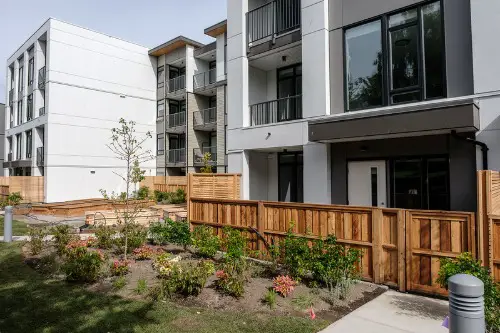
Many HOAs restrict rentals to preserve property values and maintain community stability. Some cap the percentage of units that can be rented, while others require minimum lease terms or board approval. These rules can make sense from a governance perspective, especially for mortgage eligibility and insurance considerations. But for individual owners, they can feel like a financial handcuff.
Life changes fast, and homeowners sometimes need to relocate for work or family reasons. If renting out their property isn’t an option, selling may be the only practical choice. Investors also tend to avoid communities with strict rental caps, which can reduce demand. That combination quietly shifts who wants to buy—and who decides to leave.
5. Escalating Insurance Costs Passed to Owners

Insurance premiums for condo associations have surged in several high-risk regions due to severe weather events and rising reconstruction costs. When master insurance policies become more expensive, those increases are typically reflected in HOA dues. In coastal states or wildfire-prone areas, the impact has been especially pronounced. Associations sometimes also need to raise deductibles, increasing potential out-of-pocket exposure for owners.
For homeowners, this creates a double hit. They may be paying more for both the association’s master policy and their own individual coverage. Even if they understand the broader insurance market pressures, the financial strain is real. Over time, some residents decide the risk profile and cost structure no longer make sense for them.
6. Deferred Maintenance Catching Up All at Once

When associations postpone maintenance to keep dues low, the bill eventually comes due. Aging roofs, elevators, plumbing systems, and parking structures require major capital investments. If reserve funds aren’t adequately funded, large projects can trigger steep fee increases or assessments. This pattern has drawn increased attention in recent years, particularly after high-profile building safety failures.
Homebuyers are increasingly reviewing reserve studies and financial statements before committing. If they see underfunded reserves or looming projects, they may back out. Existing owners, aware of what’s ahead, may choose to sell before costs rise further. That anticipation alone can create a quiet exodus.
7. Rules Around Exterior Modifications

HOAs commonly regulate exterior changes to maintain a consistent appearance. That includes everything from paint colors and fencing to solar panels and satellite dishes. While uniformity can support property values, it can also limit personal expression. Even environmentally motivated upgrades can require lengthy approval processes.
Homeowners who want flexibility to modernize or personalize their properties sometimes find the process frustrating. Delays in approvals can stall renovation timelines and increase costs. For buyers who prioritize autonomy, strict architectural controls are a red flag. Over time, that preference shifts demand away from heavily regulated communities.
8. Growing Administrative Complexity

HOAs are essentially small governing bodies, complete with boards, bylaws, budgets, and legal obligations. As regulations around safety, accessibility, and financial disclosures expand, associations must navigate increasingly complex compliance requirements. This often leads to hiring professional management companies, attorneys, and consultants. Those services, while often necessary, add to operating costs.
Residents may feel disconnected from decisions made by management firms or overwhelmed by dense meeting packets and policy changes. The more bureaucratic a community feels, the less personal it can seem. For some homeowners, the appeal of a simplified living arrangement elsewhere becomes stronger. That shift doesn’t happen overnight, but it builds quietly over time.
9. Parking and Vehicle Restrictions
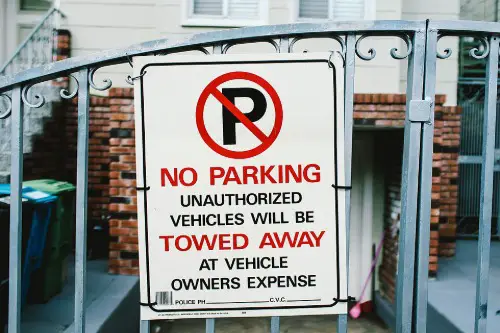
Many HOAs impose rules on street parking, commercial vehicles, RVs, and even the number of cars per household. These policies are often designed to reduce congestion and maintain neighborhood aesthetics. However, modern households frequently have multiple vehicles or remote-work setups that require flexibility. When rules don’t reflect how people actually live, friction follows.
A homeowner who can’t park a work truck or accommodate a visiting family member may start to feel boxed in. Repeated fines or towing incidents can sour the experience quickly. While the policy may technically serve the community’s interests, it can push individuals away. For some, the path of least resistance is simply to move.
10. Monthly Dues That Don’t Feel So “Modest” Anymore

HOA fees have been rising across the country, and for many homeowners, the increases feel relentless. Inflation has pushed up the cost of insurance, landscaping, utilities, and routine maintenance, and associations pass those costs on to residents. In some states like Florida and California, insurance premiums and new safety regulations have driven especially steep jumps. What once felt like a manageable monthly expense can quickly start rivaling a second mortgage payment.
The problem isn’t just the increase itself, but the unpredictability of it. When dues climb by hundreds of dollars a month with limited warning, families have to reshuffle budgets fast. Fixed-income residents, in particular, can find themselves squeezed out of homes they’ve lived in for years. Over time, that financial stress quietly nudges people to consider selling.
11. The Feeling of Reduced Control Over Your Own Property

At the heart of many HOA frustrations is a simple emotional truth: people want to feel in control of their homes. Covenants, conditions, and restrictions are legally binding, and buyers agree to them at purchase. But living with that structure day in and day out can feel different than signing the paperwork. The gap between expectation and lived experience is where dissatisfaction grows.
Even when rules are reasonable and finances are sound, the perception of limited autonomy can linger. Homeownership is often tied to independence and personal choice. When that feeling erodes, residents start to question whether the trade-offs are worth it. Over time, some quietly decide they’d rather live somewhere with fewer strings attached.
This post How Rising HOA Demands Are Silently Driving People Away was first published on American Charm.