
1. Asbestos Insulation
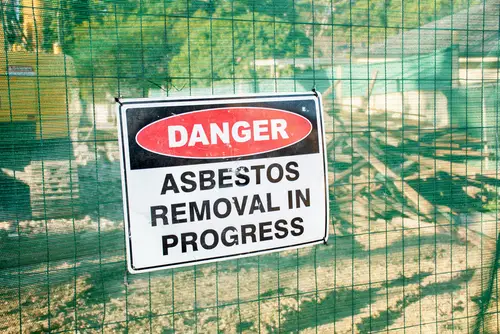
Asbestos was the go-to material for insulation because it was fireproof and cheap. Homeowners thought they were being smart, but asbestos fibers can lodge in the lungs when disturbed. This can lead to asbestosis, lung cancer, and mesothelioma, diseases that often don’t appear until decades later. The scary part? Even minor home repairs could release harmful fibers into the air.
It was used in walls, attics, and even ceilings, meaning it was almost impossible to avoid in older homes. Many families unknowingly lived with it for years, thinking they were safe. Handling or disturbing the material without proper equipment was extremely risky. Despite knowing its dangers, asbestos remained widely sold and installed in homes.
2. Lead-Based Paint
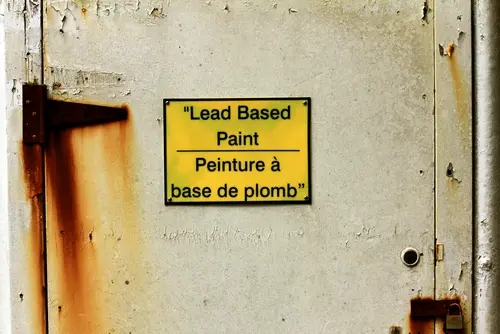
Lead-based paint was everywhere in American homes until the late 1970s, especially in older buildings. It looked bright and cheerful but carried a hidden danger: lead poisoning, particularly for children. Kids might ingest flakes or dust, leading to serious developmental issues and long-term health problems. The frightening part? You might never see the damage until it was too late.
Even peeling paint could release lead dust into the air, making your home a slow-moving hazard. Renovating an older house without proper precautions was practically a health gamble. Pregnant women were especially at risk, since lead could affect the fetus. Yet, despite these dangers, it was sold freely and widely used for decades.
3. Chlorofluorocarbons (CFCs) in Aerosols
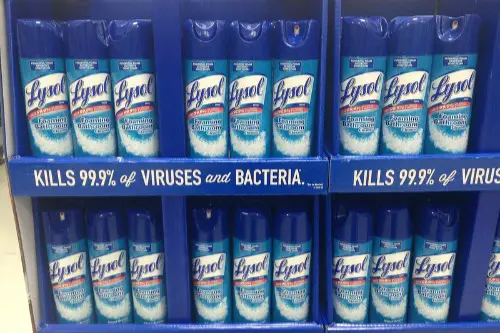
Back in the mid-20th century, CFCs were the darling of household sprays like deodorants and hairsprays. They seemed harmless, but they were slowly destroying the ozone layer and contributing to environmental hazards. Using them indoors wasn’t immediately deadly, but breathing them in repeatedly could irritate the respiratory system. Over time, they caused broader ecological problems that affected everyone’s health indirectly.
The shocking part is that these products were marketed as completely safe, even for children. People sprayed them liberally without a second thought. Scientists eventually linked CFCs to thinning ozone, which protects us from harmful UV radiation. The lesson? Just because something is legal and convenient doesn’t mean it’s risk-free.
4. Mercury Thermometers
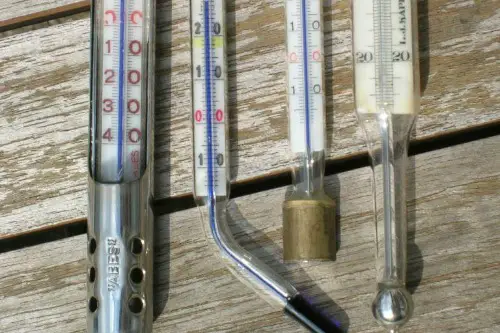
Remember those classic glass thermometers with mercury inside? They were standard in households for decades, but mercury is extremely toxic. If the thermometer broke, even a small spill could release harmful vapors. Kids and pets were particularly vulnerable, as exposure could affect the nervous system.
People didn’t always know the cleanup needed special care; vacuuming or improper disposal could make things worse. Mercury poisoning can cause tremors, memory problems, and kidney damage. Despite these dangers, they were sold in stores and often gifted to families. It’s a rare modern household that still trusts glass thermometers today.
5. Old Pesticides

In the mid-1900s, home pesticide use was incredibly casual. Products containing DDT or chlordane were marketed for everything from bugs to weeds. People sprayed freely indoors and outdoors, not realizing these chemicals could linger in dust or soil for years. Exposure could cause nausea, liver damage, and even long-term cancer risks.
Children playing outside were particularly susceptible to poisoning, and pets often absorbed the chemicals from grass or floors. Even after these products were banned, residues remained in older homes or yards. At the time, however, it was all perfectly legal and sold in your local grocery store.
6. Plastic Food Wraps Containing PVC

PVC-based cling wraps were a kitchen staple for decades. They kept food sealed but could release harmful plasticizers when exposed to heat. This meant warming leftovers in the microwave while wrapped could transfer chemicals into your food. Over time, these compounds were linked to hormonal disruptions in humans.
Families thought they were making a convenient and safe choice, never suspecting a hidden chemical hazard. The health impact isn’t immediate, so danger could quietly accumulate. Modern alternatives have phased out some of the worst offenders. Back then, though, buying it felt harmless and everyday.
7. Radium-Infused Glow Products
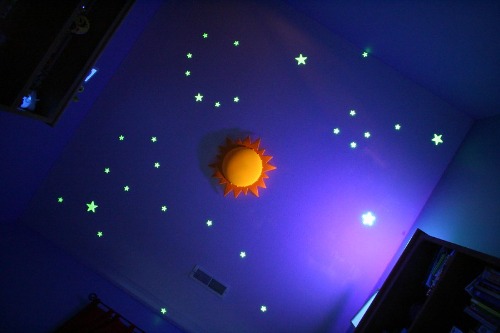
Radium paint was used on everything from clocks to kitchen dials, so you could see them glow at night. Workers who handled radium were exposed to severe radiation, and consumers weren’t entirely safe either. Ingesting or inhaling even small particles could cause bone cancer and anemia over time. Yet it was sold freely in consumer products for decades.
Households didn’t understand radiation the way we do now. Kids playing with glowing clocks or watches were unknowingly taking a risk. The glow was mesmerizing but deadly if mishandled. Radium remained fashionable until awareness of its dangers grew in the 1930s and 1940s.
8. Gas-Powered Space Heaters
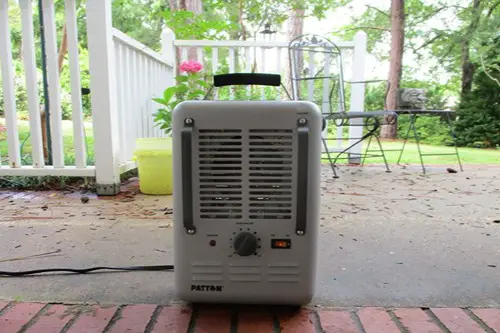
Portable gas heaters were a popular way to heat homes cheaply. But improper ventilation could cause deadly carbon monoxide buildup. Families often relied on them indoors, unaware that invisible fumes could silently poison them. There were countless accidents and near-fatal incidents before safety regulations tightened.
Even when used “properly,” minor leaks could be hazardous. Carbon monoxide poisoning is particularly insidious because it’s odorless and colorless. People sometimes didn’t know they were inhaling it until symptoms were severe. Today, such heaters are heavily regulated, but back then, they were sold as a convenient solution for winter warmth.
9. Shoe Polish with Toluene

Toluene was a common ingredient in shoe polish and leather treatments. It gave shoes a high shine but emitted strong fumes that could cause dizziness or headaches. Long-term exposure can damage the nervous system, liver, and kidneys. People often polished shoes indoors, unaware they were inhaling toxic chemicals.
It was marketed as completely safe for home use, even around children. Some people were exposed for years without ever realizing the potential harm. The smell was inviting; the danger invisible. Today, safer alternatives are standard, but the chemical legacy lingered in older households.
10. Plastic Toys with Lead Paint
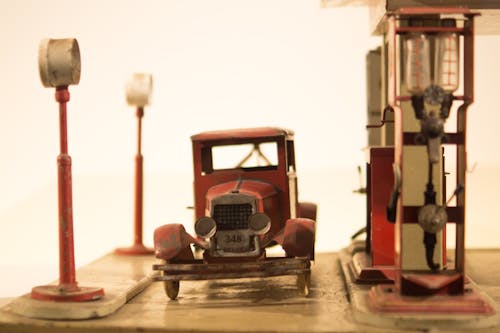
In the 1970s, many children’s toys were painted with lead-based paint. Tiny hands could chip or chew the paint, creating serious lead poisoning risks. Parents had no warning labels and no reason to suspect everyday toys were dangerous. Some children experienced learning difficulties and behavioral issues due to prolonged exposure.
Even small amounts were harmful over time. Manufacturers had access to safer options but continued using lead for cost and vibrancy reasons. Awareness of the dangers eventually led to bans, but only after years of legal sale. For decades, a common household playroom was a hidden hazard.
11. Wallpaper with Arsenic

Arsenic-laced wallpaper was popular in the late 19th and early 20th centuries because of its vibrant colors. But damp conditions could release arsenic dust into the air, which was toxic when inhaled or ingested. Families might live with it for years without noticing any symptoms. Over time, it could contribute to chronic poisoning and even cancer.
This is one of those cases where “bright and cheerful” literally hid danger. Even wallpaper glue could contain the compound. People loved the look without realizing it carried an invisible threat. Eventually, the risks were documented, and safer pigments replaced the deadly ones.
12. Coal Tar Hair Dyes
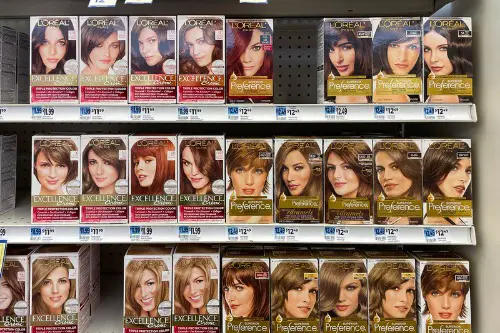
Coal tar derivatives were common in hair dyes, especially for women seeking darker shades. They could cause allergic reactions, skin irritation, and, with long-term exposure, increase cancer risk. Home use was common, as women often dyed their hair without professional supervision. Companies marketed these dyes as glamorous, but toxic exposure was a hidden price.
People assumed that “legal” meant safe, applying it repeatedly. Over decades, chronic exposure quietly increased health risks. Regulators eventually cracked down on the most dangerous compounds. Meanwhile, countless households were unwittingly living with chemical hazards.
13. Household Bleach (High-Concentration Formulas)
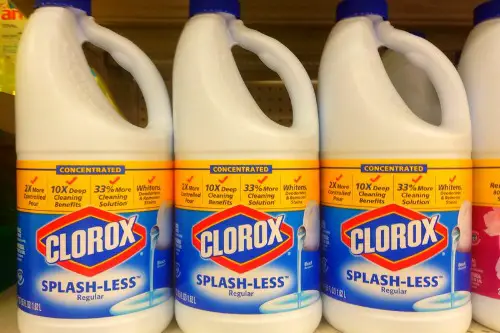
Bleach seems harmless, right? Just a common cleaner. But older high-concentration bleach formulas could be extremely caustic. Mixing them with ammonia or acids could create toxic gases, causing lung irritation or even death in confined spaces. Many people didn’t read warnings carefully, assuming “household” meant safe.
Even regular use required careful ventilation, but families often ignored this. The chemical is still common today, but safety standards and labeling are stricter. Back in the day, it was a recipe for accidents in countless kitchens. Cleaning could become unexpectedly hazardous without realizing it.
This post 13 Household Products That Were Basically Legal Hazards was first published on American Charm.

