
1. Protein Bars
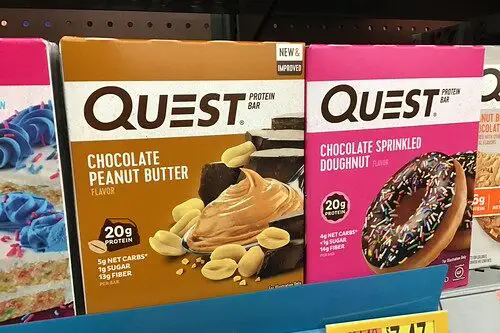
Protein bars are often seen as a health halo for people trying to stay fit. But many of them are loaded with sugar alcohols and syrups to mask the chalky protein taste. Calories can be as high as a candy bar, and some even contain trans fats hidden in processed oils. While they have protein, the sugar and additives can make them worse than a slice of cake.
People eat them thinking they’re fueling their muscles, but the insulin spike from the sugar can lead to fat storage if you’re not exercising immediately. Some protein bars have more sugar than a soda. The problem is that “protein” doesn’t automatically mean “healthy.” Check the label carefully, or you could be sabotaging your diet without knowing it.
2. Granola Bars
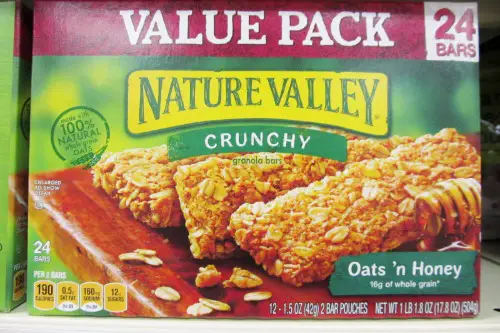
Granola bars are often marketed as the perfect on-the-go breakfast or snack, but many are packed with sugar. A single bar can have as much sugar as a candy bar, sometimes exceeding 15 grams. People assume they’re eating something healthy because of oats or nuts, but those benefits get drowned in the sugar. Plus, some contain oils high in omega-6 fatty acids, which can cause inflammation when eaten in excess.
Even those labeled “low sugar” can have hidden syrups and processed ingredients that spike blood sugar. They’re convenient, sure, but convenience doesn’t always equal nutrition. Eating one as a quick breakfast is almost like starting your day with a sugar bomb. Your body might feel energized briefly, but the crash comes faster than you’d expect.
3. Flavored Yogurt Cups
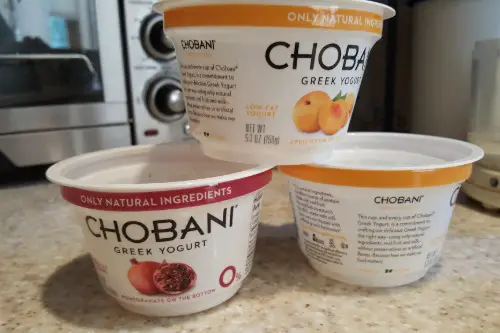
Flavored yogurts may seem like a wholesome choice, especially when the container touts “probiotics” or “calcium.” The problem is the added sugar, which can rival a small dessert. Some single-serve yogurts have over 20 grams of sugar, completely overshadowing the protein or probiotics inside. It’s a sneaky way to make your breakfast feel healthy when really, it’s dessert disguised as yogurt.
Even if you go for “low-fat” versions, they often make up for it with more sugar to maintain taste. Artificial flavors and colorings are also common, which aren’t doing your gut any favors. Plain Greek yogurt with fresh fruit is a much better alternative if you want the health benefits without the sugar rush. Otherwise, it’s basically cake with a bit of calcium.
4. Fruit Snacks
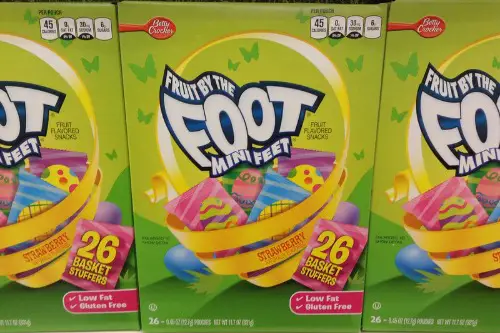
Fruit snacks scream “fruit” and sound innocent, but they are essentially candy in disguise. Most of them are made from corn syrup and gelatin with just a hint of real fruit juice. Kids and adults alike can munch on a whole bag without realizing the sugar content is similar to eating candy. The “fruit” label gives a false sense of nutritional value that isn’t really there.
They’re convenient for lunchboxes, but convenience comes at a cost. The processed sugars in fruit snacks spike blood sugar, giving a short burst of energy followed by a crash. They don’t offer fiber or protein to balance out the sugar load. Eating a piece of actual fruit would provide nutrients and fiber without the blood sugar rollercoaster.
5. Smoothie Bowls
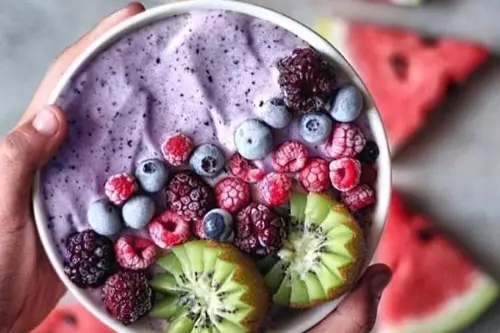
Smoothie bowls look gorgeous, Instagram-worthy, and nutritious, but many are loaded with fruit juice concentrates and toppings dripping in sugar. A typical bowl can have 60 grams of sugar or more, equivalent to three or four slices of cake. Even the seeds and granola sprinkled on top add extra calories without significantly improving satiety. People eat them thinking they’re getting a meal, but it’s mostly sugar disguised in a pretty bowl.
They do provide vitamins and antioxidants, but the high sugar content can spike your blood sugar just like dessert. Adding protein powder helps, but it doesn’t completely offset the sugar overload. You might leave feeling temporarily satisfied, only to get hungry again soon after. A regular breakfast with protein and fiber is a safer bet for sustained energy.
6. Flavored Oatmeal Packets
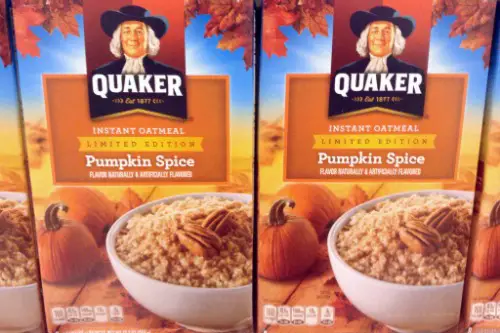
Instant oatmeal packets with flavors like maple brown sugar or cinnamon roll taste comforting but are sugar bombs. One packet can contain up to 12 grams of sugar before you even add milk. They’re technically oats, but the added sugar turns a simple, healthy grain into a processed treat. Eating them for breakfast is closer to eating dessert than a balanced meal.
Even the “healthy” varieties sometimes have added oils or artificial flavors. The fiber from oats is helpful, but the sugar spike can undo the benefits. You might think you’re making a smart choice for heart health, but your body reacts more like it’s getting cake. Sticking to plain oats with fresh fruit is a smarter alternative.
7. Veggie Chips
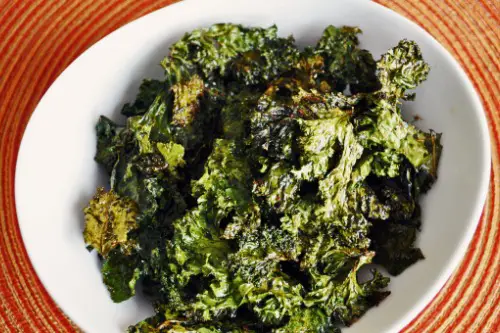
Veggie chips seem healthy because they say “made from real vegetables,” but most are fried or baked with added oils and salt. The cooking process strips away much of the nutritional value, leaving just a crunchy snack. One serving can contain nearly 10 grams of sugar and lots of refined starch. You might feel virtuous eating them, but they’re closer to potato chips than actual vegetables.
They’re convenient for cravings, but they lack fiber and protein to keep you full. The added oils contribute extra calories without providing real nutrition. Eating a handful might seem harmless, but over time it adds up like eating candy. Raw veggies with a dip would provide nutrients without the unnecessary sugar and oils.
8. Low-Fat Muffins

Low-fat muffins are marketed as guilt-free, but reducing fat often means manufacturers add sugar to maintain flavor. One small muffin can have as much sugar as a cupcake, defeating the purpose entirely. They may seem like a breakfast staple, but you’re essentially eating dessert in a paper wrapper. The low-fat label can trick people into overindulging.
Even “whole grain” versions don’t always help; the sugar content still makes them a poor morning choice. Pairing it with coffee might feel normal, but your blood sugar is spiking rapidly. The lack of protein and fiber means you won’t stay full for long. It’s cake for breakfast in disguise.
9. Trail Mix with Candies
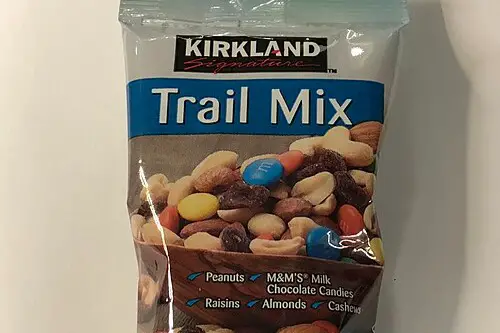
Trail mix can be a healthy snack if it’s mostly nuts and dried fruit—but many commercial mixes sneak in chocolate, M&Ms, or yogurt-covered pieces. Suddenly, you’re eating a sugar-and-calorie bomb that’s hard to resist. One cup of candy-laden trail mix can pack hundreds of calories and 20+ grams of sugar. It’s easy to justify as healthy, but the candy makes it dessert masquerading as trail fuel.
People think the nuts make it a balanced snack, but sugar dominates the mix. Eating it mindlessly leads to overeating, especially if it’s meant for a hiking snack. For real health benefits, stick to a mix of nuts, seeds, and unsweetened dried fruit. Otherwise, you might as well have had a slice of cake.
10. Fruit Juices
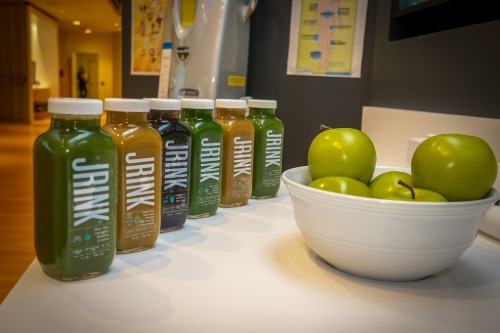
Fruit juice is often considered part of a healthy diet, but a glass can have as much sugar as a soda. Even 100% juice lacks the fiber of whole fruit, causing rapid blood sugar spikes. Drinking it in the morning is like drinking a sugar cocktail before breakfast. People assume it’s healthy, but your body doesn’t see the nutrients the same way it does from whole fruit.
Juices often lead to overconsumption because liquid calories don’t fill you up like solid food. Even “cold-pressed” or “organic” juices are sugar-heavy. Pairing it with cereal or toast just doubles down on refined carbs. Whole fruit is a much better choice for sustained energy and nutrition.
11. Frozen Yogurt

Frozen yogurt seems healthier than ice cream, but many servings contain nearly the same amount of sugar and fat. People choose it thinking it’s a guilt-free treat, but toppings like caramel, chocolate, and granola push sugar content through the roof. A typical serving can easily exceed 30 grams of sugar. You’re essentially eating dessert with a yogurt label.
Even if you skip the toppings, flavored frozen yogurt has added sugar to make it palatable. Portion sizes are often misleading, making it easy to consume far more calories than intended. The “healthy” image tricks people into eating more than they would with traditional ice cream. Enjoying it occasionally is fine, but calling it a snack isn’t accurate.
12. Rice Cakes with Toppings
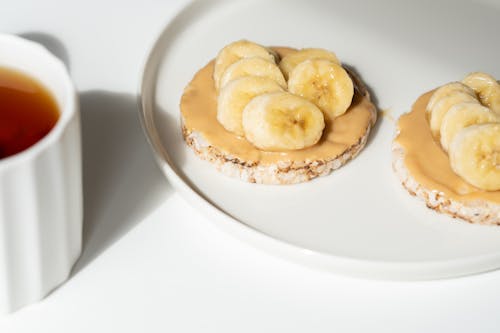
Plain rice cakes are low in calories, but they’re often topped with peanut butter, chocolate spread, or honey. Suddenly, a snack meant to be light becomes loaded with sugar and fat. The puffed rice itself is just refined carbs that spike blood sugar quickly. People think they’re being healthy because the base is low-calorie, but the toppings ruin it.
Even nut butter can be high in sugar if it’s sweetened, and spreads like chocolate hazelnut are dessert disguised as breakfast. Eating two or three “topped” rice cakes can equal a small slice of cake in calories. The illusion of healthiness makes it easy to overeat. Pairing rice cakes with fresh fruit is a safer route.
13. Energy Drinks
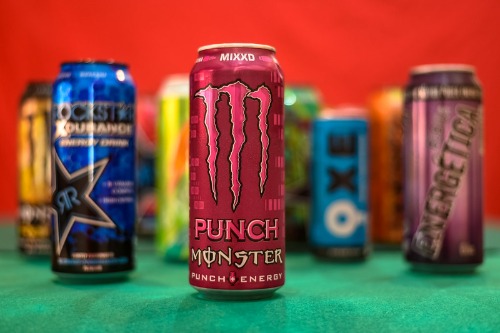
Energy drinks are technically marketed as a performance booster, but many are full of sugar, artificial flavors, and caffeine. A single can often has the same sugar content as multiple slices of cake. They give a quick burst of energy, but the crash is inevitable. People assume they’re healthy because of added vitamins, but the sugar outweighs any benefit.
Drinking one in the morning is essentially dessert with a caffeine kick. The high sugar content can negatively affect your metabolism and energy levels. They don’t provide lasting satiety, so cravings return fast. You’d be better off with water, tea, or coffee and a balanced breakfast to start your day.
This post 13 ‘Healthy’ Snacks That Are Worse Than Eating Cake for Breakfast was first published on American Charm.