
1. The Shift from Letters to Instant Messaging

For generations, staying in touch meant writing letters and waiting days for a reply. Phone calls were deliberate and sometimes expensive, especially long-distance ones. Then email arrived and quietly shortened communication from days to minutes. Text messaging and messaging apps made conversation feel continuous.
This gradual shift changed how people maintain relationships and share news. Plans became easier to coordinate, but conversations also grew more fragmented. Handwritten correspondence faded from everyday life. The pace of social interaction sped up without most people noticing it happening.
2. From Cash Registers to Digital Payments
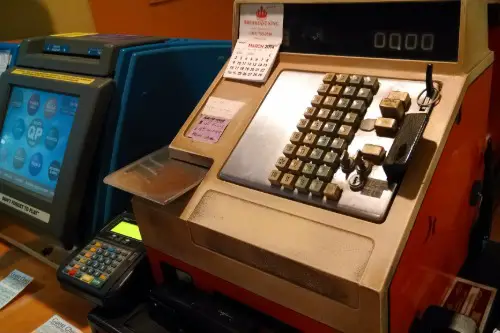
Shopping once meant cash, checks, and a lot of mental math at the counter. Clerks counted change by hand and receipts were handwritten or printed on simple rolls. Credit cards slowly became common, followed by debit cards. Now phones and smartwatches can complete purchases in seconds.
This transition reshaped how people think about money. Physical currency became less visible in daily routines. Budgeting shifted from envelopes and ledgers to apps and online banking. Spending grew more frictionless, for better and sometimes worse.
3. The Move from Broadcast Schedules to On-Demand Viewing
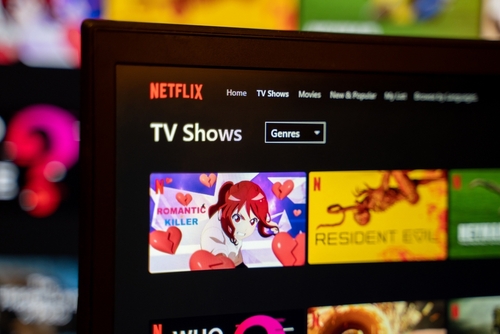
Families once planned evenings around TV schedules printed in newspapers. Missing a show often meant waiting for a rerun months later. Cable expanded choices, but programs still aired at fixed times. Streaming platforms eventually removed the clock from entertainment.
Viewers gained control over when and how they watch. Binge-watching became normal instead of unusual. Shared “everyone saw it last night” moments grew less common. Entertainment shifted from collective timing to personal convenience.
4. Navigation Changing from Paper Maps to GPS
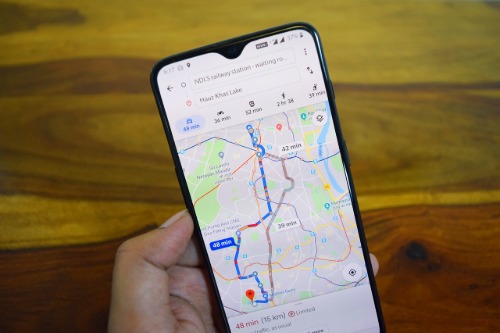
Road trips once started with unfolding a large paper map on the hood of a car. Drivers memorized highways, exits, and landmarks before leaving. Getting lost was frustrating but common, and problem-solving was part of the journey. Directions were often written on sticky notes.
GPS devices and smartphone navigation gradually replaced that ritual. Turn-by-turn directions reduced guesswork and travel stress. People began relying less on memory and spatial awareness. Navigation became passive instead of participatory.
5. Photography Moving from Film to Digital
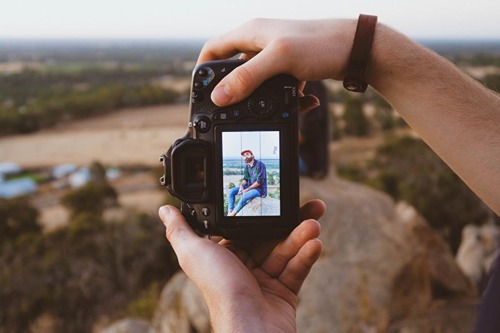
Taking photos once meant buying film rolls and limiting each shot. You waited days to see how pictures turned out. Mistakes were permanent and experimentation was expensive. Photo albums were physical and carefully curated.
Digital cameras and smartphones removed those limits. Thousands of photos could live on a single device. Sharing images became instant through social platforms. Memories shifted from printed keepsakes to searchable archives.
6. Music Evolving from Physical Media to Streaming
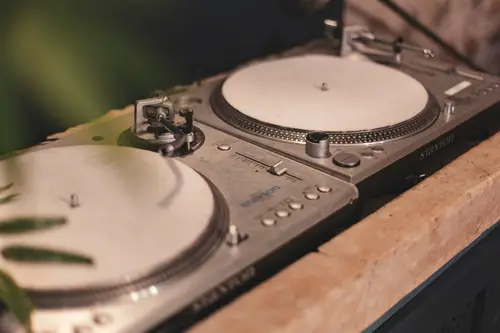
Music collections once filled shelves with vinyl, cassettes, and CDs. Listening meant choosing an album and playing it start to finish. Radio introduced new songs but offered limited control. Portability improved slowly with Walkmans and Discman players.
Digital files and streaming platforms changed ownership into access. Entire catalogs became available without physical storage. Playlists replaced albums as the default listening format. Music became something you carry invisibly everywhere.
7. Research Moving from Libraries to Search Engines
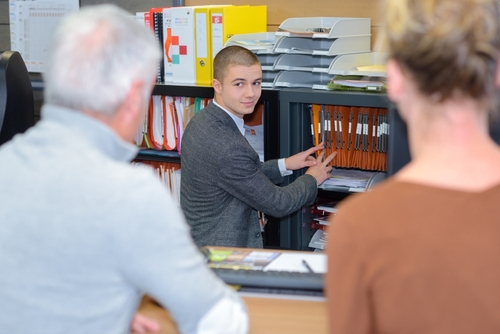
School projects once began with library visits and reference desks. Students learned card catalogs, encyclopedias, and citation formats early. Information gathering required patience and physical effort. Browsing shelves often led to unexpected discoveries.
Search engines made information retrieval nearly instant. Online databases replaced many physical reference tools. The volume of accessible knowledge expanded dramatically. Research became faster but required new skills to judge credibility.
8. Shopping Shifting from Local Stores to Online Marketplaces

Buying something once meant visiting multiple stores in person. Store hours and inventory limited what was available. Mail-order catalogs offered alternatives but required waiting weeks. Local businesses anchored many shopping routines.
E-commerce gradually changed expectations about convenience. Products could be compared, reviewed, and delivered quickly. Storefront traffic declined in many areas. Shopping turned from an outing into an on-demand task.
9. Work Moving from Offices to Flexible and Remote Setups
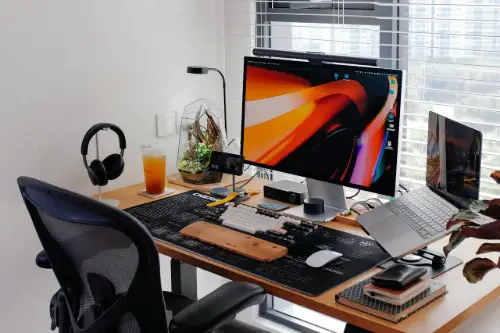
Office work once required commuting to a central workplace every day. Meetings happened face-to-face in conference rooms. Work hours were more rigid and location-dependent. Collaboration depended on physical proximity.
Internet access and cloud tools enabled gradual flexibility. Remote work grew steadily before accelerating dramatically in the 2020s. Video calls replaced many in-person meetings. The boundary between home and workplace became more fluid.
10. News Consumption Shifting from Newspapers to Real-Time Feeds

Morning papers and evening broadcasts once defined the news cycle. Information arrived at predictable times each day. Editors decided what stories reached the public. Updates unfolded at a measured pace.
Digital platforms introduced continuous news streams. Social media and alerts deliver updates instantly. Audiences now follow developing stories in real time. The news cycle compressed from daily to minute-by-minute.
11. Socializing Moving from In-Person Defaults to Hybrid Interaction

Hanging out once meant showing up physically at shared spaces. Friendships grew through schoolyards, workplaces, and neighborhood routines. Social plans were made through calls or face-to-face conversations. Presence was the default expectation.
Online platforms gradually added digital layers to relationships. Messaging, gaming, and social media created constant connection. People now blend in-person and online interaction seamlessly. Social life expanded beyond physical boundaries.
This post Gradual Changes That Reshaped Daily Life Across Generations was first published on American Charm.