
1. San Francisco, California
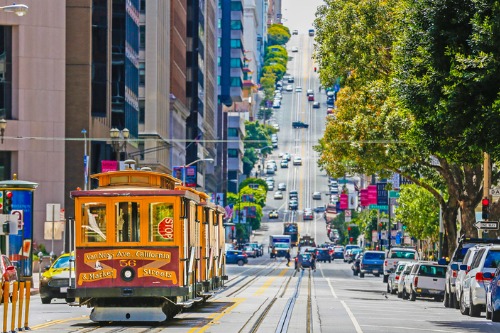
Getting older in San Francisco often means trying to keep up with one of the most expensive housing markets in the country. Even long-time residents can struggle with rising rents, property taxes, and everyday costs that outpace fixed retirement incomes. The city’s famously steep hills make simple errands physically demanding as mobility changes with age. Add crowded sidewalks and aggressive traffic patterns, and daily navigation can feel draining.
Healthcare quality is excellent, but access can be complicated. Parking near medical facilities is scarce and costly, and public transit isn’t always reliable for those who can’t stand or walk long distances. Many neighborhoods lack nearby grocery stores or pharmacies, forcing longer trips. Routine tasks often require careful planning and extra energy.
2. New York City, New York
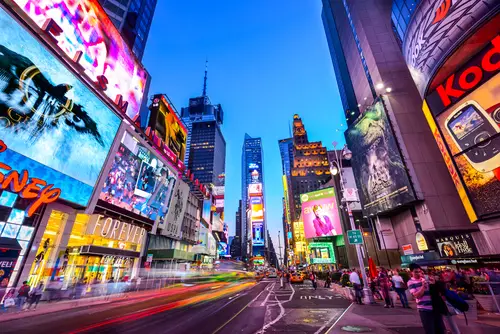
New York City offers endless amenities, but aging here can feel relentless. Walk-up apartments are common, elevators are unreliable, and stairs are unavoidable in many older buildings. The cost of living is punishing for retirees, especially when rent, utilities, and food prices keep rising. Noise and constant stimulation can wear people down over time.
Public transportation is extensive but not consistently senior-friendly. Many subway stations still lack elevators, and service disruptions can mean long walks or long waits. Healthcare access is broad, yet appointments can feel rushed in overcrowded systems. The city rarely slows its pace, even when residents need it to.
3. Los Angeles, California
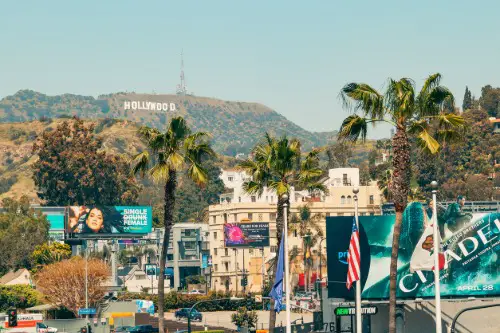
Los Angeles can be especially challenging to age in if driving becomes difficult or impossible. The city’s vast sprawl puts grocery stores, doctors, and social activities miles apart. Limited walkability in many neighborhoods reduces independence over time. Traffic congestion turns even short trips into stressful ordeals.
Healthcare quality is high, but reaching providers often involves long drives or complicated transit routes. Heat waves are becoming more frequent and intense, increasing health risks for older adults. Social isolation is common when mobility decreases in car-dependent areas. Without strong local support, daily life can feel increasingly restrictive.
4. Miami, Florida
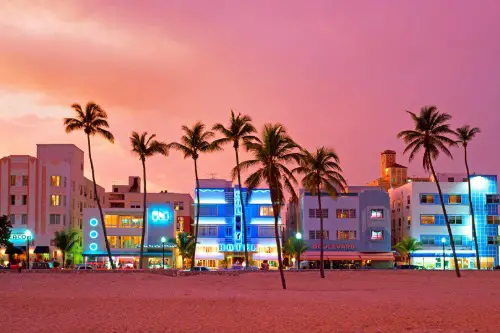
Miami attracts retirees, but aging there isn’t always easy. The cost of housing has risen sharply, putting pressure on seniors living on fixed incomes. High humidity and extreme heat can worsen chronic conditions and limit outdoor activity. Hurricane season adds another layer of stress and preparation.
Healthcare access varies widely depending on neighborhood and insurance coverage. Traffic congestion and limited public transit make getting around difficult without a car. Language barriers can complicate medical care and social services for some residents. Over time, managing daily life requires constant adjustment.
5. Chicago, Illinois

Chicago’s harsh winters are a major challenge for older adults. Snow, ice, and freezing temperatures make walking dangerous and limit social activity for months at a time. Heating costs can spike during winter, straining fixed budgets. Older housing stock often lacks modern accessibility features.
Public transit is widespread but not always easy to navigate with mobility issues. Waiting outdoors for buses in extreme cold can be physically taxing. Healthcare options are strong, yet reaching them during bad weather can be difficult. Seasonal isolation is a common concern for seniors.
6. Seattle, Washington

Seattle’s aging population faces a growing affordability problem. Housing prices and property taxes have climbed steadily, making it hard for long-term residents to stay. The city’s hilly terrain can be tough on aging joints and balance. Persistent rain can also discourage regular outdoor activity.
While healthcare quality is high, access can depend heavily on location. Public transportation works well in some areas but poorly in others. Social isolation can increase during long, gray winters. For many seniors, staying active requires extra effort and planning.
7. Boston, Massachusetts
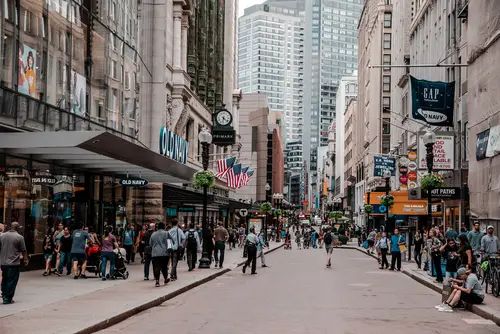
Boston’s charm comes with significant challenges for older residents. Narrow sidewalks, uneven pavement, and historic buildings make mobility harder with age. Housing costs are among the highest in the country, especially near medical centers. Cold winters further complicate daily movement.
Healthcare access is world-class, but navigating large hospital systems can be overwhelming. Public transit stations often involve stairs and long walking distances. Crowded streets make simple errands feel stressful. Aging here often means balancing excellent care with physical strain.
8. Phoenix, Arizona
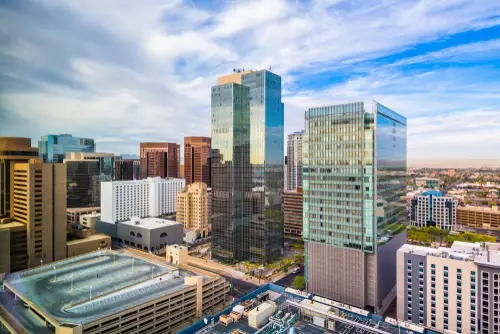
Phoenix presents serious challenges related to extreme heat. Long stretches of triple-digit temperatures limit outdoor activity and increase health risks. Many neighborhoods are designed for cars, not pedestrians. Losing the ability to drive can sharply reduce independence.
Healthcare access is improving, but demand often outpaces availability. Public transit options are limited in sprawling suburbs. Cooling costs during summer months can be financially burdensome. Daily life revolves around avoiding heat exposure.
9. Las Vegas, Nevada
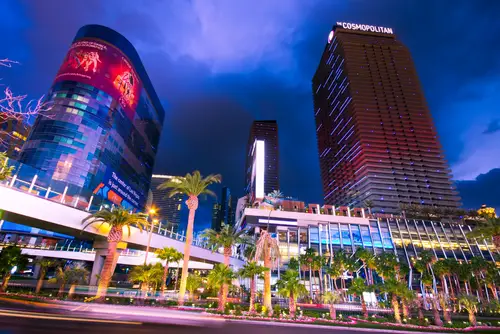
Las Vegas is not just a tourist destination; many seniors live there year-round. The desert climate brings intense heat that can be dangerous for older adults. The city’s spread-out layout makes driving essential for most errands. Walkable neighborhoods are relatively rare.
Healthcare access is more limited than in similarly sized cities. Specialized care often requires long waits or travel outside the area. Social services for seniors are stretched thin as the population grows. Aging here can feel isolating without strong personal support networks.
10. Houston, Texas
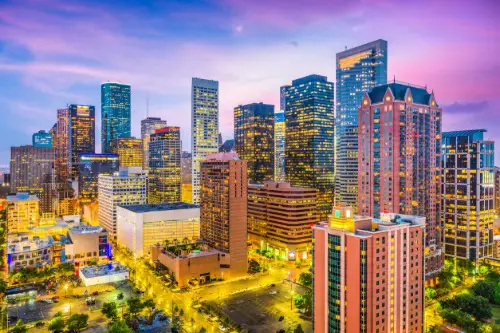
Houston’s size and sprawl make aging in place difficult. Essential services are often far apart, and public transit coverage is inconsistent. Heavy traffic adds stress and unpredictability to daily routines. Flooding and extreme weather events are ongoing concerns.
Healthcare quality is strong, but reaching appointments often requires long drives. Heat and humidity can exacerbate health conditions. Sidewalks and pedestrian infrastructure are lacking in many areas. Maintaining independence becomes harder over time.
11. Atlanta, Georgia

Atlanta’s rapid growth has increased costs and congestion. Older adults may struggle with rising housing prices and property taxes. The city’s car-dependent layout limits mobility for non-drivers. Traffic congestion turns simple errands into major outings.
Public transportation is limited compared to the metro area’s size. Healthcare options are solid, but access varies widely by neighborhood. Hot summers can restrict outdoor activity. Aging here often requires careful coordination of transportation and care.
12. Denver, Colorado
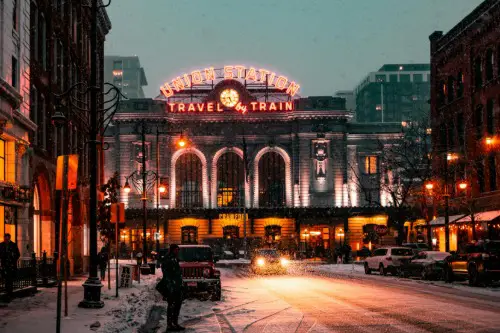
Denver’s popularity has driven up housing costs significantly. Seniors on fixed incomes may feel squeezed by rent and property tax increases. Winter weather brings snow and ice that make walking risky. Altitude can also complicate certain health conditions.
Public transit works well in central areas but less so in suburbs. Healthcare access is generally good, but appointment availability can be limited. Outdoor recreation is abundant but not always accessible as mobility changes. Daily life can require scaling back activities.
13. Honolulu, Hawaii
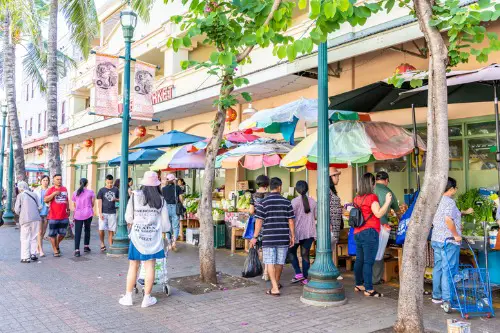
Honolulu’s natural beauty comes with a high cost of living. Groceries, utilities, and housing are significantly more expensive than on the mainland. Many seniors struggle to make fixed incomes stretch far enough. The island geography limits options for specialized medical care.
Healthcare access can involve long waits and limited provider choice. Traffic congestion makes short trips frustrating and time-consuming. Aging in place can feel isolating when family lives far away. Everyday necessities require careful budgeting and planning.
This post Getting Older Is a Daily Struggle in These 13 Cities was first published on American Charm.

