1. Madison, Wisconsin
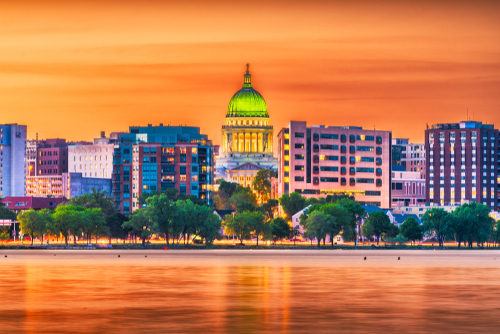
Madison is shaped by water, sitting between Lake Mendota and Lake Monona. That geography encourages daily walks, paddling, and lakeside routines. The city’s workforce includes many university and public-sector jobs with predictable schedules. That stability makes personal time easier to protect.
The city is consistently ranked as bike-friendly, and many people commute without long drives. Neighborhoods feel calm and human-scaled rather than rushed. Winter changes activities but not priorities, shifting leisure to skating and skiing. Free time here adapts to the season instead of disappearing.
2. Portland, Oregon
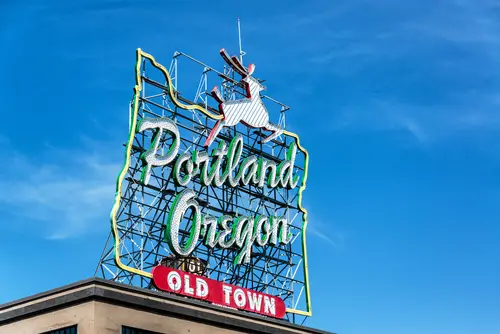
Portland earns its spot because the outdoors are stitched directly into daily life. Forest Park is one of the largest urban forests in the U.S., and it’s minutes from downtown neighborhoods. The city’s strong biking culture and walkable districts cut down on daily friction. When people log off here, they genuinely head outside.
Food carts, farmers markets, and compact neighborhoods make everyday errands faster. Many residents don’t rely heavily on cars, which quietly returns hours each week. Even with frequent rain, the culture encourages getting out anyway. Free time in Portland feels habitual rather than hard-won.
3. Boulder, Colorado
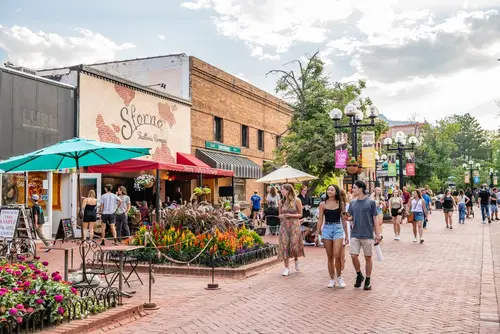
Boulder’s access to the Flatirons puts hiking trails directly at the edge of town. Outdoor breaks before or after work are a normal part of life. Many employers actively support flexible schedules tied to wellness. That alignment between work and lifestyle is central to Boulder’s appeal.
The city’s compact layout reduces commute times for many residents. Extensive bike paths connect neighborhoods to trails and open space. Instead of planning trips, people often fit nature into ordinary days. Leisure here blends seamlessly with routine.
4. Minneapolis, Minnesota

Minneapolis stands out for its extensive park system and lake access. The Grand Rounds trail network links parks and waterfronts across the city. This design makes it easy to fit exercise or downtime into daily life. You don’t need to leave town to feel restored.
The city also has a cultural respect for work-life balance. Even in corporate environments, evenings and weekends are often protected. Winters are long, but they encourage intentional leisure rather than burnout. Free time here is structured and valued.
5. San Diego, California
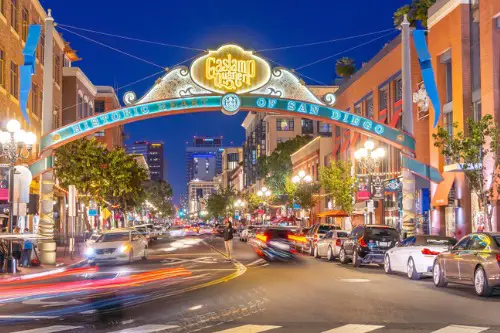
San Diego’s climate makes outdoor leisure almost effortless. Beaches, coastal trails, and parks are usable year-round. That consistency removes planning barriers to relaxation. Even short breaks can feel like mini-resets.
Neighborhoods often combine residential areas with walkable amenities. Surfing, running, or sunset walks fit naturally into daily schedules. While the city is spread out, many pleasures are close to home. Free time here feels casual and sun-soaked.
6. Seattle, Washington
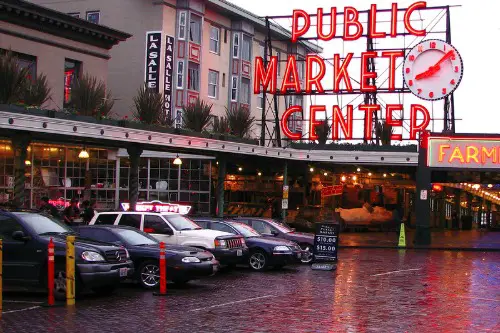
Seattle offers rare access to both water and mountains. Puget Sound, nearby lakes, and national parks are all within reach. The city’s culture generally respects personal boundaries around work. That helps preserve evenings and weekends.
Coffee shops and neighborhood hubs encourage slower, social routines. Even gloomy weather invites reflection rather than urgency. Outdoor activities continue year-round with the right gear. Free time here feels thoughtful and deliberate.
7. Austin, Texas
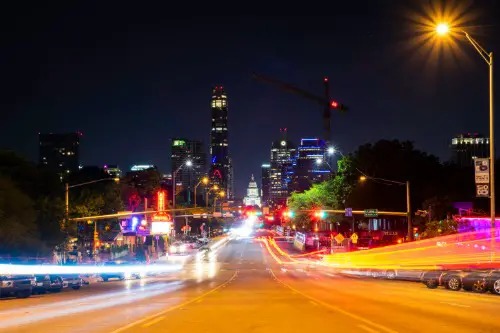
Austin integrates recreation directly into city life. Barton Springs, Lady Bird Lake, and the Greenbelt are central gathering places. Residents regularly swim, paddle, or hike without leaving town. Leisure doesn’t require elaborate planning.
The city’s creative and tech sectors have normalized flexible schedules. Live music and outdoor events happen throughout the week. Social life often starts early and ends comfortably. Free time here feels energetic and communal.
8. Raleigh, North Carolina
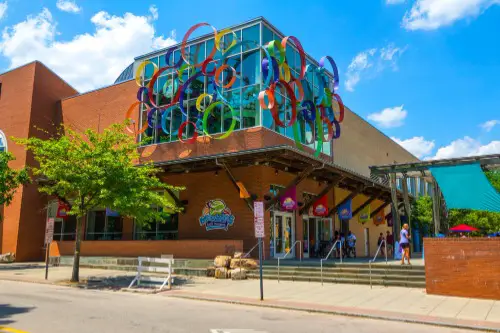
Raleigh benefits from a strong job market without the pace of a major metro. The Research Triangle supports stable employment across industries. Greenways and parks run through residential areas. That proximity makes quick outdoor breaks easy.
Commutes are generally manageable compared to larger cities. Weekends often revolve around trails, breweries, and college sports. The pace feels steady but not rushed. Free time here feels balanced and sustainable.
9. Ann Arbor, Michigan
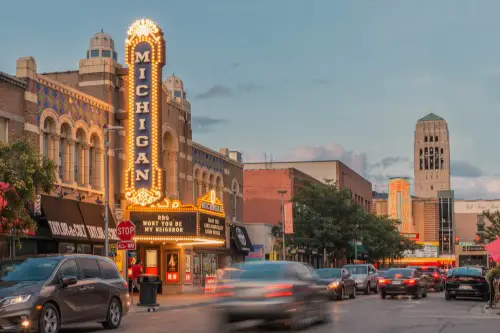
Ann Arbor’s university influence shapes its relationship with time. Academic calendars, walkability, and cultural events set a measured rhythm. Many residents live close to work or campus. That reduces daily stress and wasted time.
The city has ample parks and access to the Huron River. People tend to maintain hobbies alongside professional lives. Cultural and outdoor activities coexist comfortably. Free time here feels purposeful and well-used.
10. Burlington, Vermont
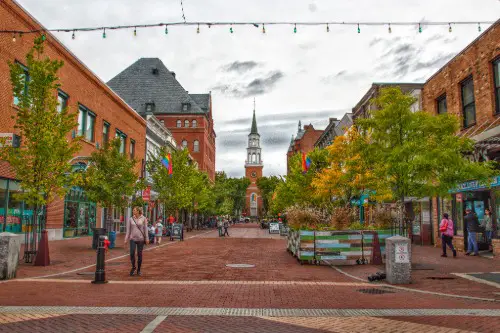
Burlington’s small size plays a big role in its quality of life. Lake Champlain is central to daily routines, not a destination. Residents often structure their days around daylight and seasons. That mindset naturally protects personal time.
The city emphasizes local businesses and community events. Commutes are short, and traffic is minimal. Outdoor recreation is part of everyday identity. Free time here feels grounded and authentic.
11. Fort Collins, Colorado
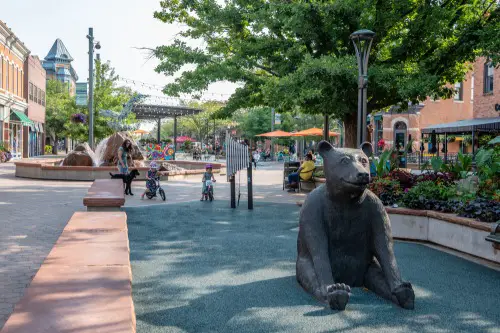
Fort Collins blends college-town energy with outdoor access. The Cache la Poudre River and nearby foothills shape local routines. Many residents bike to work using the city’s extensive trail system. That reduces commute stress and saves time.
The job market includes education, clean energy, and engineering roles. Work schedules tend to be predictable and flexible. Outdoor activities are woven into weekdays, not just weekends. Free time here feels active and accessible.
12. Santa Fe, New Mexico
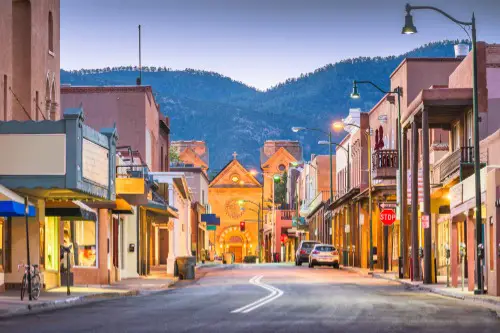
Santa Fe moves at a noticeably slower pace than many U.S. cities. Its high desert setting encourages reflection and outdoor walks. The arts-driven economy values creativity over constant urgency. That cultural tone shapes daily life.
Many residents prioritize mornings and evenings for personal time. Traffic is light, and distances are short. Hiking and cultural activities are close by. Free time here feels intentional and restorative.
13. Asheville, North Carolina
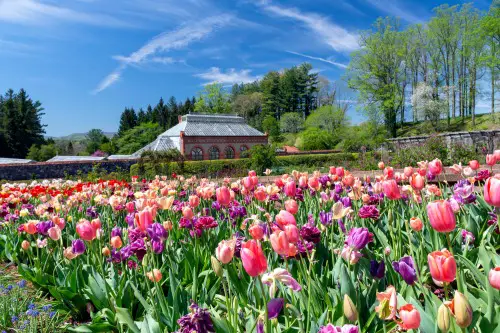
Asheville’s location in the Blue Ridge Mountains defines its lifestyle. Hiking trails and scenic drives are minutes from downtown. The city’s economy leans toward tourism, healthcare, and small businesses. That mix often allows for flexible routines.
Neighborhoods support walkability and local gathering spots. Breweries, music venues, and outdoor spaces encourage casual downtime. Life feels community-oriented rather than hurried. Free time here feels social and nature-forward.
This post Free Time Is the Real Luxury in These Cities was first published on American Charm.