
1. Thurmond, West Virginia

Thurmond was once a thriving Chesapeake & Ohio Railway hub, its depot and hotel bustling with passengers and rail crews. When the rise of automobiles and highways shifted travel patterns, rail traffic plummeted. Freight operations continued for decades, but the passenger trains that made the town vibrant vanished. Though the depot is preserved by the National Park Service, the daily rumble of trains serving local life is long gone.
Today, Thurmond is one of the smallest incorporated towns in America, with only a handful of residents. Its empty commercial buildings sit quietly beside the tracks, a dramatic contrast to the noise they once knew. Amtrak still passes through but doesn’t meaningfully revive the local economy. The town feels like it’s holding its breath, listening for a comeback that isn’t coming.
2. Bodie, California
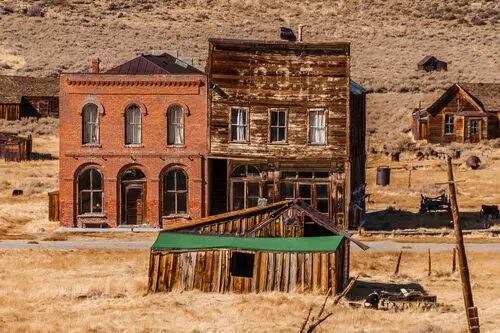
Bodie sprang up fast in the late 1800s, and the railroad was a lifeline for hauling ore and supplies in and out of the mountains. When the mines slowed, the trains did too, eventually stopping altogether. The tracks were pulled up, leaving the town isolated long before its final residents drifted away. Today, it sits preserved as a state historic park, waiting for trains that are never coming back.
Walking through Bodie feels like opening a time capsule that’s been sealed for a century. Many buildings still stand exactly as they were left, down to the furniture and personal belongings. Without rail access, the town had no real way to sustain itself; roads came later, but too late to matter. What remains is a frozen reminder of how essential the railroad once was to survival.
3. Glenrio, Texas/New Mexico
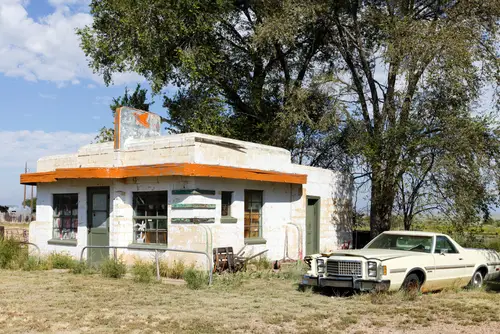
Glenrio once thrived on a combination of railroad activity and Route 66 travelers. When the railroad cut back service and the interstate bypassed the town, life drained out quickly. The old rail siding and depot area have long since gone quiet. With fewer and fewer reasons for trains to stop, Glenrio simply faded into the desert.
Even today, you can walk through Glenrio and imagine how busy it once was. Its motels, cafes, and service stations sit mostly abandoned, weathered by time. The tracks are still nearby, but the town no longer has a role in rail logistics. It’s a place that feels permanently paused, waiting for a train that has no plans to return.
4. Lamy, New Mexico

Lamy was built specifically because of the Atchison, Topeka & Santa Fe Railway, which routed its main line through the town instead of Santa Fe. For decades, it was a crucial transfer point for travelers heading into the capital. But as rail travel declined and roads improved, Lamy’s importance evaporated. The depot remains charming, yet the era of bustling connections is long over.
While Amtrak still technically stops in Lamy, the station barely resembles the vibrant hub it once was. The town’s few remaining buildings feel more like a historical backdrop than a working community center. The local economy no longer depends on rail passengers, who are fewer every year. Lamy waits quietly, living in the shadow of the tracks that once defined it.
5. Ely, Nevada
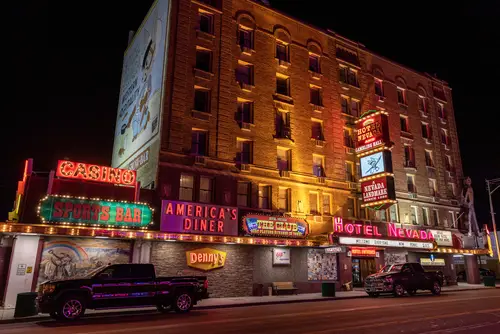
Ely rose with the copper boom, and the railroad was essential for transporting ore from the surrounding mines. When mining declined and trucking became more efficient, the rails lost their purpose. Regular freight service ended, and the town was left without the trains that once supplied its lifeblood. The Nevada Northern Railway survives only as a historic attraction, not a functional transport link.
The museum and excursion trains keep Ely’s railroad heritage alive, but they’re not a return to the town’s industrial heyday. Visitors come for nostalgia rather than commerce. Locals know that the economic engines that once roared through the canyon are gone for good. Ely keeps the memory polished, even as the real trains never come back.
6. Cairo, Illinois
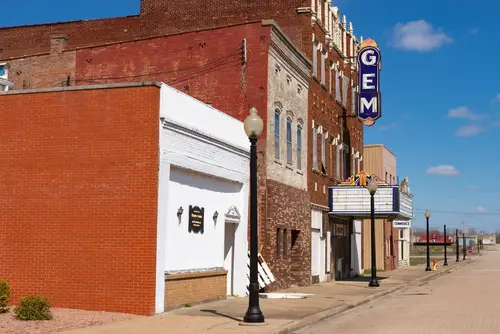
Cairo once sat at the crossroads of major rail and river traffic, a strategic point where goods and passengers moved between regions. Over time, economic struggles and the shift toward highway and air travel undercut its importance. Railroads reduced service and eventually abandoned some lines into the city. What was once a bustling interchange became a quiet, nearly deserted town.
Today, Cairo’s empty downtown streets tell the story of a place that lost its momentum when the rails slowed. The old rail infrastructure still threads through the area, but much of it is unused. Without freight or passenger trains to anchor industry, local businesses withered. Cairo now feels stuck in a long, silent wait for trains that won’t return.
7. Centralia, Pennsylvania
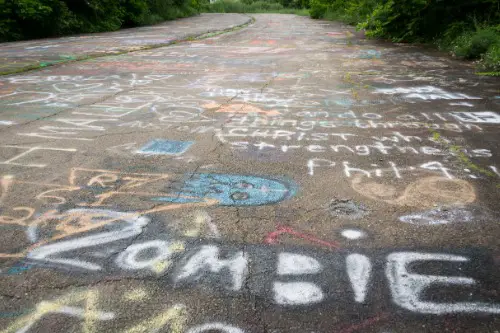
Centralia was built on coal, and the railroad was the essential link that carried that coal to market. After the mine fire began burning underground in the 1960s, residents were forced to relocate. Rail activity dropped sharply because the town no longer had a population or industry to serve. Eventually, the trains that once echoed through the valley disappeared entirely.
Now almost completely abandoned, Centralia is more of a cautionary tale than a functioning town. A few streets and foundations remain, but the community is essentially gone. The rail lines have no reason to come back without the mines or residents to support them. Centralia’s quiet is both eerie and absolute.
8. Winslow, Arkansas
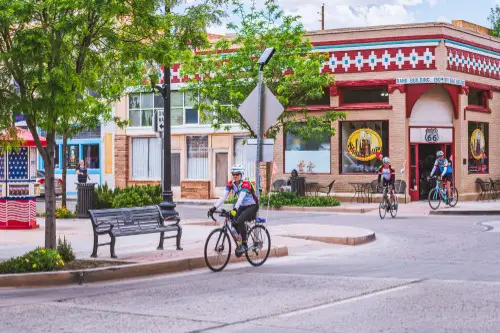
Winslow developed as a railroad town along the St. Louis–San Francisco Railway, positioned near the historic Winslow Tunnel. When passenger service dwindled and operations shifted elsewhere, the town lost the steady flow of workers and travelers. Freight moved to other routes, leaving Winslow without the rail traffic it once depended on. The iconic tunnel still stands, but few trains rumble through.
Today, Winslow is a small, scenic community with a nostalgic link to its rail-rich past. Without regular service, its station area feels more like a memory than a crossroads. Visitors who come for hiking or history find traces of the railroad woven into the landscape. But the era of Winslow as a rail hub is over for good.
9. Klamath Falls, Oregon
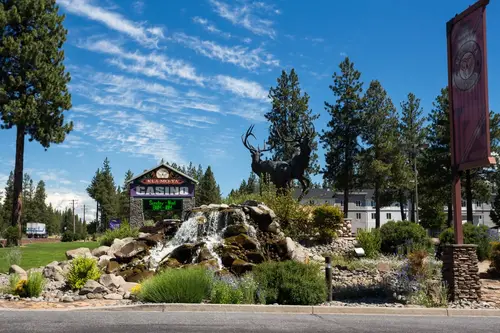
Klamath Falls once thrived on lumber, and the railroad was key in shipping timber across the West. As the timber industry contracted and mills closed, freight demands fell sharply. Some rail lines servicing the area reduced operations or shut down. The town no longer relies on rail the way it once did, and many associated jobs disappeared.
Though rail still technically passes through the region, it doesn’t revitalize the community in the old way. The booming rail yards of decades past are a shadow of what they once were. Residents remember trains as a symbol of steady work and growth, but those days are firmly in the rearview mirror. Klamath Falls has moved on, even if a few tracks remain.
10. Shamokin, Pennsylvania

Shamokin grew rapidly during the anthracite mining boom, and the railroad made the entire operation possible. Coal cars once rolled out daily, carrying the region’s livelihood to distant markets. When mining declined in the mid-20th century, rail shipments dwindled in tandem. What had been a rail-reliant town suddenly had little to send or receive.
Today, Shamokin survives as a small community with deep historical roots but little rail activity. The old stations and yards reflect a time when the town was economically indispensable. Without the industry that justified rail lines, the trains simply stopped coming. Shamokin now looks back on its rail era as a chapter that won’t be rewritten.
11. Leadville, Colorado
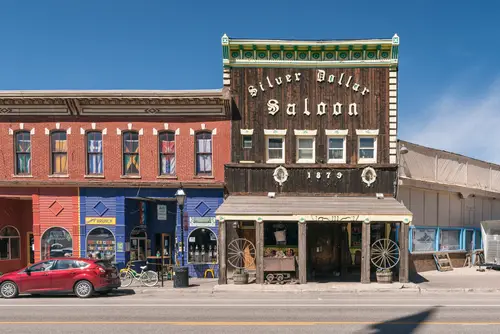
Leadville’s railroads once hauled silver, supplies, and workers up into the high country. When mining collapsed, the trains that fed the boom lost their purpose. Passenger service faded, and freight operations shrank to almost nothing. By the time the 20th century progressed, Leadville no longer depended on the railroad at all.
A tourist train now climbs the mountains, but it’s a far cry from the industrial railway that once powered the city. The excursion rides are popular, yet they don’t restore the economic engine the mines and trains once formed together. The town embraces its heritage while acknowledging that the original railroad era is over. Leadville’s future now rests in tourism, not iron rails.
12. Tonopah, Nevada
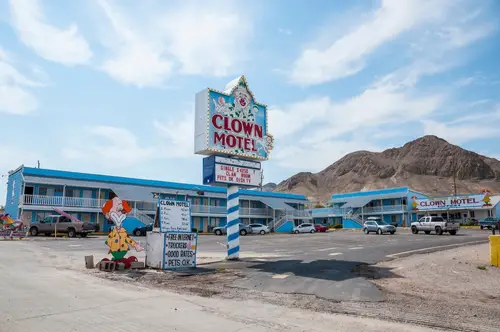
Tonopah blossomed after rich silver discoveries, and rail service quickly followed to haul ore and bring in equipment. When the mines declined, the rail lines found themselves without cargo to justify their upkeep. Eventually, the tracks into Tonopah were abandoned entirely. The lack of a rail connection helped accelerate the town’s economic slowdown.
Now Tonopah leans on tourism and history to keep its identity alive. The old rail beds can still be traced in places, but the trains they once carried are long gone. Visitors come for mining museums and desert scenery rather than rail nostalgia. The town waits in the quiet desert, knowing the whistles won’t return.
This post 12 Former Railroad Towns Still Waiting for a Train That Will Never Come Back was first published on American Charm.

