
1. Enjoying Long, Slow Meals

Travelers to Italy, Spain, or France quickly notice that meals are events, not rushed obligations. Sitting for an hour or two over food and conversation feels luxurious compared to typical American speed-eating. When they return home, they try to recreate that sense of presence at the table. It becomes a way to bring people closer, even on a weeknight.
They keep the tradition because it boosts connection and reduces stress. A simple dinner becomes a chance to unwind instead of something to “get through.” Americans who adopt it often notice better digestion and fewer screens at the table. Over time, the slower pace becomes a cherished daily ritual.
2. Taking Shoes Off Indoors
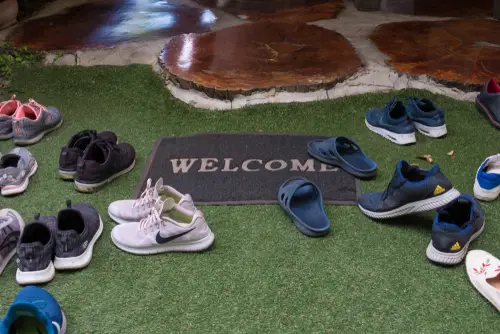
Americans who visit countries like Japan or Sweden often come home with the habit of removing shoes indoors. They realize how much cleaner floors stay when outdoor dirt doesn’t get tracked inside. The simplicity of slipping into house slippers feels surprisingly comforting. Soon enough, it becomes a “why didn’t we always do this?” kind of tradition.
They keep doing it because it instantly makes a home feel calmer and more intentional. Visitors often follow suit without being asked, which helps reinforce the habit. Many Americans also find it reduces cleaning time, which is a big win. The small ritual becomes a reminder of trips where they felt peaceful and grounded.
3. Using Bidets

Many Americans first encounter bidets in Europe, the Middle East, or parts of Asia. After the initial surprise, they realize they’re actually cleaner and gentler than toilet paper alone. Once they try it, going back feels like downgrading. This leads many to install bidet attachments at home.
They stick with it because it’s hygienic, eco-friendly, and cost-effective. People often talk about how their travel memories convinced them to make the switch. It reduces toilet paper waste noticeably, which appeals to eco-conscious travelers. Plus, it feels like a tiny luxury every single day.
4. Afternoon Coffee Breaks

Countries like Sweden (with fika) and Italy make mid-afternoon coffee feel like a cultural pillar. Americans who experience it realize that a break doesn’t have to be rushed or guilt-inducing. It’s about slowing down with a pastry, a warm drink, and maybe a friend. That tiny pause can turn a stressful day around.
They keep the habit because it makes their daily routine more enjoyable. It encourages them to step away from work instead of powering through fatigue. Many find it boosts their mood and productivity afterward. It becomes a small piece of European calm in an otherwise busy schedule.
5. Walking More as Daily Transportation
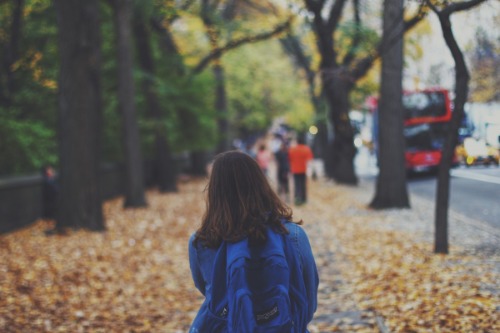
After traveling to cities like Paris, Copenhagen, or Seoul, Americans often return with a newfound love for walking. They realize how much they enjoyed wandering without needing a car for every errand. Exploring neighborhoods becomes a way to feel more connected to their surroundings. Many even start choosing walkable areas when they move.
They continue because walking improves their health and reduces stress. It’s an easy exercise that doesn’t require gym clothes or planning. The habit also reminds them of exploring foreign streets filled with cafés and shops. It’s a simple tradition that reshapes how they approach everyday life.
6. Embracing Hygge-Style Coziness

Scandinavian countries teach visitors the art of intentional coziness. Soft blankets, warm lighting, and slow evenings become part of the culture they fall in love with. Americans bring this home because it makes winter feel less harsh and more comforting. It transforms their space into a retreat rather than a place they just pass through.
They keep doing it because hygge emphasizes simplicity and well-being. It encourages them to slow down without feeling unproductive. Many also find it helps reduce stress and anxiety. Over time, it becomes a year-round ritual instead of just a cold-weather fix.
7. Eating Fresh Bread Daily

Countries like France and Germany spoil travelers with bakeries on every corner. The taste of freshly baked bread makes store-bought loaves seem bland in comparison. Some Americans start seeking out local bakeries or baking at home after returning. The ritual feels grounding and delicious.
They keep it up because fresh bread becomes part of a satisfying routine. It’s affordable, comforting, and tied to travel memories. The smell of baking bread also makes home feel welcoming. Friends and family quickly encourage the habit by enjoying it with them.
8. Prioritizing Outdoor Dining

In places like Greece, Italy, and Argentina, eating outdoors is practically a lifestyle. Americans come home remembering those relaxed evenings under warm lights or fresh air. They start setting up patios, balconies, or even small folding tables outside. Suddenly, dinner feels more enjoyable and less rushed.
They continue because it changes the mood of a meal entirely. Being outside improves mental well-being, especially after long workdays. It becomes a way to savor good weather whenever possible. Over time, they associate outdoor dining with joy rather than special occasions.
9. Using Public Transit Confidently
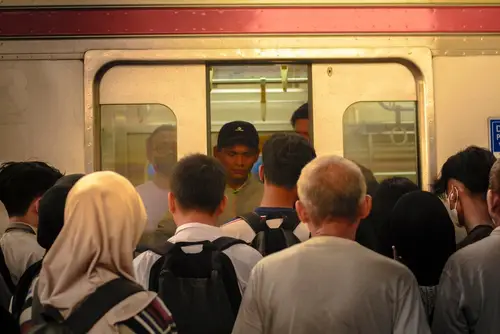
Many Americans travel to cities where public transportation is clean, frequent, and reliable. Experiencing this firsthand pushes them to rethink their assumptions about buses and trains. They often return home more willing to use local transit systems. It becomes a small shift that opens up more sustainable travel habits.
They stick with it because it saves money and reduces stress from traffic. People start to appreciate the time they get back by not driving. It also helps them engage more with their city and its people. The habit often leads to more environmentally friendly choices overall.
10. Practicing Siesta-Style Rest

Countries like Spain, Greece, and parts of Latin America normalize afternoon breaks. Americans often find the idea strange until they actually participate. Once they experience the energy boost from a short rest, they understand its appeal. They may not nap daily at home, but they start allowing themselves mid-day resets.
They keep the tradition because even 20 minutes of rest improves mood and productivity. It shifts the mindset away from constant hustle. Many find it reduces burnout and helps regulate sleep schedules. The habit becomes a small act of self-kindness inspired by travel.
11. Shopping at Local Markets

Farmers’ markets abroad—especially in places like Italy, Thailand, or Mexico—leave a strong impression. Americans fall in love with fresh produce, handmade goods, and direct interaction with vendors. When they return home, they seek out similar markets. It becomes a weekly ritual that feels meaningful.
They continue because the food genuinely tastes better. Supporting local growers feels good and strengthens community ties. Many also enjoy discovering seasonal ingredients they wouldn’t buy at grocery stores. Over time, market shopping becomes a joyful tradition rather than a chore.
12. Adding More Spices to Meals

Traveling through India, Morocco, or Southeast Asia exposes visitors to vibrant, flavorful dishes. Americans often come home realizing their cooking was far milder than it needed to be. They start buying spices like turmeric, cumin, or chili pastes. Experimenting in the kitchen suddenly becomes exciting.
They keep this tradition because flavorful food feels more satisfying. It pushes them to cook at home more often instead of defaulting to takeout. Many enjoy learning how spices contribute to both taste and health. Eventually, their pantry becomes a colorful reminder of their travels.
13. Practicing Minimalist Packing

Countries popular with backpackers—such as New Zealand or Vietnam—teach travelers how freeing light packing can be. Americans often return shocked by how little they actually needed. They start applying that mindset to future trips and even everyday life. The simplicity feels refreshing.
They stick with it because it reduces stress and clutter. Packing becomes a quick, manageable task instead of a chaotic one. Many also find it makes travel cheaper and more flexible. The habit eventually spills into other parts of their home, leading to a more minimalist lifestyle.
14. Prioritizing Work-Life Balance

After spending time in countries where vacations are longer and evenings are sacred, Americans rethink their relationship with work. Places like France, Denmark, and the Netherlands normalize stepping away from the office at a reasonable hour. Travelers often find this mindset healthier and more balanced. They return wanting to reclaim their personal time.
They continue because it improves their happiness and relationships. Setting boundaries becomes easier once they’ve seen it modeled elsewhere. Many find they’re more productive when they aren’t constantly burned out. It becomes one of the most life-changing traditions they bring home from abroad.
This post 14 Foreign Traditions Americans Secretly Adopt After Traveling was first published on American Charm.

