
1. Detroit, Michigan
Detroit has become the poster child for urban decline in the U.S., with abandoned buildings and vacant lots scattered across the city. Once a booming automotive hub, the collapse of the auto industry left the city struggling with poverty, crime, and a shrinking population. You can still see reminders of its glory days in the old factories and downtown theaters, but most are rotting away. Walking through certain neighborhoods feels like stepping into a time capsule of what once was.
Despite ongoing revitalization efforts, Detroit faces a steep uphill battle. Public services are limited, and some areas still lack basic infrastructure. The city’s crime rates have historically been high, adding to the perception that it’s a place where “something went wrong.” Even tourism can feel risky if you don’t know exactly where to go.
2. Gary, Indiana
Gary was once a thriving steel town with a booming economy, but deindustrialization hit it hard. Today, it’s known for abandoned homes, decaying schools, and one of the highest crime rates in the country. Walking down its main streets gives the eerie feeling of a city frozen in time, with little evidence of recovery. The population has dropped by more than half since its peak, leaving ghostly neighborhoods behind.
Efforts to bring in new businesses have largely fallen flat, leaving Gary struggling with unemployment. Public transportation is sparse, and basic services are often unreliable. The local government has battled corruption and mismanagement for decades. Residents often have to rely on neighboring towns for jobs and amenities.
3. Camden, New Jersey
Camden is infamous for having one of the highest violent crime rates in the U.S., and it’s consistently ranked among the poorest cities in the country. Once a bustling industrial hub, the city’s factories shut down decades ago, leaving a skeletal economy. Entire blocks are boarded up, with graffiti and broken streetlights adding to the sense of decay. The waterfront area shows promise but feels like an isolated oasis amid the struggles.
The city’s schools are underfunded, making it hard for younger generations to break the cycle of poverty. Unemployment rates have historically hovered well above the national average. Local law enforcement has undergone reforms, but public safety concerns remain. Despite pockets of community activism, many residents feel abandoned by the larger system.
4. Flint, Michigan
Flint became infamous for its water crisis, but the issues started long before that. Deindustrialization and a declining population left the city with a fragile infrastructure and struggling municipal services. Entire neighborhoods have been abandoned, and property values have plummeted. The once-thriving auto industry’s departure left a void that Flint has struggled to fill.
The water crisis exposed systemic failures in government oversight, making residents understandably distrustful. Crime and unemployment remain high, adding to the city’s hardships. Efforts to rebuild the city have made slow progress, with many residents still suffering the consequences. Flint feels like a cautionary tale about how economic decline and mismanagement can intersect.
5. Youngstown, Ohio
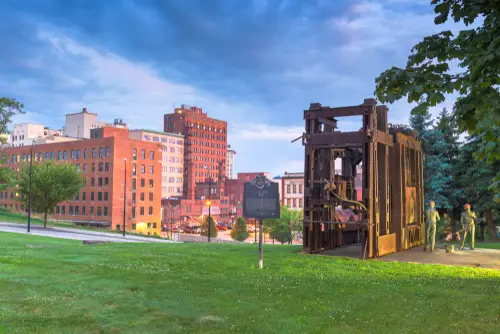
Youngstown is a classic example of a Rust Belt city that didn’t adapt after the steel industry collapsed. Abandoned factories and empty lots dominate the landscape, giving parts of the city a ghost-town feel. Population decline has been steady for decades, leaving behind a community that struggles to maintain itself. Even downtown, where commerce once thrived, now shows signs of long-term neglect.
Attempts at revitalization exist but have limited reach. High poverty rates and low property values make it difficult to attract new residents or businesses. Crime is an ongoing concern in some neighborhoods. For many visitors, it’s hard not to feel the weight of what the city has lost.
6. St. Louis, Missouri
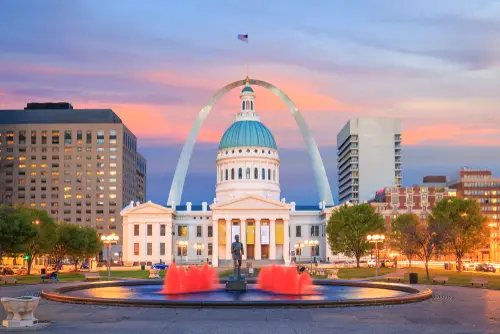
St. Louis suffers from stark contrasts: vibrant cultural areas exist next to neighborhoods that have been abandoned for years. The city has lost significant population over the decades, leaving behind empty homes and derelict buildings. Crime rates remain high, particularly in North St. Louis, contributing to a sense of unease. Even well-known landmarks like Forest Park and the Gateway Arch can’t fully mask the decay elsewhere.
Economic inequality is extreme, with some parts of the city thriving while others languish. Public services are uneven, and schools in struggling neighborhoods are underfunded. Historical segregation patterns have created pockets of persistent poverty. St. Louis illustrates how urban decline and social challenges often intersect.
7. Baltimore, Maryland
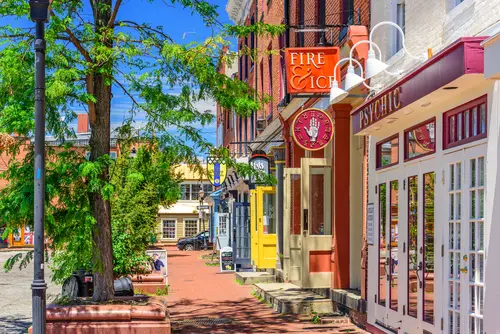
Baltimore is a city of contrasts: picturesque harbor views meet crumbling row houses in neighborhoods plagued by neglect. Decades of population loss and industrial decline have left entire blocks empty. Crime, particularly violent crime, is a persistent problem that shapes daily life. Despite pockets of cultural revival, many areas feel forgotten by local government.
The city’s economy is heavily service-oriented, but opportunities are unevenly distributed. Public education struggles to meet the needs of its students. Housing abandonment has created a landscape of derelict buildings and vacant lots. Residents’ resilience is remarkable, but the city’s challenges are undeniable.
8. Cleveland, Ohio
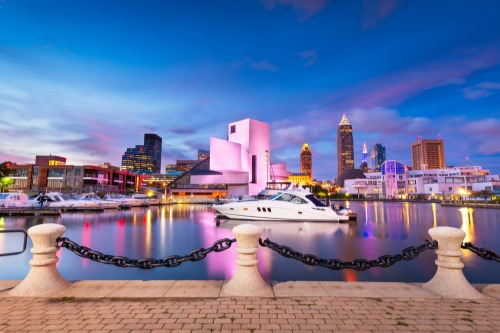
Cleveland’s decline mirrors that of many industrial cities in the Midwest. Once a powerhouse of manufacturing, it has seen population and economic downturns for decades. Vacant buildings and shuttered factories are common, leaving an eerie impression in certain neighborhoods. Some districts have experienced revitalization, but the overall picture is one of uneven recovery.
Crime and poverty remain high in specific parts of the city. Public infrastructure struggles to keep up with residents’ needs. Neighborhoods can feel isolated, as the city’s wealthier areas thrive while others falter. Cleveland’s story is one of partial recovery overshadowed by lingering decline.
9. Scranton, Pennsylvania
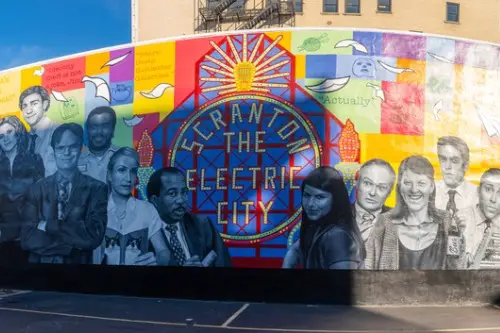
Scranton, once a coal-mining and industrial hub, now grapples with economic stagnation. Many of its historic buildings stand empty, and downtown streets can feel deserted on weekends. The population has steadily decreased, leaving behind an aging community. Local businesses struggle, and opportunities for younger residents are limited.
Infrastructure maintenance has lagged, with potholes and outdated utilities common in certain neighborhoods. Public services operate on tight budgets, making comprehensive improvements difficult. Crime rates aren’t extreme, but poverty and unemployment remain persistent issues. Scranton has charm, but it carries the unmistakable marks of a city that lost its economic engine.
10. Buffalo, New York
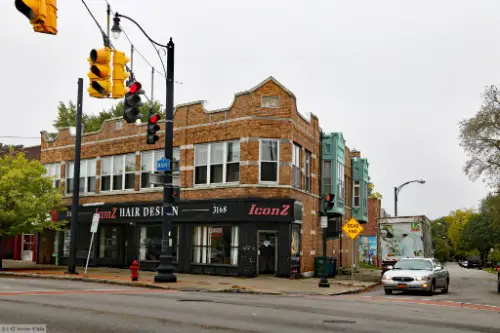
Buffalo is recovering slowly, but the effects of past industrial collapse are still visible. Once a thriving steel and grain hub, the city has many abandoned homes and businesses scattered around. Harsh winters exacerbate the visual sense of decay in vacant lots and neglected buildings. Population decline over decades has left large sections of the city underutilized.
Efforts at downtown revitalization and waterfront development are promising but uneven. Some neighborhoods face persistent poverty and unemployment. Infrastructure and public services vary widely across the city. Buffalo’s story reflects the challenge of reinvention after long-term industrial decline.
11. Trenton, New Jersey
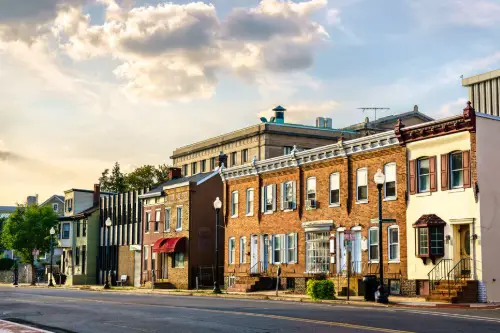
Trenton, the state capital, has struggled economically for decades. Industrial job losses, urban flight, and mismanaged municipal budgets have left the city with significant challenges. Vacant buildings and decaying neighborhoods dominate much of the urban landscape. Even areas near the state government complex show signs of neglect.
Crime rates are high, and public schools often operate under difficult conditions. Property values remain low, discouraging investment in many neighborhoods. Public services, including sanitation and transportation, can be inconsistent. Trenton feels like a city caught between historical significance and ongoing struggle.
12. Birmingham, Alabama
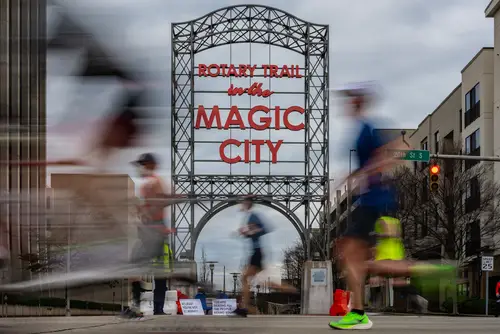
Birmingham grew from steel and iron industries, but deindustrialization hit it hard in the late 20th century. Abandoned factories and declining neighborhoods are scattered throughout the city. Economic opportunities are limited in some areas, contributing to persistent poverty. Certain districts feel frozen in time, showing little sign of the city’s former industrial power.
The city faces high crime rates in specific neighborhoods, along with concentrated poverty. Public schools are underfunded, limiting opportunities for youth. Revitalization efforts in downtown areas exist, but they haven’t reached all neighborhoods. Birmingham illustrates how industrial decline can leave a city fragmented and struggling.
This post Everything About These Cities Screams “Something Went Wrong” was first published on American Charm.

