
1. The Clatter of a Manual Typewriter
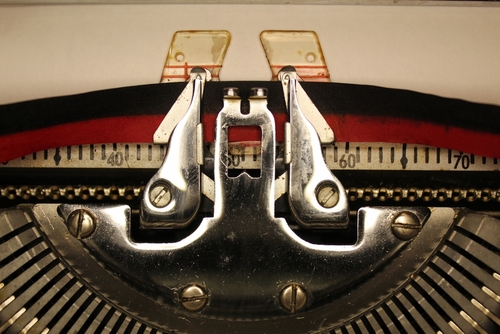
For decades, the rapid clacking of typewriter keys was the background soundtrack of offices, newsrooms, and classrooms. Each letter struck paper through an inked ribbon with a sharp metallic tap. When someone reached the end of a line, the carriage snapped back with a ding and a sliding thud. It was a mechanical rhythm that defined the soundscape of 20th-century paperwork.
Word processors and personal computers began replacing typewriters in the 1980s. By the late 1990s, most offices had abandoned them entirely in favor of keyboards connected to digital screens. Modern keyboards are far quieter and lack the mechanical bell that signaled the end of a line. As a result, the once-ubiquitous typewriter clatter is now mostly heard in old films or among enthusiasts who still use the machines.
2. The Dial Whir of a Rotary Telephone
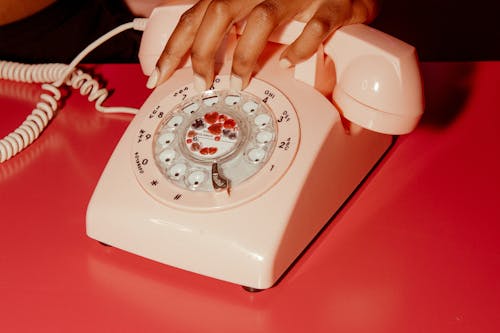
If you grew up before push-button phones took over, the sound of a rotary dial returning to its resting position was a daily part of life. After you pulled the dial to a number and let go, it spun back with a steady whir and a series of clicks that matched the number you dialed. That mechanical rhythm happened millions of times a day in homes, offices, and pay phones across the United States. Today, the sound is nearly gone because rotary phones disappeared as digital phone systems and touch-tone dialing became standard.
Rotary dialing required physical motion and time, which is part of why the sound stuck in people’s memories. Each number produced a slightly different pattern of clicks as the dial returned. By the 1990s, most phone networks had switched entirely to tone dialing, which made the old pulse-dial system obsolete. Now you usually only hear that whir in museums, movies set in earlier decades, or from collectors who still keep the old phones working.
3. The Squeal and Scratch of a Vinyl Record Starting
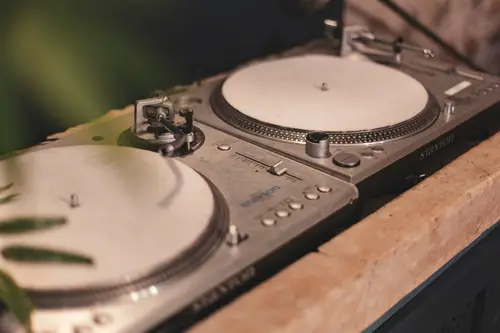
Before digital music and streaming playlists, people often started their day by placing a vinyl record on a turntable. When the needle first touched the spinning record, it usually made a soft scratchy burst before the music began. That faint static crackle became a familiar sound in living rooms, dorm rooms, and radio stations. While vinyl records still exist today, most Americans no longer hear that sound as a routine part of daily life.
The noise came from the stylus physically tracing grooves pressed into the record. Dust particles and tiny imperfections created the characteristic pops and crackles that listeners came to expect. In the 1980s and 1990s, compact discs and later digital files replaced records as the dominant music format. Because streaming now delivers music instantly and silently, that brief scratch of a needle finding its groove has largely faded from everyday experience.
4. The Beep and Screech of a Dial-Up Internet Connection
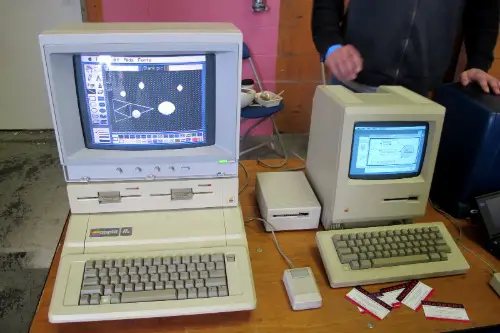
In the 1990s and early 2000s, getting online meant listening to your computer talk to the internet over a telephone line. The process produced a sequence of beeps, static bursts, and high-pitched screeches as the modem negotiated a connection. For many families, that sound signaled the start of email, chat rooms, or early web browsing. It also meant the household phone line was tied up until you disconnected.
Dial-up modems worked by converting digital data into audible tones that could travel across standard telephone networks. Broadband technologies like cable and DSL gradually replaced dial-up starting in the early 2000s. These newer connections stayed active continuously and didn’t produce the same loud handshake noises. Today, the distinctive dial-up sound survives mostly as a nostalgic audio clip from the early internet era.
5. The Cha-Ching of a Mechanical Cash Register
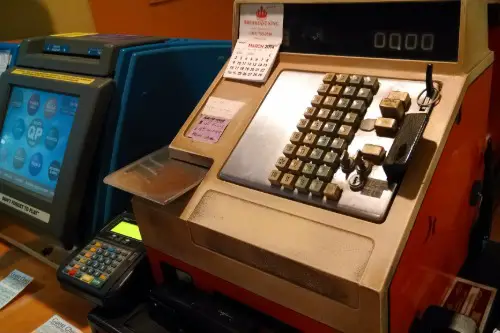
Older cash registers didn’t just record sales—they made a dramatic sound while doing it. When a cashier pressed the keys and pulled the lever, the drawer popped open with a loud metallic “cha-ching.” The noise echoed through grocery stores, diners, and department stores for decades. It became such a recognizable sound that it eventually turned into a cultural shorthand for making money.
These machines were fully mechanical, relying on springs, gears, and levers. Beginning in the late 20th century, electronic point-of-sale systems gradually replaced them. Modern registers and card readers open quietly and often process payments without any drawer movement at all. As digital payments have grown more common, the classic cash register chime has nearly disappeared from everyday shopping.
6. The Slam of a Metal Screen Door
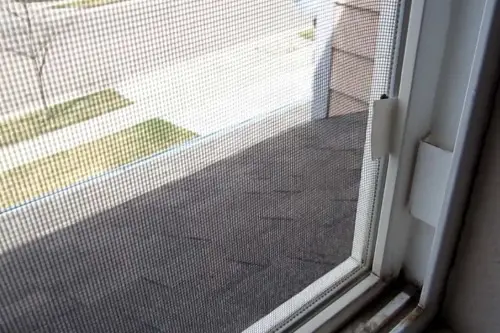
On summer days in mid-century America, screen doors were constantly opening and closing. When someone ran in or out of the house, the lightweight metal frame would swing shut and smack the doorframe with a sharp bang. The sound carried through neighborhoods, especially in the afternoon when kids were moving between the yard and the kitchen. It was a small but constant marker of warm-weather domestic life.
Many newer homes use quieter hydraulic door closers or sliding glass doors instead of spring-loaded screen doors. Air conditioning also reduced the need to keep doors open for ventilation. As housing styles changed, the loud snap of that spring-hinged screen door became less common. Today it’s more likely to be heard on older houses or rural porches than in typical suburban neighborhoods.
7. The Click-Clack of a Film Camera Advancing
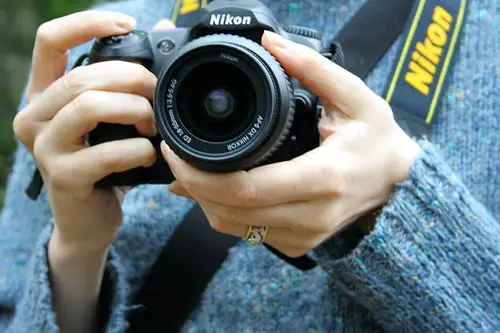
Using a film camera involved a sequence of mechanical sounds after each photo. When the shutter fired, it produced a quick snap. Then the photographer had to advance the film with a lever, creating a distinctive click-clack as the next frame moved into place. That rhythm repeated throughout family vacations, school events, and everyday snapshots for decades.
Digital cameras eliminated the need for film transport mechanisms. By the early 2000s, most casual photographers had switched to digital devices that could take photos silently or with simulated shutter sounds. Smartphones later replaced dedicated cameras for many people. Because of that shift, the mechanical film advance sound has mostly vanished from everyday photography.
8. The Busy Signal on a Landline
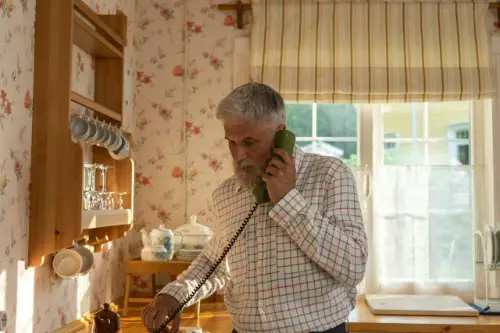
Calling someone on a landline used to come with the risk of hearing a busy signal. If the person you were calling was already on another call, the phone produced a repeating “beep-beep-beep” tone. People often hung up and tried again several minutes later, hoping the line had cleared. It was such a routine part of phone etiquette that many people recognized the pattern instantly.
Modern phone systems rarely produce this sound. Call waiting, voicemail, and mobile phones allow multiple calls to be managed simultaneously. Instead of a busy signal, callers are usually routed to voicemail or another digital prompt. As traditional landlines decline, the once-familiar busy tone has largely disappeared.
9. The Rattle of Coins in a Pay Phone
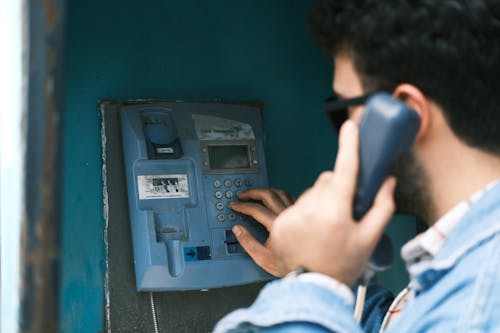
Pay phones once stood on street corners, in airports, and inside restaurants across the United States. To make a call, you dropped coins into the slot, and they clinked down into the mechanism with a metallic rattle. If the call went through, the phone kept the money; if not, the coins dropped back into the return tray with another clatter. That small cascade of metal was a common urban sound for most of the 20th century.
Mobile phones dramatically reduced the need for public telephones. Starting in the 2000s, many pay phones were removed because they were rarely used. Without people feeding quarters into the slots, that distinctive coin rattle faded from everyday life. Today, functioning pay phones are rare and often kept mainly for historical or emergency purposes.
10. The Whir of a VCR Rewinding a Tape
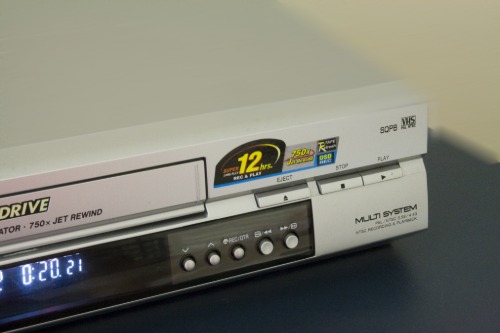
Watching a movie at home once came with a reminder to rewind the tape when you were finished. Pressing the rewind button on a VCR triggered a fast mechanical whir as the tape spooled back to the beginning. The machine often hummed loudly for several minutes while the reels spun inside the cassette. Many rental stores even posted signs telling customers to “Be Kind, Rewind.”
DVDs began replacing VHS tapes in the late 1990s and early 2000s. Streaming video later removed physical media from the process entirely. Without tape reels to spin, modern entertainment systems operate almost silently. The sound of a VCR racing through a rewind cycle has therefore become a relic of an earlier home-video era.
11. The Thump of a Newspaper Landing on the Porch
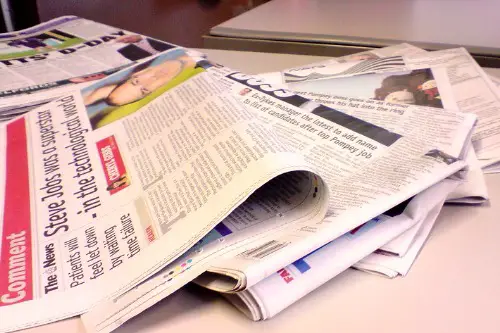
For much of the 20th century, the day in many American households began with the arrival of the morning newspaper. Delivery workers often tossed rolled papers onto driveways or porches before sunrise. The bundle hit the ground with a soft thump that signaled the day’s news had arrived. Many people associated that sound with making coffee and starting their morning routine.
Print newspaper circulation has declined significantly as readers moved online. Many local papers reduced delivery days or stopped home delivery entirely. Digital notifications now replace the physical arrival of the paper. Because of that shift, the porch-thump of the morning newspaper is far less common than it once was.
This post Everyday Sounds From the Past That Have Almost Completely Disappeared From American Life was first published on American Charm.

