
1. Samsung Galaxy Note 7

The Galaxy Note 7 was hailed as a powerhouse phone when it launched in 2016. But within weeks, photos of scorched devices popped up online, and airlines started making those now-famous “turn off your Note 7” announcements. A battery design flaw caused some phones to overheat and combust. Samsung ended up recalling the entire line and discontinuing the model completely.
People who loved the Note’s features suddenly found themselves trading in their phones for safety kits with fire-resistant boxes. Samsung implemented new battery-testing procedures industry-wide after the fiasco. The incident became a landmark case in consumer electronics safety. And to this day, the Note 7 is remembered more for flames than features.
2. Hoverboards
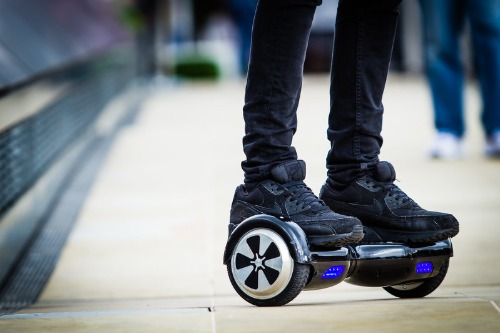
Hoverboards were the “it” gift around 2015, with kids rolling around malls like it was the future. Then reports started surfacing about their lithium-ion batteries overheating and catching fire, sometimes while charging and sometimes while just sitting there. Several major airlines even banned them from checked and carry-on luggage because of the risk. By early 2016, multiple recalls were issued, turning the once-coveted gadget into a household hazard overnight.
Parents suddenly found themselves unplugging chargers the moment a hoverboard hit 100%, hoping to avoid another news story. Fire departments began warning consumers to charge them only when awake and nearby. Some brands were safer, but knockoff versions flooded the market with little quality control. As a result, the hoverboard craze fizzled almost as fast as it sparked.
3. Electric Blankets
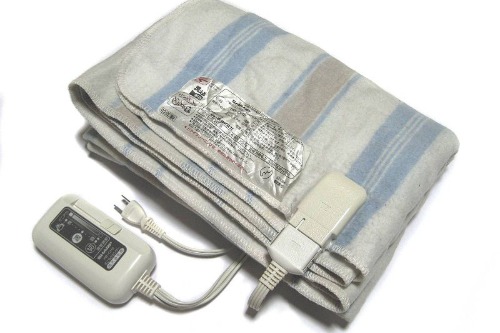
Electric blankets used to be a cozy staple in colder states, especially older models from the ’80s and ’90s. Over time, internal wiring would fray or break down, increasing the chance of sparks or overheating. Several long-running investigations showed that many fires involving bedding were tied to aging or damaged electric blankets. Modern designs are safer, but older versions are still floating around in closets.
People often didn’t notice anything wrong until the blanket heated unevenly or produced a faint burning smell. Fire safety experts began urging users to replace models older than 10 years. The advice stuck because so many incidents involved blankets that had been overused or never inspected. Even now, they remain one of the most quietly risky winter comforts.
4. Space Heaters
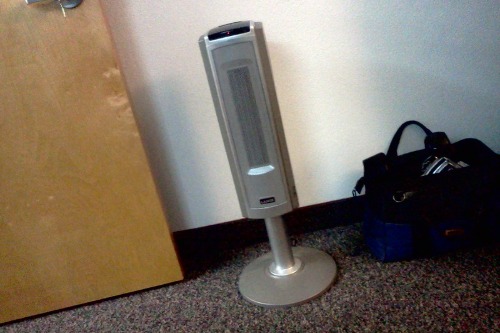
Space heaters have always been popular for taking the chill out of a room, especially in older houses. But older units lacked automatic shutoff features, meaning a single tip-over could ignite carpet or bedding. Fire departments consistently cite them as one of the top causes of winter house fires. Their convenience sometimes overshadowed their danger.
People would set them next to curtains or furniture without thinking twice. Some used extension cords not rated for the wattage, causing overheating. Manufacturers now add more safeguards, but improper use remains a major risk. As long as people rely on them, space heaters continue walking the line between helpful and hazardous.
5. Clothes Dryers
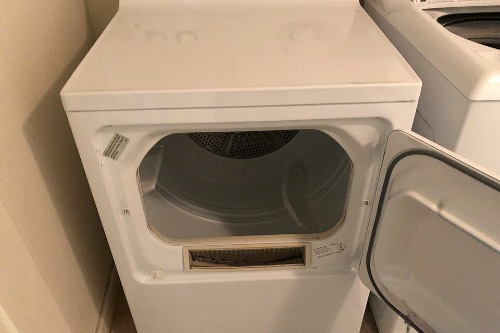
Dryers seem harmless, but lint buildup is a real fire starter. Over time, lint escapes the trap and collects in vents, reducing airflow and raising temperatures. The U.S. Fire Administration has repeatedly pointed to this as a leading cause of home fires. Many people simply underestimated how fast lint accumulates.
Households that cleaned the lint screen occasionally thought they were safe. But long ducts and kinks in the vent tubing make hidden buildup almost inevitable. Once the dryer struggles to push heat out, ignition becomes more likely. Regular vent cleaning became a suddenly urgent chore after many families learned the hard way.
6. Extension Cords
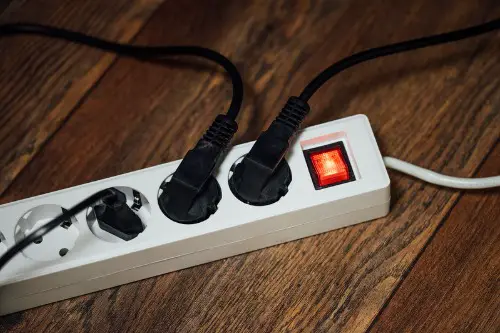
Extension cords get used for everything—holiday lights, power tools, charging stations. But many people overload them or plug in appliances beyond their rating, leading to overheating. Damaged cords with exposed wires also cause arcs and sparks. All of this makes them a significant source of preventable house fires.
Consumers started realizing that cheap cords were especially risky. Electrical inspectors found that daisy-chaining cords amplified the hazard. Fire safety campaigns began highlighting that extension cords are meant for temporary, not permanent, use. That misunderstanding alone caused countless accidents.
7. E-Bike and E-Scooter Batteries

E-bikes and e-scooters soared in popularity, but their lithium-ion batteries introduced new risks. Faulty chargers or damaged cells can trigger thermal runaway, a reaction that leads to intense, uncontrollable fires. Major cities reported spikes in battery-related incidents as more low-quality imports entered the market. Some apartment buildings even banned indoor charging.
People unfamiliar with battery safety often stored or charged devices near flammable materials. Others replaced original chargers with cheaper, mismatched versions. Fire departments released new guidelines specifically for micromobility devices. Consumers suddenly had to learn battery safety the hard way.
8. Holiday String Lights
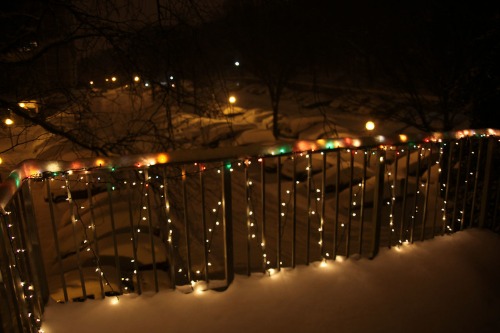
String lights are festive but older sets weren’t always designed with heat management in mind. Incandescent bulbs, especially when left on for hours, could warm up enough to melt plastic or spark if wiring was damaged. Many reported fires started because lights were draped on dry Christmas trees or brittle outdoor lines. As LEDs gained popularity, those risks dropped significantly.
People also tended to reuse lights for decades, ignoring cracked insulation. Outdoor weather exposure made old wiring even more fragile. Manufacturers added fuses and heat-resistant materials over time. But households still uncover old strands that should have been retired long ago.
9. Toaster Ovens
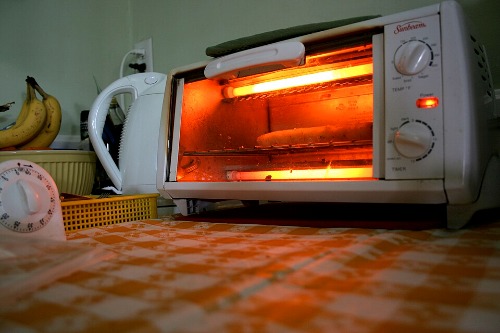
Toaster ovens have a way of accumulating crumbs that no one remembers to clean. Those crumbs can ignite when they’re exposed to heating elements. Some older models also lacked proper insulation, causing exterior surfaces to get dangerously hot. It all added up to more fire incidents than most users realized.
People would tuck toaster ovens under cabinets, creating heat-trapping conditions. Leaving parchment paper or cardboard packaging inside accidentally became a common mistake. Newer models have warnings, but not everyone reads them. The appliance remains a stealthy fire risk in cluttered kitchens.
10. Aerosol Cooking Spray

Aerosol cooking spray is convenient, but the canisters are pressurized and flammable. When stored near a stove or exposed to high heat, they can rupture or ignite. Several kitchen fires have been traced back to overheated or improperly stored cans. The risk isn’t obvious until it becomes a problem.
Cooks sometimes leave them too close to burners during meal prep. Others store them in warm cabinets directly above ovens. This leads to pressure buildup that weakens the can. Manufacturers now add more safety warnings, but the hazard persists.
11. Dehumidifiers
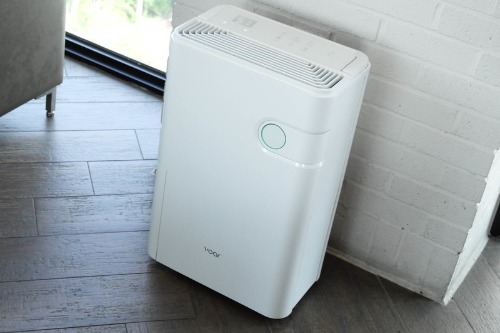
Dehumidifiers seem harmless, but multiple brands have issued recalls over units that overheated and caught fire. Moisture-heavy environments can stress internal components over time. The compressor and electrical circuits are particularly prone to failure in older models. Users often don’t notice the early signs like buzzing or unusual heat.
Many households ran dehumidifiers for hours or days at a time, not realizing how hard that was on older units. Some operated devices in dusty basements that clogged airflow. Once overheating started, ignition risk rose quickly. After several high-profile recalls, consumers were urged to check model numbers regularly.
12. Crock-Pot and Multicookers
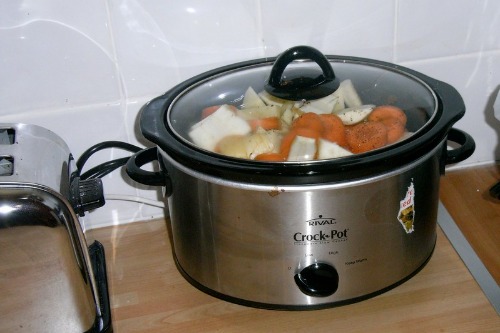
Slow cookers feel like the safest appliance—plug it in and forget it. But some models have been recalled after wiring or heating components failed, causing fires or melting. Older lids and gaskets could also warp, trapping more heat than intended. Even though incidents were rare, they caught people off-guard because of how routine the appliance felt.
Users often left them running while at work, giving any malfunction hours to escalate. This habit became a focal point in safety advisories. Manufacturers improved housings and thermal sensors as a result. Still, people now pay more attention to recalls involving their kitchen workhorses.
13. Hand Sanitizer Bottles

Alcohol-based hand sanitizer became practically an accessory in 2020. But its high alcohol content makes it flammable, especially when stored in hot cars. Several small fires occurred when sanitizer vapors contacted open flames or sparks. While rare, it was enough to grab public attention.
People discovered that leaving sanitizer near grills or candles could be risky. Even static electricity in dry environments occasionally caused tiny ignition events. Safety guidelines were updated to remind users that sanitizer is, in fact, a flammable liquid. It was one everyday item that unexpectedly came with a small but real fire warning.
This post 13 Everyday Objects Americans Used Until They Suddenly Became Fire Hazards was first published on American Charm.

