
1. High-End Kitchen Gadgets
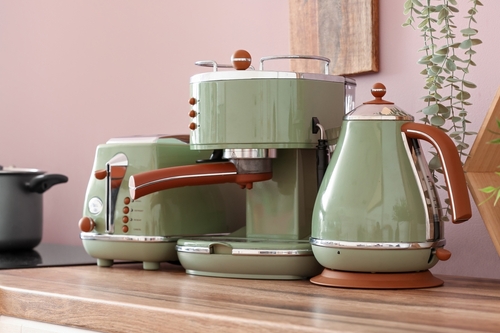
From standalone ice cream makers to specialty avocado slicers, kitchen gadgets promise convenience and culinary mastery. In reality, many end up in cabinets after just a few uses. Surveys and consumer reports often show that multipurpose tools outperform single-use devices. A sharp chef’s knife can replace a surprising number of niche gadgets.
Counter space is valuable in most American kitchens. Each new device requires storage, cleaning, and maintenance. Marketing often capitalizes on aspirational cooking rather than everyday habits. For routine meals, simpler tools usually get the job done just as well.
2. Bottled Water

Bottled water feels cleaner and safer, but in most U.S. cities, tap water is heavily regulated and tested under Environmental Protection Agency standards. In fact, municipal tap water is often tested more frequently than bottled water, which is regulated by the Food and Drug Administration. Yet Americans spend billions each year on bottled water, even when a refillable bottle would do. Much of what’s sold is simply filtered municipal water in plastic packaging.
You’re often paying thousands of times more per gallon compared to tap water. The environmental cost adds up too, since single-use plastic bottles contribute to landfill waste and require fossil fuels to produce and transport. If taste is the issue, a basic home filter can address that at a fraction of the cost. For everyday hydration at home, bottled water is usually a premium price for ordinary product.
3. Brand-Name Prescription Drugs

Brand-name medications are heavily marketed to consumers in the United States, one of the only countries that allows direct-to-consumer pharmaceutical advertising. That advertising builds trust and familiarity, even after patents expire. Once a patent ends, generic drugs must prove they are bioequivalent to the brand-name version. That means they work the same way in the body and meet the same safety standards.
Despite that, brand-name drugs can cost many times more than their generic equivalents. Insurance copays are often higher for the branded option, which raises out-of-pocket costs. Pharmacists routinely substitute generics unless a doctor specifies otherwise because the active ingredients are the same. In many everyday cases, paying extra buys branding, not better outcomes.
4. Luxury SUVs for Routine Commuting

SUVs and crossovers dominate the American vehicle market, and many are marketed as rugged and adventure-ready. Yet surveys consistently show most owners use them primarily for commuting, school drop-offs, and errands. Larger vehicles typically cost more upfront than sedans and hatchbacks. They also tend to have lower fuel economy due to greater weight and size.
Insurance premiums can be higher because of repair costs and vehicle value. Parking and maneuvering in dense areas can also be more challenging. For families that don’t regularly tow heavy loads or travel off-road, the extra capacity often goes unused. In everyday life, much of what’s being paid for is image and perceived safety rather than actual utility.
5. Cable TV Packages

Traditional cable bundles often include hundreds of channels, but research has shown that most households regularly watch only a small fraction of them. Despite that, monthly cable bills can exceed $100 once equipment fees and taxes are included. Contracts sometimes lock customers in for a year or more. Promotional pricing also tends to expire, causing sudden bill increases.
Streaming services have given viewers more flexibility and lower entry costs. Many people now pay for channels they never watch simply because they’re bundled together. Premium sports and movie packages add even more to the total. For everyday entertainment, the average viewer often overpays for sheer volume rather than actual use.
6. Premium Gasoline for Regular Cars
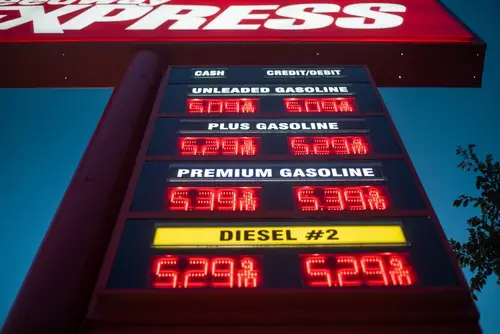
Premium gasoline typically has a higher octane rating than regular gas, which helps prevent engine knocking in high-compression engines. However, most vehicles on the road are designed to run perfectly well on regular unleaded fuel. If your owner’s manual says “regular recommended,” using premium won’t improve performance in any measurable way. It also won’t clean your engine more effectively in most cases.
Premium fuel usually costs significantly more per gallon. Over the course of a year, that difference can add up to hundreds of dollars. Automakers clearly specify when premium is required, and only then does it provide a real benefit. For everyday driving in cars built for regular fuel, paying extra is often unnecessary.
7. Designer Clothing for Everyday Wear

Designer labels often command high prices because of branding, marketing, and perceived status. While some luxury brands use high-quality materials and craftsmanship, many mid-range brands offer similar durability. The gap in price often exceeds the gap in quality. Fast fashion has its problems, but so does overpaying for a logo.
Clothing also depreciates in value the moment it’s worn. Resale markets show that only certain rare or iconic pieces retain strong value. For daily wear items like T-shirts and jeans, comfort and fit usually matter more than brand prestige. In many closets, the premium paid is more about signaling than substance.
8. Timeshares

Timeshares are marketed as a smart way to lock in future vacations at today’s prices. Buyers are often enticed by presentations that highlight luxury resorts and rising travel costs. However, upfront purchase prices can be substantial. Annual maintenance fees also continue whether or not the owner uses the property.
Reselling a timeshare can be notoriously difficult, with many listed for a fraction of their original purchase price. Some owners even struggle to give them away because fees persist. Rental platforms now allow travelers to book similar properties without long-term commitments. For many families, the flexibility of booking as needed outweighs ownership.
9. Extended Warranties on Electronics
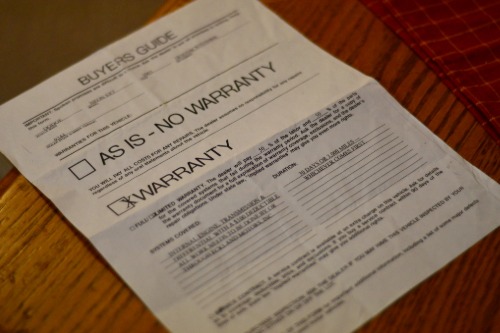
Americans routinely spend billions of dollars a year on extended warranties for TVs, laptops, and appliances. The pitch plays on fear: what if it breaks right after the manufacturer’s warranty ends? But most major electronics either fail early, while still under the original warranty, or last well beyond the extended coverage period. Retailers love these plans because they’re high-margin add-ons, not because they’re usually necessary.
Statistically, the cost of the warranty often exceeds the average repair cost. Many credit cards also automatically extend manufacturer warranties at no extra charge, which makes paid plans redundant. In addition, consumer protection laws in some states provide implied warranty coverage beyond the written term. When you do the math, self-insuring by saving that money often makes more sense.
10. Large Storage Units
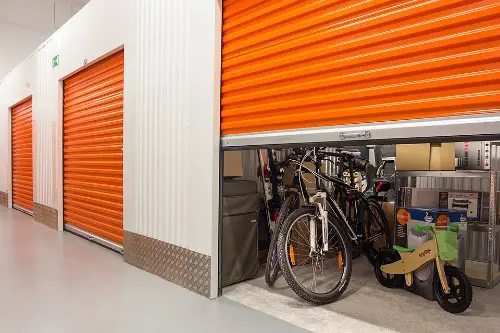
Self-storage has become a booming industry in the United States. Many people rent units to hold items they rarely use but hesitate to discard. Monthly fees may seem manageable at first. Over time, however, those payments can total thousands of dollars.
In some cases, the total cost of storage exceeds the resale value of the stored items. Storage can also delay decisions about decluttering or downsizing. What feels like a temporary solution often stretches into years. Paying to house possessions that don’t fit your life can quietly drain resources.
11. Greeting Cards
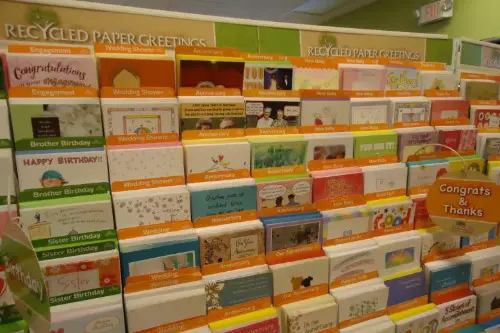
Americans buy billions of greeting cards each year for birthdays, holidays, and special occasions. Individual cards can cost several dollars, especially at specialty retailers. Many are read once and then discarded or stored briefly. The emotional value often comes from the handwritten message, not the printed design.
Digital messages, phone calls, or handwritten notes on simple stationery can convey the same sentiment. Bulk packs or printable options reduce costs significantly. For routine occasions, elaborate cards may not add meaningful impact. The tradition is heartfelt, but the price tag can exceed the practical value.
12. Brand-New Smartphones Every Year

Major smartphone manufacturers release updated models annually with incremental improvements. Marketing emphasizes better cameras, faster processors, and sleeker designs. Yet many devices remain fully functional for several years with software updates. Performance gains year to year are often modest for everyday tasks like texting, browsing, and streaming.
Upgrading annually means paying hundreds, sometimes over a thousand dollars, far more frequently than necessary. Trade-in programs soften the blow but still encourage a rapid replacement cycle. Battery replacements and storage management can extend a phone’s life at lower cost. For most users, the latest model is a luxury, not a necessity.
This post 12 Everyday Objects Americans Overvalue—and Why was first published on American Charm.