
1. Why You Can Smell Rain Before It Starts

That familiar “rain smell” has a name: petrichor. It comes from plant oils released into dry soil and a compound produced by soil-dwelling bacteria called geosmin. When humidity rises before rainfall, those compounds get pushed into the air. Your nose picks it up before the first drop even hits the ground.
Humans are surprisingly sensitive to geosmin, even at very low concentrations. That’s why the scent feels so distinct and almost nostalgic. It’s not a mystery once you know the chemistry, but most people never think about it. Instead, it just feels like a strange kind of intuition.
2. Why Your Phone Always Seems to Die Faster When You Need It Most
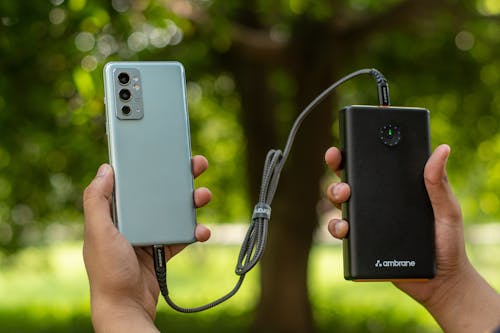
It can feel like your battery has a sense of timing, especially during emergencies. In reality, lithium-ion batteries drain faster under certain conditions like cold weather or heavy app use. Stressful moments also make you check your phone more often, accelerating the drain. The perception of “bad timing” comes from how noticeable it feels in those moments.
Battery percentage also isn’t perfectly linear, especially on older devices. Phones may drop quickly from 20% to zero because of calibration issues or battery wear. You don’t notice gradual drains as much as sudden ones. That contrast makes it seem like your phone is working against you.
3. Why You Forget Why You Walked Into a Room

This common experience is known as the “doorway effect.” Moving from one physical space to another can trigger your brain to reset context. The brain treats doorways as event boundaries, helping organize memory into segments. Sometimes that reset interrupts what you were just thinking about.
It’s not memory loss in a serious sense, but a normal cognitive process. Your brain is constantly filtering what’s relevant in the current environment. If the original thought isn’t reinforced, it gets dropped temporarily. That’s why retracing your steps can suddenly bring it back.
4. Why Songs Get Stuck in Your Head

Those repeating mental loops are often called “earworms.” They tend to be songs with simple, repetitive melodies or lyrics. Your brain keeps replaying them as a kind of incomplete cognitive loop. It’s similar to how your mind fixates on unfinished tasks.
Certain triggers like stress, boredom, or repetition make earworms more likely. Hearing just a fragment of a song can start the loop. The brain seems to enjoy predictability but struggles to shut it off. That’s why the same few lines can repeat for hours.
5. Why You Sometimes Feel Your Phone Vibrate When It Didn’t

This phenomenon is often called “phantom vibration syndrome.” It happens when your brain misinterprets sensory signals from your body or clothing. Nerves firing from pressure or movement can mimic the feeling of a notification. Your expectation of a message fills in the rest.
Frequent phone users are more likely to experience it. The brain becomes trained to anticipate alerts throughout the day. Over time, it lowers the threshold for detecting that sensation. What feels like a glitch is really your brain being a little too prepared.
6. Why Time Feels Faster as You Get Older

Many people feel like years pass more quickly as they age. One explanation is that each year becomes a smaller fraction of your total life. Another factor is routine, which reduces the number of new memories your brain forms. Fewer distinct memories can make time feel compressed in hindsight.
Childhood feels slower because everything is new and memorable. Novel experiences create more mental “timestamps.” As life becomes more predictable, fewer moments stand out. That makes entire stretches of time feel like they flew by.
7. Why You Can’t Remember Most of Your Early Childhood
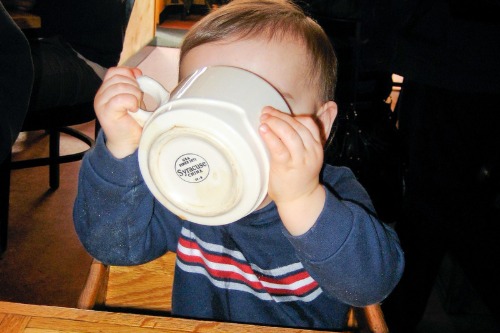
Most people have very few memories from before age three or four. This is known as childhood or infantile amnesia. The brain structures involved in long-term memory are still developing during those early years. Language development also plays a role in how memories are encoded.
Without strong verbal frameworks, memories are harder to organize and retrieve later. Early experiences may still influence behavior, even if you can’t recall them. It’s not that nothing was stored, but that access is limited. The gap feels mysterious because it’s universal yet invisible.
8. Why You Wake Up Right Before Your Alarm
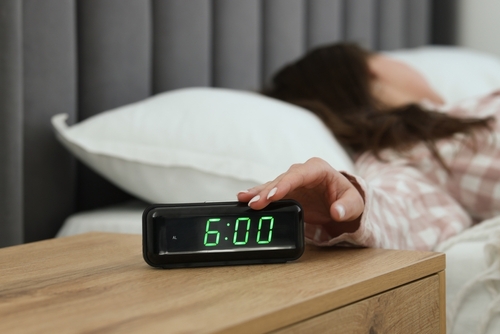
Waking up just minutes before your alarm can feel oddly precise. Your body runs on circadian rhythms that regulate sleep and wake cycles. If you consistently wake up at the same time, your body begins to anticipate it. Hormones like cortisol start increasing in preparation.
That gradual rise can bring you to light sleep just before the alarm goes off. The timing isn’t perfect, but it can feel uncanny. Consistent sleep schedules make this more likely. It’s your internal clock doing quiet, behind-the-scenes work.
9. Why Food Tastes Better When You’re Really Hungry

Hunger doesn’t just make you want food, it actually changes how you experience taste. Hormones like ghrelin increase appetite and sensitivity to flavors. Your brain’s reward system becomes more responsive when you need energy. Even simple foods can feel unusually satisfying.
When you’re full, that response is muted. The same meal may taste less exciting because your body doesn’t need it as much. This shift is part of how the body regulates energy intake. It’s a built-in system that shapes your perception without you noticing.
10. Why You Yawn When Someone Else Yawns

Yawning is contagious for many people, and it’s not fully understood. One theory links it to empathy and social bonding. Seeing someone yawn may trigger mirror neurons in the brain. These neurons help you mimic and understand others’ actions.
Not everyone experiences contagious yawning the same way. It tends to develop in childhood and varies between individuals. The exact evolutionary purpose is still debated. That uncertainty is part of what makes it feel like a small everyday mystery.
11. Why You Sometimes Forget a Word Mid-Sentence

That frustrating “tip-of-the-tongue” feeling happens when you partially retrieve a memory. You might remember the first letter or the rhythm of the word. The brain has accessed related information but not the full entry. It’s like opening the wrong drawer in a filing cabinet.
Stress, fatigue, and aging can make this more common. Proper nouns and less frequently used words are especially vulnerable. Given enough time or a hint, the word often pops back. The delay makes it feel mysterious, even though it’s a normal memory glitch.
This post Everyday Mysteries People Experience but Rarely Question was first published on American Charm.

