
1. Browsing Blockbuster on a Friday Night
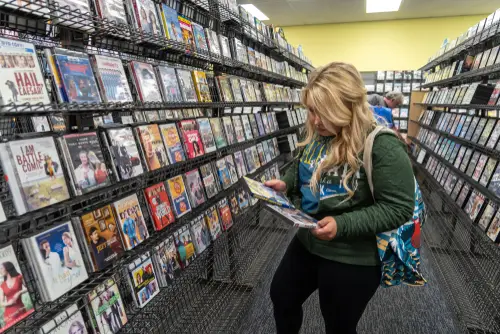
There was a very specific feeling to walking into Blockbuster with no plan except “let’s see what’s here.” You’d wander aisles reading box summaries like they were mini novels. Half the fun was spotting someone returning a movie you wanted and waiting to grab it. The shift to streaming erased that spontaneous, tactile hunt for tonight’s entertainment.
You can technically still browse catalogs online, but it’s not the same as picking up a physical case. Algorithms now push suggestions long before you ask for them. That removes some of the mystery and serendipity that made the old ritual exciting. It turned a fun errand into something more efficient, but also more forgettable.
2. Waiting for Film to Be Developed
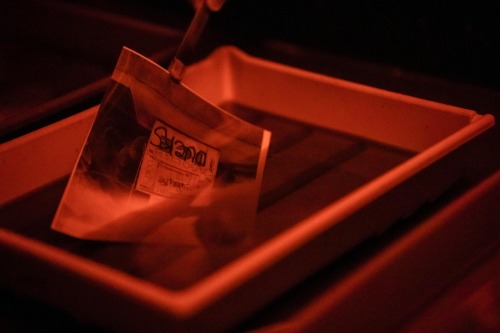
People used to drop off rolls of film knowing they wouldn’t see their pictures for days. That delay made snapping a photo feel more meaningful. You couldn’t preview shots, so you learned to be intentional and patient. Digital cameras and smartphones removed the entire waiting game in exchange for instant results.
Now we delete, retake, and edit in seconds, changing how we value each image. There’s no surprise when you open an envelope of prints because the envelope doesn’t exist anymore. That lost suspense was part of what made photography feel magical. It was a small everyday moment replaced by convenience.
3. Getting a Busy Signal on the Phone
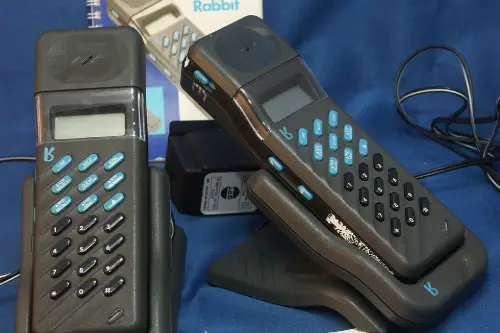
A busy signal told you someone was already on a call and you’d have to try again later. It was annoying, but it also set realistic expectations for communication. Smartphones ended that by making everyone reachable by text, call waiting, or voicemail. The idea of not being immediately available became almost unthinkable.
This now creates more pressure to respond instantly. People text instead of calling because it avoids the awkwardness of interrupting someone. But the loss of the busy signal also meant losing a natural boundary. Digital communication rarely encourages patience.
4. Flipping Through a Thick Mail-Order Catalog
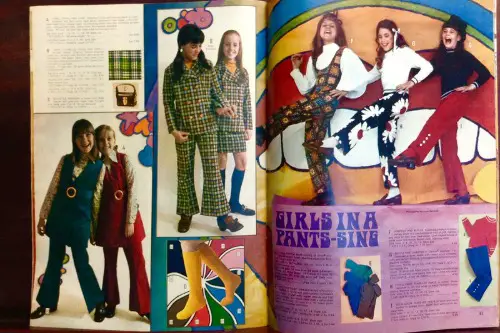
Big seasonal catalogs from retailers like Sears or JCPenney used to arrive like mini encyclopedias of trends. Families would circle items and dog-ear pages to plan purchases or holiday lists. These catalogs were cultural touchpoints showing what was considered stylish or essential. Online shopping made them largely unnecessary.
Now people browse product pages one at a time instead of flipping through curated spreads. The shift removed the feeling of discovery from casually turning pages. Instead, search bars and filters guide you straight to one item. It’s efficient but far less imaginative.
5. Burning Mix CDs for Friends
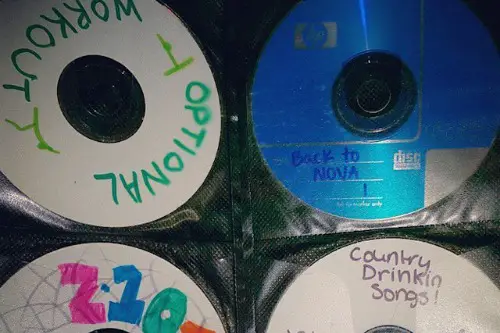
Making a mix CD took real effort, from choosing the playlist order to scribbling a handwritten cover. It felt like giving someone a personalized soundtrack to your friendship. Digital playlists are convenient, but they lack that crafted, physical touch. The disappearance of mix CDs took away a small but meaningful creative outlet.
Today you can share a playlist link instantly, which is helpful but feels less intimate. There’s no cover art you made with markers or the hope the disc doesn’t skip. The ritual of burning and gifting the mix made it special. Digital sharing removed the imperfections that made it personal.
6. Using Paper Maps on Road Trips
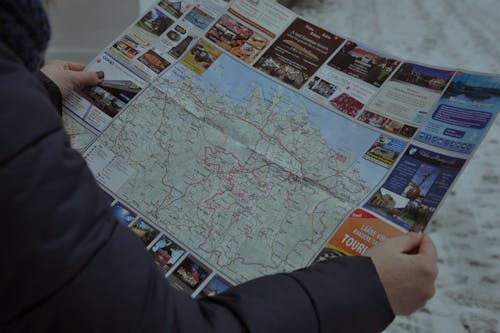
Unfolding a huge map across the car seat was practically a rite of passage. Navigating meant reading symbols, road numbers, and tiny print. GPS apps replaced that learning curve with spoken directions. Suddenly, geography became something fewer people interacted with directly.
Paper maps required teamwork and attention. You had to plan routes instead of following a blue line automatically. Now people rarely think about the bigger picture of where they’re traveling. The experience shifted from exploration to autopilot.
7. Lining Up at the Ticket Booth for a Movie
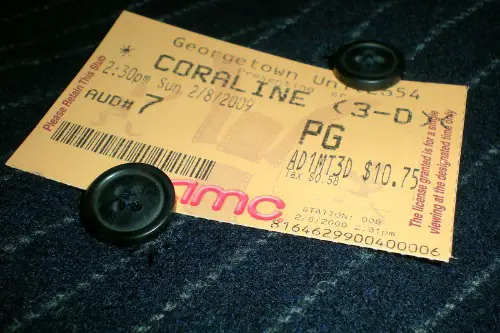
Buying movie tickets used to mean showing up early and hoping the show didn’t sell out. The line itself felt like part of the evening, filled with popcorn smells and chatter. Online ticketing ended most of that uncertainty. It removed both the inconvenience and the communal anticipation.
With digital reservations, people skip straight to their seats. There’s no sense of a crowd forming or building excitement. The shared ritual becomes more fragmented. Convenience replaced a small but memorable pre-movie tradition.
8. Checking the Newspaper for TV Listings
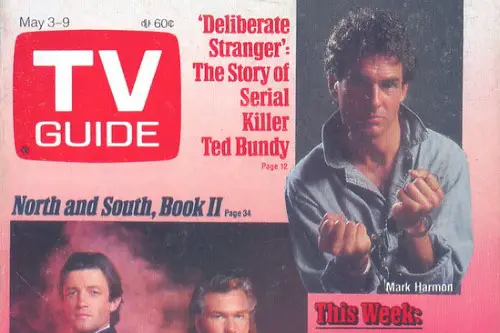
Families once relied on printed TV grids to plan their weekly viewing. You’d highlight favorite shows or negotiate who got the remote. Streaming and on-demand viewing erased the need for schedules entirely. TV stopped being a shared nightly event and became something you consume whenever.
This change made entertainment more flexible, but less communal. There’s no flipping through a page and accidentally discovering a new show. Algorithms pick for you instead of you scanning a full list. That shift quietly ended a longtime household routine.
9. Dropping By a Friend’s House Unannounced

Before constant texting, showing up at someone’s house was normal. You’d knock, hope they were home, and hang out spontaneously. Smartphones made spontaneous visits feel intrusive because people expect coordinated plans. The casual drop-in disappeared once availability became something you could (and should) confirm instantly.
Now friendships often rely on scheduling instead of chance. That makes social time more organized but less organic. Unplanned moments became rare because communication became too precise. It changed the social landscape in small but real ways.
10. Renting Physical Video Games
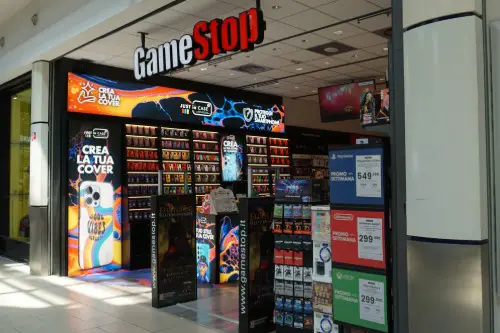
Video game rentals from stores or kiosks were once a key part of trying new titles. You’d browse boxes and take home a game for just a few days. Digital downloads and subscription libraries nearly erased that experience. There’s no pressure to finish quickly before a return deadline.
The shift also removed the excitement of discovering something unexpected on the shelf. Now people rely on trailers and algorithms to decide what to play. It’s practical but not as fun as picking a game based on cover art alone. A whole micro-culture around renting quietly vanished.
11. Writing Checks at the Grocery Store
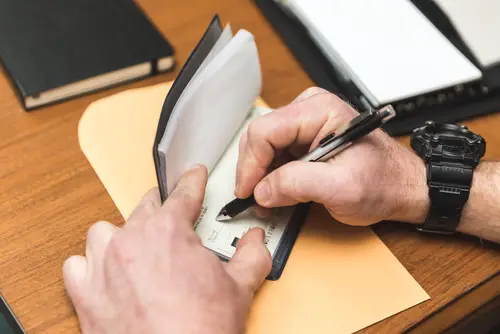
Checks were once a routine payment method that slowed down checkout lines. People carried checkbooks and balanced registers afterward. Debit cards and mobile payments erased that whole process. Many younger shoppers have never even seen someone write a check in public.
The change made checkout quicker but less personal. Cashiers interacted more with customers when payments took longer. Now transactions are rapid, silent taps. It’s efficient, but it shortened small everyday interactions.
12. Listening to Radio Hosts for Music Discoveries
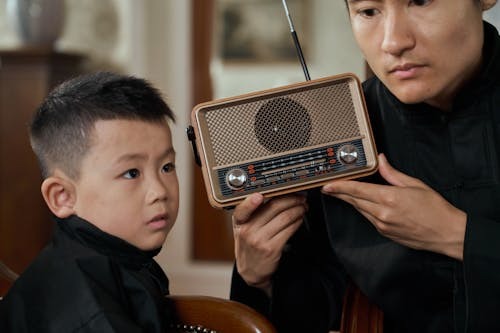
Radio DJs once introduced listeners to new tracks before they became hits. You might sit through ads just to catch the name of a song you loved. Music streaming services replaced that gatekeeping with personalized recommendations. That made discovery faster but removed the human touch.
Today algorithms suggest music based on past behavior, not a DJ’s taste. It means fewer shared listening moments across a community. Radio still exists, but it’s no longer the main discovery channel for most listeners. The shift made music personal but less collective.
This post 12 Everyday American Experiences That Disappeared the Second Everything Went Digital was first published on American Charm.

