
1. Los Angeles, California

Los Angeles shines with sunshine and opportunity, but the cost of living makes life challenging for many full-time workers. Housing is notoriously expensive, especially near job hubs, and everyday expenses like gas and groceries pile on quickly. Many residents need multiple streams of income just to cover rent and bills. Even with a decent salary, financial stress is a common story here.
Traffic and long commutes amplify the strain on both time and money. Service industry jobs and creative roles often pay below what’s needed to feel secure. Side gigs and roommates become essential strategies for survival. In LA, the dream of living in a sunny paradise can feel expensive and exhausting.
2. New York, New York
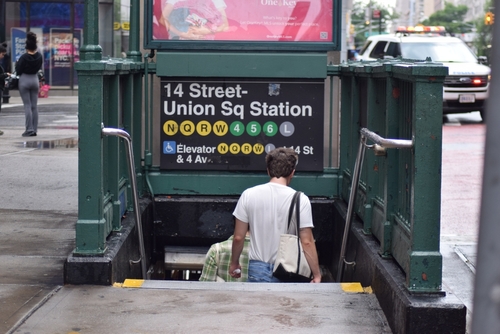
Living in New York City often feels like a full‑time job before you even clock in at work — rent, groceries, and commuting costs are sky-high. Median incomes here rarely cover the full cost of living, leaving residents constantly stretching every dollar. Many people end up sharing apartments well into adulthood or relying on side hustles to make ends meet. Even with a steady job, it’s common to feel financially pinned down in the city that never sleeps.
The cost of housing is the biggest culprit, often taking up more than half of a worker’s paycheck. Utilities, public transit, and everyday expenses add extra layers of pressure. Saving money or handling unexpected bills can feel almost impossible. For New Yorkers, even a good income doesn’t always translate to peace of mind.
3. San Francisco/San Jose, California

The Bay Area is famous for tech salaries, but those high wages often get swallowed by exorbitant housing costs. Rent and property prices are some of the highest in the country, leaving many workers stretched thin. Even six-figure earners sometimes struggle to save money. In cities where innovation thrives, affordability often doesn’t.
Workers in education, retail, and healthcare frequently find themselves priced out of nearby neighborhoods. Commuting long distances is common just to find housing that’s remotely affordable. Even full-time jobs don’t guarantee financial stability in this area. For many residents, living comfortably requires creative budgeting or multiple income sources.
4. Boston, Massachusetts

Boston blends history, education, and healthcare hubs, but the cost of living is high across the board. Housing expenses alone can consume more than half a median income. Residents often juggle bills and rent, leaving little room for savings or leisure. Even long-time locals feel the squeeze in this historic city.
Rents are high, and essential costs like healthcare and childcare add even more pressure. Many delay buying homes or starting families due to the financial strain. Budgeting becomes a constant task rather than a choice. In Boston, living well often requires both careful planning and sacrifice.
5. Miami, Florida
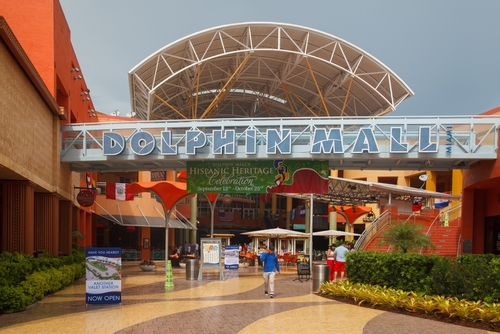
Miami’s beaches and nightlife make it an attractive city, but daily living comes with a steep price tag. Housing costs have surged in recent years, outpacing many full-time wages. Utilities, transportation, and groceries only add to the strain. Many workers balance multiple jobs just to cover the basics.
Tourism and service jobs dominate the economy, but wages in these sectors often don’t match living costs. Long commutes from cheaper suburbs are common for affordability. Even steady full-time employment may not provide financial breathing room. In Miami, the appeal of the city comes with a challenging cost of living.
6. Chicago, Illinois
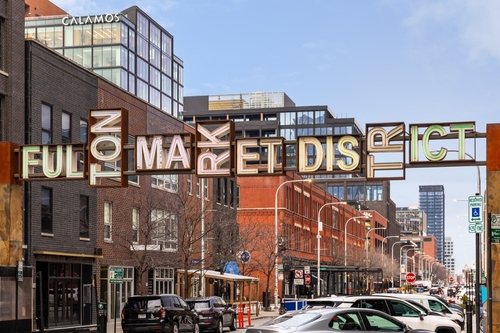
Chicago has a diverse economy and plenty of jobs, but living costs still stretch workers’ budgets. Rent, utilities, and transportation often take up a significant portion of income. Even with a median wage, financial stress is common. The perks of big-city life don’t always equal comfort on a paycheck.
Housing affordability is a central issue, making homeownership feel distant for many. Full-time work might not leave enough for savings or unexpected expenses. People often rely on roommates or side gigs to make ends meet. Even when jobs are plentiful, balancing expenses can feel like a tightrope walk.
7. Atlanta, Georgia
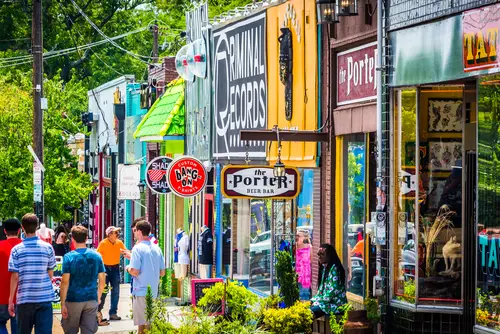
Atlanta’s booming economy draws newcomers, but living costs have risen faster than wages in many sectors. Housing, transportation, and everyday essentials can consume a large chunk of a paycheck. Many residents juggle multiple jobs or roommates just to stay afloat. Even full-time work doesn’t always guarantee financial security.
Rapid population growth has created a housing supply crunch. Commuting from affordable areas can mean long daily travel times. Workers often find themselves stretched thin despite steady employment. In Atlanta, career opportunity doesn’t always equate to financial ease.
8. Austin, Texas
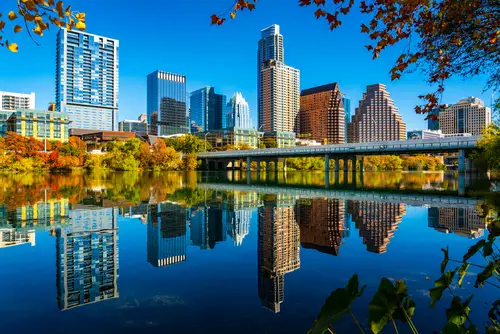
Austin’s tech and cultural boom has brought jobs and people, but also soaring rents. Housing demand far outpaces supply, leaving many residents scrambling. Even well-paid positions sometimes don’t cover the full cost of living comfortably. Full-time work can still leave a financial gap for many locals.
Population growth has pushed prices higher without corresponding wage increases. Many workers must take on side gigs or live farther from the city center. Commuting becomes a daily necessity for affordability. Austin proves that a hot job market doesn’t always mean a livable paycheck.
9. Dallas, Texas

Dallas offers a strong economy, yet housing and living costs continue to rise. Rent and basic expenses often outpace wage growth in many industries. Full-time employment may not provide enough disposable income to feel secure. Budgeting becomes a critical skill for workers in the city.
Many residents take second jobs or live in distant suburbs to afford housing. Even with job availability, financial stress is common. Balancing work, transportation, and family expenses can be challenging. Dallas shows that economic opportunity doesn’t always match affordability.
10. Philadelphia, Pennsylvania

Philadelphia has a rich history and strong job sectors, but many workers feel the pinch of rising costs. Housing, food, and utilities often take a large share of income. Even full-time employment sometimes doesn’t cover basic expenses comfortably. Residents frequently rely on roommates or extra work to balance budgets.
While Philly isn’t as expensive as coastal metros, the gap between wages and living costs is noticeable. Homeownership and family planning can be delayed due to financial pressures. Even with strong communities, affordability remains a constant concern. Living here often requires careful money management and compromise.
11. Seattle, Washington

Seattle’s strong tech and service industries attract workers, but housing costs are among the highest in the region. Rent and mortgages take a big bite out of paychecks. Even well-compensated workers can struggle to save money. The city offers opportunities but also constant financial pressure.
Competition for housing drives prices up faster than many wages. Workers outside the tech sector may find it particularly hard to keep up. Even full-time jobs don’t guarantee comfort or security. In Seattle, living well often demands both a good job and careful budgeting.
12. Honolulu, Hawaii
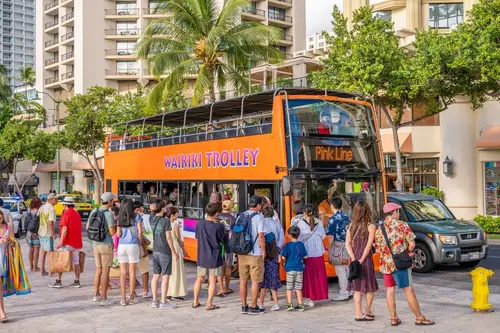
Honolulu is a tropical paradise, but the cost of living is extreme. Housing, groceries, utilities, and transportation all trend above national averages. Even steady full-time employment often leaves little room for savings. Many residents juggle multiple jobs or live with extended family just to make ends meet.
Imports drive up prices for almost everything, increasing daily expenses. Full-time work rarely guarantees financial comfort. Living in paradise comes with a premium that wages don’t always match. Honolulu is a reminder that beauty and affordability rarely coincide.
13. Washington, D.C.

Washington, D.C. has a strong job market, but living costs are high. Housing, transportation, and daily expenses quickly eat into income. Even workers in government or nonprofit roles often find it hard to make ends meet. Full-time employment doesn’t automatically mean financial breathing room.
Many residents commute from surrounding suburbs to find affordable housing. Cost pressures can limit savings and discretionary spending. Balancing work and living expenses is a common challenge. In D.C., a good job is only part of financial stability.
14. San Diego, California
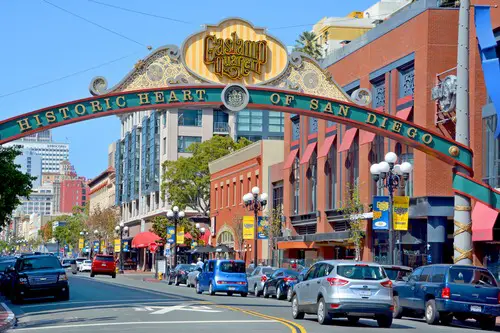
San Diego’s sunny weather and beaches attract residents, but the cost of living is steep. Rent, groceries, and utilities consume a significant portion of wages. Many full-time workers still struggle to save or cover unexpected expenses. Even with a stable income, the city’s expenses can feel overwhelming.
Housing shortages and high demand push prices higher every year. Workers often face long commutes to find affordable living options. Balancing career opportunities with cost-of-living realities is a daily challenge. In San Diego, paradise comes at a premium that even full-time work may not fully cover.
This post Even Full-Time Jobs Can’t Keep Up With Costs in These 14 U.S. Cities was first published on American Charm.

