
1. Talkeetna
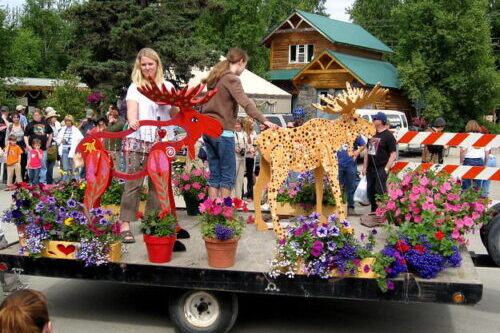
For nearly two decades, this tiny Alaska town had a cat serving as honorary mayor. The orange tabby, named Stubbs, was first “elected” in 1997 after residents jokingly wrote his name in during a local election. Since Talkeetna is an unincorporated community without a real mayor, the idea stuck. Before long, the feline figurehead became a beloved symbol of the town.
Residents kept up the tradition because Stubbs became a quirky ambassador who drew curious visitors. Tourists regularly stopped by the local general store hoping to see the famous mayor lounging behind the counter. The custom reflected the town’s playful personality and its independent frontier spirit. Even after Stubbs died in 2017, the story remains one of Talkeetna’s most charming local legends.
2. Punxsutawney
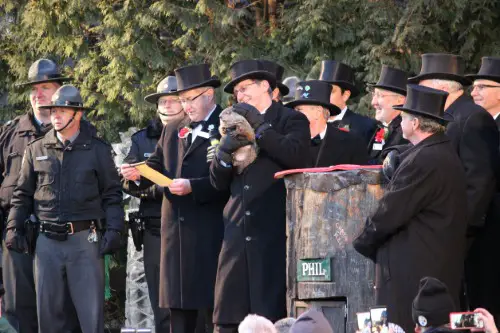
Every February 2, this small Pennsylvania town becomes the center of national attention thanks to its famous groundhog, known as Punxsutawney Phil. The custom dates back to 1887 and is tied to old European weather folklore brought by German immigrants. According to tradition, Phil emerges from his burrow to predict whether winter will continue. If he sees his shadow, locals say there will be six more weeks of cold weather.
The ceremony is organized by the Punxsutawney Groundhog Club, whose members dress in tuxedos and top hats for the announcement. What began as a quirky regional ritual turned into a nationally recognized event after the release of the film Groundhog Day. Still, locals treat it less like a tourist show and more like a proud piece of heritage. The town preserves the custom because it celebrates its immigrant roots and keeps a century-old community tradition alive.
3. Nederland
Each March, this mountain town hosts one of the strangest celebrations in the country: Frozen Dead Guy Days. The festival began in 2002 after residents learned about a cryogenically frozen man stored in a shed above town. His name was Bredo Morstoel, a Norwegian grandfather whose family hoped to preserve him for possible future revival.
Rather than hide the odd story, locals leaned into it with a festival full of coffin races, icy games, and costumed parades. The event quickly became a way to embrace the town’s offbeat identity. What started as a darkly humorous response to an unusual situation turned into a major annual attraction. Residents preserve the tradition because it celebrates the town’s weird history and sense of humor.
4. Helena
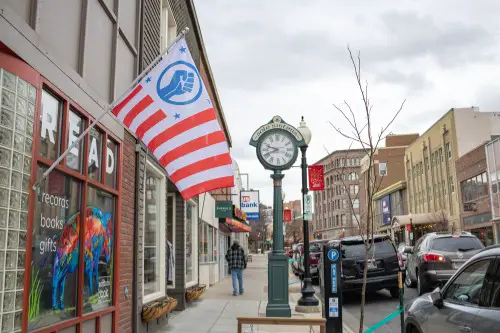
In the early days of Helena’s gold rush era, people believed the town’s founding spirits never quite left. That belief evolved into a long-running tradition of ghost tours and storytelling centered on Helena’s historic downtown. Many of these stories focus on the once-lavish Last Chance Gulch. Locals say the boomtown atmosphere and dramatic history left behind more than just old buildings.
Today the community still leans into these ghostly tales through seasonal events and walking tours. Residents keep the stories alive because they connect modern Helena to its frontier past. The legends also help preserve historic landmarks that might otherwise be forgotten. What began as local folklore has become part of the town’s cultural identity.
5. Casey
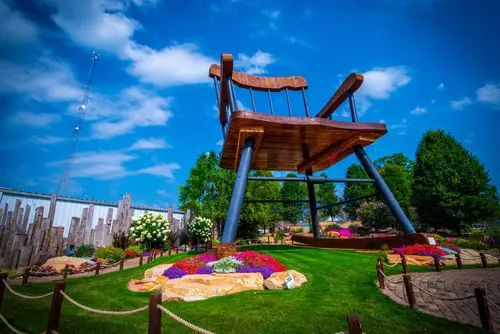
Casey has built an entire identity around giant everyday objects scattered throughout town. Visitors can see oversized items like the world’s largest rocking chair, mailbox, and wind chime. Many of them were built by local businessman Jim Bolin. His goal was to draw travelers off the highway and into the town’s small downtown.
The tradition stuck because it worked surprisingly well. Locals embraced the idea and began adding more massive sculptures to the collection. Today Casey holds several Guinness World Records tied to these giant objects. The town preserves the custom because it brings tourism while turning ordinary items into playful public art.
6. Oatman
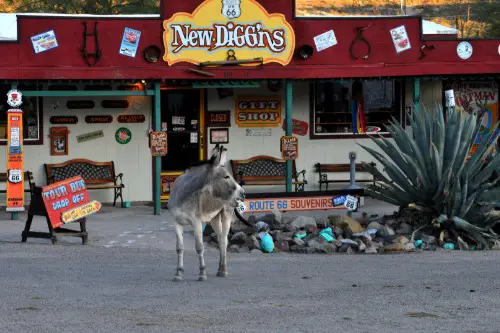
Wild burros roam freely through the streets of this former mining town along historic U.S. Route 66. The animals are descendants of pack burros abandoned by miners in the early 1900s. Over time, they adapted to life around people and became a defining part of the town’s character. Today they wander between shops, posing for photos and occasionally nudging tourists for snacks.
Residents preserve the tradition of caring for the burros because it honors the town’s mining heritage. Local businesses sell approved feed so visitors can safely interact with them. The animals have become unofficial mascots and a major draw for travelers exploring Route 66. Without them, Oatman would feel far less like a living piece of Old West history.
7. Boonville
Boonville holds on to a fascinating linguistic tradition known as Boonville slang, sometimes called “Boonville Dutch.” The coded slang dates back to the late 1800s when local workers created playful substitute words for everyday language. A horse might be called a “yapple,” while money could be referred to with completely different terms. Outsiders had a hard time following conversations.
Residents preserved the slang partly as a joke and partly as a symbol of local pride. Linguists later studied it as an unusual example of community-created vocabulary. Today the town still celebrates the dialect during historical programs and local storytelling events. Keeping the slang alive helps Boonville remember a quirky piece of its cultural past.
8. Chadds Ford
Every year, residents gather for the playful tradition known as Punkin Chunkin. Participants build homemade devices designed to launch pumpkins as far as possible across open fields. The event blends engineering creativity with harvest-season fun. Families often spend months designing catapults, trebuchets, and air cannons.
The custom grew from friendly competitions among locals who loved tinkering with machines. Over time, the event became a regional attraction drawing spectators from surrounding states. People keep the tradition alive because it mixes science, humor, and community spirit. It also celebrates the agricultural heritage of the area.
9. Riverside
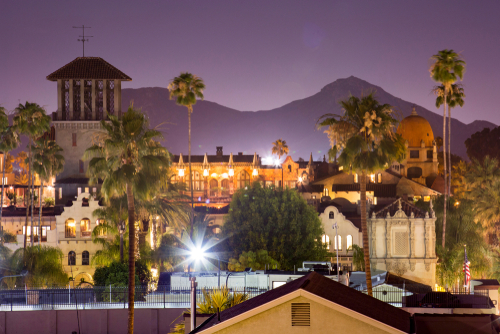
This quiet Iowa town proudly claims to be the future birthplace of James T. Kirk. According to the Star Trek timeline, the iconic starship captain will be born in Riverside in the year 2228. The town adopted the idea in the 1980s after fans noticed the detail in franchise lore. Locals leaned into it and built a monument celebrating the future captain.
Since then, Riverside has hosted annual fan gatherings celebrating the franchise. The town keeps the custom because it brings together science-fiction fans from around the country. It’s also a fun way for a small community to connect with a global pop-culture phenomenon. What started as a playful nod to a TV show became a defining local identity.
10. Enterprise
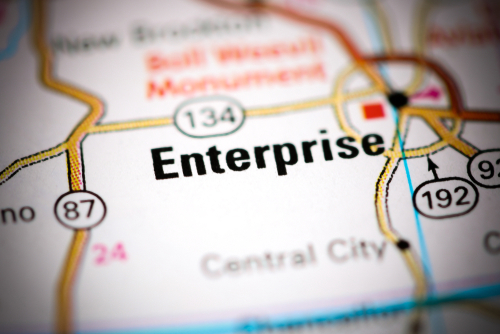
Enterprise is home to one of the strangest monuments in the United States: a statue honoring an agricultural pest. The Boll weevil devastated cotton crops across the South in the early 1900s. Instead of only mourning the loss, farmers in Enterprise switched to peanuts and other crops. The change ultimately revitalized the local economy.
To commemorate that turning point, the town erected the Boll Weevil Monument in 1919. The statue celebrates the insect for forcing the community to diversify and become more resilient. Locals still embrace the odd tribute as a symbol of perseverance. It’s one of the few places in the world where a destructive pest is honored for the positive change it inspired.
11. Centralia
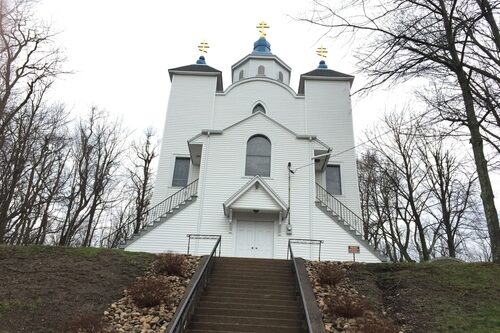
Centralia is famous for a strange and eerie tradition tied to the underground coal fire burning beneath the town. The blaze began in 1962 and has been smoldering ever since. Over time, most residents relocated as the ground cracked and smoke rose from the earth. Despite that, a handful of people stayed behind.
The nearly abandoned town became a strange destination for curious visitors and urban explorers. Graffiti-covered stretches of the old highway turned into an unofficial art site. Locals who remain continue sharing stories of the town’s unusual history. Preserving those stories keeps Centralia’s strange legacy from disappearing entirely.
12. Marfa
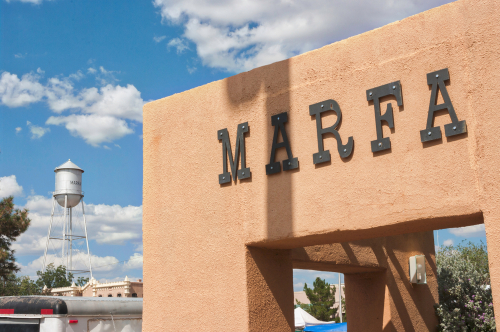
Just outside Marfa, mysterious glowing orbs sometimes appear in the desert at night. These unexplained lights are known as the Marfa Lights. Reports of the strange phenomenon date back to the late 1800s. Witnesses describe floating lights that shift colors or move unpredictably across the landscape.
Instead of dismissing the mystery, locals embraced it as a defining feature of the town. Visitors gather at the Marfa Lights Viewing Area hoping to catch a glimpse. The tradition of watching for the lights has turned into a local ritual. It blends frontier legend, science curiosity, and small-town storytelling.
13. Key West
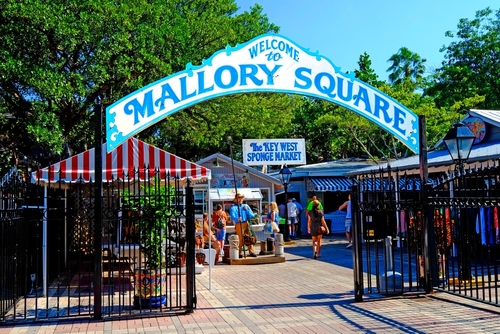
In 1982, residents jokingly declared independence from the United States and formed the Conch Republic. The stunt happened after a federal roadblock slowed traffic entering the Florida Keys. Frustrated locals staged a mock secession to protest the inconvenience. Within minutes, they symbolically “surrendered” and applied for foreign aid.
What started as political satire turned into a beloved annual celebration. The town now hosts festivals, parades, and reenactments of the brief “rebellion.” Locals maintain the tradition because it captures Key West’s playful and independent spirit. It also reminds visitors that the community knows how to turn frustration into humor.
This post Curious Reasons These American Towns Still Preserve Odd Local Customs was first published on American Charm.

