
1. Communication: Phone Calls vs. Texting

Older generations often see phone calls as the clearest, most respectful way to communicate. For decades, landlines were the primary household technology, and calling someone signaled urgency or importance. Tone of voice carried meaning, and conversations were expected to happen in real time. That norm still shapes expectations today.
Younger Americans, who grew up with mobile phones and instant messaging, tend to default to texting. The rise of smartphones after the introduction of the iPhone accelerated this shift. Texting allows for asynchronous communication and careful phrasing, which many find less intrusive. To them, an unexpected phone call can feel disruptive rather than polite.
2. Attitudes Toward Work and Loyalty to Employers

For many Baby Boomers who built their careers in the decades after World War II, job stability was a virtue and long tenure at one company signaled reliability. Pensions were more common, and staying put often meant predictable raises and retirement security. That experience shaped a belief that loyalty to an employer would be rewarded. It’s why older Americans sometimes view frequent job changes with skepticism.
Millennials and Gen Z entered a labor market defined more by layoffs, contract work, and fewer traditional pensions. Watching events like the Great Recession unfold during formative years reinforced the idea that companies may not be loyal in return. As a result, switching jobs for better pay or flexibility feels practical rather than disloyal. The divide isn’t about work ethic so much as different economic realities.
3. Views on Homeownership

For much of the late 20th century, buying a home was seen as a cornerstone of adulthood. Federal policies after World War II expanded mortgage access and helped fuel suburban growth. Rising home values in the 1970s through 1990s reinforced the idea that real estate was a reliable investment. That experience still informs older Americans’ advice to “buy as soon as you can.”
Younger generations face higher home prices relative to income and often carry student loan debt. The housing crash tied to the Great Recession also left a lasting impression about risk. Renting longer or choosing urban living over suburban homeownership can feel financially rational. The disagreement often reflects market conditions more than personal priorities.
4. Social Media and Privacy

Gen X and older Americans remember a time when personal moments weren’t routinely broadcast online. Privacy was physical and social, not digital, and reputations were shaped locally. That perspective can make public oversharing on social platforms seem risky. Concerns about data and permanence are often front of mind.
Younger generations grew up alongside platforms like Facebook, Instagram, and TikTok. Sharing milestones, opinions, and even daily routines became normalized in adolescence. Online identity is often an extension of offline life rather than a separate sphere. The gap reflects different starting points with digital technology.
5. News Consumption Habits

For decades, families gathered around evening broadcasts from networks like NBC or read a local newspaper at the kitchen table. News arrived at set times and from a limited number of national outlets. That structure reinforced trust in a few established institutions. It also created shared reference points across communities.
Younger Americans are more likely to get headlines from social feeds or digital-first outlets. Algorithms personalize content, which can fragment the information landscape. Podcasts and newsletters compete with traditional television. The generational divide here is about distribution channels, not necessarily interest in staying informed.
6. Marriage and Family Timelines

In the mid-20th century, marrying in one’s early twenties was common in the United States. Economic conditions, cultural norms, and limited access to higher education for some groups all played a role. Starting a family soon after marriage was widely expected. Those timelines shaped what older generations consider “on track.”
Today, Americans on average marry later than they did in 1960, and more adults delay or forgo marriage altogether. Expanded educational opportunities and career paths, especially for women, influence that shift. Cultural milestones have stretched out, and there’s less stigma around alternative family structures. The tension often reflects changing social norms rather than declining commitment.
7. Attitudes Toward Student Debt

Public universities were significantly less expensive relative to income in the 1960s and 1970s. Many older Americans could cover tuition with part-time work or modest loans. That history informs the belief that higher education should be financially manageable. It can also fuel confusion about today’s borrowing levels.
In contrast, many Millennials and Gen Z graduates carry substantial student loan balances. Tuition has risen faster than inflation over several decades. For them, debt shapes decisions about housing, careers, and even starting families. The generational disagreement often stems from dramatically different cost structures.
8. Workplace Dress Codes

In previous decades, professional environments emphasized formal attire. Suits, ties, and conservative dresses signaled seriousness and respectability. Office culture was closely tied to visible markers of professionalism. Casual clothing was often associated with leisure, not work.
The tech boom, symbolized by companies like Apple and Google, helped popularize more relaxed dress codes. Startups often valued innovation and output over appearance. Younger workers, influenced by those norms, may see formal dress as unnecessary. The divide is about shifting definitions of professionalism.
9. Media Formats: Cable TV vs. Streaming
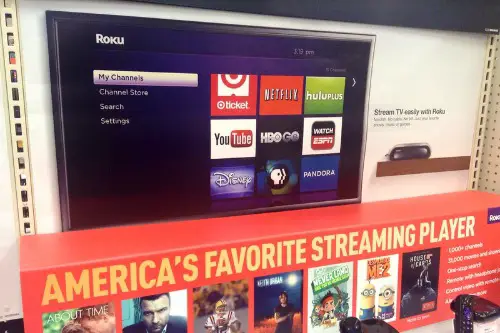
For years, cable subscriptions were the standard way to watch television. Households paid for bundles that included dozens of channels whether they watched them or not. Scheduled programming shaped family routines. That model defined entertainment for generations.
Younger viewers increasingly prefer streaming services like Netflix and Hulu. On-demand viewing allows for binge-watching and personalized libraries. Cord-cutting has become common among younger households. The disagreement often centers on convenience and cost, not love of storytelling.
10. Civic Engagement and Activism

Older generations often associate civic participation with voting, attending town halls, or joining established organizations. These forms of engagement were highly visible during eras like the Civil Rights Movement. Structured leadership and in-person organizing were central. That model still defines activism for many Americans.
Younger generations frequently organize through digital platforms and social media campaigns. Online petitions, hashtag movements, and rapid-response fundraising are common tools. Critics sometimes question the depth of digital activism. Supporters argue that technology broadens access and speeds mobilization.
11. Humor and “Cancel Culture”

Comedic norms have shifted over time, especially regarding language about race, gender, and sexuality. Jokes that were common in the 1980s or 1990s are often reconsidered today. Older Americans may see this shift as a loss of freewheeling humor. They remember a media environment with fewer public consequences.
Younger generations tend to emphasize the social impact of words and platforms. High-profile controversies involving comedians and public figures have amplified debates about accountability. Social media can rapidly escalate criticism into national conversations. The divide reflects evolving standards about harm, inclusion, and public speech.
This post Cultural Habits That Divide Generations in America was first published on American Charm.

