1. Brazil
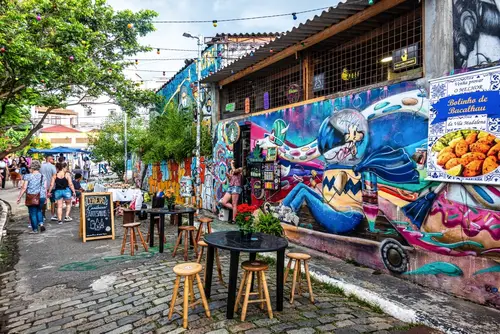
Brazilian youth culture eagerly adopts American music, films, and fashion. English slang often appears in social media posts and advertising. But Brazilians emphasize friendliness and emotional expression in a different way than Americans. Some find American individualism surprisingly detached.
In public spaces, Brazilians value sociability and connection. Americans who appear distant or overly serious can be misinterpreted as unfriendly. On the other hand, loud or overly confident behavior can also feel out of place depending on the setting. This duality creates mixed feelings alongside cultural admiration.
2. South Korea
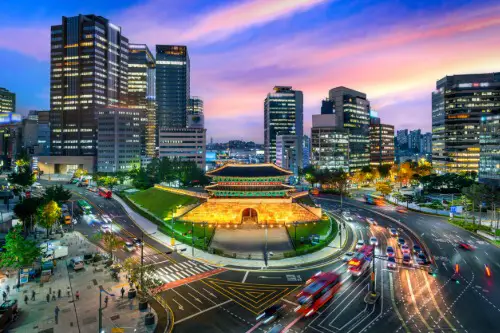
South Korea shares a strong love for American pop culture, especially hip-hop, film, and fast food chains. English slogans and U.S. aesthetics are common in Seoul’s trendier districts. Yet Korean social expectations value modesty and group harmony, which can clash with the more individualistic American vibe. The contrast becomes more visible in nightlife districts where tourists gather.
South Koreans also frequently remark on the difference in etiquette around public transportation. Talking loudly, eating on trains, or disregarding lines tends to be frowned upon. American visitors don’t always realize how important quiet and order are in crowded spaces. This leads to a perception that the culture is loved but the behavior is hit-or-miss.
3. Singapore

Singaporeans enjoy American movies, tech products, and brands, and the city is filled with U.S.-style malls and eateries. American universities are also highly admired, influencing local academic culture. But Singapore has extremely strict cleanliness and public-behavior laws. That creates a sharp contrast with the more relaxed American approach to public conduct.
Locals often point out differences in attitudes toward rules. Jaywalking, littering, or chewing gum in restricted areas can quickly result in fines. Visitors who aren’t aware of or don’t take these regulations seriously draw attention. So while the culture is embraced, the informal behavior isn’t.
4. Germany

Germany has a long-standing fondness for American music, TV, and sports like basketball and the NFL. Cities such as Berlin often host U.S.-themed events and clubs. Yet Germans value directness paired with order, which makes spontaneous or rule-bending American behavior feel out of sync. This shows up in everything from recycling expectations to traffic norms.
Many Germans are surprised by the volume and enthusiasm Americans bring to public settings. Loud conversations in restaurants or public transport can feel jarring. There’s also a strong cultural emphasis on privacy, and oversharing can seem unusual. These small clashes create a gap between loving the media and questioning the manners.
5. France
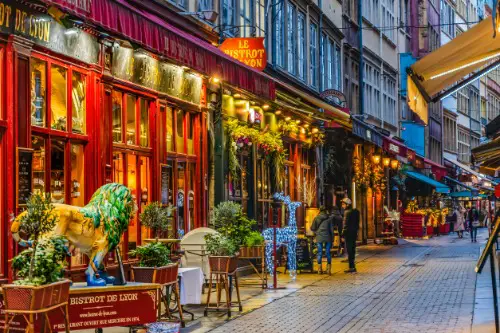
Despite the jokes, France consumes plenty of American culture—from Netflix to blue jeans to streetwear. Younger generations in particular adopt U.S. slang and music trends. But French etiquette in public spaces is more subdued than what they sometimes see from American tourists. Personal space and quiet conversation hold higher priority.
The French also take dining etiquette seriously. Quick meals on the go, eating while walking, or loud group dinners can stand out. Americans sometimes view cafés as casual hangouts, while locals see them as places for measured socializing. This creates a cultural mismatch despite the admiration for American creativity.
6. Italy
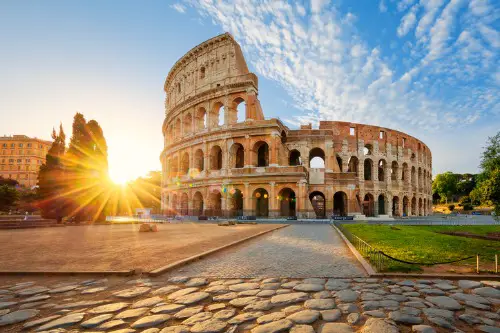
Italy has a warm spot for American movies, fashion influences, and technology. U.S. brands from sneakers to coffee chains have found devoted followers. Yet Italians pride themselves on their leisurely lifestyle, which contrasts with the fast-paced American rhythm. That difference becomes obvious in social settings.
Italian locals sometimes comment on American impatience or rushed behavior. Waiting your turn and savoring the moment is central to Italian life, especially in cafés and markets. Tourists who move quickly or speak loudly stand out quickly. So while American pop culture fits right in, American habits sometimes don’t.
7. Spain

Spain loves American TV, sports, and music festivals that often borrow U.S. themes. English-language media is extremely popular, especially with younger audiences. But Spain’s social rhythm is more relaxed and community-focused than the American one. That naturally creates friction around expectations for public courtesy.
Spanish people often point to differences in nightlife behavior. Americans sometimes underestimate how socially structured Spanish nightlife can be, especially regarding dress codes or bar etiquette. Loudness isn’t unusual in Spain, but there’s a rhythm to it that locals understand. That’s where visiting habits sometimes clash.
8. Thailand

Thailand embraces American pop music, films, and street-style fashion. Shopping centers and nightlife venues frequently highlight U.S. influences. Yet Thais highly value politeness, calmness, and the concept of “saving face.” This can conflict with the more outspoken American style.
Many locals notice when tourists disregard temple etiquette or dress codes. Public displays of frustration, like raising one’s voice, are frowned upon. Thais often say they enjoy the friendliness of Americans but not the occasional lack of cultural awareness. That keeps the admiration and irritation in a careful balance.
9. Vietnam
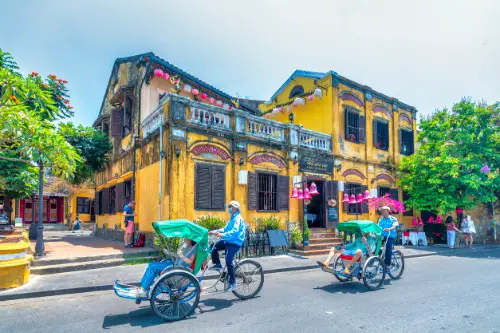
Vietnamese youth culture is heavily influenced by U.S. films, fashion, and especially fast food chains. English-language learning also draws on American media and role models. But Vietnam maintains strong communal and respectful social norms. Certain American behaviors—like casual swearing—can feel abrupt.
Local norms around modesty and public politeness are strong. Speaking loudly in shops or not greeting elders properly can feel disrespectful. American tourists sometimes unintentionally overlook these small nuances. So the culture is admired, even when the manners aren’t.
10. Philippines

The Philippines is one of the most U.S.-influenced countries in Asia, largely due to deep historical ties. American music, TV shows, and fashion trends are extremely popular. Yet Filipinos prize warmth, humility, and soft communication. More assertive or blunt American styles can feel uncomfortable.
Locals sometimes find American impatience surprising. Hospitality is central to Filipino culture, and rushing through interactions feels out of place. Public behavior that seems too forward or loud can also draw attention. This creates a gap between loving the culture and questioning the conduct.
11. Mexico

Mexico has huge admiration for American entertainment, style, and consumer brands. Cross-border cultural exchange is constant and visible in daily life. But Mexican social norms emphasize warmth and respect in interpersonal interactions. Direct or overly casual American speech can occasionally feel impersonal.
Locals often point to differences in public courtesy. Americans may not realize how important greetings and small polite gestures are in Mexico. Jumping straight into business or skipping pleasantries can feel abrupt. So while American culture thrives, American behavior isn’t always embraced.
12. Japan

Japan has a long-running enthusiasm for American entertainment, from Hollywood blockbusters to classic rock. You’ll find diners themed around 1950s Americana and specialty stores stacked with U.S. fashion brands. Yet many Japanese people see American social norms—like blunt communication styles—as surprisingly abrasive. They also tend to view U.S. work-life culture as chaotic compared to Japan’s structured expectations.
At the same time, Japan often questions the rowdy behavior sometimes associated with American tourists. Public spaces in Japan emphasize calm and politeness, and loud or overly casual conduct stands out quickly. American informality can feel refreshing but also slightly disruptive. That contrast fuels an interesting mix of admiration and discomfort.
13. Sweden
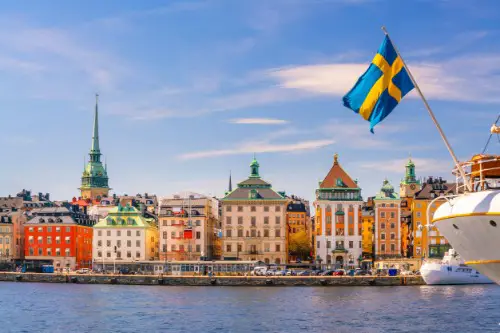
Sweden consumes a great deal of American media and fashion trends. U.S. tech and entertainment have particularly high influence. But Swedish culture values quiet, modesty, and personal space. High-energy or overly expressive behavior can feel unusual.
Swedes often notice when visitors interrupt conversations or speak loudly in public. Social etiquette emphasizes waiting your turn and respecting shared spaces. Americans sometimes unintentionally cross these lines. So while the culture is welcomed, the social habits can feel too intense.
14. Norway

Norway loves American pop culture, outdoor brands, and entertainment. Even small towns show U.S.-inspired fashion and music choices. But Norwegians generally value calmness and humility. Exuberant American behavior can seem overly bold.
Public transportation etiquette is especially important. People expect low volume and minimal disturbance. Americans who talk loudly or move casually through lines may seem inconsiderate. It’s a cultural mismatch rather than animosity.
15. Australia

Australians enjoy American movies, streaming platforms, and sports franchises. U.S. phrases and fashion trends appear everywhere from cities to surf towns. But Australians often joke about Americans taking things too seriously. The local culture leans heavily on sarcasm and understatement.
Australians also notice differences in personal space and noise levels. Americans may seem overly enthusiastic or formal in situations where Aussies are laid-back. That contrast can be surprising to visitors. So the culture is loved, but the behavior sometimes raises eyebrows.
This post 15 Countries That Love American Culture but Not American Behavior was first published on American Charm.