
1. Facebook (Meta)
Facebook used to feel like a cozy digital neighborhood where people simply reconnected with old friends. Over time, the shift toward data-driven advertising made the platform feel more invasive than social. The Cambridge Analytica scandal amplified concerns about privacy and manipulation. Many users say the company’s rebrand to Meta only made the whole thing feel more corporate and less trustworthy.
As the company pushed toward virtual reality, people felt like it was drifting away from what they originally signed up for. The algorithm changes also frustrated users who missed simpler chronological feeds. Misinformation issues added another layer of discomfort. All of these changes together created the sense that Facebook had outgrown its original purpose.
2. Twitter (X)
Twitter was once seen as a hub for real-time news and communities that felt organic and self-directed. When the platform was rebranded as X, many users felt like the platform’s identity was disappearing overnight. Changes to verification, content moderation, and features made the space feel less stable. People didn’t necessarily dislike innovation, but they felt the shift wasn’t communicated clearly.
Users also struggled with sudden policy reversals and inconsistent enforcement. Longtime creators felt like their influence was suddenly diminished. The push toward paid features made some feel like access to visibility was being sold off. Many felt the “modern makeover” happened too fast for comfort.
3. Netflix
Netflix originally won people over by making entertainment simple and affordable. Over the years, subscription prices kept rising, making the service feel less accessible. The crackdown on password sharing felt like a betrayal to users who’d grown accustomed to that flexibility. Many saw these moves as chasing revenue over customer goodwill.
The interface also became cluttered with autoplaying previews and endless categories. Frequent cancellations of popular shows frustrated viewers who invested time but didn’t get closure. The push toward more original content sometimes felt like quantity over quality. These changes collectively made Netflix feel more corporate than community-driven.
4. Starbucks
Starbucks once stood for consistency, comfort, and a reliable third place between home and work. As the company modernized with mobile ordering and efficiency-driven layouts, some customers felt the atmosphere became more transactional. The shift toward automation in stores reduced the human element that people liked. Many also noticed shrinking seating and quicker turnover.
Labor disputes and union-related controversies didn’t help trust levels. Some customers sympathized with baristas who publicly discussed stressful working conditions. The brand’s once warm image felt more rigid and process-focused. Consumers still go, but they don’t always feel the same level of loyalty.
5. Disney

Disney had a long-standing reputation for magic, nostalgia, and family-friendly experiences. Recent price hikes at its theme parks made many families feel priced out of the magic. Changes to fast-pass systems and reservation requirements added to the sense of complexity. Many said the experience no longer felt effortless.
The company also faced criticism about franchise fatigue and uneven film quality. Some long-time fans felt that constant reboots and remakes signaled a lack of creativity. Others disliked perceived over-corporatization of storytelling choices. All of this contributed to a feeling that Disney’s charm had been overshadowed by business imperatives.
6. Bud Light
Bud Light was once seen as the safest, most neutral beer brand in America. A single marketing move put the company at the center of a cultural firestorm. Instead of appealing broadly, the promotion ended up polarizing audiences on both sides. The backlash was swift and unusually intense for a beer brand.
Many consumers felt the company handled the fallout inconsistently. Some said Bud Light’s messaging flipped too quickly in an attempt to appease everyone. Others felt the uncertainty made the brand seem unsure of its own identity. Sales dips afterward showed how fragile brand trust can be.
7. Target
Target built a reputation as the friendly, stylish upgrade to everyday shopping. Over the years, frequent layout redesigns and self-checkout expansions frustrated some shoppers. While meant to modernize stores, the changes made some feel like personal service was disappearing. Customers missed the balance between convenience and human interaction.
The company also found itself repeatedly caught in cultural debates. Controversial product decisions created backlash from opposite directions. Some shoppers felt Target couldn’t decide who it wanted to please. This tension made the once universally liked store feel strangely divisive.
8. McDonald’s
McDonald’s was once all about simple menus, predictable taste, and affordable meals. As the chain modernized with digital kiosks and sleek redesigns, some customers missed the retro charm. The push toward premium items clashed with its old “cheap and fast” identity. Prices crept up, and the experience felt less straightforward.
Frequent menu changes also frustrated regulars who liked classic items. Critics pointed out inconsistencies in quality across locations. The brand’s new tech-driven approach sometimes created long waits instead of solving them. To many, the makeover seemed to blur McDonald’s original character.
9. Hewlett-Packard (HP)
HP used to be the go-to brand for dependable home and office printers. Over time, the shift toward subscription ink services annoyed customers who preferred buying cartridges as needed. Firmware updates that disabled third-party ink created even more distrust. Many viewed these changes as prioritizing profit over user choice.
Support issues and confusing product lines added to the frustration. Some customers said printers felt more disposable than durable. Others felt the company no longer communicated transparently about its policies. Together, these shifts made HP feel less consumer-friendly.
10. Walgreens
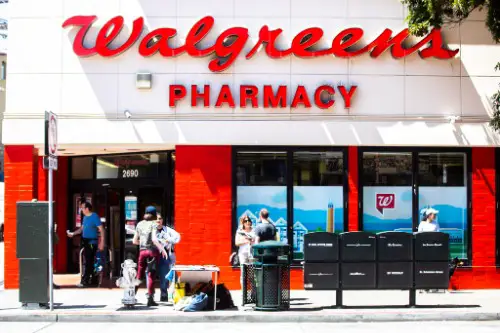
Walgreens long held a reputation as a convenient, reliable corner pharmacy. Recent store closures in several areas left some neighborhoods without easy access to medication. Customers also complained about increasingly long wait times for prescriptions. Some felt staffing changes were hurting the quality of service.
The company’s modernization efforts often emphasized automation over personal care. Self-service kiosks replaced some human interactions that people valued. Online ordering systems occasionally created delays or errors. Overall, people said the experience felt less community-oriented than before.
11. CNN
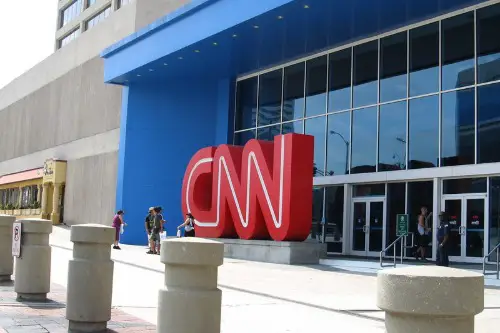
CNN was once seen as a straightforward 24-hour news source. Over time, format and leadership changes created noticeable shifts in tone and presentation. Some viewers felt the network’s identity was becoming less consistent. Others said the network seemed to chase trends to stay competitive.
Frequent programming shake-ups left audiences unsure what to expect. Critics from various political sides accused CNN of trying too hard to calibrate its appeal. This gave the impression that the brand was losing confidence in its direction. As a result, even long-time viewers felt more skeptical.
12. GE (General Electric)
GE used to represent the pinnacle of American industrial reliability. As the company diversified into finance and other sectors, its reputation became harder for consumers to pin down. High-profile financial troubles damaged public confidence. The brand no longer felt like the steady giant it once was.
Major restructurings and spin-offs only added to the confusion. People weren’t sure which parts of GE still existed or what the company stood for. The once-familiar brand felt fragmented and hard to follow. Its “modern makeover” made it seem more corporate complexity than household name.
This post 12 Corporations America Trusted Until Their “Modern Makeover” Scared Everyone Off was first published on American Charm.

