1. Branson, Missouri — Live Music Shows
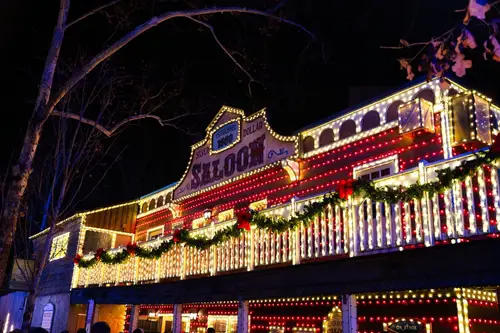
Branson was a sleepy Ozarks community until it leaned into live entertainment as its defining draw in the 1980s and 1990s. Small family acts grew into massive theaters lining Highway 76, turning the town into a country-music-themed version of Broadway. Locals embraced the idea that hosting dozens of shows daily could create year-round tourism. The strategy worked, putting Branson on the map for bus tours and families across the country.
As visitor numbers held steady, the city reinvested in supporting attractions like museums and amusement areas. Still, the heartbeat of Branson’s economy remains the theaters that made it famous. Many locals trace their livelihoods directly to the entertainment industry that dominates the town’s landscape. That single bet on music continues to define Branson’s culture and economy.
2. Orlando, Florida — Walt Disney World
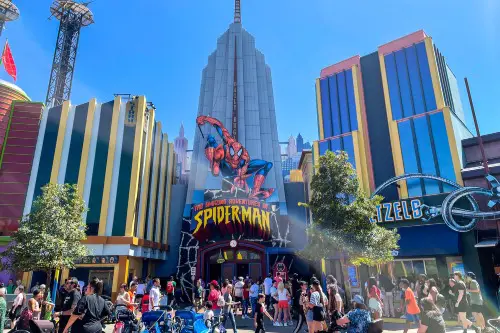
When Orlando welcomed Walt Disney World in 1971, the city embraced it as the anchor that could transform a swampy stretch of Central Florida into a tourism powerhouse. Local leaders bet that a single, world-class attraction would ignite a wave of investment, and they were right. Hotels, restaurants, and entire neighborhoods sprang up because one theme park complex drew millions. Orlando’s identity became inseparable from that bet, proving how one attraction can rewrite a region’s economic story.
In the following decades, the city doubled down on tourism infrastructure to support the constant flow of visitors. The success of Disney created a ripple effect that encouraged other major attractions to set up shop nearby. By building an economy around visitor experiences, Orlando has remained remarkably resilient during boom-and-bust cycles. Even today, the city’s expansion owes much to that original gamble on a single destination.
3. Hershey, Pennsylvania — Chocolate & Hersheypark
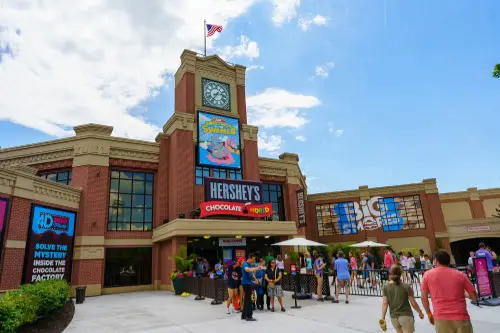
Hershey built its entire identity around Milton Hershey’s chocolate factory, and the town doubled down by creating Hersheypark as a major attraction. What began as a company picnic area evolved into a full amusement park supporting thousands of jobs. The community embraced the idea that visitors would travel specifically to experience a “chocolate town.” That distinct branding made Hershey stand out among small Pennsylvanian cities.
As the park expanded, local businesses benefited from the steady stream of tourists. Hotels themed around chocolate and sweet-centric experiences reinforced the town’s niche. Because the attraction tied so tightly to the region’s history, it created a sense of pride along with economic opportunity. Hershey remains proof of how one brand can sustain an entire community.
4. Roswell, New Mexico — UFO Tourism
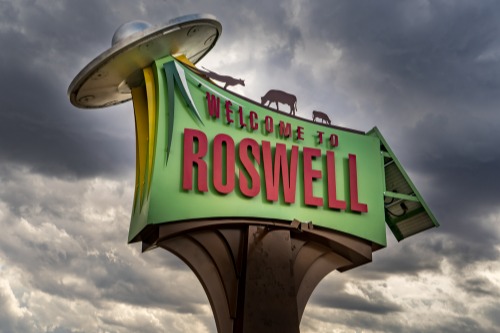
Roswell was an agricultural town until a supposed 1947 UFO incident became its most recognizable cultural asset. Instead of shying away from the odd fame, the community embraced extraterrestrial tourism. Festivals, museums, and themed shops popped up to capitalize on visitors drawn by curiosity. The city bet that leaning into the story would bring more attention than its traditional industries ever could.
That gamble paid off as UFO enthusiasts and skeptics flock there each year. The International UFO Museum became the central attraction, shaping the identity of the downtown area. Local artists and entrepreneurs built businesses around the theme. Today, Roswell’s tourism economy hinges on that one unusual piece of history.
5. Cooperstown, New York — National Baseball Hall of Fame
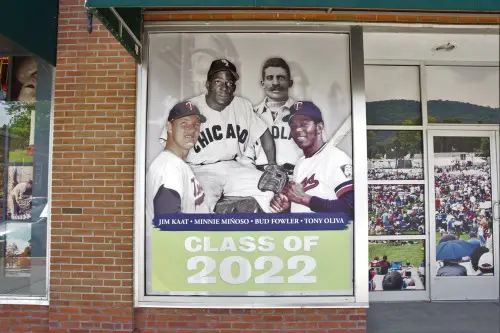
Cooperstown leveraged its association with baseball’s origins to become the permanent home of the National Baseball Hall of Fame. The village recognized that this single institution could draw fans from every corner of the nation. Opening the Hall transformed Cooperstown from a quiet rural community into a pilgrimage site for sports lovers. The attraction quickly became the backbone of the town’s seasonal economy.
Local shops, inns, and restaurants thrive because families plan trips specifically around the museum. Annual induction ceremonies give the town predictable spikes in visitors. Even during slower months, baseball tourism sustains local employment. Cooperstown’s decision to embrace one defining attraction has preserved both its charm and its economy.
6. Gatlinburg, Tennessee — Gateway to the Great Smoky Mountains
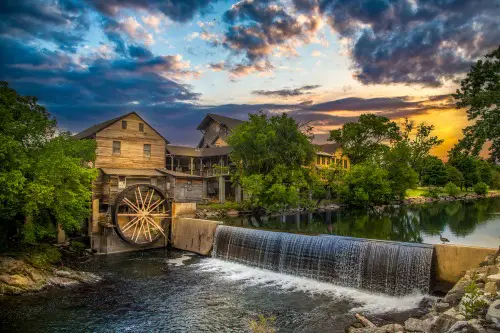
Gatlinburg positioned itself as the entry point to the Great Smoky Mountains National Park, effectively making nature the town’s single biggest attraction. The community invested in lodging, shops, and walkable downtown spaces to capture park-bound tourists. With millions visiting the Smokies annually, the town benefited directly from its strategic location. That proximity became the backbone of its economic identity.
Over time, Gatlinburg added small attractions, but they all orbit around the draw of the national park. Many businesses rely heavily on peak tourism seasons tied to outdoor activities. Wildfires and economic downturns have tested the area, yet its connection to the Smokies keeps it resilient. The town continues betting on one natural wonder to sustain its future.
7. Page, Arizona — Lake Powell
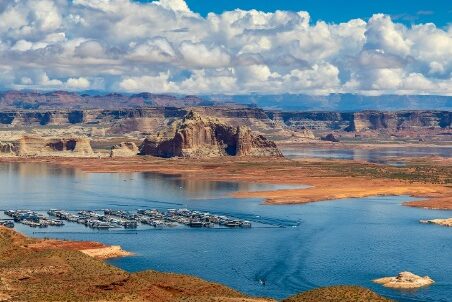
Page was founded as a construction camp for the Glen Canyon Dam, but the community grew by banking on Lake Powell as its primary attraction. As soon as the reservoir filled, the town leaned into boating, fishing, and sightseeing tourism. The stunning red-rock landscape surrounding the lake made Page a natural hub for desert exploration. That single geographic feature shaped the region’s entire tourism infrastructure.
Local outfitters, marinas, and tour companies developed to support the influx of visitors. Even as water levels fluctuate, the area remains tied to Lake Powell’s recreational draw. The town’s economy rises and falls based on how many people visit the lake each year. Page stands as an example of betting on one natural attraction for long-term economic survival.
8. Deadwood, South Dakota — Gaming
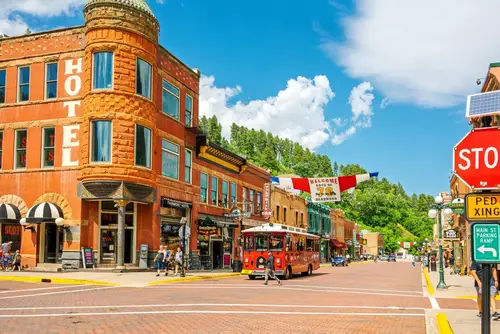
Deadwood once thrived during the Black Hills Gold Rush but reinvented itself by legalizing casino gambling in 1989. The move aimed to revive the local economy by drawing tourists interested in Old West history paired with entertainment. Historic buildings became gaming halls, preserving the town’s frontier charm. The community saw gaming as the singular attraction that could bring financial stability.
The gamble attracted steady tourism and funded large-scale historic restorations. Casinos became the economic backbone, supporting hotels and restaurants throughout the downtown area. While the town still celebrates its Wild West legacy, gaming remains the primary driver of revenue. Deadwood’s revival shows how one bold strategy can reshape a fading community.
9. Bentonville, Arkansas — Crystal Bridges Museum of American Art

Bentonville was long tied to Walmart’s corporate presence, but it shifted its public identity by investing in the Crystal Bridges Museum of American Art. The museum brought world-class art to a small Arkansas town and quickly became a national cultural destination. Its opening spurred new interest in Bentonville as a travel spot rather than just a business hub. The town embraced the museum as its defining attraction.
Boutique hotels, restaurants, and bike trails grew to support cultural tourism. The museum’s expansion projects kept interest high year after year. Visitors now travel specifically to experience the art collection and surrounding architecture. Bentonville’s transformation owes much to that single cultural anchor.
10. Asheville, North Carolina — The Biltmore Estate

Asheville’s tourism was heavily shaped by the decision to open the Biltmore Estate to the public. The massive Gilded Age mansion became the city’s center of gravity for visitors. Over time, it developed into a destination featuring gardens, a winery, and seasonal events. The estate’s fame helped stabilize Asheville’s economy during difficult periods.
Local businesses credit the Biltmore for driving continuous tourism traffic. Asheville embraced the opportunity to grow around a single iconic landmark. The estate attracts visitors who then explore the broader arts and culinary scene. Even with its growing identity, Asheville still orbits around that one major attraction.
11. Moab, Utah — Arches National Park
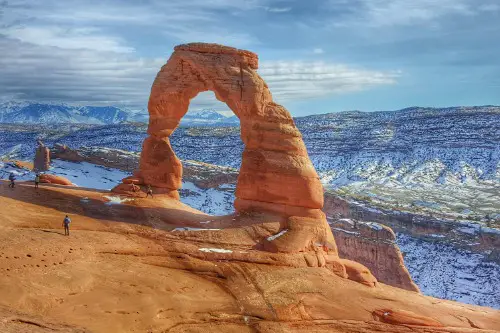
Moab rebuilt its economy by transitioning from mining to tourism centered on Arches National Park. The community invested in services for hikers, climbers, and photographers drawn to the area’s sandstone formations. With the park as the star attraction, Moab grew into a desert adventure hub. That transition created a more stable and sustainable economy over time.
The town continues to rely on the park for consistent visitation numbers. Supporting businesses—from jeep rentals to river guides—thrive because of the park’s popularity. Seasonal tourism shapes everything from employment patterns to housing demand. Moab’s modern identity stems almost entirely from that single natural wonder.
12. Williams, Arizona — Route 66 & Grand Canyon Railway
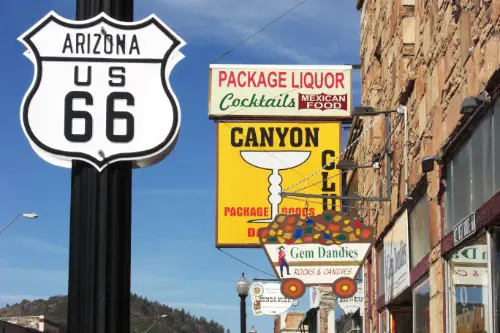
Williams bet heavily on nostalgia-driven tourism by preserving its Route 66 corridor and reviving the Grand Canyon Railway. The combination attracted travelers seeking both history and convenient access to the Grand Canyon. By focusing on these as primary attractions, the town created a steady flow of visitors. That strategy revived what had once been a struggling stretch of the historic highway.
Local shops and diners embraced the retro theme to complement the railway experience. The train became one of the area’s main economic engines, offering daily trips that keep tourist numbers high. Williams built its brand around that blend of historic charm and gateway access. Today, the town thrives because of that targeted focus on two tightly linked attractions.
This post 12 Communities That Bet Big on One Attraction to Save Their Economy was first published on American Charm.