1. The Villages, Florida
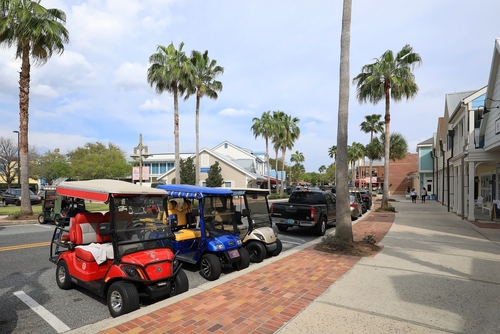
The Villages is famous as an almost self‑contained retirement town, but its original design leaned heavily into leisure and internal circulation without fully planning for essential services to grow at the same pace. Residents can enjoy golf carts and clubhouses galore, yet finding consistent, high‑quality healthcare partners nearby sometimes feels like a scavenger hunt. Because the community is so sprawling, errands that seem simple—like grabbing groceries or seeing a specialist—can take longer than residents expect. And since it’s almost entirely age‑restricted, younger family members or regular caregivers can end up living farther away than you’d think.
That age restriction also means the social environment is tightly curated, which sounds great in a brochure but can feel isolating when you want more intergenerational interaction. Some people find that the social life is incredibly vibrant at first but evolves slower than their own needs as they age. Accessibility features in homes vary widely because many were built before universal design became a priority. So while The Villages gets lots of attention, the details around everyday practicality sometimes fall short of residents’ evolving needs.
2. Youngtown, Arizona
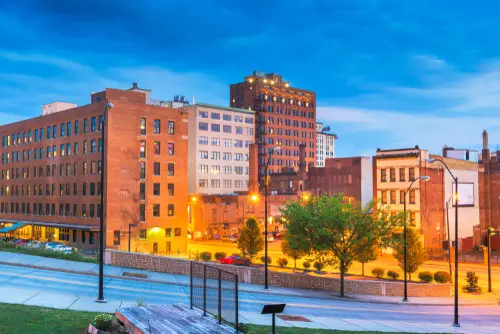
Youngtown holds a unique place in history as one of the first planned age‑designated communities, and that legacy shows up in its quirks today. Originally, the town even tried to bar children, but legal realities quickly forced a rethink—revealing that age‑exclusive zoning can run head‑on into broader laws and community needs. That early decision left a mark on how the town evolved, and it’s a neat example of what happens when planners don’t fully vet the legal and social implications of design. Nowadays, it feels more like a typical small town than a retirement bubble.
Because of that shift, Youngtown teaches a good lesson about flexibility: places for older adults need adaptable rules, not rigid ones. Some residents who moved there for a quiet, age‑centered lifestyle found themselves adjusting to a more mixed demographic than anticipated. That’s great in many ways, but it wasn’t what the original concept touted. It’s a humble reminder that aging communities need room to grow and change with their people.
3. Sun City Grand, Arizona

Sun City Grand’s focus on active lifestyles is appealing, but it carries the same pattern we see in many master‑planned age communities: fun first, functionality second. Golf, pools, and social clubs dominate the landscape, which is delightful for many years—but what happens when joints ache or walking slows down isn’t as clearly mapped out. Finding your way to basic services can require hopping in a car and navigating long stretches of road. For a community that’s supposed to support aging, that’s a pretty important detail.
Because most amenities are spread out, continuity of care and close‑in services don’t always keep pace as residents age. That means someone with increasing health needs may end up commuting offsite more often than they expected. Planning for vibrant years is one thing; planning for all of them is another. Sun City Grand illustrates how the former can outshine the latter in early design choices.
4. Sun City West, Arizona

Sun City West shares the active‑adult ethos of its predecessor but doubles down on that sprawling layout that looks great on a map and feels long when you’re walking to the store. Residents can join clubs and hit the golf course, but basic daily tasks sometimes require planning because distances are broader than expected. For anyone with limited mobility, that can turn a short errand into a full outing. Dependence on vehicles isn’t just a convenience here—it’s almost a necessity.
There’s also a noticeable gap between the social lifestyle features and real aging support infrastructure. Community centers are abundant, but integrated healthcare stops and truly accessible pathways are less visible. Residents who begin to need more frequent medical care sometimes find themselves juggling rides or travel arrangements more than they imagined. It’s a great place to be active, just not always to stay incrementally independent.
5. Leisure World, Seal Beach, California

Leisure World is often held up as a pioneer in senior housing, and it deserves that reputation—but it also reflects its era’s limitations. Many units were constructed long before modern accessibility standards took hold, so doorways, bathrooms, and thresholds often require aftermarket modification for comfortable aging. A vibrant social calendar was baked into the original design, but functional design for mobility came later, in response to resident demand. That means everyday spaces don’t always feel as seamless as the community’s promotional materials suggest.
Another piece of the puzzle was on‑site medical access. At first, having clinics close by sounded ideal, but as healthcare delivery changed over the decades, those facilities sometimes struggled to keep up with contemporary care models. Residents may find themselves heading off‑campus for certain specialists or modern services, which chips away at the idea of “everything right here.” It’s a reminder that visionary concepts still need operational flexibility to stay relevant.
6. Laguna Woods Village, California

Laguna Woods Village is massive, with clubs, golf courses, and enough amenities to keep anyone busy—but its scale can feel like a double‑edged sword. Moving between different parts of the community, or from home to healthcare providers, can feel like navigating a small city without the transit you’d hope for. Lots of recreational options don’t automatically translate into accessible daily life routes, especially in less dense sections. That spread can wear on people who prefer to walk or who don’t drive much any more.
Homeownership here comes with mandatory association fees and rules about modifications, and that sometimes means residents have less control over making their own homes age‑friendly. Want to install a ramp or widen a doorway? Approvals and extra expenses can slow the process. For people on fixed incomes, those details matter deeply. So even though Laguna Woods feels like a complete community, the everyday logistics don’t always feel fully thought through.
7. Sun City, Arizona

Sun City is one of the original active‑adult communities, and its sunny reputation is well earned—but the planning priorities show their age. The layout favors leisure activities like golf and social clubs, which makes for great weekends but doesn’t always make everyday life easy as you get older. Many of the streets wind far from shops, clinics, or transit stops, so residents often depend on cars or golf carts for everything. When mobility isn’t what it used to be, those distances matter more than anyone expects.
Homes here were built mostly with 1970s‑era ideas of comfort, which means few have built‑in universal accessibility features. Wider doorways, step‑free entrances, and bathroom support bars are now standard in new senior‑friendly design, but they aren’t guaranteed here. Retrofitting can be expensive and disruptive, and that’s a detail many first‑time homebuyers didn’t think about. So while life in the sun can feel idyllic, the nuts and bolts of aging in place weren’t fully anticipated.
8. Green Valley Recreation, Arizona

Green Valley Recreation is a bustling hub of activities that keeps social calendars full, but the assumption of ongoing independence is baked into its design. Neighborhoods are set a good distance from central facilities, and while that’s great if you’re driving, it poses challenges when mobility decreases. Golf carts are fun, but they aren’t a replacement for sidewalks and short paths to essentials. Residents sometimes find that daily convenience becomes a negotiation with distance.
Accessibility options within homes and public spaces vary widely because many areas were built before universal design was common practice. Retrofitting is possible but not always budgeted for or prioritized by governance. What felt like comfortable space in early retirement can feel like a lot of ground to cover later on. That’s a detail that can catch people by surprise as their needs evolve.
9. Sun City Hilton Head, South Carolina
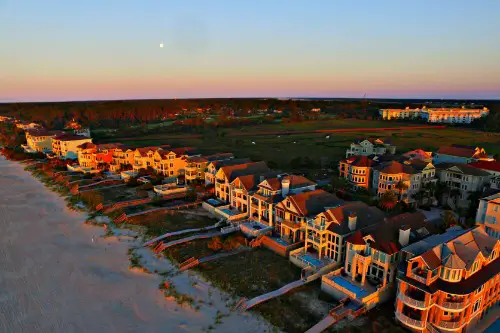
Sun City Hilton Head offers scenic views and well‑integrated leisure amenities, but its internal geography still leans on wide roads and spread‑out facilities. For people who love golf and social clubs, it’s a dream, but for those who prefer short walks to daily necessities, it can feel like every trip is an expedition. Many pathways favor scenic drives over pedestrian‑friendly access to shops and services. As a result, residents who reduce or give up driving face steeper barriers to independence than planners anticipated.
The focus on lifestyle amenities didn’t quite extend to healthcare or transit‑oriented design, which means that as residents age in place, they may need to make accommodations that weren’t obvious at move‑in. It’s a lively community, just one that sometimes expects a level of mobility its oldest members find tough to maintain. That contrast shows up in everyday life more than in glossy brochures.
10. Sun City Summerlin, Nevada

Sun City Summerlin’s desert setting and recreational layout make for beautiful living, but everyday logistics can be surprisingly tricky. Much like its sister communities, it prioritizes golf, pools, and clubhouses over proximate essential services. Residents often find themselves driving to medical appointments, errands, and even casual meetups rather than walking. That design choice works great while driving feels easy, but less so as physical stamina shifts.
This community also sits largely on the edge of the broader urban fabric, which means integrating with the surrounding city’s walkable amenities isn’t always straightforward. What looked like a perfect blend of leisure and comfort sometimes turns into unanticipated dependence on wheels. Aging in place ideally means choices, not constraints. In Summerlin, the early choices around layout leave some of those options narrower than expected.
11. Leisure Village West, New Jersey
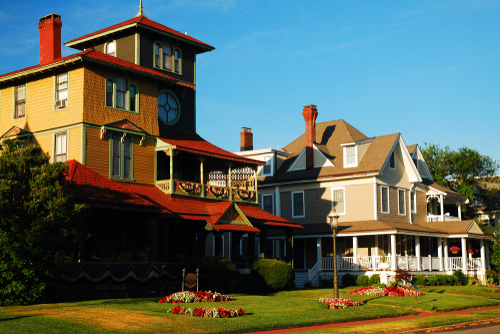
Leisure Village West has the tight social knit and active programming that many residents love, but its smaller scale also brings a set of overlooked details. Sidewalks and public paths often stop at neighborhood edges, so trips to shops or medical offices involve crossing busy streets or hopping in a car. That kind of design assumes constant vehicle use, even for short distances, which isn’t ideal for all stages of aging. Residents who want walkability find it’s not as baked into the plan as they hoped.
Inside homes, updates for accessibility aren’t uniform, and association rules sometimes slow or complicate retrofits. That means installing grab bars or widening entries might require extra approvals or out‑of‑pocket spending. It’s one thing to have a vibrant social scene; it’s another to make everyday life smooth at all ages. In Leisure Village West, the detail work of aging in place didn’t always match the architectural vision.
This post Communities Designed for Aging That Missed the Details was first published on American Charm.