1. The Villages, Florida
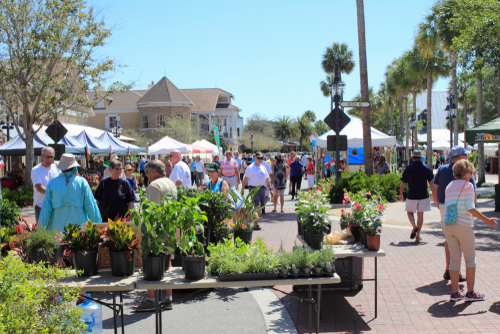
The Villages is one of the most famous leisure-centered communities in the United States, built almost entirely around recreation and social life for retirees. The massive development includes golf courses, recreation centers, pools, and town squares designed for nightly entertainment. Residents often travel by golf cart instead of cars, which reinforces the relaxed, resort-like feel of daily life. Clubs, hobby groups, and social events are central to the culture.
What makes it work is the sheer scale and infrastructure supporting that lifestyle. The community includes dozens of golf courses and more than 100 recreation facilities. Healthcare, shopping, and restaurants are integrated throughout the development. With a population exceeding 100,000, it demonstrates that a leisure-first design can function as a fully operational town.
2. Sun City, Arizona
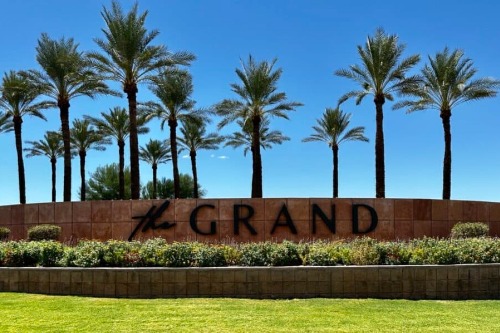
Sun City helped pioneer the idea of an active-adult leisure community when it opened in 1960 outside Phoenix. Instead of traditional suburban planning, it was designed around golf courses, recreation centers, and social activities for retirees. Residents can access pools, bowling alleys, craft studios, and sports facilities across the development. The entire concept was built around the idea that retirement should prioritize fun and social connection.
The model works because the recreation infrastructure has remained central for decades. Residents can join hundreds of clubs ranging from woodworking to dance and softball leagues. Multiple recreation centers continue to host classes and community events. Even after more than sixty years, Sun City remains one of the most enduring leisure-focused residential communities in the country.
3. Celebration, Florida
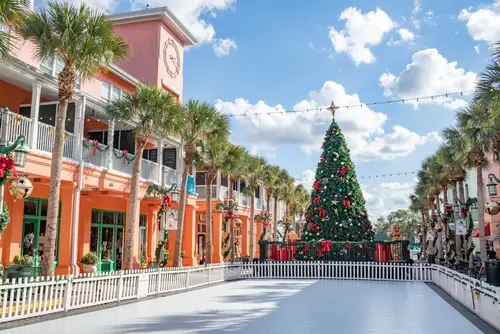
Celebration was developed by the Walt Disney Company in the 1990s as a carefully planned town where everyday life revolves around walkability, parks, and community events. The design emphasizes a lively town center filled with cafés, shops, and gathering spaces. Residents can bike or walk through interconnected neighborhoods linked by trails and lakes. Seasonal festivals and public events play a big role in the town’s identity.
What keeps Celebration functional is that it balances leisure with real infrastructure. Schools, offices, and essential services were built alongside parks and public spaces. Residents participate in farmers markets, concerts, and holiday celebrations throughout the year. Instead of feeling like a resort, it operates as a normal town with recreation built into its daily rhythm.
4. Hilton Head Island, South Carolina
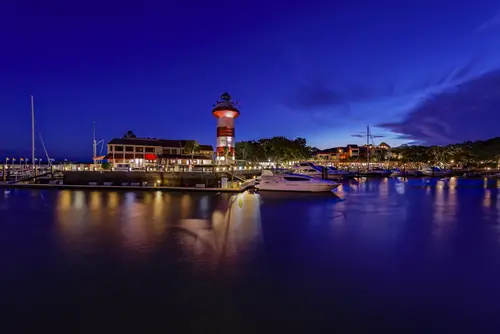
Hilton Head Island is widely known for its golf courses and beaches, but its residential planning also revolves around recreation. Communities like Sea Pines integrate bike trails, tennis courts, golf courses, and marinas directly into neighborhood layouts. Residents can ride bikes through miles of shaded paths that connect homes to beaches and parks. Outdoor activity is simply part of daily life.
The island works because development rules emphasize preserving the environment that supports those activities. Building heights are limited and large areas of forest and marshland remain protected. Golf courses, beaches, and bike trails remain accessible and well maintained. Tourism helps sustain the amenities while still supporting a stable residential population.
5. Reston, Virginia
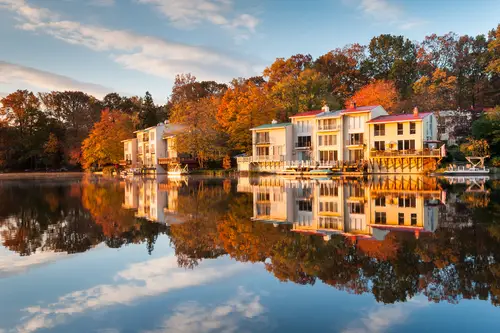
Reston was founded in 1964 with the idea that suburban communities should prioritize recreation, nature, and shared gathering spaces. The design includes lakes, parks, and village centers connected by a large network of trails. Residents have access to pools, tennis courts, and recreational facilities spread throughout the community. Walking and biking routes connect neighborhoods to shopping and workplaces.
The reason it works is that the planners integrated leisure with economic activity. Office districts, retail centers, and schools were built into the community from the start. Reston’s trail network alone stretches for more than fifty miles. That mix of recreation and real urban infrastructure has helped the community thrive for decades.
6. Park City, Utah

Park City transformed from a historic mining town into one of the country’s best-known recreation-focused mountain cities. Ski resorts dominate the winter season, while hiking and mountain biking take over during warmer months. Trails run directly through neighborhoods and connect to the surrounding mountains. Historic Main Street serves as a social hub filled with restaurants, galleries, and entertainment.
The town works because its leisure economy supports year-round activity. Major events like the Sundance Film Festival bring international attention every winter. Local policies also protect open space and trail networks. As a result, Park City maintains a strong full-time population rather than becoming purely a seasonal resort.
7. Boulder, Colorado
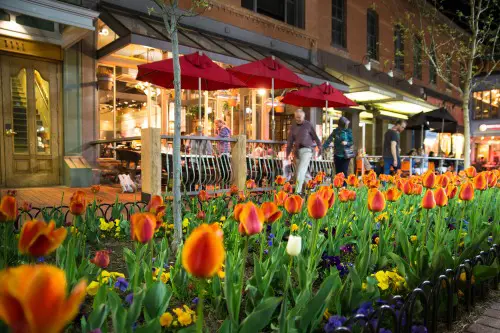
Boulder has built much of its identity around outdoor recreation and access to nature. The city sits at the base of the Rocky Mountains, with trailheads starting just minutes from downtown. Residents regularly hike, bike, and climb in nearby open space areas. Parks and greenways weave through neighborhoods and connect to larger trail systems.
What makes Boulder successful is its long-standing commitment to land preservation. The city has protected tens of thousands of acres of surrounding open space. That ensures outdoor recreation remains accessible as the population grows. The result is a city where active living is deeply embedded in everyday culture.
8. Asheville, North Carolina
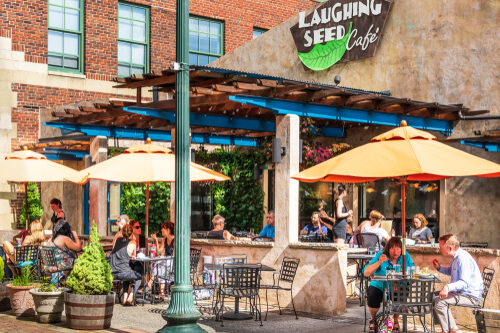
Asheville has become a magnet for people who want a lifestyle centered around outdoor recreation and creative culture. Located in the Blue Ridge Mountains, the city offers easy access to hiking, rafting, and scenic drives along the Blue Ridge Parkway. Local breweries, music venues, and art spaces add another layer of leisure activity. Weekends often revolve around outdoor exploration followed by social gatherings downtown.
The city works because tourism and local culture reinforce each other. Visitors support restaurants, outdoor outfitters, and entertainment venues. Meanwhile, residents benefit from the same amenities year-round. That balance helps maintain a vibrant community built around recreation and creativity.
9. Lake Tahoe
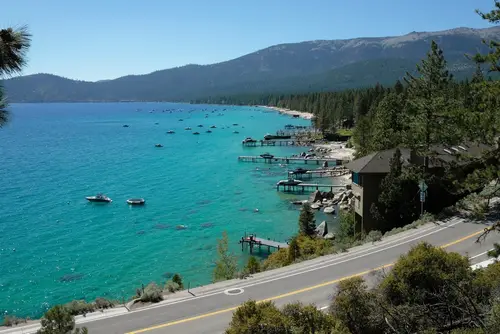
Communities around Lake Tahoe revolve almost entirely around outdoor leisure. Residents and visitors spend time skiing, boating, hiking, and mountain biking depending on the season. Towns such as South Lake Tahoe serve as hubs for those activities. The lake itself is the center of the region’s recreational life.
The model works because the environment naturally supports year-round activity. Ski resorts draw crowds in winter while the lake becomes a hub for boating and beaches in summer. Local economies rely on outdoor recreation businesses. That consistent demand helps sustain the infrastructure residents use every day.
10. Sarasota, Florida
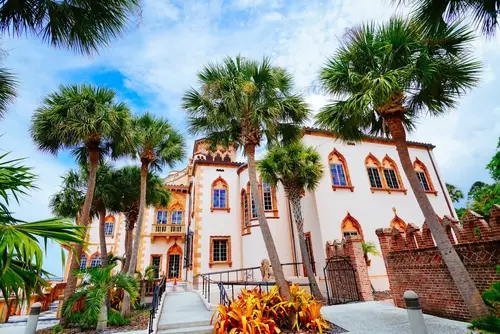
Sarasota has long attracted residents seeking a lifestyle centered around beaches, arts, and outdoor recreation. The city sits near some of the Gulf Coast’s most popular beaches, including Siesta Key Beach. Residents spend time boating, fishing, and enjoying waterfront parks. Cultural institutions and theaters add another layer of leisure activity.
What makes Sarasota work is the combination of recreation and cultural infrastructure. Museums, performance venues, and festivals provide year-round programming. Meanwhile, the coastal environment supports water sports and beachgoing. Together they create a lifestyle that blends relaxation with active community life.
11. Scottsdale, Arizona
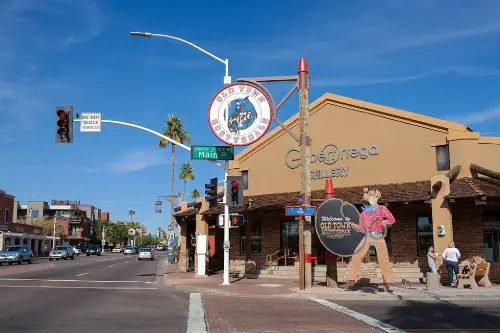
Scottsdale has built a reputation as a desert city where leisure is part of everyday life. The area is known for its golf courses, hiking trails, spas, and resort-style communities. Residents can explore desert parks like McDowell Sonoran Preserve just minutes from downtown. The city also hosts festivals, art walks, and outdoor markets.
The reason Scottsdale works is its strong tourism and hospitality economy. Resorts, golf courses, and restaurants help sustain the recreation infrastructure. Residents enjoy the same amenities that attract visitors. That overlap keeps the leisure-focused design financially viable and active year-round.
This post Communities Designed Around Leisure That Actually Work was first published on American Charm.