1. Youngstown, Ohio

Youngstown was built around integrated steel production, with blast furnaces and rolling mills at its core. Workers developed specialized skills in furnace operation, mill maintenance, and unionized industrial production. When domestic steelmaking declined and mills closed, those skills lost their primary buyers. The closures weren’t gradual enough to allow easy retraining.
Youngstown is included because the workers weren’t replaced by better steelworkers. The market simply no longer needed so many people making steel in one place. Even though steel production still exists, it looks very different and employs far fewer people. The city’s long recovery reflects how hard it is to repurpose deeply industrial skills.
2. McDowell County, West Virginia
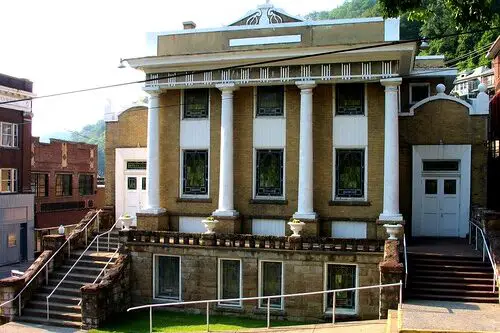
For generations, McDowell County was organized almost entirely around underground coal mining. Skills like roof bolting, continuous miner operation, and maintaining rail spurs were once essential and widely taught. As utilities shifted away from coal and mechanization reduced labor needs, demand for those skills collapsed. The market didn’t just shrink; it fundamentally stopped needing large numbers of human miners.
McDowell County belongs on this list because of how total that dependence was. Housing, schools, and even health care were designed around a single labor market. When coal employment declined, there were no adjacent industries ready to absorb workers with highly site-specific skills. The community is still dealing with what happens when an entire economic logic disappears.
3. Flint, Michigan
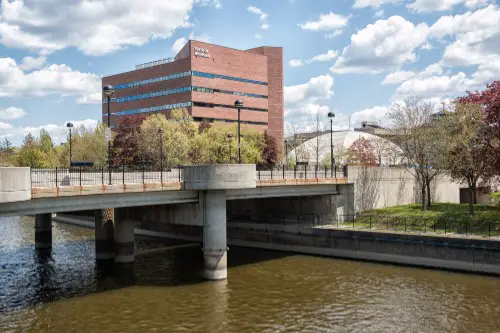
Flint grew up around General Motors and mid-century auto manufacturing. Assembly line work, tool-and-die making, and engine production provided stable employment without requiring college degrees. Automation and global consolidation reduced the number of workers needed for those tasks. The market for Flint’s labor shrank even as cars continued to be produced.
Flint belongs on this list because its skills didn’t become useless overnight. They became surplus. Fewer employers needed them, and fewer workers could find places to apply their experience. That mismatch left a workforce trained for an economy that still exists, just not at the scale Flint was built for.
4. Kannapolis, North Carolina
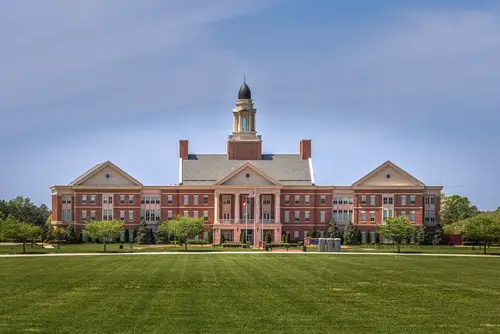
Kannapolis was a classic mill town centered on large-scale textile manufacturing. Skills like loom operation, spinning, dyeing, and mill supervision defined local employment. As textile production moved overseas and materials changed, those jobs disappeared rapidly. The Pillowtex closure in 2003 made the shift unmistakable.
This community is included because textile skills were once considered reliable and transferable. The market’s move away from domestic textile labor happened faster than workers could adapt. Families who had worked in mills for generations lost not just jobs but a shared identity. Kannapolis has since diversified, but only after severing ties to its original skill base.
5. Hickory, North Carolina
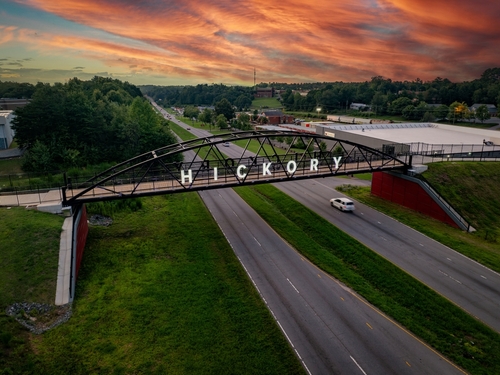
Hickory was long known as a furniture manufacturing center. Workers specialized in woodworking, upholstery, finishing, and small-scale factory production. Global competition and changing retail models sharply reduced demand for locally made furniture. Many factories closed or downsized permanently.
Hickory’s story matters because these were real, hands-on skills with tangible outputs. The market didn’t reject craftsmanship; it found cheaper ways to source it. Workers trained for physical production struggled to find comparable work nearby. The town’s transition shows how quickly respected skills can lose market value.
6. Danville, Virginia
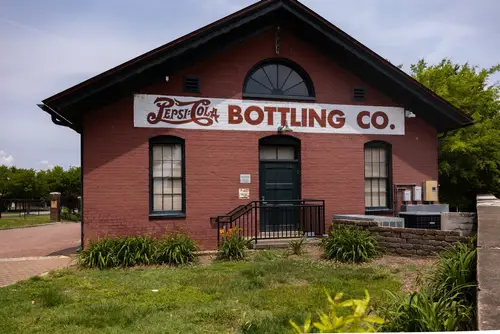
Danville’s economy revolved around tobacco processing and manufacturing. Skills included leaf grading, cigarette production, and industrial curing processes. As smoking rates declined and tobacco companies consolidated, employment dropped sharply. The market for large-scale tobacco labor steadily eroded.
Danville belongs on this list because the decline was structural, not cyclical. The product itself became less desirable, reducing long-term demand. Workers couldn’t simply wait for a rebound that wasn’t coming. The city has had to rethink its future after losing the industry it was built to serve.
7. Rochester, New York
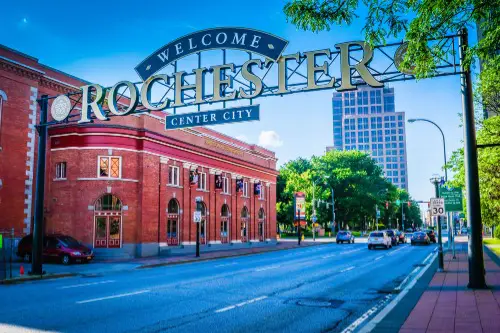
Rochester was shaped by Eastman Kodak and the film photography industry. Workers developed expertise in chemical processing, film coating, and precision manufacturing. Digital photography eliminated much of the market for those products. Kodak’s decline took an entire ecosystem of skills with it.
Rochester is included because the skills were once globally cutting-edge. They didn’t disappear due to poor quality or mismanagement alone. Technology changed what the market wanted, and it happened quickly. Retraining proved difficult because many roles were highly specialized and company-specific.
8. Coos Bay, Oregon
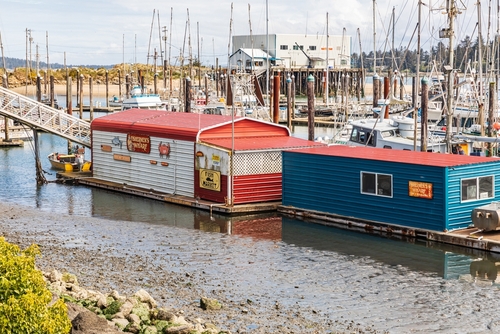
Coos Bay developed around timber harvesting and wood processing. Logging, sawmill operation, and timber transport supported the region for decades. Environmental regulations, automation, and reduced harvests cut deeply into employment. The labor market for large-scale logging shrank dramatically.
This community belongs on the list because the skills didn’t vanish worldwide. They just weren’t needed in the same place or volume anymore. Workers trained for physically demanding, region-specific jobs had few alternatives nearby. Geography made it harder to follow the remaining market demand.
9. Apalachicola, Florida
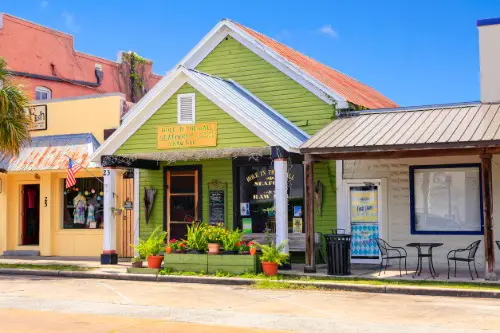
Apalachicola was famous for its oyster industry, and the town revolved around harvesting and processing shellfish. The skills involved were highly local and depended on deep knowledge of the bay. Environmental damage and overharvesting collapsed oyster populations. The market for those skills effectively disappeared.
Apalachicola is included because the decline wasn’t caused by automation or outsourcing. Ecological limits permanently changed what the area could support. Oystermen couldn’t easily move their skills elsewhere without leaving the community. The town lost an industry that could not be replaced at scale.
10. Seaside and Marina, California (Former Fort Ord Area)
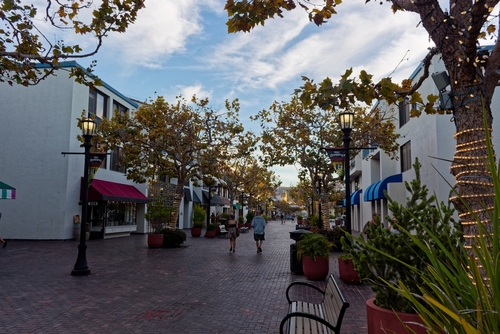
Communities around Fort Ord were built to support a large Army base. Skills included base logistics, facilities maintenance, and civilian services tailored to military life. When Fort Ord closed in 1994, those skills lost their primary customer. The market for them vanished with the base.
This area belongs on the list because the workers weren’t unskilled or idle. Their expertise was simply tied to a specific institution that no longer existed. Civilian markets didn’t need base-scale logistics or support services. Redevelopment has been slow because the original skill set was so context-dependent.
11. Centralia, Washington
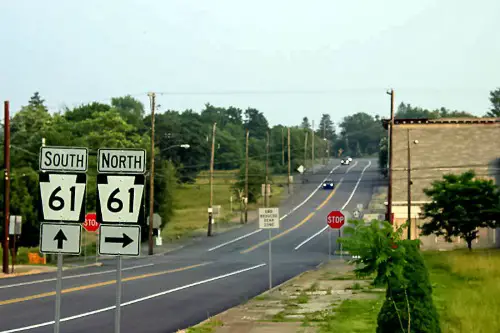
Centralia’s economy has long been tied to coal-fired power generation, particularly the TransAlta plant. Workers developed skills in coal handling, plant maintenance, and thermal power operations. As utilities move away from coal, those jobs are being phased out. The market for coal-based power skills is steadily shrinking.
Centralia is included because the transition is deliberate and planned, not accidental. The community was built around an energy model the market is actively abandoning. Even with retraining programs, the original skills have limited future demand. It’s a clear example of a place outgrowing the work it was designed to do.
This post Communities Built Around Skills the Market No Longer Needs was first published on American Charm.