1. Kodiak, Alaska

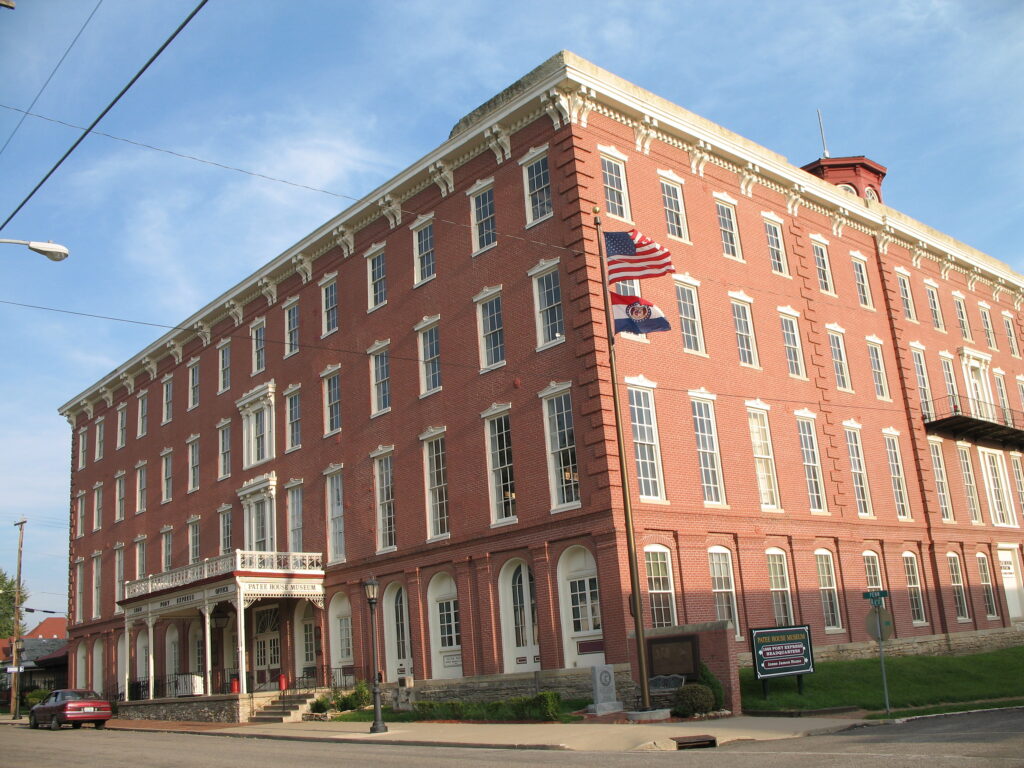
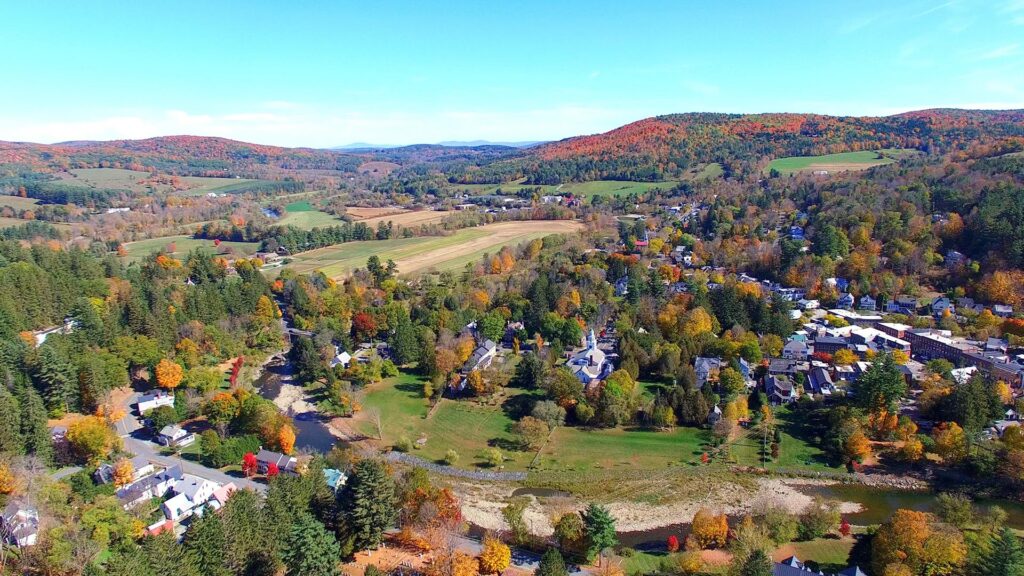
Kodiak has heard predictions that stronger storms and erosion could make parts of the town uninhabitable. Instead, it has adapted through community planning and strategic harbor improvements. The fishing industry has remained strong, helping fund infrastructure upgrades. Breakwater projects have also protected the shoreline from worsening weather.
The local government works closely with tribal organizations on resilience planning. These partnerships help identify risks early and coordinate responses. Kodiak’s remote location requires self-reliance, which has helped it weather environmental shifts. Its continued stability surprises many who once predicted retreat.
2. Galveston, Texas
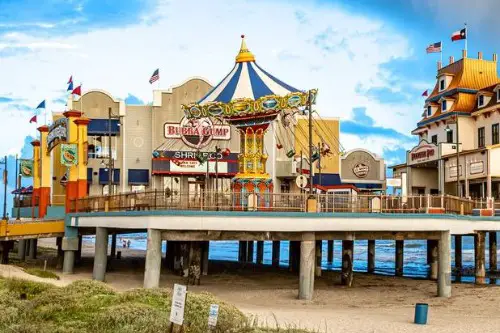
Galveston was once considered a lost cause after the devastating 1900 hurricane and later erosion concerns. Many experts believed the barrier island would gradually wash away, but instead the town rebuilt with a massive seawall and raised-grade infrastructure. Its ongoing beach nourishment projects have played a big role in stabilizing the shoreline. The result is a town that has not only survived but continues to thrive.
Tourism and fishing industries have stayed steady, proving the community’s resilience. Frequent storm threats have pushed leaders to keep improving coastal defenses. Galveston’s residents are proud of their role in preserving the town’s historic charm. The fact that it’s still flourishing is a testament to long-term planning rather than luck.
3. Newport, Rhode Island
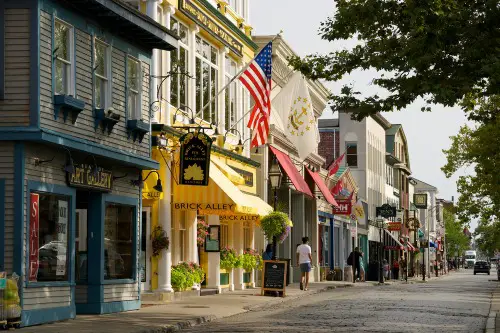
Newport has long been flagged for its vulnerability due to low-lying historic districts and a harbor exposed to storms. Instead of giving in to predictions of sinking, the town invested heavily in shoreline restoration and coastal engineering. Local preservation groups have worked to elevate at-risk structures where possible. Those efforts have kept its iconic waterfront functioning even after major storms.
Its boating culture and tourism economy pushed the city to act early. Newport repeatedly updates its long-term climate action plans, which include green infrastructure and storm-surge modeling. Residents have embraced these changes, understanding the stakes for their coastline. As a result, Newport continues to defy expectations.
4. Charleston, South Carolina
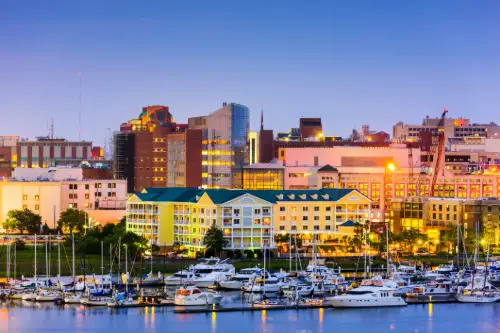
Charleston frequently appears in flood-risk reports and has struggled with “sunny day” flooding for years. Yet predictions that entire districts would be unlivable haven’t come true. The city invested heavily in drainage improvements and tidal-flood barriers. Historic preservation groups have also helped protect vulnerable neighborhoods.
Its tourism-driven economy encouraged the city to innovate faster than many peers. Community efforts have focused on marsh restoration, which improves natural flood absorption. Charleston’s government continues to adjust zoning rules to reduce future risk. Today, it remains a vibrant coastal hub instead of a sinking cautionary tale.
5. New Orleans, Louisiana

New Orleans is often framed as the ultimate example of a city below sea level that shouldn’t exist—but it’s still here. After Hurricane Katrina, many experts doubted the city could recover or maintain its footprint. Massive federal, state, and local investments rebuilt the levee system into one of the strongest in the country. These efforts restored confidence that the city could stay viable.
The city has also embraced coastal wetland restoration, which helps buffer incoming storm surge. Residents and leaders continue advocating for long-term water management solutions to reduce risk. Cultural attachment has driven people to rebuild even after catastrophic losses. New Orleans’ survival reflects determination as much as engineering.
6. Virginia Beach, Virginia
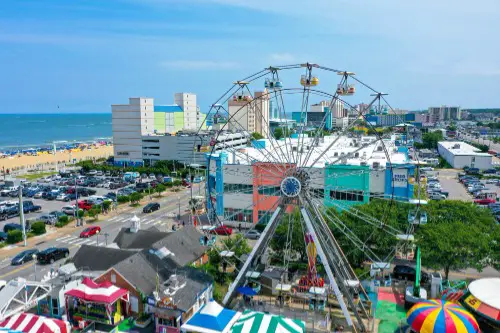
Virginia Beach has long been threatened by rising tides and storm-driven erosion. Predictions of severe shoreline retreat didn’t pan out thanks to ongoing replenishment projects. The city also launched a major flooding and sea-level rise study to plan decades ahead. These actions helped it adapt rather than sink.
Its military presence, including Naval Air Station Oceana, drove extra urgency to safeguard infrastructure. Local businesses backed resilience planning to protect tourism revenue. Residents have been quick to support flood-mitigation bonds. Virginia Beach remains stable despite earlier warnings.
7. Cape May, New Jersey
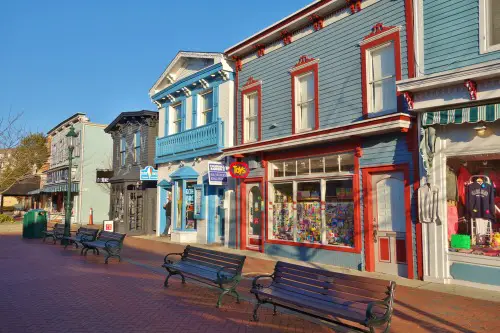
Cape May was expected to face severe erosion due to its exposed position along the Atlantic. Instead, it benefited from continuous beach nourishment and dune-building efforts. Conservation groups also pushed for wetland protection, strengthening natural defenses. These combined efforts helped the coastline hold firm.
The town’s historic tourism industry also created motivation to protect the shoreline. Seasonal businesses rely on stable beaches, encouraging the community to invest in upkeep. Cape May’s planning strategies now include climate-adaptation guidelines for new construction. Despite earlier fears, it has outlasted many gloomy forecasts.
8. Miami, Florida
Miami has been the poster child for sea-level rise warnings, with researchers often citing it as one of the most vulnerable major U.S. cities. Yet it continues to stay afloat thanks to massive infrastructure investments like elevated roads and improved stormwater pumps. Local leaders have pushed for resilience bonds and long-term adaptation planning instead of ignoring the issue. Residents have become surprisingly supportive of climate-focused initiatives, helping the city adapt faster than expected.
The town’s economy—especially tourism—has also created pressure to safeguard the shoreline. That funding has helped reinforce beaches that many assumed would be underwater by now. The city keeps revising building codes to reduce flood risks and protect new development. It’s not immune to challenges, but it’s still standing strong despite countless dire predictions.
9. Hatteras Village, North Carolina
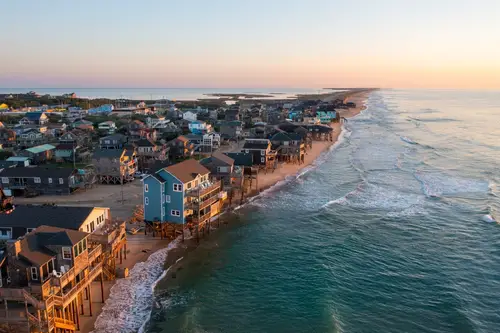
Hatteras Village sits on a fragile stretch of the Outer Banks that many assumed would wash away. Repeated overwash events fueled predictions of permanent loss. But relocation of Highway 12, dune restoration, and beach nourishment have kept the community intact. These changes bought time, strengthening both access and safety.
Fishing and tourism have provided resources and urgency for resilience work. Local groups support ongoing monitoring of the island’s shifting sands. Residents have adapted to constant change rather than abandoning the place. It’s still standing despite a century of dire predictions.
10. Key West, Florida
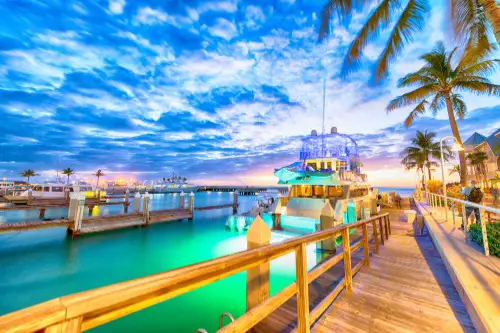
Key West has long faced warnings that its low elevation would spell disaster as seas rise. Yet significant infrastructure upgrades—from stormwater improvements to elevated road segments—have helped. The island’s dense layout also makes adaptation more manageable than some expected. Its coral reef restoration efforts add natural protection offshore.
Tourism provides the financial push to keep improving resilience. Local leaders have focused on long-term sustainability planning. Community enthusiasm for environmental initiatives has grown steadily. Key West remains lively and far from sinking.
11. San Juan, Puerto Rico
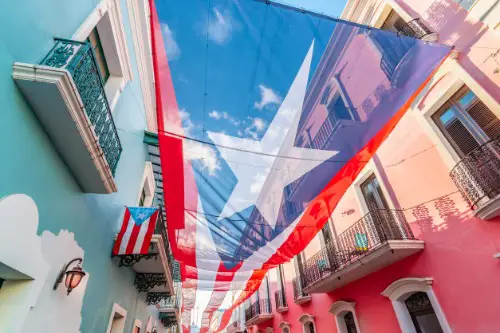
San Juan has been singled out for hurricane vulnerability and coastal erosion risks. But the city rebuilt quickly after major storms with reinforced seawalls and upgraded power infrastructure. Beach-restoration efforts have stabilized several previously threatened areas. These initiatives helped counter early predictions that parts of the city would be lost.
San Juan’s cultural and economic importance drove strong rebuilding commitments. Public-private partnerships have supported climate-resilient redevelopment. Urban planners continue incorporating flood-risk modeling into new projects. The city’s persistence shows a capacity for adaptation many underestimated.
12. Bar Harbor, Maine
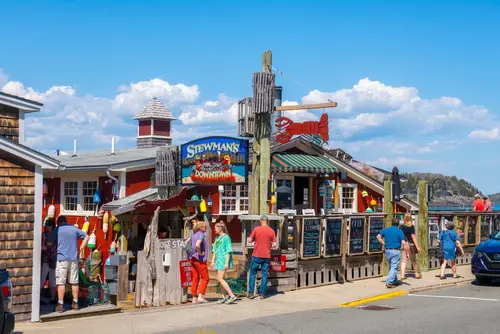
Bar Harbor faces risks from storm surge and erosion along its rocky shoreline. Predictions once suggested increased flooding would threaten tourism and key infrastructure. But ongoing harbor improvements and natural-buffer preservation have kept conditions manageable. Acadia National Park’s conservation work also indirectly protects nearby areas.
Tourism dollars motivate continual adaptation and upkeep. Local policies support limiting development in high-risk zones. Community groups help preserve marshes and coastal habitats. Bar Harbor remains secure despite earlier concerns.
13. Ocean City, Maryland
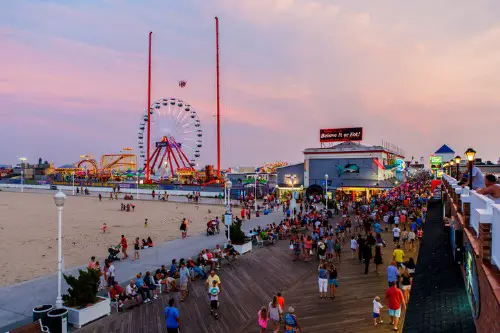
Ocean City has been the subject of erosion warnings since the early 20th century. Yet aggressive beach-replenishment programs have helped it maintain wide, inviting shorelines. Federal and state partnerships have kept the projects consistent over decades. These measures prevented the dramatic losses some predicted.
Its boardwalk economy depends on safeguarding the coast, ensuring strong local support for resilience work. Storm-drain upgrades have helped mitigate flooding in low-lying areas. Ocean City now integrates sea-level projections into planning decisions. The town is thriving despite its fragile geography.
14. Port Townsend, Washington
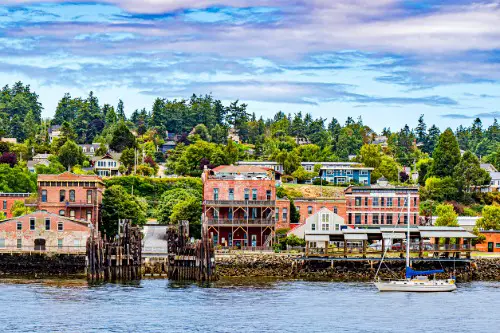
Port Townsend’s waterfront was once considered vulnerable to storm surge and shoreline retreat. However, restoration of coastal habitats and strengthened seawalls have helped stabilize the area. The town also removed or relocated some at-risk structures to reduce long-term exposure. These practical steps minimized the impacts many feared.
Its maritime history motivates residents to preserve the waterfront. Local planners continue investing in climate adaptation, including updated drainage systems. Conservation organizations have played a major role in protecting natural buffers. Port Townsend remains intact, disproving predictions that it would lose ground to the sea.
This post 14 Coastal Towns That Survived When Everyone Predicted They’d Sink was first published on American Charm.