
1. New Orleans
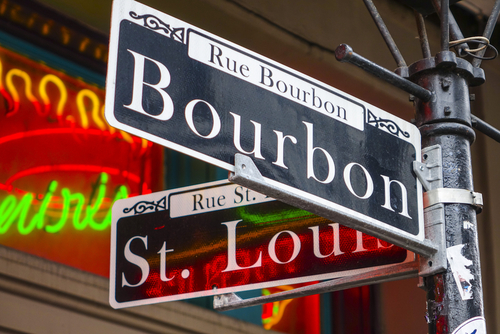
Closing on a house in New Orleans can feel like a leap of faith. The city sits below sea level and is surrounded by water, which makes flooding a persistent concern. Hurricanes and heavy rains routinely test the levee system and neighborhood drainage. Even areas that stayed dry during one storm can flood in the next.
Flood insurance is often mandatory and can add thousands to your annual housing costs. Premiums have climbed in recent years as insurers reassess their risk exposure along the Gulf Coast. Buyers also have to think about evacuation logistics and the possibility of long power outages. None of this makes homeownership impossible, but it does mean going in with eyes wide open.
2. Detroit
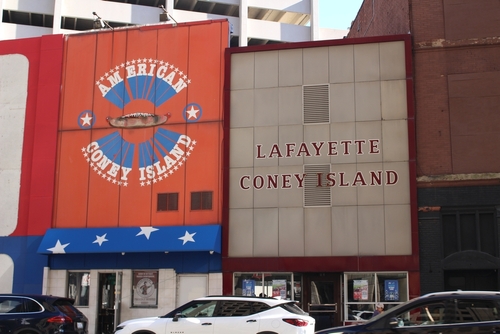
Detroit has made headlines for its comeback, but the housing market still carries some scars. The city’s long population decline left entire neighborhoods with vacant homes and underused infrastructure. Property values can vary dramatically from one block to the next. That unpredictability can make it hard to gauge whether you are making a solid investment.
Some areas still struggle with higher crime rates and slower municipal services. Insurance premiums may reflect those risks, especially in neighborhoods with elevated theft or vandalism claims. Appraisals can also come in lower than expected, complicating financing. If you buy here, you need to be confident in the specific block, not just the city’s broader narrative.
3. Stockton
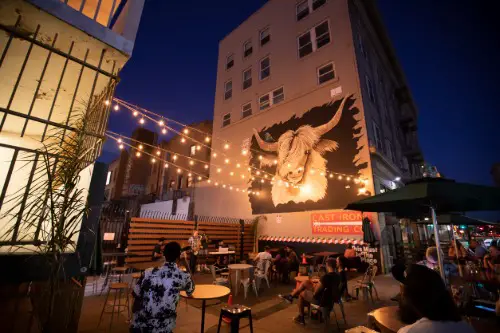
Stockton’s name is still associated with its 2012 municipal bankruptcy. While the city has since stabilized, that history can make buyers pause. Home prices have swung sharply in past housing cycles, rising quickly and then dropping hard. That volatility can be nerve-racking if you are stretching your budget.
The area also faces extreme summer heat and periodic drought conditions common in California’s Central Valley. Water restrictions and rising utility costs can affect long-term affordability. Some neighborhoods have struggled with higher-than-average crime rates compared to state averages. When you close here, you are betting not just on a home, but on continued economic stability.
4. Flint
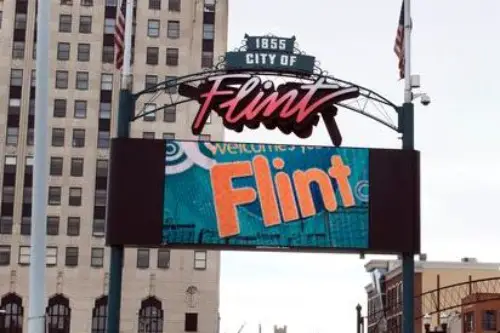
Flint’s water crisis left a deep mark on the community and its housing market. Although major infrastructure upgrades have been made, the episode still shapes public perception. Property values took a hit during the crisis and have recovered unevenly. That uneven recovery can make pricing tricky for buyers.
Insurance and inspection requirements may be more stringent, especially for older homes with outdated plumbing. Population decline has also led to vacant properties in certain neighborhoods. Vacancies can impact everything from resale value to neighborhood upkeep. Buyers need to research the specific area carefully before committing.
5. Miami
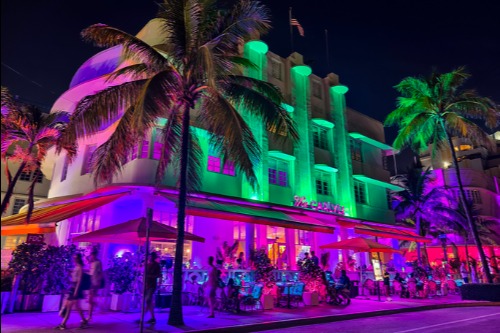
Miami’s ocean views are stunning, but sea level rise is a real and growing concern. Sunny-day flooding during high tides already affects some streets. Hurricanes pose another seasonal threat, bringing wind and storm surge risks. Climate exposure is something lenders and insurers increasingly factor into their decisions.
Homeowners insurance premiums in South Florida have risen sharply in recent years. Some insurers have reduced coverage or left the market entirely, limiting options. Condo buildings face additional scrutiny over structural safety and reserve funding. Buying here can feel glamorous, but the long-term climate math deserves serious thought.
6. Bakersfield
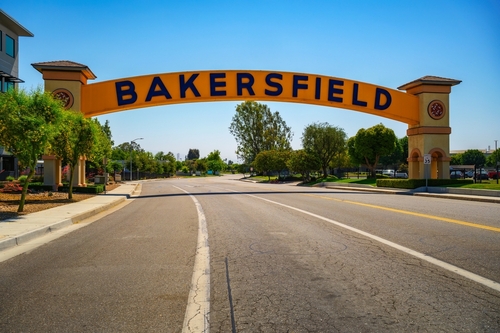
Bakersfield often attracts buyers with comparatively affordable prices for California. However, the local economy has historically been tied to oil and agriculture. Those industries can be vulnerable to market swings and environmental regulations. Economic concentration can make job stability less predictable.
The region also struggles with some of the worst air quality in the nation due to geography and pollution sources. Poor air quality can affect daily life and even property desirability. Extreme summer temperatures regularly climb well above 100 degrees. Cooling costs can significantly raise monthly expenses beyond the mortgage payment.
7. Atlantic City
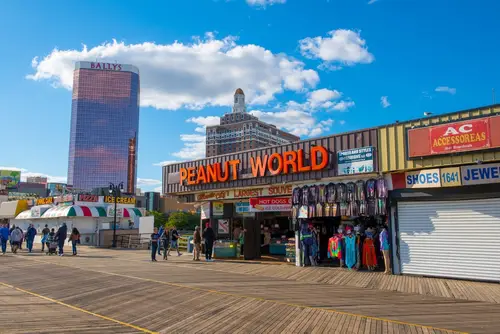
Atlantic City’s economy has long depended on its casino industry. When casinos close or struggle, the local housing market often feels the impact. Property values have fluctuated alongside the gaming sector’s fortunes. That dependence can create uncertainty for homeowners.
Like many coastal communities, the city also faces flood risks from storms and rising seas. Insurance requirements can be costly for homes in flood-prone zones. Some neighborhoods show visible signs of economic distress, including vacant properties. A bargain purchase price may come with broader community challenges.
8. Paradise
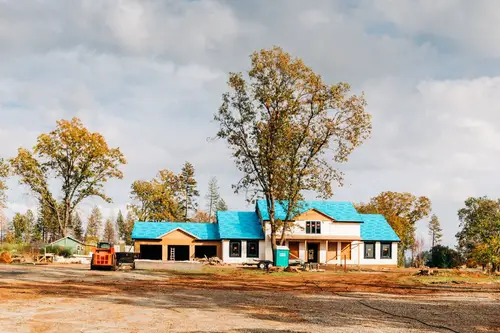
Paradise was devastated by the 2018 Camp Fire, one of the deadliest wildfires in California history. Rebuilding efforts are ongoing, but wildfire risk remains part of life in the region. Forested surroundings that make the area beautiful also increase fire exposure. That reality can make buyers understandably cautious.
Home insurance in high-fire-risk zones has become harder to secure and more expensive. Some homeowners rely on California’s FAIR Plan as a last-resort coverage option. Evacuation planning is not hypothetical here; it is a regular conversation. Purchasing property means accepting that wildfire season is an annual concern.
9. Gary
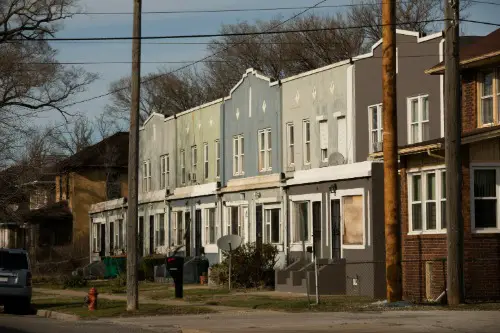
Gary has faced decades of population loss tied to the decline of the steel industry. Shrinking tax bases have affected public services and infrastructure maintenance. Large numbers of vacant homes still dot certain neighborhoods. That level of vacancy can weigh on property values.
Crime rates have historically been higher than national averages, though they have fluctuated over time. Financing can be challenging if lenders view certain areas as higher risk. Appraisals may not always align with asking prices. Buyers should approach each property with a careful review of comparable sales.
10. Lake Charles
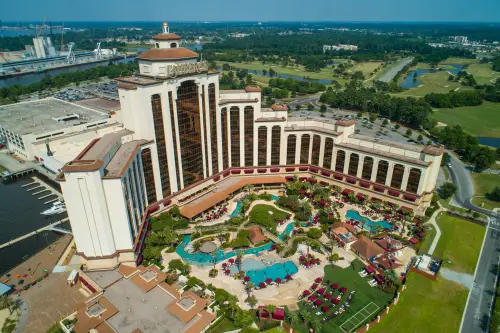
Lake Charles has endured multiple major hurricanes in recent years, including significant damage from storms in 2020. Repeated rebuilding efforts have strained both homeowners and local infrastructure. Wind and flood exposure are ongoing realities rather than rare events. That history can make closing feel like a gamble.
Insurance premiums in hurricane-prone parts of Louisiana can be steep. Some residents have faced delays or disputes in claim processing after major storms. Construction costs may also be higher due to regional demand after disasters. Owning property here means budgeting for resilience as much as aesthetics.
11. Anchorage

Anchorage offers dramatic scenery, but it sits in a seismically active region. The 2018 earthquake caused widespread damage to roads, homes, and infrastructure. Earthquake risk is an ongoing consideration for both buyers and insurers. Not all standard homeowners policies automatically include earthquake coverage.
The cost of living in Alaska can also surprise newcomers. Heating expenses during long winters add substantially to monthly costs. Geographic isolation can increase prices for construction materials and repairs. Buying a home here requires planning for both natural and economic realities.
12. Scranton
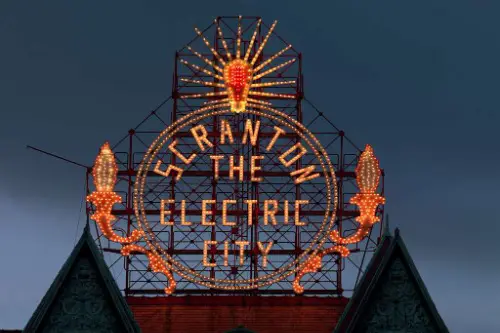
Scranton’s legacy as a former coal mining hub still shapes parts of the landscape. Some properties in northeastern Pennsylvania sit above old mine workings. In rare cases, mine subsidence can cause ground instability and structural damage. That possibility makes due diligence especially important.
The region has also faced population decline and slow economic growth compared to larger metro areas. Slower appreciation rates can limit short-term equity gains. Older housing stock may require significant updates and maintenance. A low purchase price can be appealing, but buyers should factor in long-term repair costs.
This post Closing on a Home Feels Risky in These 12 Towns was first published on American Charm.

