1. Honolulu, Hawaii
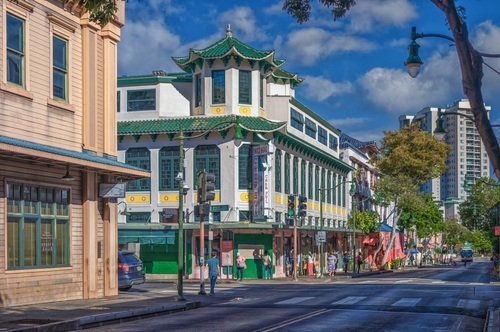
Moving to Honolulu often comes with an “is this bill correct?” moment the first time the electric statement arrives. Hawaii consistently has the highest electricity prices in the United States because the islands rely heavily on imported fuel for power generation. Even modest air-conditioning use can send monthly bills soaring compared to mainland cities. New residents are often surprised that simply running fans, lights, and a window AC unit can cost far more than an entire utility bill back home.
Water and sewer can also be pricey due to the logistics of maintaining infrastructure on an island with limited resources. Many homes rely on constant air circulation because of the humid climate, which keeps energy use steady year-round. Apartments without central AC sometimes rely on multiple portable units, adding to electricity costs. It’s not uncommon for newcomers to rethink thermostat habits after their first month.
2. San Diego, California

People move to San Diego expecting sunshine and mild weather, so they assume utilities will be low. The surprise usually arrives with the electricity bill from San Diego Gas & Electric, which has some of the highest residential electricity rates in the country. Even light air-conditioning during warm inland days can add up quickly. Residents often notice that the per-kilowatt-hour price is far higher than what they paid in other states.
Another factor is that many homes run AC more than newcomers expect during late summer heat waves. Tiered pricing and peak-hour rates can also push bills up if you use appliances during busy grid times. A family that runs laundry, dishwashers, and AC during the evening may see big spikes. New residents quickly learn to check time-of-use schedules before turning anything on.
3. Boston, Massachusetts
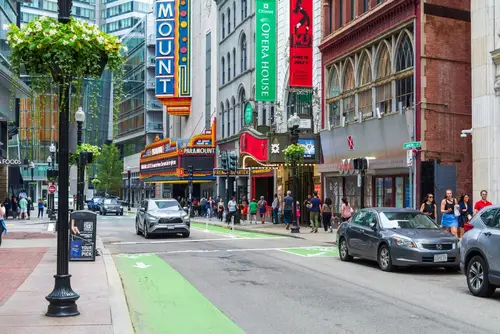
In Boston, the sticker shock usually comes in winter. Heating costs can climb rapidly because many older homes rely on oil or gas boilers, and the city’s historic housing stock isn’t always well insulated. Cold Atlantic winds and long winters mean heating systems run constantly for months. New residents coming from milder climates often underestimate how expensive staying warm can be.
Electricity isn’t the cheapest either, especially during high-demand winter periods. Snowstorms can also mean higher usage as people stay indoors with lights, heating, and appliances running more often. Older apartment buildings may have drafty windows that make heating systems work harder. By January or February, newcomers often realize their heating budget needs serious adjusting.
4. Phoenix, Arizona

Summer in Phoenix is the main reason utility bills shock new arrivals. Temperatures regularly soar above 100°F for months, and air-conditioning becomes a nonstop necessity rather than a luxury. Even energy-efficient homes often run AC day and night just to stay livable. That constant cooling demand can push electricity bills far higher than many people expect.
Another surprise is that nights often stay hot, so there’s little opportunity to give the AC a break. Large suburban homes with high ceilings can also require more energy to cool evenly. Residents sometimes keep thermostats set higher than they prefer simply to control costs. After their first summer, many newcomers become experts in blackout curtains and programmable thermostats.
5. Miami, Florida
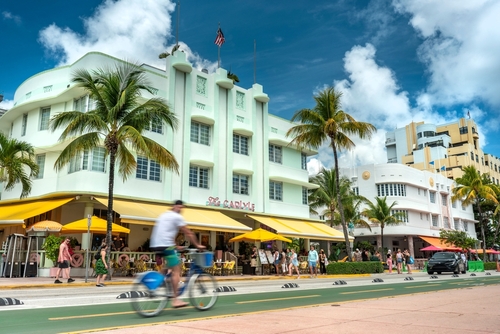
At first glance, living in Miami seems like it should mean moderate utility costs. But the city’s tropical humidity means air-conditioning runs almost constantly, even outside peak summer months. Keeping indoor spaces cool and dry requires a lot of electricity. New residents are often surprised that their AC runs nearly year-round.
Another factor is hurricane season preparation and recovery. Power fluctuations, storm-proofing equipment, and occasional generator use can add to household energy expenses. High humidity also pushes people to run dehumidifiers in addition to AC systems. All of that combined can make Miami’s electricity bills feel much higher than expected.
6. Anchorage, Alaska

Moving to Anchorage can mean getting used to some of the highest heating demands in the country. Winters are long, dark, and extremely cold, so homes require continuous heating for much of the year. Natural gas is common, but the sheer amount needed can make winter bills climb quickly. New residents often underestimate just how long heating season lasts.
Electricity can also be pricier than in many mainland cities because Alaska’s grid is relatively isolated. Homes run more lights during the long winter darkness, which increases usage. Snow removal equipment and heated garages also contribute to higher energy consumption. For many newcomers, their first winter utility bill is a real wake-up call.
7. New York City, New York
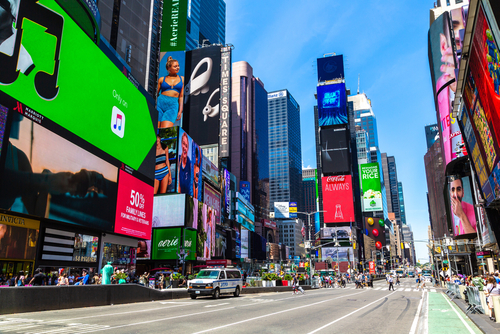
Living in New York City brings plenty of expenses, and utilities can be part of the surprise. Electricity rates are relatively high compared to the national average, especially in older apartment buildings. Window air conditioners are extremely common, and running one in the summer can significantly raise monthly bills. Residents often realize quickly how expensive cooling a small apartment can be.
Older buildings can also have inefficient electrical systems that increase usage. Elevators, shared lighting, and building infrastructure can indirectly affect what residents pay through maintenance fees or co-op costs. Some apartments rely on electric heat or supplemental space heaters in winter. Those extra appliances can push electricity bills higher than expected.
8. Las Vegas, Nevada

The desert climate in Las Vegas makes air-conditioning essential for much of the year. Summer temperatures regularly exceed 110°F, forcing AC systems to work extremely hard. Even newer homes can struggle to stay cool during the hottest months. Electricity bills in July and August can be a shock for people relocating from cooler regions.
Large homes and open floor plans common in the area can also increase cooling costs. Pools, hot tubs, and outdoor lighting add additional electricity demand. Many residents shift appliance use to nighttime hours to save money. Still, the need for constant cooling often keeps utility bills higher than newcomers anticipate.
9. Chicago, Illinois
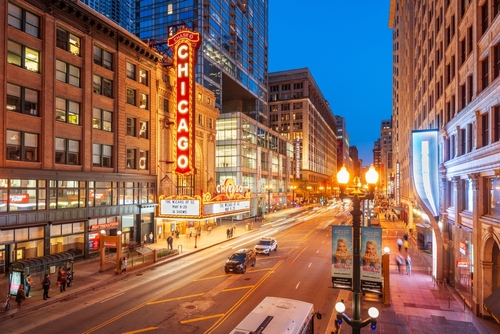
In Chicago, residents deal with both sweltering summers and brutally cold winters. That means utility bills can spike twice a year as households switch between heavy air-conditioning and intense heating. The city’s famous winds can also make winter heating systems work harder. New residents quickly learn that comfort in Chicago often comes with a price.
Many older apartments rely on radiator heat that can be inefficient or difficult to control. During summer, window AC units are common and can consume a surprising amount of electricity. Seasonal temperature swings mean appliances run harder throughout the year. The combination of heating and cooling needs can make Chicago’s annual utility costs surprisingly high.
10. Dallas, Texas

Newcomers to Dallas often underestimate how intense Texas summers can be. High humidity and prolonged heat waves mean air-conditioning runs constantly from late spring through early fall. Large suburban homes also require more energy to cool effectively. Electricity usage can jump dramatically once the hottest months arrive.
Texas’s competitive electricity market can also confuse new residents. Variable-rate plans sometimes lead to unexpectedly high bills during periods of strong demand. Air-conditioning, pool pumps, and irrigation systems all add to energy consumption. Without careful monitoring, utility costs can climb faster than many people expect.
11. Seattle, Washington

Many people move to Seattle expecting modest utility bills because of the mild climate. While electricity rates can be reasonable thanks to hydropower, heating needs still add up during long damp winters. Older homes sometimes rely on electric baseboard heaters, which can be surprisingly expensive to run. New residents often underestimate how much electricity those systems consume.
Another factor is the region’s aging housing stock, which isn’t always well insulated. Continuous drizzle and chilly temperatures keep heating systems running for months. During recent heat waves, more residents have also added portable AC units, increasing summer electricity use. The combination can lead to higher-than-expected annual utility costs.
12. Denver, Colorado

Living in Denver comes with dramatic seasonal swings that affect energy use. Cold winters require steady heating, while hot, sunny summers often push residents to run air-conditioning. High elevation and intense sunlight can also warm homes quickly during the day. That means cooling systems may run more often than newcomers anticipate.
Another surprise is how dry air affects home energy use. Many residents run humidifiers during winter to stay comfortable, which adds to electricity consumption. Rapid population growth has also increased demand on local utilities. For some newcomers, the combined heating and cooling costs are higher than expected.
This post 12 Cities Where Utility Bills Shock New Residents was first published on American Charm.