
1. New York, New York
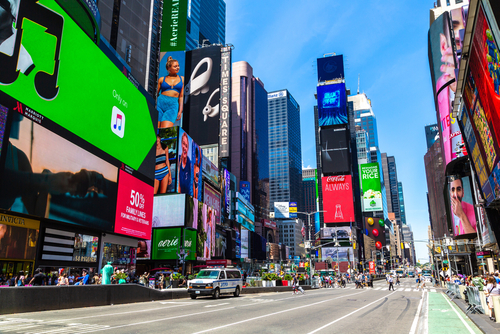
New York City is famous for its traffic, with commutes that often feel endless. Despite a huge economy, job growth hasn’t always kept pace with the population in certain boroughs. That means many people spend hours in traffic without gaining access to better opportunities. The city’s iconic gridlock has become part of daily life for millions of workers.
This congestion problem isn’t just frustrating — it impacts productivity and quality of life. Outer boroughs, where people increasingly live, often don’t offer the same career growth as Manhattan. Commuters feel like they’re paying a time tax with little return. Traffic here is growing faster than opportunity in many neighborhoods.
2. Chicago, Illinois
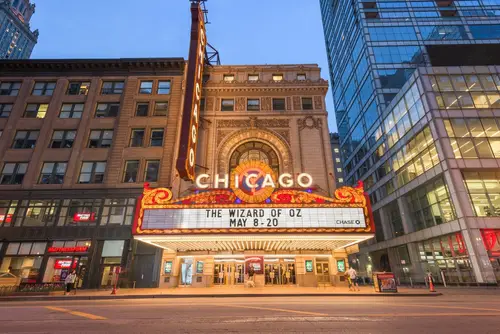
Chicago drivers spend over 100 hours a year stuck in congestion on average. Meanwhile, job growth has remained concentrated in the Loop and near downtown, leaving suburban commuters with fewer local options. People often travel long distances for work that doesn’t necessarily pay more. The result is a feeling of wasted time with limited upside.
Highway expansions haven’t kept pace with population growth, intensifying the problem. Even public transit can’t absorb everyone, so roads remain jammed. This mismatch between traffic and opportunity makes commuting in Chicago a daily grind. Many residents feel like traffic wins while economic access lags behind.
3. Philadelphia, Pennsylvania
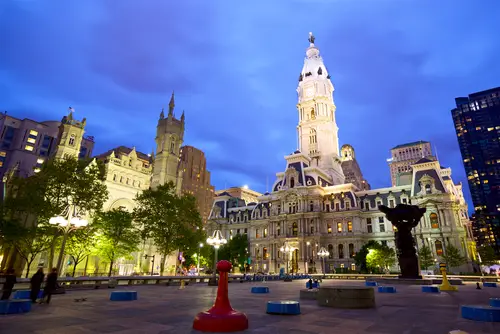
Philadelphia has seen some of the sharpest jumps in traffic delays among major U.S. cities. Yet its job market growth is slower in comparison, leaving commuters frustrated. Many neighborhoods outside the city core lack well-paying positions, forcing long drives into downtown. Residents spend more time in their cars than advancing their careers.
This imbalance makes commuting feel punishing. Infrastructure hasn’t kept pace with population trends, worsening congestion. People often wonder if the hours lost on the road could have been used more productively. Philadelphia is a clear example of traffic outpacing opportunity.
4. Los Angeles, California

Los Angeles has some of the worst congestion in the country, with freeways crawling during peak hours. Even though LA has a massive job market, many people live far from work due to high housing costs. That means commuters spend hours in traffic for jobs that aren’t growing locally. Opportunity simply hasn’t matched the sprawling congestion.
The city’s geography spreads people out, making driving almost inevitable. Public transportation only covers parts of the metro effectively. Many residents feel trapped between slow traffic and limited nearby jobs. The time cost of commuting here is one of the highest in the U.S.
5. San Francisco, California

San Francisco traffic has worsened in recent years, particularly in tech-heavy areas. High-paying tech jobs exist, but many have shifted to remote or suburban locations. Local opportunity hasn’t expanded as fast as congestion. Commuters experience heavy traffic without consistent economic benefits nearby.
Bridges and narrow streets compound delays. Public transit can’t fully relieve the pressure on roads. Workers often spend more time in cars than gaining meaningful new opportunities. The result is frustration that traffic is outpacing growth in job options.
6. Boston, Massachusetts
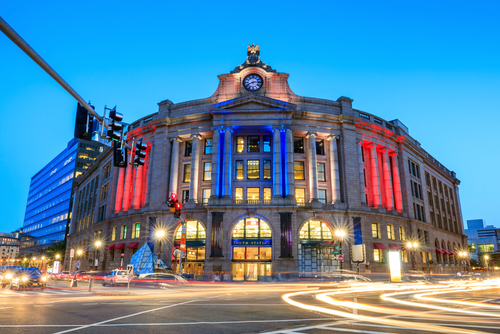
Boston’s streets and highways are notoriously crowded, especially in the morning and evening rush hours. Job growth is strong in healthcare and education, but overall opportunity hasn’t expanded evenly across the metro. Residents commuting from suburbs face long drives for limited economic gain. Many feel the commute takes more out of them than it adds.
Historic streets and narrow roads make expanding traffic capacity difficult. Even new transit projects take years to impact congestion. Meanwhile, jobs remain concentrated in certain neighborhoods. Boston exemplifies traffic growth that outpaces widespread opportunity.
7. Miami, Florida
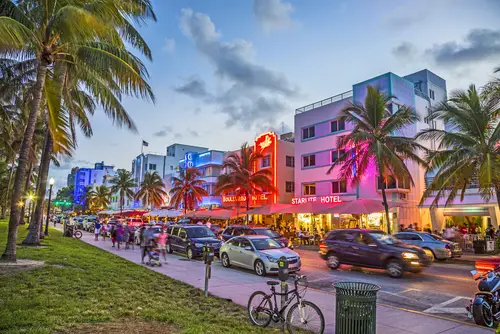
Miami’s traffic has increased sharply over the past decade, fueled by rapid population growth. Job growth is strong in tourism and service sectors, but these roles don’t always provide long-term career mobility. Commuters spend significant time stuck in traffic for relatively modest gains. Opportunity hasn’t expanded quickly enough to offset congestion.
Highway expansions have struggled to keep up with car volume. Public transit is limited outside central areas. Residents often face long commutes to reach even entry-level professional positions. Traffic dominates daily life without delivering matching economic rewards.
8. Houston, Texas

Houston’s congestion has grown with its population boom. Jobs exist, but they’re often concentrated in specific sectors or parts of the city. Many workers commute long distances to access even modestly better-paying positions. The mismatch creates frustration for daily commuters.
Highways are stretched thin despite expansions. Public transit covers only a fraction of the sprawling metro area. The result is long hours in traffic for limited job access. Houston illustrates opportunity lagging behind congestion growth.
9. Atlanta, Georgia
Atlanta’s highways are some of the busiest in the country, and traffic delays have increased in recent years. Economic growth has been uneven, concentrated in downtown and northern suburbs. Many residents must drive long distances for work that doesn’t expand their career options. Traffic often outweighs opportunity in practical terms.
Sprawl makes commuting nearly unavoidable. Public transportation options are limited outside the core. Workers feel trapped in a cycle of congestion without payoff. Atlanta’s growth highlights traffic outpacing economic opportunity.
10. Washington, D.C.

The D.C. metro area experiences heavy congestion during rush hours, with drivers losing countless hours annually. Federal jobs and private sector growth exist but are unevenly distributed. Suburban commuters spend significant time in traffic with limited local alternatives. The imbalance leaves many feeling stuck in more ways than one.
Traffic bottlenecks are concentrated around bridges and major highways. Transit can’t fully compensate for long suburban commutes. Residents often trade hours of life for work without better nearby opportunities. D.C. exemplifies congestion outpacing local economic access.
11. Denver, Colorado
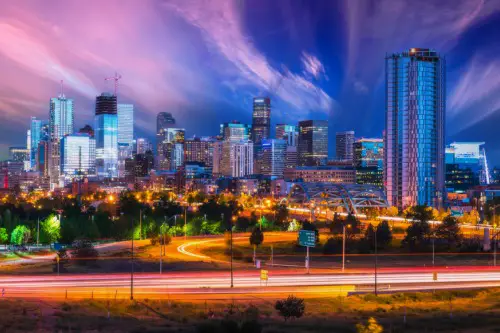
Denver has grown rapidly, and traffic congestion has risen faster than jobs in outlying suburbs. Tech and service jobs cluster downtown, forcing long commutes from newer residential areas. Commuters spend hours on highways for limited opportunity gains. The mismatch creates frustration and lost productivity.
Public transit coverage is growing but still limited outside the city. Expansion projects haven’t caught up with population growth. Many workers drive long distances for relatively modest career benefits. Denver’s experience shows traffic outpacing local opportunity expansion.
12. Phoenix, Arizona
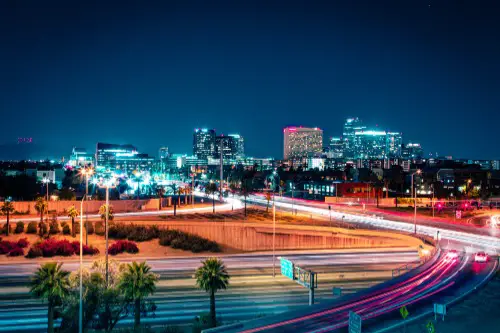
Phoenix’s population boom has driven major increases in traffic. Job growth hasn’t always kept pace in suburban neighborhoods. Many residents face long commutes to access employment in the city core. Hours lost in traffic outweigh gains in accessible local opportunity.
Highways are crowded during peak hours and public transit is limited. Sprawl forces long daily drives for many workers. Residents often feel trapped between congestion and economic stagnation. Phoenix highlights how traffic can grow faster than opportunity.
13. Seattle, Washington
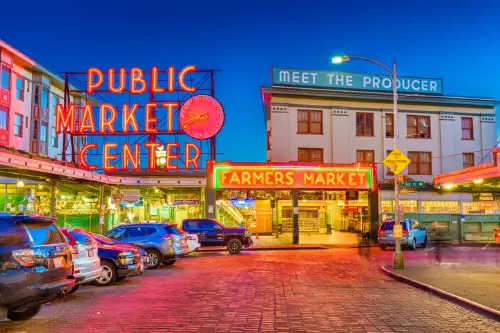
Seattle’s traffic has worsened with tech-driven growth and urban density increases. While high-paying tech jobs exist, they are concentrated in specific neighborhoods. Commuters from other areas often spend hours on congested roads. Opportunity hasn’t expanded broadly enough to match rising traffic.
Bridges and limited transit options worsen the problem. Downtown job growth hasn’t fully relieved suburban commuting pressures. Residents face long drives for work that isn’t local. Seattle is a city where congestion outpaces broader access to opportunity.
14. Orlando, Florida
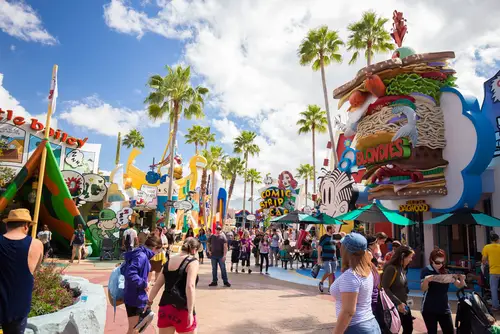
Orlando traffic has surged along key highways connecting suburban neighborhoods to the city center. While tourism provides many jobs, high-paying professional opportunities haven’t grown equally. Residents often sit in traffic for low-wage or entry-level work. The imbalance makes commuting feel like a daily punishment.
Sprawling neighborhoods force long drives for school, shopping, and work. Public transit is underdeveloped, leaving highways overburdened. People often travel long distances without seeing better career outcomes. Orlando’s congestion growth clearly outstrips local economic opportunity.
This post 14 Cities Where Traffic Grew Faster Than Opportunity was first published on American Charm.

