1. Dallas
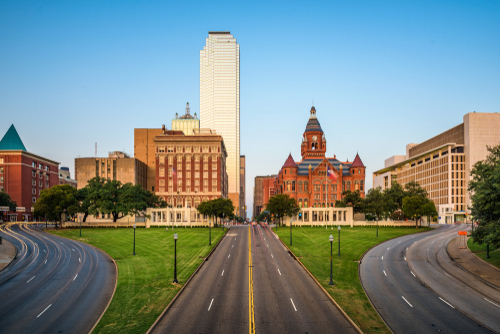
Dallas and its surrounding metro area have absorbed enormous population growth in recent decades. Corporate relocations and job creation drew thousands of new residents each year. Suburban development stretched across North Texas at remarkable speed. Highways expanded constantly, yet traffic congestion still increased.
The region has one of the largest light rail systems in the country. Even with that advantage, the sheer scale of growth makes transportation planning difficult. New communities often appear far from transit lines. Infrastructure investments have struggled to keep up with the region’s pace.
2. Nashville
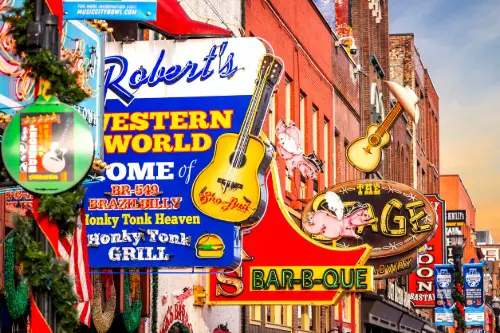
Nashville’s population growth accelerated in the 2010s as healthcare companies, tourism, and remote workers poured into the region. The city added tens of thousands of residents while remaining heavily dependent on cars. Major corridors like Interstate 24 and Interstate 65 regularly experience severe congestion during rush hours. At the same time, new apartment towers and subdivisions appeared faster than the transportation network expanded.
Attempts to build a regional mass transit system have repeatedly stalled. A large transit referendum in 2018 failed, leaving the city without rail and relying primarily on buses. Meanwhile, the booming entertainment economy downtown continues to draw millions of visitors every year. The result is a city where growth outpaced both long-term transit planning and road capacity.
3. Phoenix

Phoenix has been one of the fastest-growing large metropolitan areas in the United States for decades. Huge waves of housing construction stretched the city across the desert, producing a massive metro footprint. That spread has made car dependence almost unavoidable for most residents. Even with wide highways, commute times have steadily increased as the population climbed.
Water infrastructure has become a particularly important concern in recent years. Rapid growth collided with the realities of drought and declining Colorado River supplies. Officials have had to pause some new housing developments in outlying areas because of groundwater limitations. The city’s expansion moved faster than the region’s long-term water planning anticipated.
4. Atlanta

Atlanta’s metropolitan area has grown dramatically since the 1990s, drawing corporations and new residents from across the country. Much of that growth happened in suburbs connected by highways rather than transit. The region’s traffic congestion became a national symbol of growth outpacing infrastructure. Long commute times are common because development spread far beyond the reach of the rail network.
The Metropolitan Atlanta Rapid Transit Authority built a solid rail core decades ago, but expansion slowed for years. As suburbs exploded in population, many remained disconnected from the system. That left highways carrying most of the region’s daily movement. Atlanta’s growth pattern stretched infrastructure designed for a smaller metro area.
5. Denver
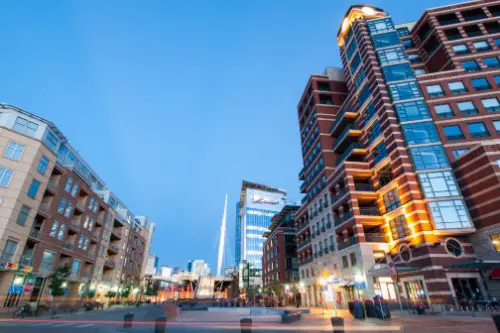
Denver transformed rapidly during the 2010s as tech companies and young professionals flocked to Colorado. Population increases pushed housing development into suburbs across the Front Range. Traffic congestion grew noticeably along corridors like Interstate 25 and Interstate 70. The pace of construction frequently outstripped the ability to widen roads or expand transit quickly.
The region did invest heavily in commuter rail and light rail expansions under the FasTracks program. However, the population surge still arrived faster than many projects could be completed. Housing shortages and rising rents also reflected infrastructure strain. Denver became a textbook example of how popularity can overwhelm urban systems.
6. Seattle
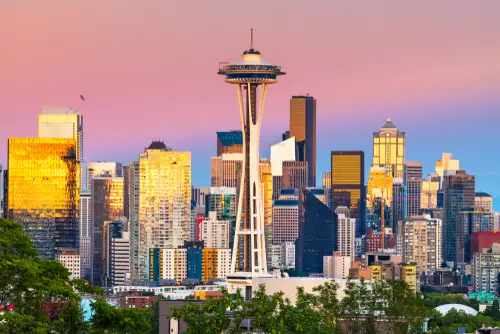
Seattle’s tech boom, led by companies like Amazon and Microsoft nearby, triggered explosive population growth in the 2010s. Thousands of new apartments rose in neighborhoods like South Lake Union and Capitol Hill. Roads built decades earlier suddenly carried far more traffic than planners expected. Bridge bottlenecks and limited highway routes into the city compounded congestion.
Public transit expansion is underway with major light rail extensions. Still, for many years the network was far smaller than the population required. Housing demand skyrocketed as new workers arrived faster than construction kept up. Seattle’s growth showed how quickly a booming economy can pressure transportation and housing infrastructure.
7. San Francisco
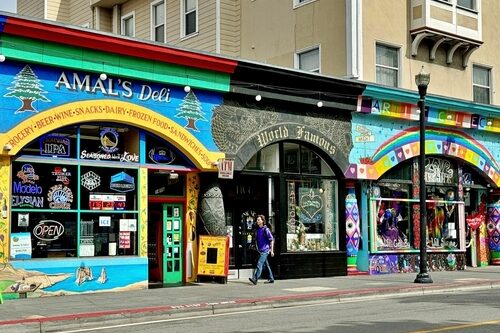
San Francisco experienced intense growth during the tech boom despite its small geographic footprint. New workers flooded into the city and surrounding Bay Area communities. Transit systems like BART and Muni saw surging ridership that strained aging infrastructure. Housing construction lagged behind job growth, creating one of the tightest housing markets in the country.
The imbalance pushed many workers to live far outside the city. Long commutes from places like the East Bay and Silicon Valley became common. Meanwhile, roads and transit lines designed decades earlier struggled with record demand. San Francisco’s infrastructure simply wasn’t built for the scale of its modern tech economy.
8. Boise
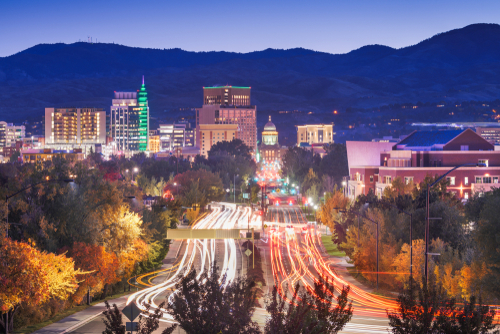
Boise turned into one of America’s fastest-growing small metros during the late 2010s and early 2020s. Remote workers and new residents from higher-cost states moved in quickly. Housing construction ramped up, but demand rose even faster. Prices surged as the region scrambled to keep up with population increases.
Transportation infrastructure has struggled to match that growth. Much of the region still relies heavily on roads built when Boise was far smaller. Public transit options remain limited compared to larger metros. The city’s popularity arrived before large-scale infrastructure investments could catch up.
9. Raleigh
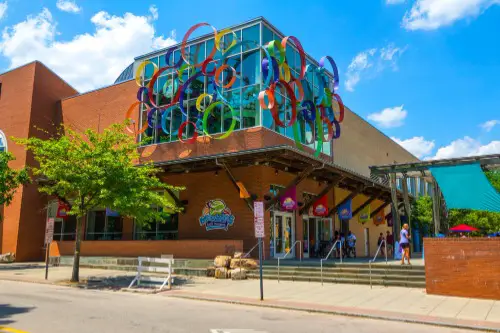
Raleigh sits in the Research Triangle, a region that has grown steadily thanks to universities and tech employers. Over the past two decades, population growth accelerated across Wake County. Suburban development expanded outward quickly as new residents arrived. Highways and arterial roads became increasingly crowded during daily commutes.
Plans for regional rail transit have been discussed for years but repeatedly delayed or canceled. That left the region mostly dependent on cars despite its expanding population. Rapid job growth added even more pressure to the transportation system. Raleigh’s expansion often moved faster than its long-term transit planning.
10. Charlotte
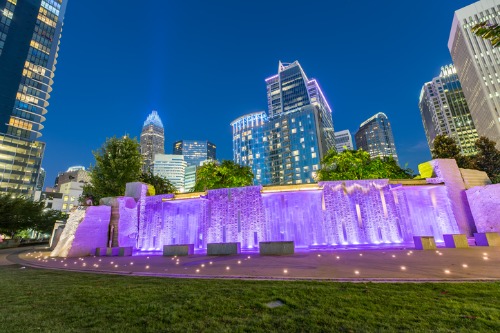
Charlotte became a major banking hub and one of the fastest-growing big cities in the Southeast. New residents poured in as financial institutions expanded their operations. Housing developments spread outward into surrounding counties. Roads and commuter corridors saw traffic climb sharply as a result.
The city has built a light rail line and expanded it once already. Even so, most of the metro area remains beyond the reach of the rail network. Population growth across suburbs has outpaced transit expansion. Charlotte’s rapid rise placed ongoing pressure on transportation and housing infrastructure.
11. Austin
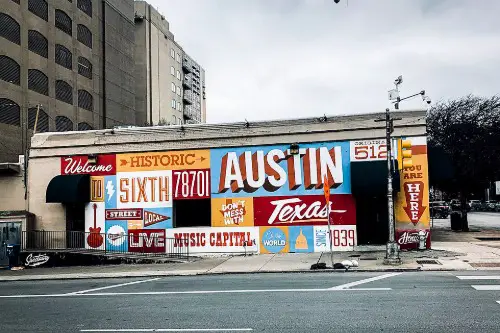
Austin has been one of the fastest-growing big cities in the United States for more than a decade, fueled by tech jobs and an influx of new residents. The metro population has surged while road networks and transit options have struggled to keep pace. Interstate 35, the region’s main north–south artery, became infamous for daily congestion long before expansion projects began. Rapid housing demand also pushed development far into surrounding suburbs faster than utilities and transportation systems were designed to handle.
Public transit has long lagged behind growth, with only a limited light rail line until voters approved a major expansion plan in 2020. Even with that plan underway, the system will take years to match the scale of the region’s population boom. Water supply planning has also been a constant concern during drought cycles tied to growth. Austin’s popularity arrived faster than the infrastructure upgrades needed to support it.
12. Houston
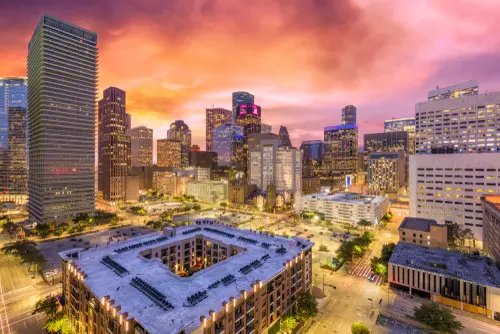
Houston’s growth has been driven by energy, healthcare, and port-related industries. The metropolitan area has added millions of residents over several decades. Development spread across a vast landscape with relatively few zoning restrictions. That flexibility sped up growth but often left infrastructure scrambling to catch up.
Flood control became a major concern as the city expanded into previously undeveloped land. Stormwater systems designed for smaller populations faced enormous pressure during major storms. Events like Hurricane Harvey exposed weaknesses in drainage and planning. Houston’s growth frequently ran ahead of its resilience infrastructure.
13. Las Vegas
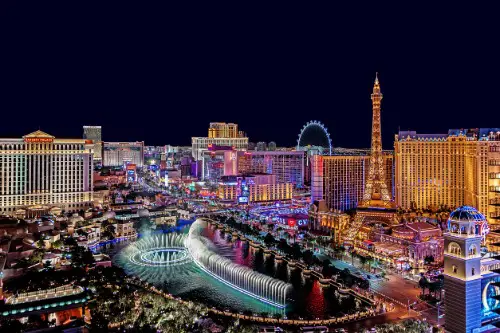
Las Vegas experienced explosive growth in the late 1990s and early 2000s. The metro population more than doubled within a couple of decades. Housing developments spread rapidly across the desert valley. Infrastructure expansion struggled to keep up with the pace of new neighborhoods.
Water supply has been a long-term concern because the region relies heavily on Lake Mead. As the population grew, pressure on that water source increased significantly. Officials invested heavily in new intake tunnels and conservation measures. Still, the city’s growth forced constant adaptation in its water infrastructure.
14. Orlando
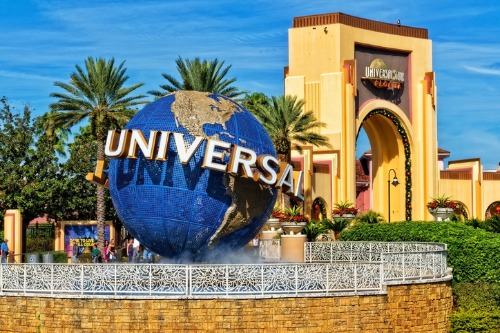
Orlando’s tourism economy and job growth have attracted waves of new residents. The metro area expanded rapidly across central Florida during the past two decades. Highways like Interstate 4 became notorious for congestion as population increased. Commuters and tourists often compete for the same road space.
Public transportation options have historically been limited for a metro of its size. A commuter rail line opened in 2014, but coverage remains narrow relative to the region’s growth. Housing development continues to spread farther from the urban core. Orlando’s booming population arrived faster than its transportation infrastructure matured.
This post Cities Where Growth Happened Faster Than the Infrastructure was first published on American Charm.