
1. Boston (Faneuil Hall and Quincy Market)

Faneuil Hall and Quincy Market attract huge numbers of tourists. Locals often skip the area due to crowds and chain-heavy food options. The historic setting is appealing, but it’s rarely peaceful. Prices there are higher than in surrounding neighborhoods.
Residents know there’s better food elsewhere in the city. The area gets especially packed during summer and sports events. Walking through can feel like navigating an obstacle course. Locals often recommend places like the North End or Cambridge instead.
2. New York City (Times Square)
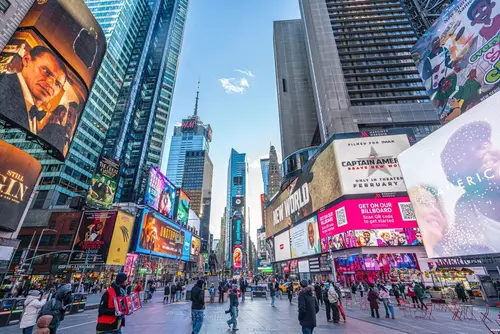
Tourists flock to Times Square for the lights, billboards, and that “only in New York” feeling. Locals, on the other hand, usually go out of their way to avoid it unless work forces them there. It’s crowded almost all day, packed with costumed characters hustling for tips, and slower to walk through than almost anywhere else in Manhattan. The restaurants are mostly chains or overpriced tourist traps that don’t reflect how New Yorkers actually eat.
For residents, Times Square is more of a transit problem than a destination. Subway stations there are busy and confusing, especially during rush hour or major events. Pickpocketing and petty scams are more common than in quieter neighborhoods. Locals prefer nearby areas like Hell’s Kitchen or Midtown East when they want a meal or a night out.
3. Las Vegas (The Strip)
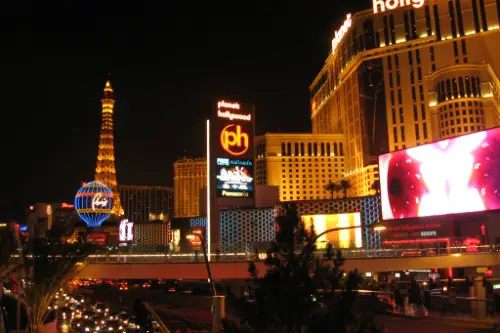
The Las Vegas Strip is exactly what most tourists picture when they think of the city. Locals, however, often avoid it unless they’re working there or entertaining out-of-town guests. Everything on the Strip is more expensive, from drinks to parking to basic meals. The crowds can be overwhelming, especially on weekends and during conventions.
Residents tend to socialize off-Strip, where bars and restaurants are cheaper and quieter. Traffic on Las Vegas Boulevard can turn a short drive into a long ordeal. Many casinos cater almost entirely to visitors, not locals. Neighborhoods like Summerlin and Henderson are where locals actually live and spend their free time.
4. Orlando
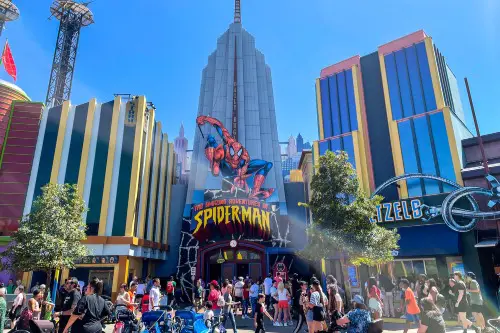
Orlando is synonymous with theme parks, and that’s exactly why many locals steer clear of the main tourist corridors. Areas around International Drive and the theme park entrances are chronically congested. Restaurants and attractions there are priced for visitors on vacation budgets. Daily life for residents doesn’t usually involve roller coasters and character meet-and-greets.
Locals often plan their errands to avoid peak park hours and holiday seasons. Traffic around Disney and Universal can spill into surrounding roads without warning. Many residents prefer parks, lakes, and neighborhoods well outside the tourist zones. Downtown Orlando and Winter Park are more typical local hangouts.
5. San Francisco (Fisherman’s Wharf)
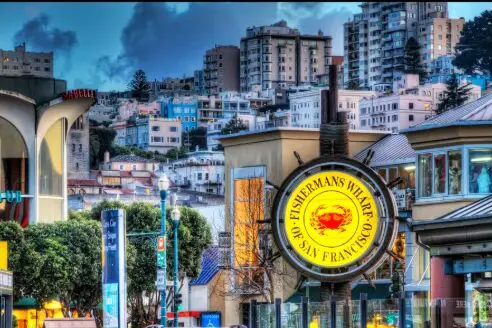
Fisherman’s Wharf is one of San Francisco’s most visited neighborhoods. Locals generally see it as loud, crowded, and overpriced. The seafood restaurants cater to tourists and often don’t represent the city’s best food. Souvenir shops dominate the area, making it feel disconnected from everyday San Francisco life.
Residents might pass through for a scenic walk but rarely linger. Traffic and tour buses clog nearby streets, especially in summer. Public transit in the area gets packed during peak hours. Locals usually recommend neighborhoods like the Mission or Inner Sunset for a more authentic experience.
6. New Orleans (Bourbon Street)
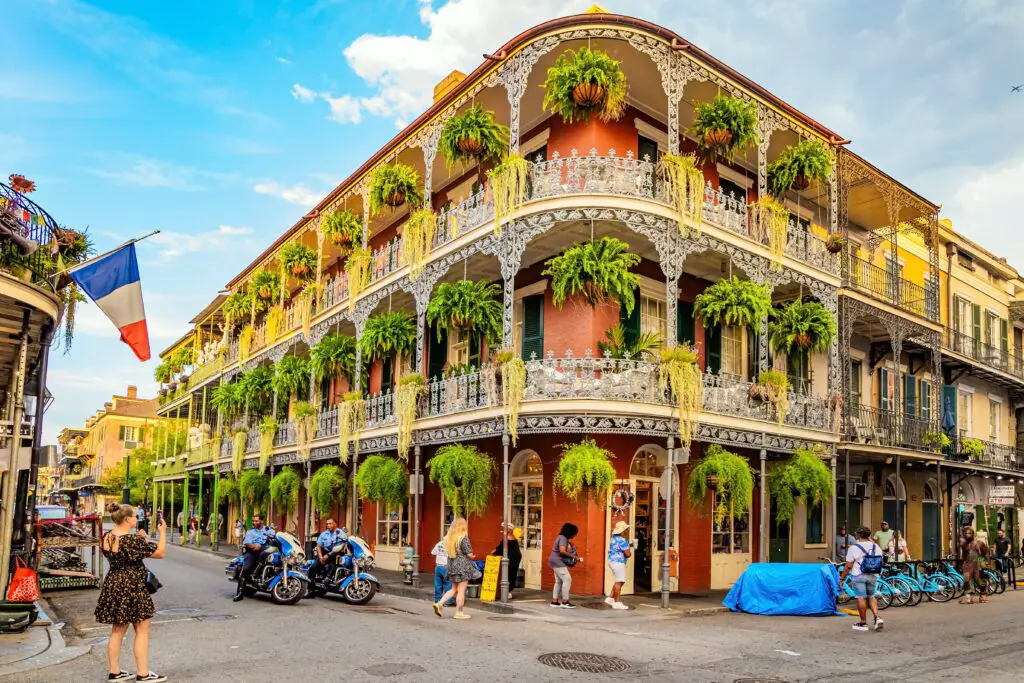
Bourbon Street is legendary for nightlife and nonstop partying. Locals often avoid it because of the crowds, noise, and heavy drinking culture. On busy nights, it can feel chaotic and overwhelming. The area doesn’t reflect the broader culture and history of New Orleans.
Residents still love live music and good food, just not usually on Bourbon Street. The Frenchmen Street area offers a more relaxed and music-focused scene. Locals also point out that prices on Bourbon Street are inflated. For everyday life, neighborhoods like Mid-City or Uptown feel more genuine.
7. Nashville (Lower Broadway)
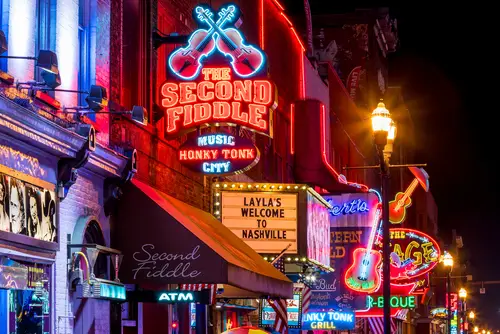
Lower Broadway is packed with honky-tonks and party buses. Tourists love the live music and energetic atmosphere. Locals often avoid it because it’s crowded almost every night of the week. The area has become heavily focused on bachelor and bachelorette parties.
For residents, the noise and congestion get old fast. Drinks on Broadway are usually more expensive than elsewhere in the city. Sidewalks can be difficult to navigate during peak hours. Locals prefer neighborhoods like East Nashville or 12South for music and dining.
8. Chicago (Navy Pier)
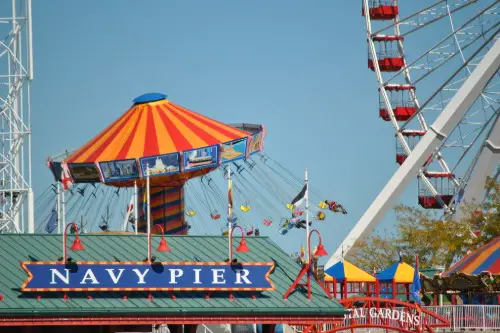
Navy Pier is a major tourist attraction with rides, shops, and lake views. Locals tend to skip it unless they’re hosting visitors. The restaurants are mostly chains and not representative of Chicago’s food scene. It’s also one of the most crowded spots in the city during summer.
Residents enjoy the lakefront but usually access it elsewhere. Traffic near the pier can be frustrating, especially on weekends. Parking is expensive and limited. Locals often choose beaches or paths farther north or south along Lake Michigan.
9. Washington, D.C. (National Mall)
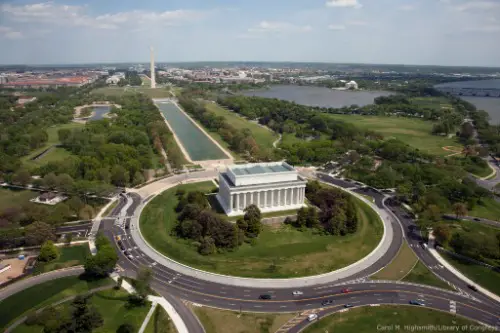
The National Mall is iconic and essential for first-time visitors. Locals often avoid it during peak tourist seasons and major events. School trips, rallies, and festivals can make the area feel packed and chaotic. Simple trips across town can take much longer when the Mall is busy.
Residents still appreciate the monuments, just at quieter times. Early mornings or winter months are when locals might visit. Museums can get extremely crowded during weekends and holidays. Many Washingtonians prefer neighborhood parks for daily recreation.
10. Miami (South Beach)
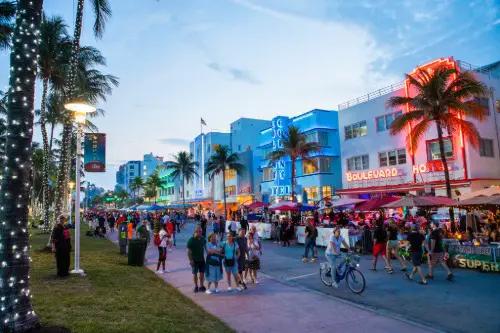
South Beach is famous for nightlife, beaches, and Art Deco architecture. Locals often avoid Ocean Drive due to traffic and crowds. Restaurants and bars there are priced for tourists and can feel performative. The area can be noisy well into the night.
Residents still enjoy the beach, just not always that one. Parking in South Beach is notoriously difficult. Weekend traffic can back up for miles. Locals often head to quieter beaches or neighborhoods like Coconut Grove.
11. Honolulu (Waikiki)
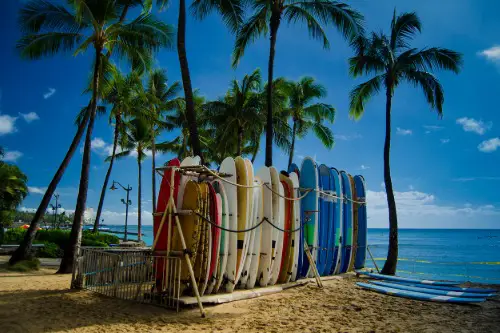
Waikiki is the heart of tourism in Honolulu. Locals generally avoid it unless they work there or have visitors. The area is crowded, commercialized, and expensive. Many residents feel it doesn’t reflect everyday life in Hawaii.
Traffic into Waikiki can be intense at almost any time of day. Beaches there are beautiful but often packed. Locals prefer less crowded shorelines elsewhere on Oahu. Neighborhoods outside the tourist core offer a more relaxed pace.
12. Seattle (Pike Place Market)
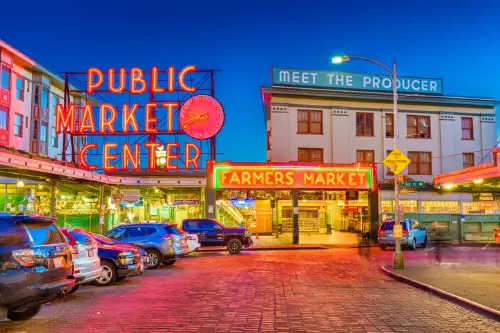
Pike Place Market is a must-see for visitors. Locals usually avoid it during busy hours because of the crowds. Narrow walkways make it hard to move quickly or comfortably. The famous fish-throwing stalls draw large groups that block traffic.
Residents still love the market for fresh food. They tend to go early in the morning or on weekdays. Parking nearby is limited and expensive. Locals often shop at neighborhood markets instead.
13. Los Angeles (Hollywood Boulevard)

Hollywood Boulevard draws visitors chasing celebrity handprints and Walk of Fame selfies. Locals know the stretch is crowded, gritty, and rarely glamorous. The sidewalks are often congested, and the street performers can feel aggressive rather than entertaining. Many longtime residents will tell you it’s one of the least pleasant places to hang out in the city.
The big draw, the Walk of Fame, is surprisingly underwhelming up close. Traffic in the area is notoriously bad, even by Los Angeles standards. Parking is expensive and hard to find. Locals who want culture or nightlife usually head to neighborhoods like Silver Lake, Culver City, or Koreatown instead.
14. San Antonio (River Walk)
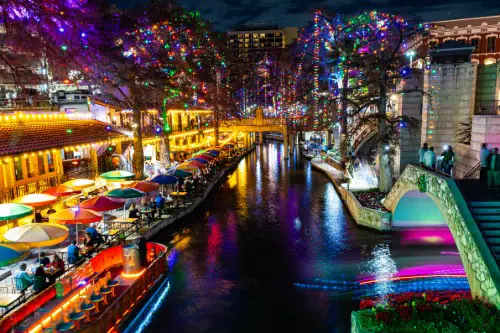
The River Walk is San Antonio’s most recognizable attraction. Tourists love the scenery and riverside dining. Locals often avoid it during peak hours because it gets congested. Restaurants there are usually pricier than similar spots nearby.
Residents still enjoy the river, just in quieter sections. Weekend evenings can be especially crowded. Parking near the River Walk can be challenging. Locals often explore other neighborhoods for dining and nightlife.
15. San Diego (Gaslamp Quarter)
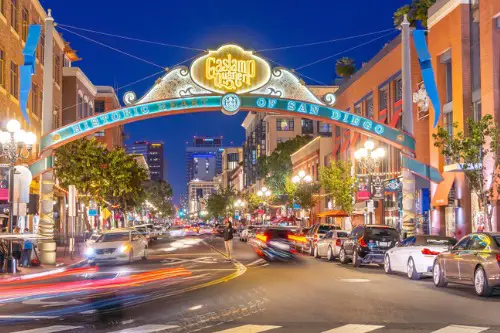
The Gaslamp Quarter is popular for nightlife and events. Tourists enjoy its central location and busy streets. Locals often avoid it because it can feel chaotic, especially at night. Bars and clubs there tend to cater to visitors.
Residents prefer neighborhoods with a more relaxed vibe. Parking downtown can be expensive and limited. Weekend crowds can make simple outings stressful. Many locals choose areas like North Park or Ocean Beach instead.
This post 15 Cities Tourists Love but Locals Avoid was first published on American Charm.

