
1. Detroit, Michigan
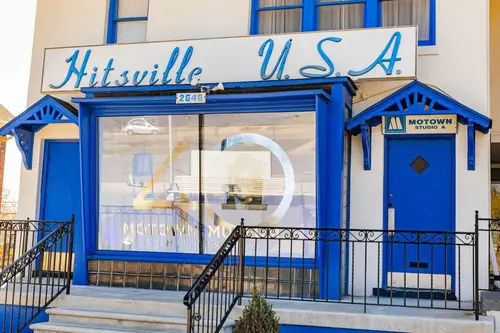
In the early 2010s, Detroit aggressively branded itself as a comeback innovation hub centered on mobility, design, and entrepreneurship. The narrative leaned heavily on downtown revitalization and a handful of venture-backed startups. While progress was real, the ecosystem lacked sufficient capital depth and talent density to match the hype. Many startups struggled to scale locally and eventually relocated or stalled.
The city’s bankruptcy-era challenges also made infrastructure and services unreliable for fast-growing companies. Corporate investment arrived unevenly, often tied to specific real estate projects rather than broad innovation. Detroit is more stable today, but the original “Silicon Valley of mobility” pitch ran ahead of reality. The ambition wasn’t wrong, just premature.
2. Cleveland, Ohio
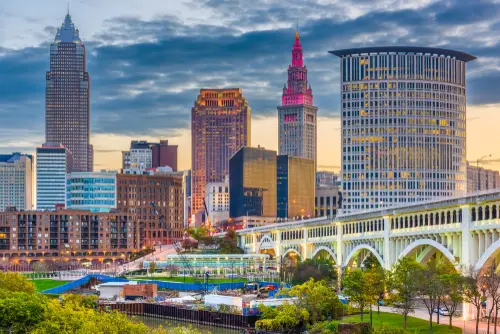
Cleveland spent the late 2000s and early 2010s promoting itself as a health-tech and biotech innovation hub. The presence of the Cleveland Clinic gave credibility, but the surrounding startup ecosystem was thin. Research strength did not consistently translate into venture-scale companies. Entrepreneurs often found it difficult to secure follow-on funding without leaving the region.
Incubators and accelerators popped up quickly, sometimes without enough deal flow to sustain them. The city underestimated how long it takes to commercialize medical research at scale. Cleveland remains strong in healthcare delivery and research, but less so as a startup launchpad. The branding came before the supporting market dynamics.
3. St. Louis, Missouri
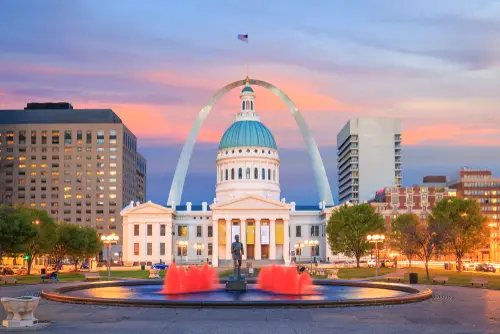
St. Louis positioned itself as a major startup hub after early wins like Square and a strong accelerator scene. The city leaned into the idea that low costs and Midwestern grit could substitute for coastal capital networks. While the startup community was energetic, funding remained limited and uneven. Many founders struggled to grow beyond early-stage success without relocating.
Efforts like Cortex and T-Rex provided infrastructure but not enough late-stage momentum. Corporate engagement lagged behind expectations, limiting acquisition opportunities. The city’s innovation pitch assumed success would compound faster than it did. Progress continues, but the early hype overshot capacity.
4. New Orleans, Louisiana
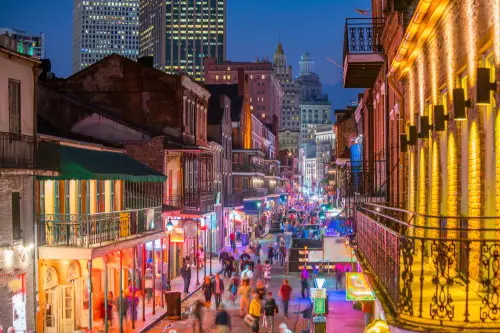
After Hurricane Katrina, New Orleans marketed itself as a blank slate for innovation and entrepreneurship. The city emphasized creative industries, tech startups, and social innovation as part of its recovery story. Early programs attracted attention but struggled with long-term sustainability. A small talent pool and limited venture capital constrained growth.
Many startups depended heavily on grants rather than revenue or investment. Infrastructure challenges and workforce gaps made scaling difficult. The innovation narrative was hopeful but fragile. New Orleans built momentum slowly, not at the pace the branding suggested.
5. Kansas City, Missouri
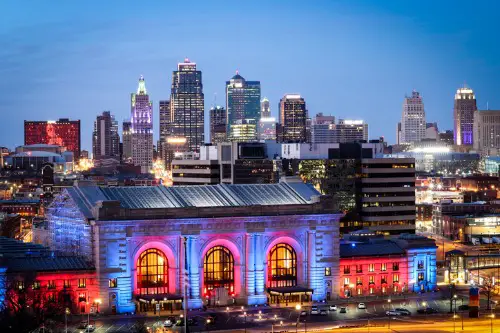
Kansas City gained national attention with Google Fiber and quickly leaned into an innovation hub identity. The city promoted itself as a testbed for smart-city and digital startups. While connectivity improved, startup outcomes did not scale proportionally. High-speed internet alone didn’t solve capital access or talent recruitment.
Several early initiatives fizzled once novelty wore off. The ecosystem lacked enough anchor companies to retain founders long-term. Kansas City remains attractive for small teams but struggled to become a breakout hub. The pitch assumed infrastructure would drive innovation automatically.
6. Phoenix, Arizona
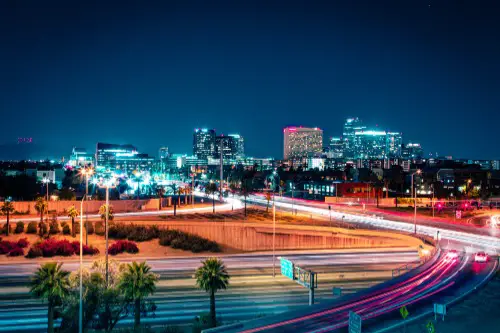
Phoenix branded itself as an emerging tech and innovation hub throughout the 2010s. Leaders emphasized affordability, population growth, and university research. However, venture capital lagged behind peer metros, limiting startup scale. Many companies remained lifestyle businesses rather than growth ventures.
The sprawl of the metro area also diluted network effects. Collaboration was harder without dense startup clustering. Phoenix has made steady gains, especially in semiconductors and enterprise tech. Still, the innovation label arrived before the ecosystem fully matured.
7. Buffalo, New York
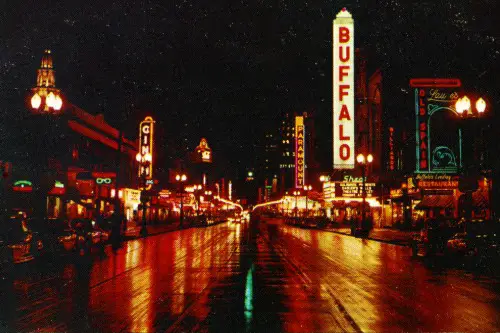
Buffalo promoted an innovation-driven revival anchored by clean energy and advanced manufacturing. Major public investments, including the Tesla Gigafactory project, fueled expectations. Job creation and startup spillover fell short of early promises. Much of the growth remained dependent on subsidies rather than organic momentum.
The startup scene stayed small and fragile despite infrastructure upgrades. Talent retention continued to be a challenge. Buffalo’s innovation story was compelling but overly centralized. The city needed broader private-sector engagement to match its branding.
8. Albuquerque, New Mexico
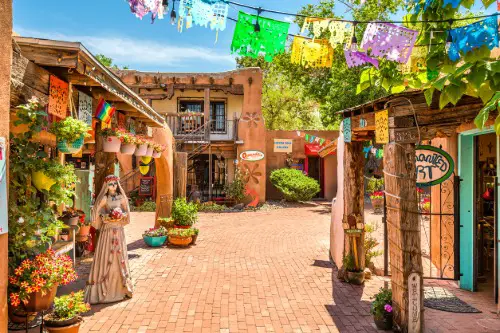
Albuquerque leaned on its national labs to pitch itself as a deep-tech innovation hub. The scientific talent was real, but commercialization pathways were weak. Startups struggled to spin out and scale locally. Venture capital presence remained minimal.
Many innovations stayed trapped within research institutions. Entrepreneurs often left for better-funded markets. The city had ideas but lacked execution infrastructure. The innovation narrative got ahead of market readiness.
9. Birmingham, Alabama
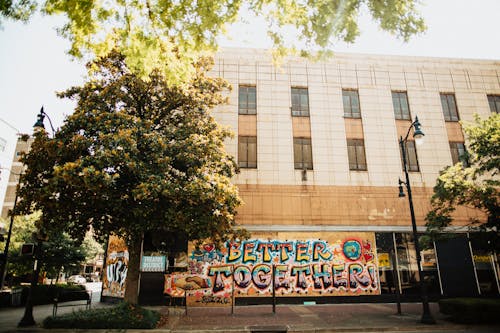
Birmingham positioned itself as a fintech and health-tech upstart in the late 2010s. A few successful companies created optimism and media attention. The broader ecosystem, however, was thin and uneven. Access to capital and experienced operators remained limited.
Startup support organizations multiplied faster than viable startups. Talent recruitment was challenging outside niche sectors. Birmingham made real progress, but scale was elusive. The city’s pitch assumed momentum would spread faster than it did.
10. Pittsburgh, Pennsylvania
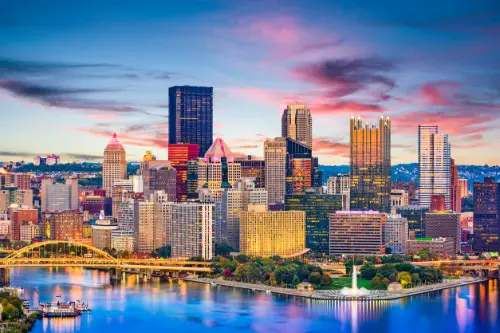
Pittsburgh branded itself as an AI and robotics hub well before commercial adoption caught up. University research and corporate labs were world-class. Startup formation lagged behind the research output. Many breakthroughs benefited outside companies more than local ones.
Commercialization pipelines were slow and complex. Founders often struggled with customer access and funding. Pittsburgh is stronger today, but early claims overstated near-term impact. The city’s innovation strength was real but long-horizon.
11. Memphis, Tennessee
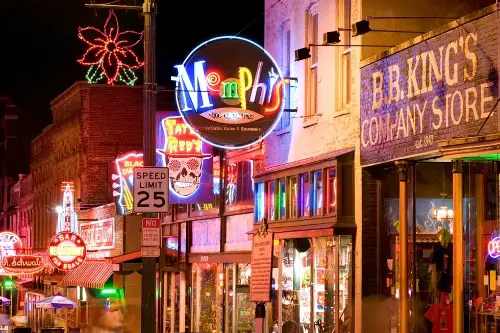
Memphis promoted logistics innovation and entrepreneurship tied to FedEx’s presence. The idea made sense, but startup spillover was limited. Large corporate dominance did not translate into a vibrant startup culture. Few logistics startups scaled locally.
Capital and mentorship were hard to find outside core industries. The ecosystem depended heavily on a small number of champions. Memphis had assets but lacked density. The innovation branding outpaced execution.
12. Providence, Rhode Island
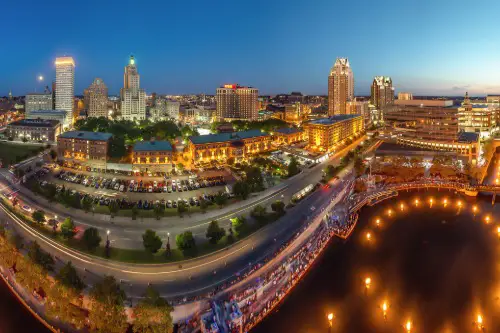
Providence leaned into creative tech and design-driven innovation messaging. Proximity to Boston was framed as an advantage. In practice, talent often flowed north rather than staying put. Local startups struggled to compete for attention and funding.
The ecosystem remained fragmented and small. Many initiatives relied on short-term public funding. Providence had cultural energy but limited scale. The innovation pitch assumed spillover would stick.
13. San Antonio, Texas
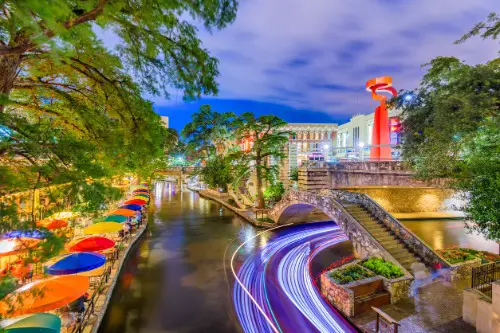
San Antonio branded itself as a cybersecurity innovation hub due to military presence. While expertise existed, startup commercialization was slow. Most innovation remained within government or defense channels. Venture-backed growth was limited.
The city lacked the density of private-sector tech firms. Founders faced challenges accessing customers outside defense. San Antonio’s niche was narrow but oversold. The hub narrative arrived before diversification.
14. Reno, Nevada
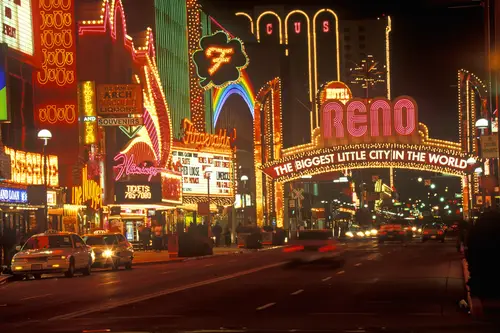
Reno marketed itself as an innovation alternative to Silicon Valley after Tesla’s Gigafactory announcement. The city emphasized affordability and proximity to California. Startup growth did not keep pace with expectations. Much of the economic impact centered on manufacturing, not innovation.
The tech ecosystem remained small and scattered. Venture capital presence was minimal. Reno benefited from industrial investment but not startup clustering. The innovation label stretched beyond reality.
This post 14 Cities That Pitched Themselves as “Innovation Hubs” Too Early was first published on American Charm.

