
1. Seattle
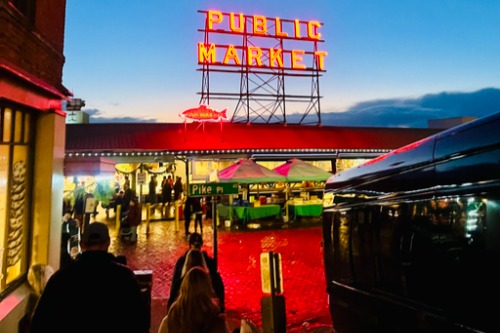
Seattle promotes an image of innovation framed by mountains and water. The brand blends outdoor access with cutting-edge industry. It suggests a city where quality of life comes naturally. Daily realities introduce friction into that picture.
Rainy seasons and topography influence commuting and infrastructure wear. Housing affordability pressures mirror rapid economic growth. Transit investments continue, but coverage gaps persist. The environment is stunning, yet urban functionality feels uneven in places.
2. San Francisco
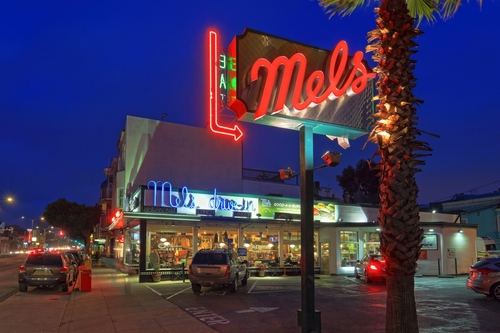
San Francisco sells a postcard version of itself built on fog, bridges, and startup dreams. The marketing leans heavily on innovation culture and scenic beauty. Visitors expect seamless urban living wrapped in tech-forward convenience. The reality is a city where basic logistics can feel surprisingly fragile.
Housing costs and visible inequality are hard to square with the polished image. Public transit exists, but reliability and coverage can frustrate daily commuters. Cleanliness and street conditions vary block by block in ways tourism ads never show. The city still has immense charm, but functioning day-to-day can feel like a premium upgrade.
3. New York City
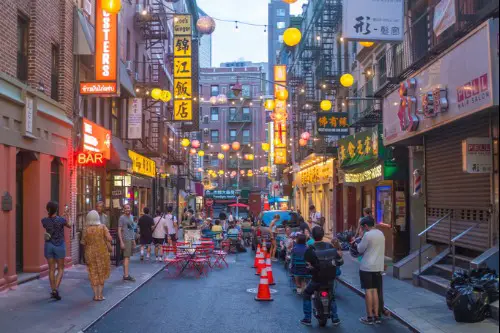
New York City markets itself as the center of culture, ambition, and nonstop energy. The brand promises efficiency and opportunity at every corner. First impressions highlight iconic skylines and 24-hour convenience. Living inside that machine reveals a more demanding rhythm.
Crowding and cost are constant companions in everyday routines. Infrastructure strain shows up in aging transit and packed platforms. Space, privacy, and quiet become luxury items rather than defaults. The city functions impressively at scale, but rarely as effortlessly as advertised.
4. Miami
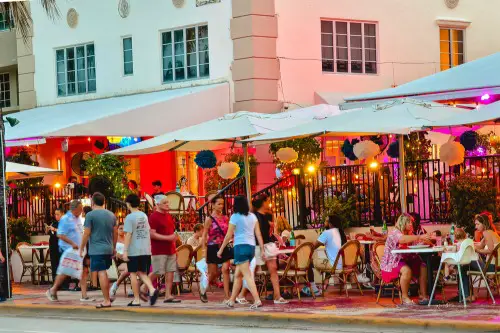
Miami presents itself as a tropical playground where leisure meets luxury. Marketing emphasizes beaches, nightlife, and international flair. The expectation is carefree coastal living with modern polish. Daily functionality tells a more complicated story.
Seasonal flooding and storm preparedness are real planning concerns. Traffic bottlenecks and limited transit options affect routine travel. Housing affordability swings dramatically with market cycles. The vibe is magnetic, yet the infrastructure doesn’t always keep pace.
5. Las Vegas
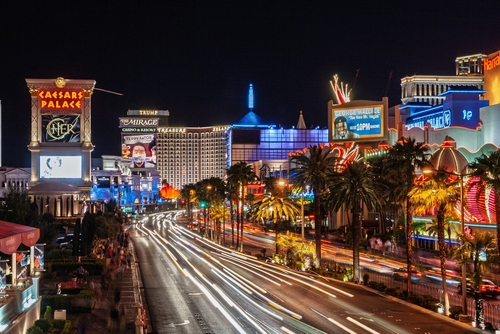
Las Vegas brands itself as pure spectacle and convenience wrapped into one destination. The Strip suggests a city engineered for seamless fun. Visitors expect a frictionless environment built for indulgence. Outside the neon corridor, normal city challenges return.
Public services and neighborhood infrastructure vary widely beyond tourist zones. Extreme heat influences transportation, energy use, and daily comfort. Car reliance shapes most local mobility. The entertainment machine runs smoothly, but the broader city operates under tighter constraints.
6. Austin
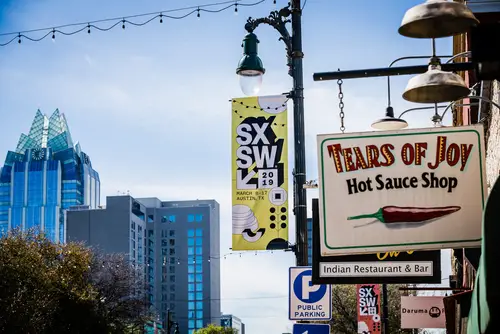
Austin markets a laid-back tech hub identity with creative soul. The messaging promises growth without sacrificing personality. Newcomers expect a city scaled for easy living. Rapid expansion has complicated that narrative.
Traffic congestion has intensified faster than road capacity. Housing prices climbed sharply as demand outpaced supply. Public transit options remain limited for a booming metro area. The culture still thrives, but the systems supporting it are catching up.
7. Los Angeles
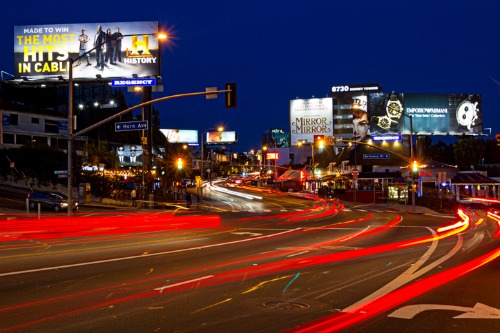
Los Angeles promotes a lifestyle of sunshine, creativity, and limitless possibility. The city’s brand suggests freedom, glamour, and easy mobility. People arrive imagining a breezy coastal metropolis built for movement. What they meet is a region where distance shapes everything.
Car dependency defines daily life more than most marketing admits. Traffic congestion can turn short trips into hour-long commitments. Public transit is improving, but coverage remains uneven across neighborhoods. The dream is real in pockets, yet the city’s sprawl complicates the fantasy.
8. Denver
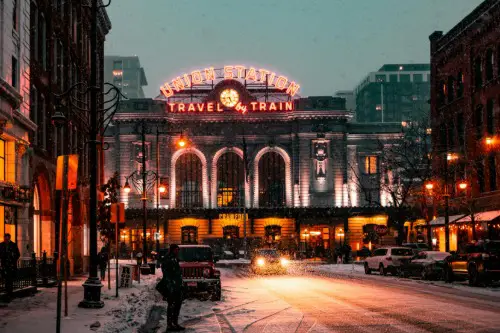
Denver markets itself as the gateway to an active, high-altitude lifestyle. Promotional imagery centers on balance between city and wilderness. People expect modern urban ease with instant mountain access. Growth has stretched that balance.
Traffic congestion has increased alongside population surges. Housing costs rose significantly relative to local wages. Public transit exists, but suburban spread complicates efficiency. The outdoor promise holds, though city systems feel pressured.
9. Nashville
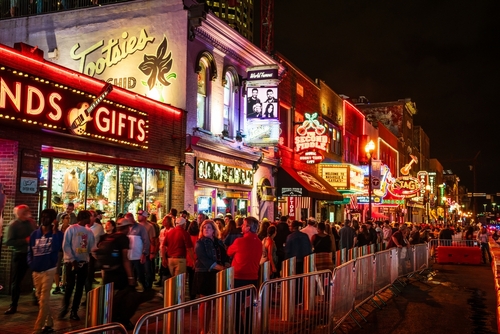
Nashville sells a brand rooted in music, hospitality, and creative energy. Tourism messaging paints a walkable, lively downtown core. Visitors anticipate a city tuned for smooth social movement. Everyday logistics reveal more strain.
Road congestion and limited mass transit affect commuting patterns. Rapid development has tested zoning and infrastructure planning. Housing affordability has tightened in popular neighborhoods. The cultural engine hums, but civic systems are adapting in real time.
10. Portland
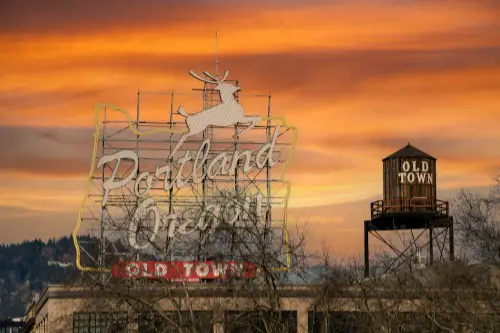
Portland markets an image of sustainability, creativity, and neighborhood charm. The city’s reputation suggests intentional urban design. Expectations lean toward efficient transit and livable density. Reality includes more operational complexity.
Public safety and maintenance concerns have fluctuated in recent years. Transit coverage is strong in corridors but inconsistent elsewhere. Housing supply pressures affect affordability and stability. The ethos remains appealing, yet execution varies block to block.
11. Honolulu
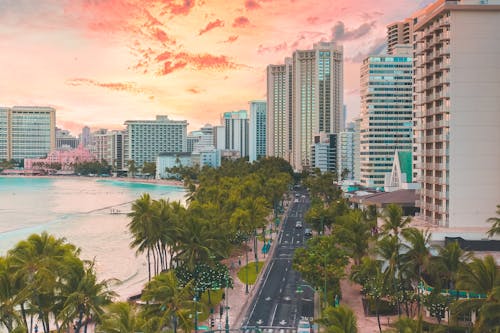
Honolulu presents paradise framed by urban convenience. Marketing emphasizes seamless island living with city amenities. Visitors expect relaxed logistics paired with scenic beauty. Daily function reflects island constraints.
Traffic congestion is amplified by limited roadway options. High import costs influence prices for goods and housing. Infrastructure upgrades face geographic and environmental limits. The setting is extraordinary, but systems operate within tight boundaries.
12. Chicago
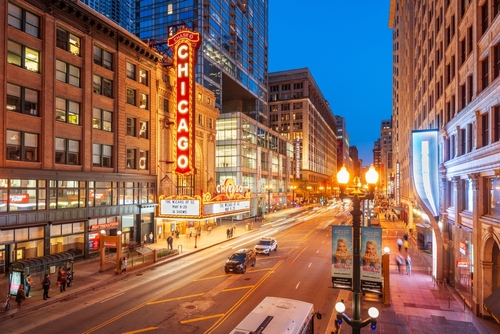
Chicago promotes world-class architecture, culture, and connectivity. The image suggests a big city that runs with Midwestern efficiency. Visitors expect strong transit and cohesive urban flow. The lived experience includes notable contrasts.
Aging infrastructure and weather extremes challenge maintenance cycles. Transit coverage is extensive but reliability can fluctuate. Neighborhood disparities shape access to services and investment. The city’s scale impresses, though consistency isn’t guaranteed.
This post 12 Cities That Market Themselves Better Than They Function was first published on American Charm.

