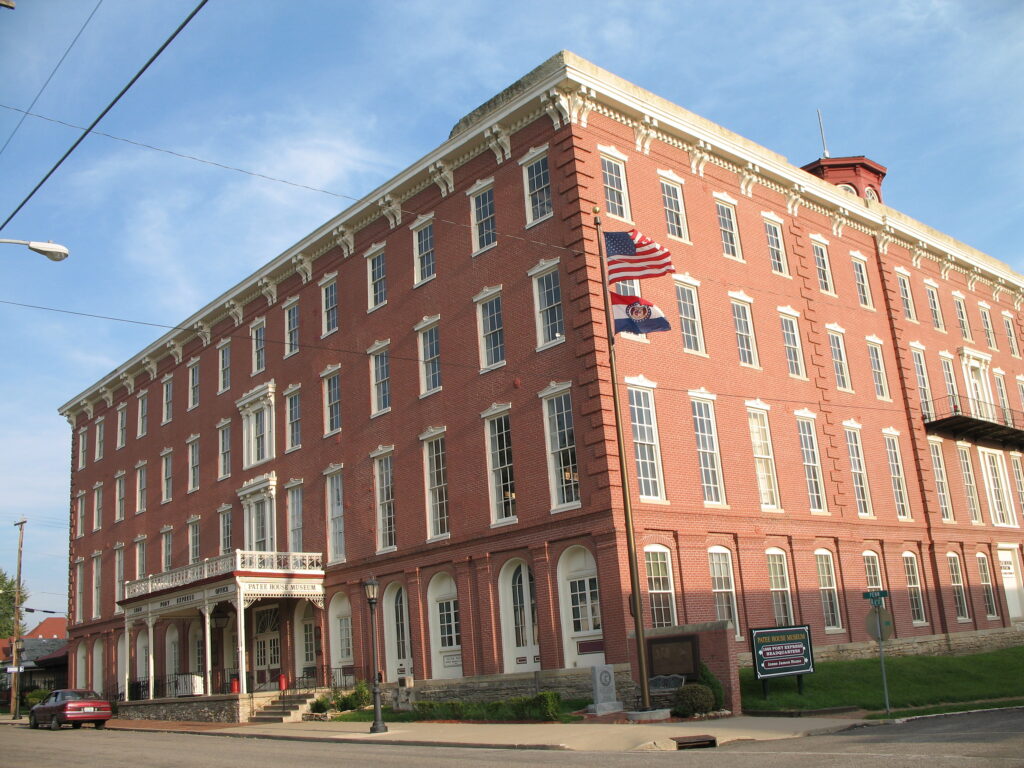
1. Denver, Colorado

Denver sells an appealing mix of lifestyle and economic growth. The city has attracted young professionals faster than it has created high-wage jobs. Housing prices climbed sharply while salaries rose more slowly. This mismatch has made saving and long-term planning difficult.
The job market is broad but often shallow in senior roles. Many companies cap advancement locally, pushing ambitious workers elsewhere. Infrastructure strain and traffic have also increased. Denver’s promise of balanced opportunity often feels aspirational rather than real.
2. San Francisco, California

San Francisco still sells itself as the ultimate meritocracy where smart people with laptops can change the world. The reality is that the tech job market is far more crowded and risk-averse than the city’s mythology suggests. Housing costs routinely exceed what even six-figure salaries can comfortably support, which narrows opportunity instead of expanding it. Many early-career workers discover that simply staying afloat takes so much energy that upward mobility slows to a crawl.
The city’s startup reputation also glosses over how consolidated the tech economy has become. Fewer companies are taking big bets on unproven talent, and layoffs have been a recurring feature in recent years. Small businesses face high rents, complex permitting, and thin margins, making entrepreneurship harder than advertised. San Francisco still offers opportunity, but it’s far less accessible than its branding implies.
3. Los Angeles, California
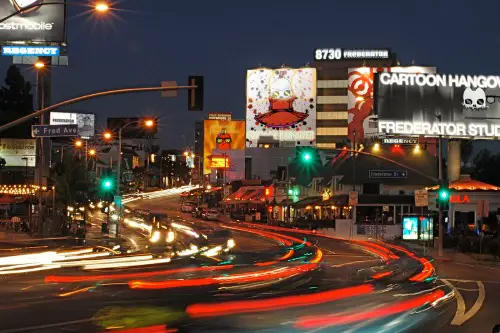
Los Angeles markets itself as a city where creativity automatically turns into success. In practice, entertainment and media jobs are heavily freelance, highly networked, and brutally competitive. Many workers juggle multiple gigs with little job security or benefits, even after years in the industry. The cost of housing and transportation eats into earnings quickly, especially for newcomers.
Outside entertainment, LA’s job growth is uneven and often lower-paying. Traffic and sprawl add hidden costs in time and money that undercut quality of life. The city’s opportunity narrative rarely mentions how long it can take to stabilize financially. For many residents, LA feels more like a holding pattern than a launchpad.
4. Austin, Texas

Austin has aggressively branded itself as a tech boomtown with endless upside. Rapid in-migration has pushed housing prices far beyond what local wages traditionally supported. Many tech jobs are satellite offices with limited decision-making power or advancement paths. The result is a workforce that feels stuck in mid-level roles longer than expected.
Infrastructure has struggled to keep pace with growth, affecting everything from traffic to utilities. The cultural amenities that once made Austin distinctive have been diluted by rising costs. Startup funding is more limited than the city’s hype suggests. For many residents, the opportunity curve flattened faster than promised.
5. Miami, Florida
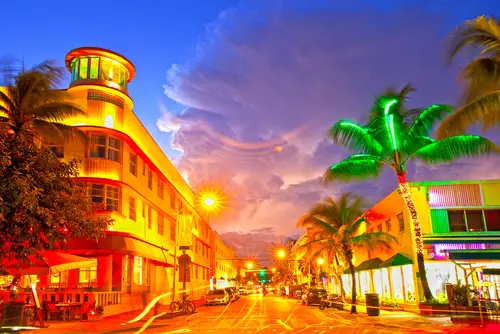
Miami markets sunshine and hustle as a winning economic formula. In reality, high-paying jobs are concentrated in a few sectors like finance, real estate, and healthcare. Wages in hospitality and service industries lag far behind the region’s rising rents. This creates a sharp gap between the city’s image and most residents’ lived experience.
The recent influx of remote workers drove costs up without creating proportional local opportunity. Public transportation and infrastructure remain limited for a metro of its size. Career growth often requires leaving the city after a few years. Miami offers lifestyle appeal, but its opportunity story is thinner than advertised.
6. Seattle, Washington
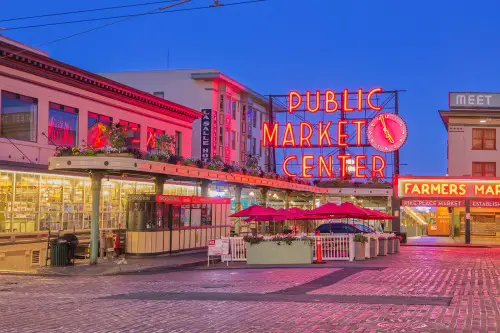
Seattle presents itself as a tech-friendly city where innovation is always hiring. The job market, however, is dominated by a small number of large employers. This concentration limits bargaining power and narrows career paths. Housing prices surged alongside tech growth, eroding the value of high salaries.
Non-tech sectors have struggled to keep pace with rising costs. The city’s regulatory environment can be tough for small businesses. Many workers find advancement means switching companies rather than growing within one. Seattle delivers opportunity, but mostly on very specific terms.
7. New York City, New York

New York loves to present itself as the place where ambition is always rewarded. While job density is high, so is competition, which compresses wages in many white-collar fields. Entry-level salaries often lag far behind rent, even for professional roles. This forces many people to rely on family support or multiple roommates just to get started.
The city’s prestige can mask how stratified opportunity really is. Industries like finance, media, and fashion tend to recycle the same networks. Long hours and high burnout rates are often treated as the cost of admission. New York delivers opportunity, but not nearly as democratically as it claims.
8. Nashville, Tennessee
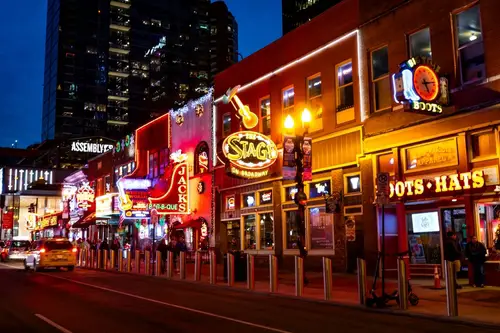
Nashville brands itself as a creative and business-friendly Southern hub. Music and entertainment jobs are far more precarious than the city’s image suggests. Outside healthcare and logistics, wages remain modest. Housing costs have risen quickly, outpacing income growth for locals.
The city’s rapid development has benefited investors more than workers. Public transit remains limited, increasing transportation costs. Career mobility can stall after early success. Nashville markets momentum, but many residents experience stagnation.
9. Chicago, Illinois

Chicago promotes itself as a big-city opportunity without coastal prices. While housing is cheaper than New York or San Francisco, taxes and fees are comparatively high. Job growth has been uneven across neighborhoods and industries. Many corporate roles have slowly shifted elsewhere.
The city’s long-standing fiscal challenges affect public services and infrastructure. Networking ecosystems can be insular, especially in legacy industries. Advancement often depends on navigating entrenched hierarchies. Chicago offers opportunity, but it’s more constrained than the pitch suggests.
10. Atlanta, Georgia
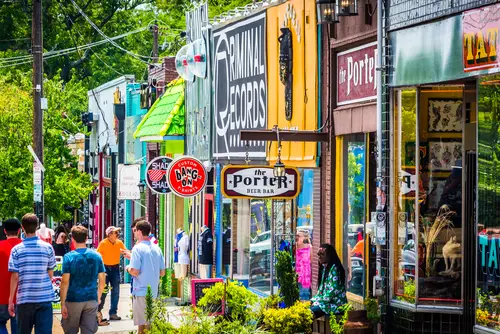
Atlanta markets itself as the capital of the New South with unlimited growth. While the metro area has added jobs, wage growth hasn’t kept pace with housing costs. Traffic and long commutes add daily friction that rarely shows up in promotional materials. Opportunity is often geographically uneven.
Corporate headquarters don’t always translate into broad career ladders. Many roles are operational rather than strategic. Public transit limitations affect access to jobs. Atlanta’s opportunity is real, but far more fragmented than advertised.
11. Las Vegas, Nevada

Las Vegas sells reinvention and fast success as part of its identity. The economy remains heavily dependent on tourism and hospitality. Many jobs are vulnerable to downturns and offer limited upward mobility. Professional diversification has been slower than promised.
Housing costs rose sharply as the city attracted remote workers. Infrastructure and public services lag behind growth. Career advancement often requires leaving the region. Las Vegas markets possibility, but delivers volatility.
12. Phoenix, Arizona
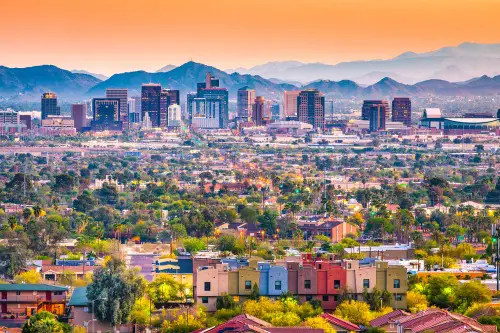
Phoenix has positioned itself as a low-cost alternative for growth-minded workers. Housing affordability has deteriorated rapidly in recent years. Many incoming jobs are in lower-wage or support roles. Salaries haven’t kept pace with inflation and rent increases.
Water scarcity and extreme heat pose long-term challenges. Infrastructure expansion has been uneven. Career ladders can be short in many industries. Phoenix’s opportunity pitch hasn’t fully adjusted to its new realities.
13. Portland, Oregon
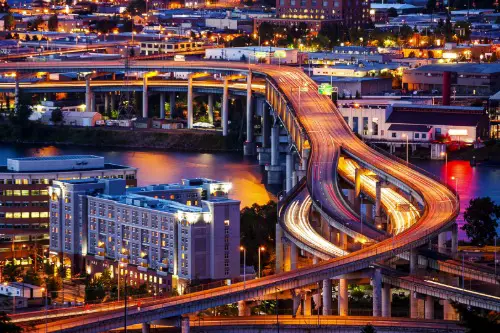
Portland markets creativity, sustainability, and small-business friendliness. The job market is relatively small for a city with rising costs. Many professional roles are limited in number and slow to turn over. Wages often lag behind housing prices.
Recent social and economic disruptions affected downtown vitality. Small businesses face regulatory and cost pressures. Advancement can require moving to a larger market. Portland’s promise of accessible opportunity often falls short.
14. Washington, D.C.

Washington, D.C. sells itself as a place where policy and ambition intersect. Many jobs are tied to government or contracting cycles. Advancement can depend heavily on credentials and clearances. This narrows access for newcomers.
The cost of living is high relative to many public-sector salaries. Networking often outweighs performance in career progression. Private-sector diversity is limited compared to other large cities. D.C. offers opportunity, but within a tightly controlled ecosystem.
15. Boston, Massachusetts
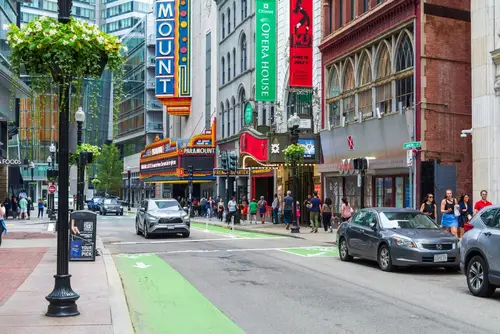
Boston markets world-class education as a pipeline to success. Many graduates find the local job market saturated with equally credentialed peers. Housing costs are among the highest in the country. Entry-level wages often fail to reflect that reality.
Industries like biotech and healthcare are strong but specialized. Career mobility can be slow outside those sectors. The city’s opportunity story assumes institutional access not everyone has. Boston delivers excellence, but not the broad opportunity its reputation suggests.
This post 15 Cities That Market Opportunity Better Than They Deliver It was first published on American Charm.