
1. Sacramento, California
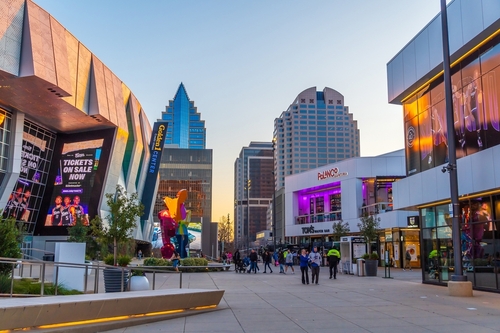
Sacramento has tree-lined streets and a slower pace than many California cities. Neighborhoods around Capitol Park feel calm, with historic buildings and shaded sidewalks. The city’s role as California’s capital adds importance but not always intensity. At least that’s how it feels outside commuting hours.
Rush hour tells a different story as workers travel between Sacramento and surrounding suburbs. Highways like Interstate 80 and U.S. Route 50 become crowded with drivers heading toward downtown. Many commuters also travel to and from the San Francisco Bay Area. The result is traffic that can feel surprisingly heavy for a city that otherwise seems mellow.
2. Austin, Texas
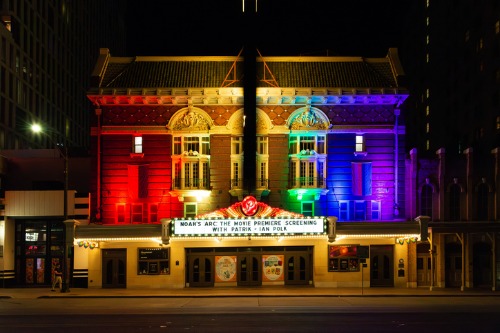
Austin is known for its laid-back culture, live music, and lakeside trails. Spend a quiet afternoon around Zilker Park or strolling along South Congress Avenue and it can feel more like a relaxed college town than a booming metro area. The city’s friendly pace is part of its charm. Visitors often assume traffic will match that easygoing vibe.
Then rush hour arrives and the mood changes quickly. Interstate 35 slices straight through the city and becomes one of the most congested stretches of highway in Texas. Rapid population growth and limited east-west crossings over Colorado River funnel cars into a few crowded corridors. What felt like a breezy afternoon suddenly turns into a slow crawl across town.
3. Denver, Colorado
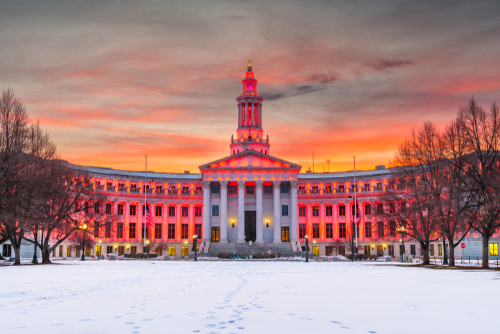
With the Rocky Mountains rising in the distance, Denver often looks calm and spacious. Many neighborhoods have wide streets, big skies, and a relaxed outdoor culture. Spend a morning walking around Washington Park and it’s easy to believe the city moves at a gentle pace. The quiet atmosphere can be a little misleading once the workday begins.
Commuters from fast-growing suburbs pour into the city each morning. Highways like Interstate 25 and Interstate 70 become packed with traffic heading toward downtown and the Denver Tech Center. Snowstorms or mountain-bound travelers can make the situation even worse. A drive that seems simple on a map can easily double in time during peak hours.
4. Nashville, Tennessee
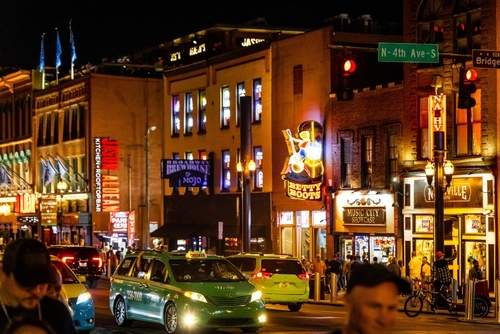
Nashville gives off a friendly, relaxed vibe with its music venues and walkable downtown streets. Stroll near Broadway during the day and you might hear guitars drifting out of honky-tonks while tourists wander between bars. The city feels lively but not overwhelming. That calm feeling fades quickly when commuters hit the roads.
The metro area has grown rapidly, but its highway system hasn’t expanded at the same pace. Routes like Interstate 24 and Interstate 40 funnel drivers toward downtown and create daily slowdowns. Several interchanges stack traffic from different directions into the same lanes. By late afternoon, even short trips can turn into stop-and-go frustration.
5. Portland, Oregon
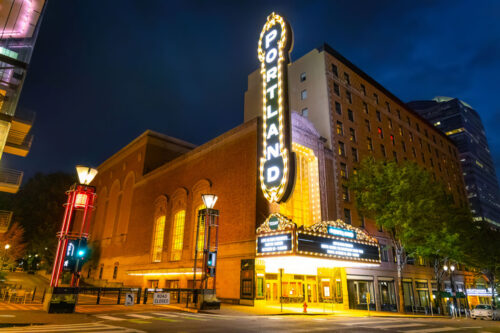
At first glance, Portland feels like a peaceful Pacific Northwest escape. Tree-lined neighborhoods, coffee shops, and bike lanes make many parts of the city feel relaxed and neighborly. Spend time in places like Forest Park or the Pearl District and the pace seems unhurried. It’s easy to forget that the region still relies heavily on a few key highways.
Rush hour funnels drivers into tight corridors crossing the Willamette River. Bridges and routes like Interstate 5 and U.S. Route 26 become especially congested. Commuters from suburbs such as Beaverton and Gresham all converge on the same crossings. Suddenly that mellow city atmosphere feels a lot more tense.
6. San Diego, California
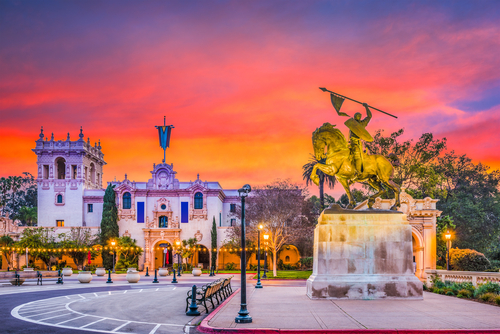
With its beaches and sunny weather, San Diego often feels more like a giant vacation town than a busy city. Walk along La Jolla Cove or spend the afternoon in Balboa Park and everything seems calm. Ocean breezes and palm trees help keep the mood relaxed. The roads tell a different story once commuters leave work.
Major arteries like Interstate 5 and Interstate 805 fill with drivers heading north and south through the metro area. Military bases, universities, and suburban communities all feed into the same routes. Even short distances along the coast can become slow during peak hours. That beachy calm quickly disappears behind a wall of traffic.
7. Minneapolis, Minnesota
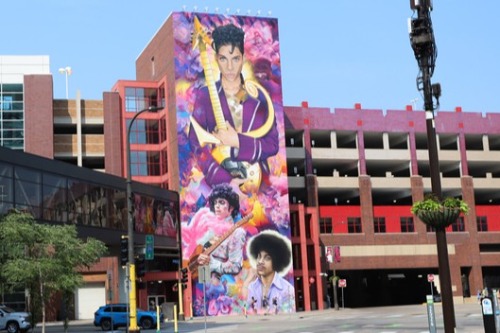
Minneapolis is known for its lakes, parks, and surprisingly peaceful neighborhoods. Spend a quiet afternoon around Lake Harriet or the Mississippi River waterfront and the city feels almost serene. The skyline rises above tree canopies rather than endless sprawl. It can seem like a place where traffic shouldn’t be much of a problem.
Rush hour proves otherwise, especially during the long winter months. Highways such as Interstate 94 and Interstate 35W carry commuters across the Twin Cities metro area. Snow and icy conditions often slow things down even more. What felt calm by the lakes turns hectic once everyone heads home.
8. Charlotte, North Carolina
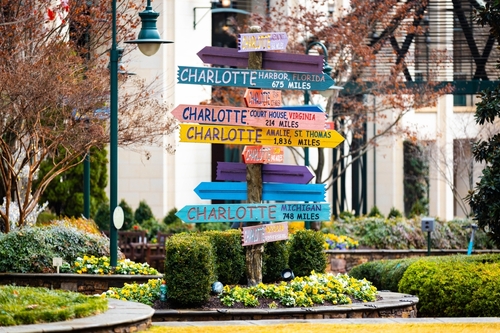
Charlotte has leafy suburbs and quiet residential streets that give it a relaxed Southern feel. Walk through neighborhoods near Freedom Park and you might see joggers, families, and plenty of shade trees. The skyline is modest compared to larger metros. Yet Charlotte’s growth has been anything but slow.
Every weekday morning, commuters pour into the banking district known as Uptown Charlotte. Major routes like Interstate 77 and Interstate 85 quickly become packed. Suburban expansion means more people are driving longer distances to work. The result is a rush hour that feels much bigger than the city’s relaxed image suggests.
9. Salt Lake City, Utah
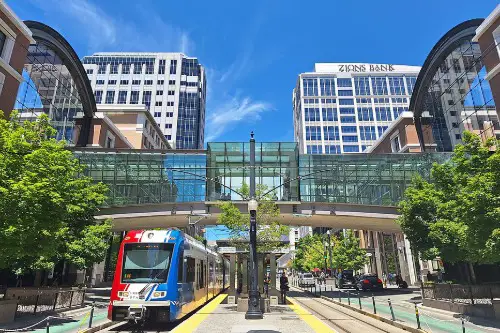
Surrounded by mountains, Salt Lake City looks calm and spacious at first glance. The dramatic backdrop of the Wasatch Range gives the city a peaceful, almost postcard-like feel. Neighborhoods often feel quiet and residential. But geography plays a big role in what happens when commuters hit the road.
The metro area sits in a narrow valley that funnels traffic along a few main routes. Highways like Interstate 15 become crowded as drivers move between Salt Lake City and suburbs stretching north and south. Rapid population growth has added even more cars to the mix. When rush hour begins, that wide-open feeling disappears fast.
10. Raleigh, North Carolina
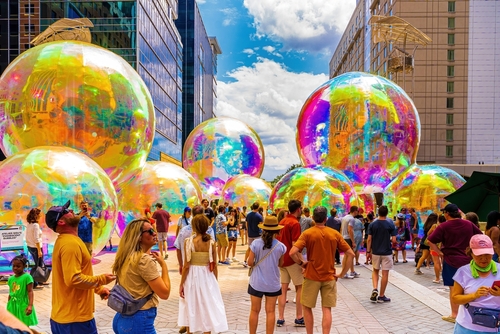
Raleigh often feels calm thanks to its tree-filled neighborhoods and university atmosphere. Spend time walking near North Carolina State University or exploring local parks and the pace seems easygoing. The city spreads out across leafy suburbs rather than dense urban blocks. That layout is pleasant, but it also means people rely heavily on their cars.
As workers travel across the Research Triangle, traffic quickly builds. Major routes like Interstate 40 and Interstate 440 handle large commuter flows between Raleigh, Durham, and surrounding suburbs. The region’s tech and research growth has added thousands of daily drivers. During peak hours, those quiet streets feed into some very crowded highways.
11. Tampa, Florida
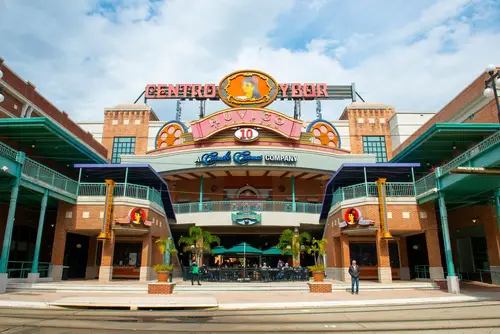
Tampa feels breezy and relaxed thanks to its waterfront views and palm-lined streets. Spend a morning along the Tampa Riverwalk and the city seems almost leisurely. Boats move slowly across Tampa Bay while pedestrians wander between parks and cafés. But commuting in and around the bay is a different experience entirely.
Drivers from surrounding communities funnel into a handful of major highways. Routes like Interstate 275 and Interstate 4 can become packed during rush hour. Bridges and causeways across the bay add more bottlenecks. By late afternoon, traffic often crawls through parts of the metro area.
12. Boise, Idaho
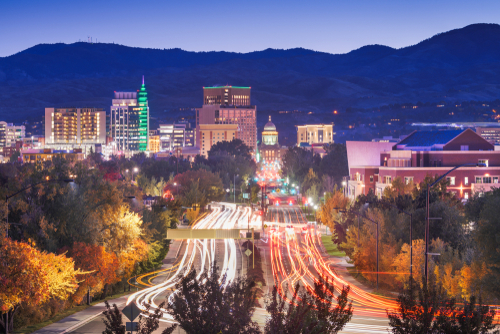
Boise is often praised for its small-city charm and relaxed outdoor lifestyle. Spend time walking the Boise River Greenbelt and you’ll see cyclists, joggers, and families enjoying the scenery. The skyline is modest, and the atmosphere usually feels easygoing. Yet the region has been growing quickly in recent years.
That growth shows up most clearly during commute times. Highways like Interstate 84 handle a large share of the region’s traffic. As more residents move to suburbs in the Treasure Valley, morning and evening drives have become noticeably slower. For a city that feels quiet most of the day, rush hour can come as a surprise.
13. Seattle, Washington
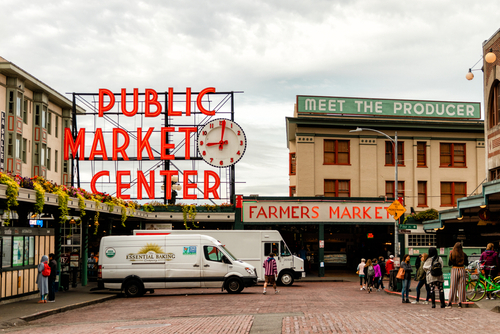
At first glance, Seattle feels calm and almost meditative. The water, the mountains, and the evergreen trees make many neighborhoods feel more like quiet coastal towns than a major tech hub. Walk around areas like Ballard or Green Lake during the day and it can feel surprisingly relaxed for a big city. But that peaceful vibe hides one of the country’s most stubborn commuting headaches.
Rush hour squeezes thousands of drivers onto a limited number of major routes. Interstate 5 and State Route 520 often clog as commuters move between Seattle and the Eastside tech centers like Bellevue and Redmond. Bridges over Lake Washington become major choke points because there simply aren’t many alternatives. When the workday ends, those scenic views come with brake lights stretching for miles.
14. Pittsburgh, Pennsylvania
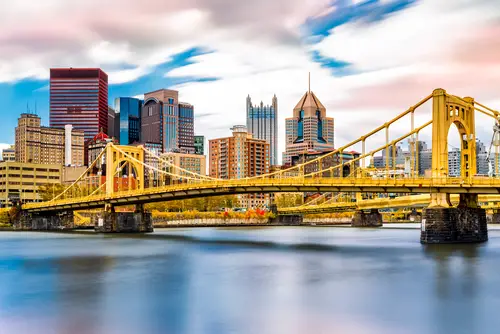
With its hills, rivers, and historic neighborhoods, Pittsburgh often feels quieter than many cities its size. Scenic views from places like Mount Washington make the skyline look calm and picturesque. The city’s bridges and winding streets add character. They also add complexity once thousands of commuters head to work.
Traffic funnels through narrow valleys and across multiple rivers. Major routes such as Interstate 376 and Interstate 279 handle large commuter volumes each day. With so many bridges and tunnels, even small slowdowns can ripple through the network. That peaceful riverfront setting quickly fills with honking cars and glowing brake lights.
This post Cities That Look Peaceful — Until Rush Hour Hits was first published on American Charm.

