1. Cleveland, Ohio
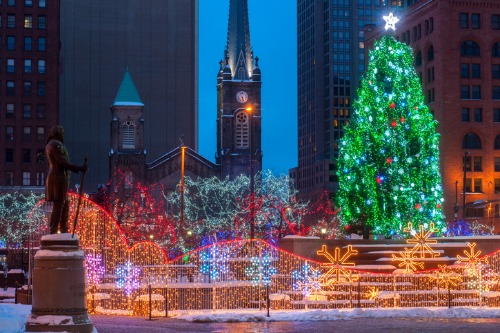
Cleveland’s population has dipped but the city still feels like a hub of activity thanks to its waterfront, sports culture, and arts scene. You can catch a game, walk the revitalized downtown, or visit galleries without feeling like you’re in an empty place. Innovation districts and food incubators help keep young professionals engaged. So while demographics show a gradual decline, the city’s community life stays buoyant.
The Lake Erie shoreline brings families out in summer, and local festivals give the city year‑round appeal. Playhouse Square hosts theatre nights and concerts that pack crowds. Neighborhood markets and pop‑up events add to civic energy. Those experiences make Cleveland feel lively in a way that raw numbers don’t capture.
2. New York City, New York
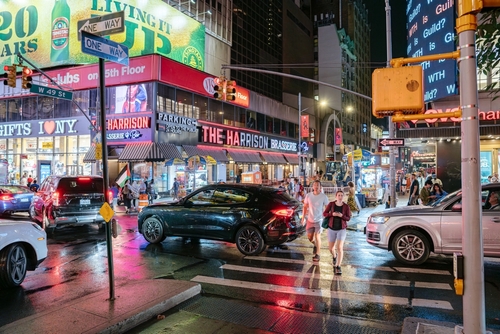
There’s a paradox at play in the Big Apple: it still pulses with energy—from Broadway to buzzing neighborhoods—yet the city has seen residents head elsewhere in recent years. Its high cost of living, sky‑high rents, and remote work options have nudged many to look at more affordable metros. Despite this, culture, food scenes, and career draws keep the streets full of life and incoming graduates. So it feels lively even if its net population isn’t booming.
New York’s loss isn’t a silent decline but one where the city’s reputation and amenities still pull visitors and new arrivals. It’s common to see long metro queues and packed parks while locals debate sky‑high rents over coffee. The art and nightlife scene refuses to quiet down, drawing creatives from around the world. Its ongoing cultural centrality makes it one of the most interesting shrinking cities.
3. San Francisco, California
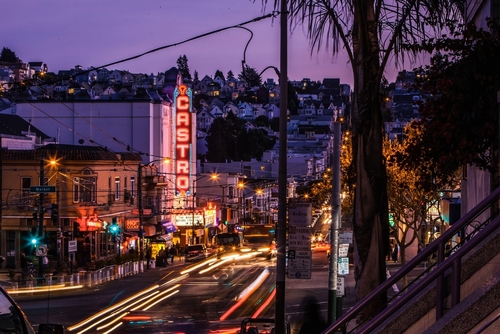
San Francisco’s hills and harbor views make it feel perpetually lively, from Saturday farmers’ markets to restaurants packed with tourists. Yet it has been shedding residents as housing costs and living expenses push people toward more affordable California cities or out of state. Tech layoffs and remote work have also contributed to out‑migration. Still, its festivals, culinary innovation, and iconic spaces feel anything but sleepy.
You can stroll through constantly changing neighborhoods, explore tech meetups, or catch improv shows any night of the week. The Golden Gate Bridge, streetcars, and buzzing waterfronts are magnets for both locals and visitors. That dichotomy—energetic city life paired with a slight population dip—makes San Francisco fascinating. And even with fewer long‑term residents, the vibe remains robust.
4. Philadelphia, Pennsylvania
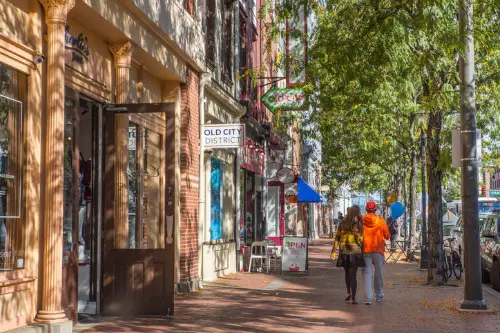
Philadelphia may have seen a modest population dip in recent cycles, yet its historic core crackles with activity. Between cheesesteaks and animated debates about murals or cheesesteaks (yes, both), Philly’s streets feel busy. Young professionals and creatives still choose Center City for its neighborhoods and lower costs compared with some coastal rivals. Meanwhile, history buffs and tourists keep Old City bustling year‑round.
From the Italian Market on weekends to festivals in Fairmount Park, Philly keeps offering reasons to explore. Its arts scene and restaurant scene have been getting a lot of attention even as residents weigh moving out for suburbs or cheaper towns. That local pride and nonstop calendar of events help the city feel lively. It’s gritty in all the right ways and refuses to feel empty.
5. Detroit, Michigan
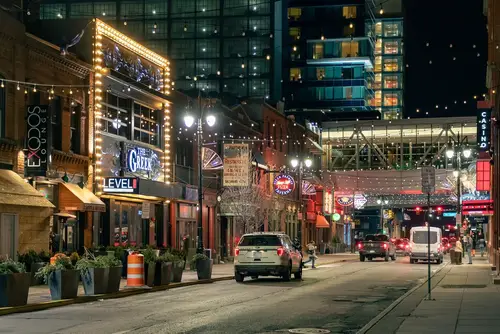
Detroit’s overall population dropped for decades, but everywhere you go in its core, there’s a palpable energy. Sidewalk cafes, repurposed art spaces, and a growing food scene give downtown areas a hip vibe. Revitalization efforts have brought new investment, while music and cultural heritage help keep local scenes vibrant. Even with a long history of decline, people talk about Detroit like a city reinventing itself.
There are jazz clubs, graphic murals, and renovated historic buildings that suggest a city rediscovering its groove. Tech startups and design shops have been opening where old factories once stood. The local community scenes in neighborhoods like Corktown feel energetic and rooted in the city’s identity. That makes Detroit feel dynamic even if census figures show a long‑term population decline.
6. Baltimore, Maryland
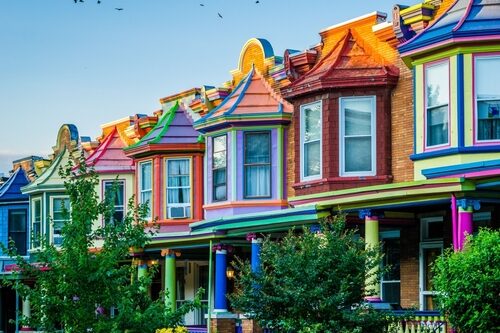
Baltimore’s population shrank steadily for decades, yet its vibrant waterfront, historic districts, and food culture keep it lively. You can wander markets, see live jazz, or enjoy crab shacks and brewpubs downtown. University communities and creative types help keep parts of the city buzzing. So while fewer people may call it home now than in the past, its energy doesn’t reflect a quiet place.
The Inner Harbor still draws families and tourists, and neighborhoods like Fells Point buzz with bars and pubs late into the night. Street art and festivals add color to community life, and local performance venues welcome diverse crowds. There’s a social fabric that keeps Baltimore feeling urban and full of stories. That makes it an exciting city to watch even amid demographic shifts.
7. St. Louis, Missouri
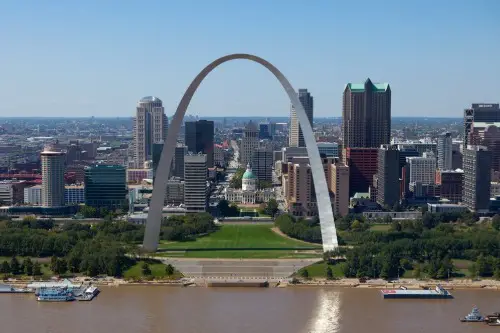
St. Louis has seen its numbers decline for decades, but it still hums with cultural energy. Forest Park hosts concerts and museums, and neighborhoods like The Grove thrive with nightlife and dining. There’s a palpable sense of history in the arches, brewpubs, and jazz clubs—but also room for new life with festivals and young entrepreneurs. That blend of past and present gives St. Louis that lively feel.
Walkable districts like Soulard and Central West End bring locals and visitors together for weekend gatherings and events. Street festivals, local art shows, and music venues pack calendars year‑round. Even with a smaller residential base than in the past, the city refuses to feel abandoned. It’s a place where you can feel the city’s pulse on any given night.
8. Portland, Oregon
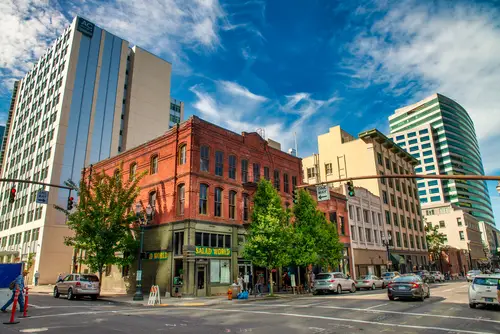
Portland’s quirky culture and vibrant public life make it feel alive even as it’s experienced a plateau or slight decline in residents in recent years. You’ll see food carts buzzing near parks, live music on weekend nights, and bike traffic moving through downtown. Cost pressures and job shifts have encouraged some to move elsewhere, but the city’s cafe culture and creative spirit keep things moving. It’s a place that’s constantly experimenting and reinventing itself.
Locals still talk passionately about microbreweries and indie bookstores, and events like First Thursday keep neighborhoods energetic. Despite out‑migration trends, the city still attracts artists and young professionals drawn to its ethos. Urban gardens, riverfront paths, and vibrant nightlife make Portland feel anything but empty. That contrast between demography and vibe is part of its unique charm.
9. Memphis, Tennessee
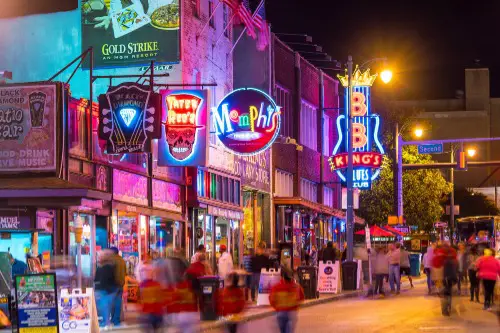
Historic music venues, riverfront parks, and a strong cultural heritage make Memphis feel alive even as parts of the city have lost residents to suburbs or other metros. Blues clubs on Beale Street keep nightly crowds, and FedExForum events bring people together regularly. Younger families and creatives still cling to a lower cost of living and vibrant social scene. That makes Memphis feel dynamic even while some long‑time residents choose different areas.
Food festivals and community markets fill weekend schedules, and the local creative community keeps pushing new art and music. The city’s roots in rock ’n’ roll and soul music give it a cultural weight that never quiets down. Even with a slower population trend, Memphis feels like a place full of life and possibility. Visitors and locals alike can sense that energy when they arrive.
10. Chicago, Illinois
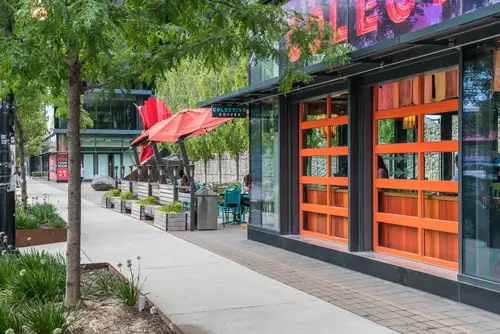
Chicago still feels lively with its deep‑dish pizzas, blues clubs, skyline views, and lakefront beaches every summer. But the city has hovered around flat or slightly declining population figures as some residents relocate to suburbs or other states seeking lower living costs. High taxes and cost pressures have been cited as reasons people head out while tourists and college students keep downtown busy. The Windy City’s arts, sports, and music scenes refuse to go quiet.
Even with out‑migration trends, neighborhoods like Wicker Park and Logan Square buzz with DJs, boutiques, and cultural events. Millennium Park concerts draw crowds year‑round, and food festivals keep people engaged. That sense of perpetual motion—the sense that something’s always happening—is why Chicago feels alive. It’s a city where energy doesn’t match simple population numbers.
11. New Orleans, Louisiana
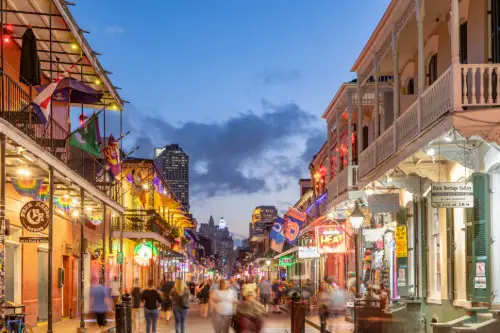
Even if New Orleans’ population hasn’t rebounded to pre‑Katrina levels, its spirit and festivities are legendary. From jazz clubs in the French Quarter to second‑line parades and Mardi Gras, there’s always something happening. People come from around the globe to experience its food, music, and distinctive neighborhoods. That cultural magnetism keeps the city buzzing even without huge population gains.
Every street corner seems to have a story, and live music flows at all hours. Local artists and chefs continue to innovate, making the city feel eternally fresh. Despite demographic challenges, New Orleans’ energy remains undeniable and infectious. This contrast between a shrinking residential base and lively cultural scene is uniquely its own.
12. San Jose, California
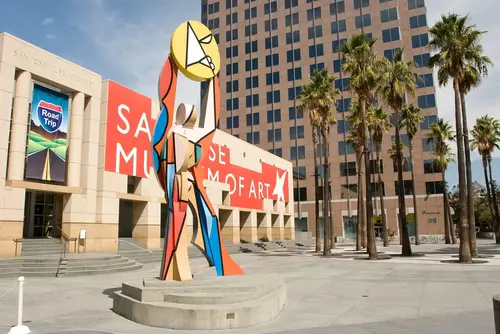
San Jose doesn’t feel small—tech campuses, bustling shopping districts, and diverse communities make it feel vibrant. But it’s one of the few U.S. cities that recently saw a decline in total residents, partly due to high housing costs pushing people outward. Still, startups, international cuisine, and cultural festivals keep it active. It’s a place where innovation meets urban life.
Tech events and meetups add to the buzz, and downtown public spaces host regular happenings. Young professionals and families mingle in parks and cafes alike. Despite demographic dips, the area’s economic and social rhythms make it feel alive. San Jose may be smaller than it used to be, but it still packs a lot of life into its streets.
13. Buffalo, New York
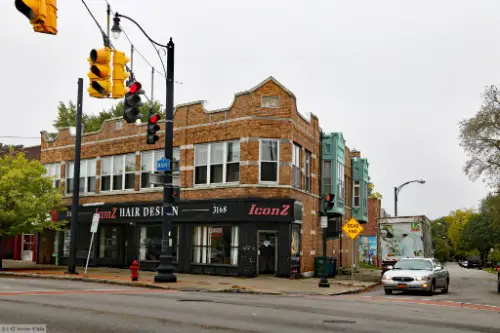
Buffalo might surprise you: its winters are intense, but its community festivals, revived waterfront, and architectural gems make it feel lively. The city’s population has experienced ebbing numbers over time, yet it’s been gaining attention for arts, dining, and affordable living. Young creatives and entrepreneurs have moved in to take advantage of cheaper real estate and local culture. As a result, Buffalo feels active and connected.
North Park and Elmwood Village bring local businesses to life, while concerts and street fairs fill weekends. The revitalized waterfront and parks make for vibrant public spaces. That sense of momentum helps Buffalo feel vibrant even without the rapid growth seen elsewhere. Its community pride and cultural events make it feel anything but quiet.
14. Milwaukee, Wisconsin
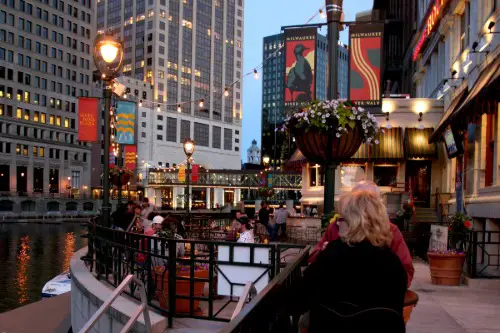
Milwaukee’s lakeside location, brewery culture, and summer festivals make it a lively city even though its population hasn’t been growing quickly. Events like Summerfest draw huge crowds, and local neighborhoods boast active art and music scenes. Meanwhile, attempts to diversify the economy and boost housing have kept people engaged with the city core. This tension between calm demographic trends and energetic community life makes Milwaukee interesting.
Locals gather at outdoor markets, breweries, and festivals that span seasons. The waterfront and parks keep the city feeling open and bustling. Even if population figures plateau, there’s a social pulse you can feel. Milwaukee manages to seem larger and busier than the census sometimes suggests.
15. Pittsburgh, Pennsylvania
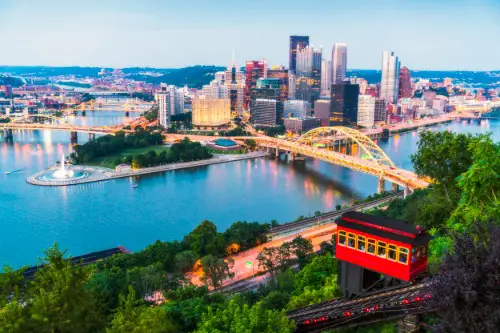
Like others on this list, Pittsburgh’s population has been relatively flat or slightly declining, but its universities, tech growth, and cultural venues make it feel alive. Neighborhoods like Lawrenceville and the Strip District are packed with cafes, galleries, and boutiques. Sports, theatre, and public markets give the city a packed calendar. That makes Pittsburgh feel more dynamic than raw numbers would imply.
The riverside trails and skyline views give it a scenic vibrancy that locals and visitors enjoy. From music festivals to art walks, there’s always something happening around town. The city’s transformation from heavy industry to education and tech hubs helps keep its culture moving. Pittsburgh’s lively spirit stands in contrast to its modest demographic trends.
This post 15 Cities That Look Lively—But Are Slowly Emptying was first published on American Charm.