
1. Tampa

Tampa attracts newcomers with Florida’s lack of a state income tax. Compared with cities in the Northeast, home prices can initially seem moderate. The metro’s job growth and waterfront lifestyle add to the appeal. It is easy to assume your housing dollar will stretch further here.
Homeowners insurance premiums in Florida have risen sharply in recent years due to storm risk and insurer pullbacks. Flood insurance can be an added expense in many neighborhoods, even outside the highest-risk zones. Property taxes and homeowners association fees can surprise first-time buyers. By the time you budget for storm preparedness and rising utility costs, affordability feels less certain.
2. Austin

Austin often looks like a relative deal compared with coastal tech hubs. Texas has no state income tax, which makes paychecks seem bigger at first glance. Job listings in tech and government are plentiful, drawing newcomers every year. But that headline affordability can fade quickly once you start pricing neighborhoods close to downtown.
Median home prices have climbed sharply over the past decade, even with some recent cooling from peak pandemic highs. Property taxes in Texas are among the highest in the country, which can significantly increase monthly housing costs. Car dependence means budgeting for gas, toll roads, and rising auto insurance premiums. By the time you add summer utility bills from relentless heat, the “deal” can look a lot less sweet.
3. Nashville

Nashville markets itself as a lower-cost creative hub compared with coastal cities. There is no state income tax on wages in Tennessee, which initially boosts take-home pay. A booming healthcare sector and a thriving music and tourism industry keep the job market active. On paper, that combination makes it seem like a bargain for young professionals.
Home prices have surged over the past several years as transplants continue to arrive. Tourism-driven demand has also tightened rental inventory in popular neighborhoods. Tennessee has one of the highest combined state and local sales tax rates in the country, adding more to everyday purchases. When you factor in rising property taxes and insurance costs, monthly expenses can rival bigger cities.
4. Denver

Denver often appears cheaper than coastal tech hubs like San Francisco or Seattle. Colorado’s flat state income tax can feel manageable compared with higher brackets elsewhere. The city’s outdoor lifestyle and strong job market attract steady in-migration. At first glance, housing listings may even look reasonable compared to California prices.
However, median home prices in the metro area have climbed substantially over the past decade. Rapid population growth has kept rent prices elevated, especially near downtown and light rail lines. Property taxes have been rising as home values increase and local funding needs shift. Add in higher-than-average grocery costs and winter heating bills, and the math changes quickly.
5. Phoenix

Phoenix is frequently promoted as an affordable alternative to Los Angeles. Arizona’s cost of living historically undercut many West Coast metros. Sprawling development means you can still find newer homes at prices that seem approachable. For remote workers fleeing California prices, it can look like a financial reset.
Yet housing costs rose dramatically during the pandemic migration wave and remain elevated compared to historical norms. Skyrocketing summer electricity bills are common due to extreme heat and constant air conditioning. Water rates and long-term drought management efforts add infrastructure-related costs. When you combine higher insurance premiums and car expenses in a spread-out metro, the savings narrow fast.
6. Charlotte
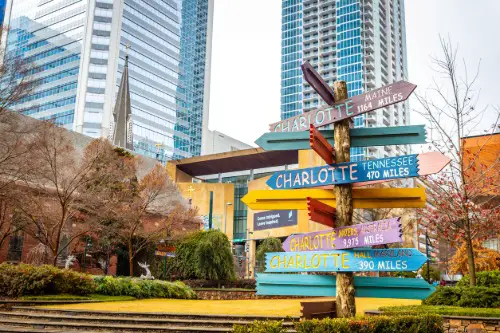
Charlotte is often described as a more affordable banking hub than New York or Chicago. North Carolina’s historically moderate housing prices have long been part of its selling point. The city’s rapid job growth continues to attract corporate relocations. On listing sites, you may still spot homes that look like solid deals.
However, prices have climbed as population growth strains available inventory. New construction in outlying areas can mean long commutes and higher transportation costs. Property taxes may be lower than in some states, but rising assessments are changing that equation. Factor in higher car insurance rates and expanding toll roads, and monthly costs edge upward.
7. Boise

Boise gained national attention as a once-affordable mountain city. Idaho’s lower population density and scenic setting drew remote workers in large numbers. For years, median home prices trailed far behind West Coast markets. That reputation still lingers in many relocation guides.
In reality, Boise experienced some of the fastest home price growth in the country in the early 2020s. Limited inventory and sustained demand pushed values to levels that surprised longtime residents. Local wage growth has not consistently kept pace with housing appreciation. When you account for higher home prices and limited public transit, the affordability story shifts.
8. Salt Lake City

Salt Lake City often appears affordable compared with Denver or Seattle. Utah’s strong job growth and relatively young population keep the economy dynamic. Outdoor access and a compact downtown add to its appeal. Median home prices can still look moderate next to coastal markets.
But the region has seen steady appreciation that has outpaced income growth. Winter inversions can worsen air quality, leading some residents to invest in air filtration systems. Ongoing water scarcity challenges require infrastructure investments that can influence utility costs. As housing demand remains high, rents and property values continue to pressure household budgets.
9. Raleigh
Raleigh is frequently praised as a comparatively affordable tech and research hub. The presence of Research Triangle Park supports a strong employment base. North Carolina’s overall cost of living often ranks below the national average. Those metrics make relocation packages look especially attractive.
However, rapid growth has driven up home prices across Wake County. Competitive bidding has become common in desirable neighborhoods. Property taxes may be reasonable, but rising insurance and utility costs add up. When you include commuting expenses from suburban developments, the budget can tighten quickly.
10. Orlando

Orlando is often associated with tourism jobs and relatively attainable housing. Florida’s lack of a state income tax gives it a financial edge on paper. The metro area has diversified beyond theme parks into healthcare and tech. At first glance, it can feel like a lower-cost Sun Belt option.
Insurance costs, especially homeowners coverage, have climbed statewide. Wages in tourism-heavy sectors may not keep pace with rising rents and home prices. Traffic congestion can increase commuting time and transportation expenses. Add in high summer cooling bills, and monthly costs can stretch further than expected.
11. Atlanta

Atlanta often looks affordable compared with Northeastern or West Coast cities. Georgia’s housing costs have historically been moderate for a major metro. A diverse economy spanning film, logistics, and corporate headquarters draws steady newcomers. Listing prices in some suburbs still appear reasonable at first glance.
Yet home prices in many desirable neighborhoods have risen significantly over the past decade. Urban sprawl can mean long commutes and higher fuel expenses. Property taxes vary by county and can be higher than newcomers anticipate. When you account for rising rents and transportation costs, overall expenses add up quickly.
12. Dallas

Dallas promotes itself as a business-friendly, lower-cost alternative to coastal metros. Like the rest of Texas, it has no state income tax, which initially boosts take-home pay. The region’s strong corporate presence supports job growth across industries. At first glance, housing inventory can look plentiful and comparatively affordable.
Texas property taxes are among the highest in the nation, which can significantly increase annual housing costs. Rapid population growth has driven up home values in many suburbs. Hot summers mean consistently high electricity usage for air conditioning. When you combine property taxes, insurance, and transportation in a sprawling metro, costs climb fast.
13. Las Vegas

Las Vegas is often seen as an affordable desert city with no state income tax. Nevada’s tax structure can make paychecks look larger compared with high-tax states. Housing prices have historically been lower than in California. That combination draws many newcomers from the West Coast.
However, home prices have risen substantially in recent years due to strong in-migration. The economy’s heavy reliance on hospitality and tourism can create income volatility. Extreme summer heat drives up electricity bills for months at a time. Higher auto insurance rates and water management costs further narrow the affordability gap.
14. Charleston
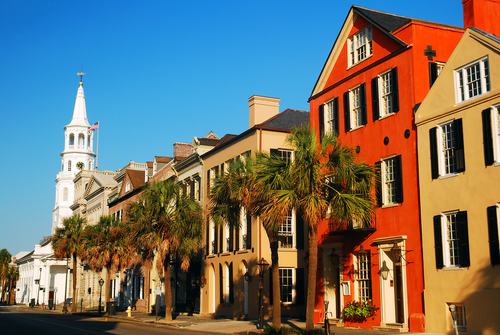
Charleston often feels like a charming, smaller alternative to larger Southern metros. South Carolina’s overall cost of living can appear moderate in national rankings. The city’s historic appeal and coastal setting draw both retirees and remote workers. Real estate listings outside the historic district may initially seem attainable.
But strong demand and limited inventory have pushed home prices upward in recent years. Coastal flood risk can require additional insurance coverage. Tourism-driven popularity has tightened rental supply in walkable areas. Once you factor in rising property values and insurance premiums, the budget can look very different than expected.
This post Cities That Look Affordable — Until You Calculate the Real Costs was first published on American Charm.

