1. New York City, NY
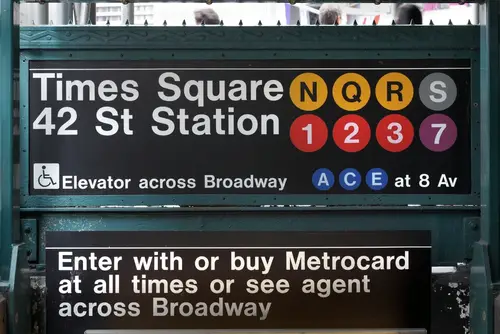
New York City remains an economic powerhouse, but it is carrying significant financial weight. Public transit systems need sustained funding after fare revenue losses earlier in the decade. Office usage has not fully rebounded, which affects property tax growth. Those dynamics make budgeting more fragile than it appears from the outside.
The cost of living continues to ripple through the workforce. Housing shortages affect teachers, nurses, and city employees who increasingly live farther away. Climate adaptation projects, especially around flooding and coastal protection, demand large investments. The city is strong, but it is operating with little slack.
2. San Francisco, CA

San Francisco still feels stretched by the collision of high costs and uneven recovery. Office vacancy remains elevated after years of remote work, which continues to pressure commercial tax revenue. At the same time, the city is carrying long-term obligations tied to pensions, transit, and homelessness services. That mismatch makes it feel like the city is doing a lot with less margin for error than it used to have.
Housing is the most obvious stress point for residents. Rents and home prices remain among the highest in the country, even after some cooling. Many middle-income workers are either leaving or commuting long distances, which strains regional transportation systems. The city’s ambition hasn’t shrunk, but its capacity to pay for it feels tighter heading into 2026.
3. Los Angeles, CA
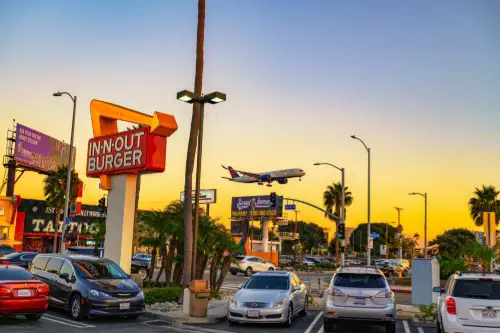
Los Angeles is overextended largely because of its sheer scale. The city manages enormous infrastructure needs, from roads and bridges to water and power systems, across a vast area. Major capital projects tied to global events have accelerated timelines and costs. All of this is happening while budget trade-offs remain politically difficult.
Housing and homelessness are constant pressure points. Billions have been allocated to housing production and services, yet visible progress feels slow relative to demand. Climate-related risks like wildfires and heat waves add recurring costs. LA feels like it is perpetually balancing immediate crises with long-term planning.
4. Chicago, IL
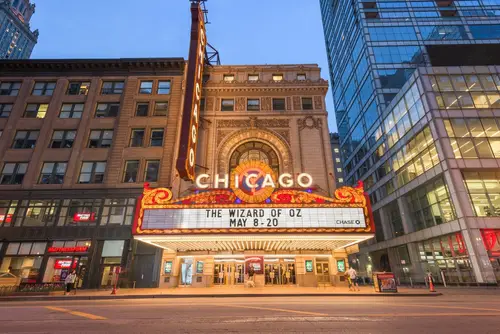
Chicago’s sense of overextension is rooted in long-term fiscal constraints. Pension obligations consume a large share of the city’s budget each year. That leaves limited flexibility for new initiatives or unexpected costs. Even in stable economic periods, financial planning feels tight.
Population loss in certain neighborhoods complicates the picture. Infrastructure and services still need to be maintained despite a shrinking tax base in those areas. Transit funding and public safety remain ongoing challenges. The city feels pulled between reinvestment and basic maintenance.
5. Austin, TX
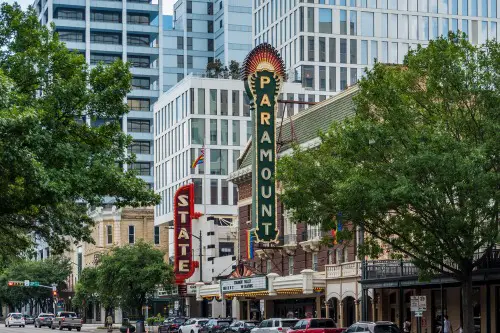
Austin’s growth has been both its strength and its strain. Rapid population increases have stressed roads, utilities, and schools. The city has struggled to expand infrastructure at the same pace as development. That gap is becoming more visible as growth continues.
Housing affordability has shifted dramatically in a short time. Prices and rents surged faster than local wages for many workers. Transportation congestion and water planning are increasingly urgent issues. Austin feels like a city still catching up to its own success.
6. Phoenix, AZ

Phoenix faces mounting pressure from sustained population growth. Roads, public transit, and water systems are under constant expansion demands. The city’s spread-out development pattern makes infrastructure particularly expensive. Planning ahead feels harder as growth keeps pushing outward.
Water security is the defining long-term concern. Dependence on the Colorado River creates uncertainty for future development. Extreme heat also raises public health and energy costs. Phoenix feels stretched trying to grow responsibly in a harsher climate reality.
7. Seattle, WA
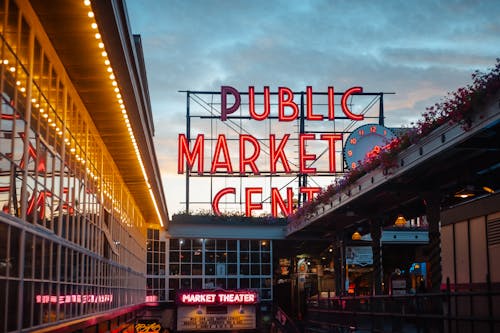
Seattle continues to feel the aftereffects of rapid expansion. Major investments in transit and housing are underway, but costs remain high. The city is balancing ambitious climate and social goals with fiscal realities. That balance is increasingly delicate.
Housing affordability remains a major stressor. High prices push workers into long commutes, straining regional transportation. Office market softness affects downtown vitality and tax revenue. Seattle feels like it is recalibrating after a decade of hypergrowth.
8. Denver, CO
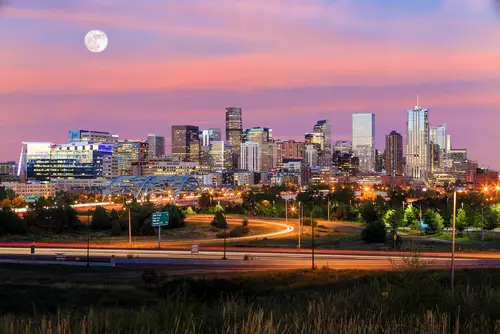
Denver’s overextension comes from fast growth meeting limited infrastructure. Roads, transit, and housing supply have struggled to keep pace with newcomers. The city’s popularity has driven up costs quickly. That creates pressure on both residents and local government.
Housing affordability has become a defining issue. Many service workers are priced out of the city core. Water management and wildfire risk add long-term planning challenges. Denver feels stretched between being a regional hub and staying livable.
9. Miami, FL
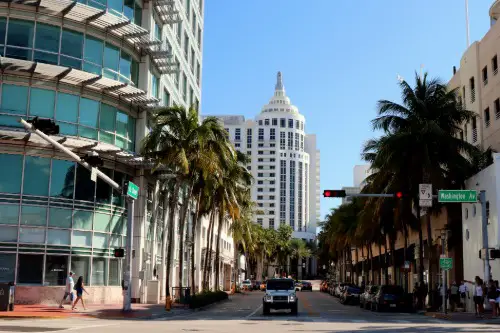
Miami’s growth and climate exposure create a unique strain. Infrastructure investments are increasingly tied to flood mitigation and sea-level rise. Those projects are costly and ongoing. The city has little choice but to keep spending.
Housing demand has surged as new residents arrive. Prices have risen faster than local incomes in many neighborhoods. Insurance costs and climate risks affect both residents and municipal planning. Miami feels overextended by forces largely beyond its control.
10. Dallas, TX
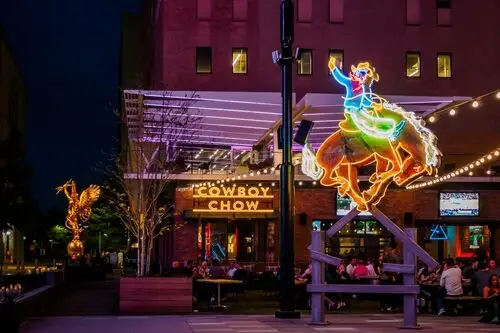
Dallas continues to grow, but expansion comes with trade-offs. Infrastructure maintenance across a wide metro area is expensive. Traffic congestion reflects years of car-focused development. The city is now paying for past planning decisions.
Housing remains more affordable than some peers, but prices have climbed. Property tax pressures are a growing concern for residents. Extreme heat drives energy and public health costs. Dallas feels stretched trying to sustain growth without overburdening services.
11. Atlanta, GA
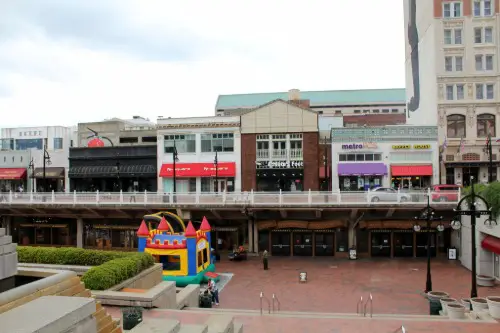
Atlanta’s regional growth has outpaced its infrastructure. Traffic congestion remains a daily indicator of strain. Transit expansion has been slower than population growth. That mismatch affects productivity and quality of life.
Housing affordability varies widely across the metro area. Sprawl increases transportation and environmental costs. Water management and aging infrastructure add to long-term concerns. Atlanta feels like it is managing growth reactively rather than proactively.
12. Boston, MA
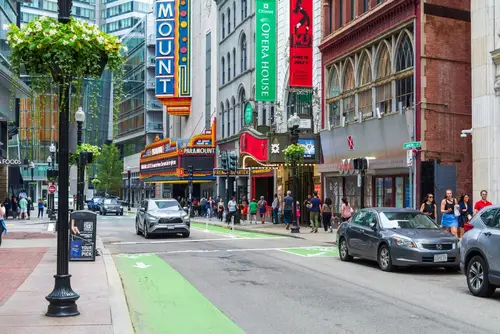
Boston’s historic infrastructure presents modern challenges. Aging transit systems require constant investment to remain reliable. Construction costs are among the highest in the country. That makes every project more financially demanding.
Housing shortages are a persistent issue. High prices affect students, families, and essential workers alike. Climate resilience planning along the coast adds further expense. Boston feels overextended by the cost of maintaining an old city in a new era.
13. San Diego, CA
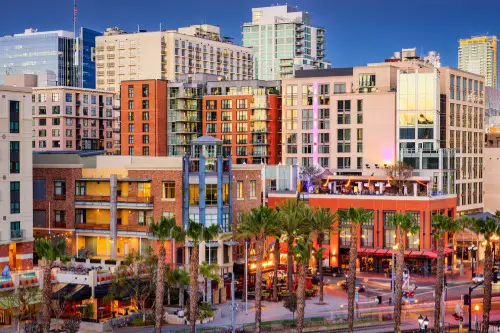
San Diego’s appeal has driven steady growth and rising costs. Housing affordability is among the city’s biggest challenges. Infrastructure expansion is limited by geography and regulations. That constrains flexibility.
Water supply and wildfire risk remain long-term concerns. Defense and tourism help the economy but can fluctuate. Public transit expansion has been slower than demand. San Diego feels stretched between growth and physical limits.
14. Portland, OR
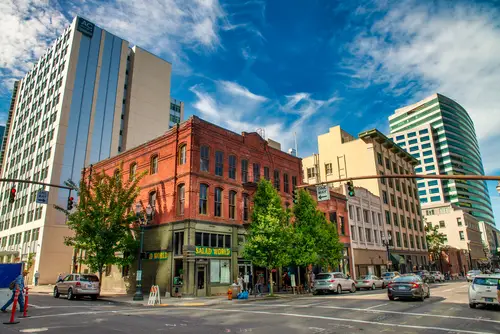
Portland is navigating a difficult transition period. Population growth has slowed while service needs remain high. Public safety and homelessness strain local resources. The city is recalibrating its priorities.
Office vacancies and downtown recovery affect tax revenue. Infrastructure maintenance continues despite budget pressures. Housing affordability remains an issue even after some market cooling. Portland feels overextended as it redefines its post-pandemic identity.
15. New Orleans, LA
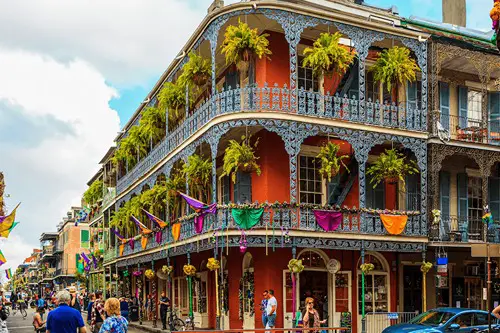
New Orleans faces unique and persistent pressures. Aging infrastructure must withstand increasingly severe weather. Storm recovery and flood protection require constant investment. These costs never fully go away.
Population fluctuations complicate long-term planning. Housing affordability and insurance costs affect residents and landlords alike. Tourism supports the economy but adds service demands. New Orleans feels overextended simply trying to stay resilient.
This post 15 Cities That Feel Overextended Heading Into 2026 was first published on American Charm.