
1. Vallejo, California

Vallejo filed for bankruptcy in 2008, mainly due to high pension costs and a shrinking tax base. Although it emerged from bankruptcy, the city still struggles to maintain consistent public services. Cuts during the crisis left lasting effects on safety and infrastructure. Residents live with the constant awareness that financial stability is precarious.
Some areas have seen redevelopment and revitalization, but the progress is patchy. High debt obligations still limit the city’s flexibility in emergencies. Local services are often stretched thin, making even minor disruptions feel magnified. One major economic or housing shock could tip Vallejo back toward instability.
2. Detroit, Michigan
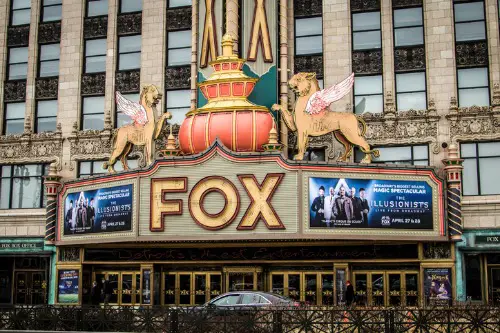
Detroit feels like a city that’s been through the wringer and is still holding on by a thread. Once a global manufacturing powerhouse, it lost massive population and revenue as the auto industry declined. Thousands of abandoned buildings stand as stark reminders of how quickly a city can unravel. Even small economic setbacks could strain the city’s budget and services again.
The neighborhoods that have rebounded show resilience, but it’s uneven across the city. Some areas thrive with new businesses and investment, while others are still struggling with blight and poverty. Public safety, infrastructure, and basic services are only just stabilizing. One major downturn in jobs or taxes could tip Detroit back toward chaos.
3. Stockton, California

Stockton declared bankruptcy in 2012 after years of budget mismanagement and a housing market crash. The city cut services to stay afloat, leaving residents feeling the pinch in public safety and maintenance. Recovery has been slow and uneven, and financial fragility still lingers. Any new economic shock could easily push Stockton back into crisis.
Despite efforts to revitalize the downtown area, many neighborhoods still face unemployment and foreclosures. Schools and municipal services remain underfunded, making daily life a balancing act for residents. The city has resilience, but it’s the kind that feels vulnerable to even minor setbacks. One tough year could undo much of what’s been rebuilt.
4. San Bernardino, California
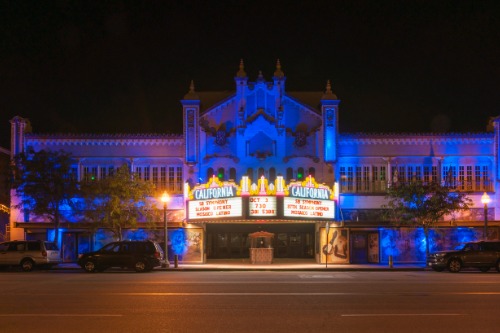
San Bernardino’s bankruptcy was fueled by declining revenues, high debt, and rising pension obligations. Unemployment has long been stubbornly high, and many city services were slashed during the crisis. Residents have seen public safety and infrastructure weakened, leaving lingering challenges. The city’s recovery hasn’t erased the risk of another financial disaster.
Local businesses have tried to spark growth, but the economy remains fragile. Many neighborhoods continue to struggle with poverty and crime, which strains municipal resources. Community morale is cautious, not confident, because setbacks can hit hard. One bad year in revenue or employment could throw the city back into turmoil.
5. Flint, Michigan
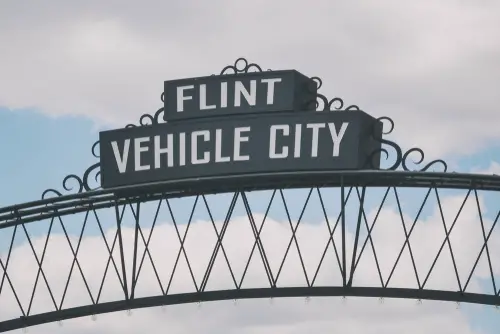
Flint has been battling multiple crises for decades, from industrial decline to the water contamination disaster. Public health, infrastructure, and jobs remain precarious, and recovery is slow. Residents often describe the city as “resilient but brittle.” A single major financial or environmental setback could have catastrophic effects.
The city has made progress in rebuilding its water system and attracting small businesses, but funding remains tight. School systems, healthcare, and public safety still feel the strain of long-term disinvestment. Flint’s population has shrunk, reducing its tax base and safety nets. One significant disruption could reverse hard-earned improvements overnight.
6. Camden, New Jersey
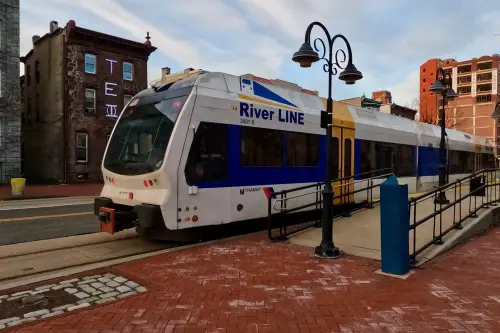
Camden has struggled with crime, poverty, and declining industry for decades. Its population has shrunk dramatically, eroding the tax base that funds city services. Schools and public safety are under constant pressure. Residents often feel that another economic downturn would hit the city hard.
Efforts at revitalization, like waterfront development, have helped some areas, but many neighborhoods remain distressed. High unemployment and housing instability are everyday realities. Municipal finances are fragile, with little margin for error. One bad year could easily undo progress and deepen crises.
7. Gary, Indiana
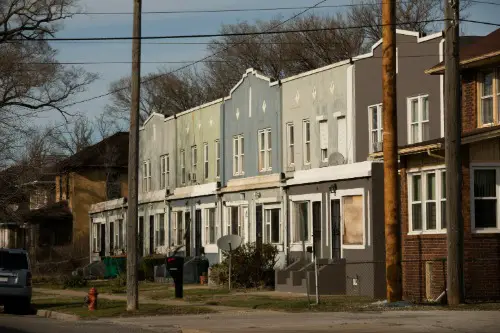
Once a steel industry titan, Gary has experienced decades of population loss and economic collapse. The city’s infrastructure and services are severely strained, leaving residents in precarious conditions. Crime and poverty rates remain high, making recovery even harder. Any sudden economic downturn could push the city further into instability.
Some efforts at revitalization exist, but they’re small and localized. Many homes and factories remain abandoned, creating a sense of vulnerability. Residents often describe the city as “surviving, not thriving.” One bad year could quickly turn survival into crisis.
8. Youngstown, Ohio
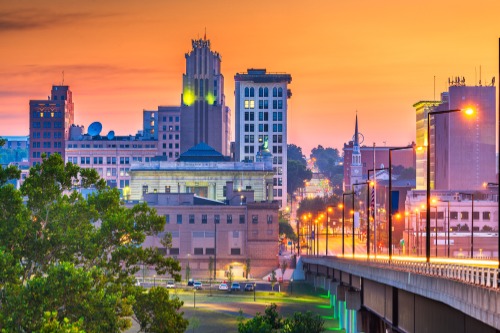
Youngstown’s steel industry collapse left deep economic scars and population decline. City services, schools, and public safety have all felt the strain. While some neighborhoods are revitalizing, others are still dotted with abandoned homes and factories. Any significant disruption in revenue could be disastrous.
The local economy has struggled to diversify, keeping unemployment and underemployment high. Residents often face uncertainty about essential services. The city has a gritty resilience, but it’s fragile. One unexpected financial shock could reverse gains in a heartbeat.
9. Rockford, Illinois
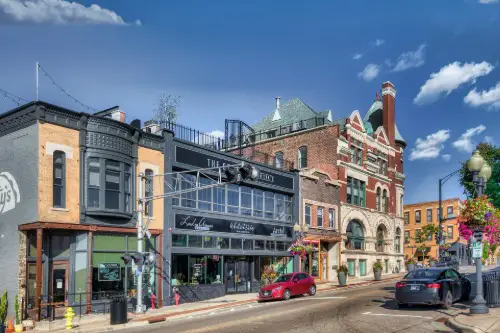
Rockford has been hit by manufacturing decline, shrinking population, and rising poverty. Public services operate on tight budgets, leaving little room for emergencies. Schools and infrastructure feel underfunded and overextended. A sudden recession could have an outsized effect.
While some downtown revitalization has occurred, many neighborhoods lag behind. Crime and unemployment are higher than the national average. Residents often feel one major downturn could undo years of slow recovery. Fiscal fragility is an ever-present concern.
10. Cleveland, Ohio
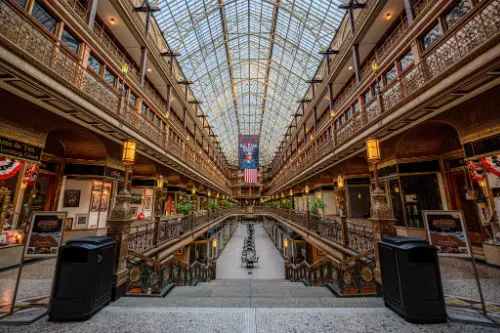
Cleveland’s history is a tale of industrial boom and bust. Population decline, pension obligations, and economic shifts have left the city vulnerable. Some neighborhoods show vibrant redevelopment, but others are still struggling. One bad economic year could tip the balance back toward crisis.
The city’s finances are better than a decade ago, but margins are thin. Public services like police, fire, and sanitation remain under pressure. Residents know that even modest setbacks could create serious hardship. Cleveland feels like a city constantly walking a tightrope.
11. Baltimore, Maryland
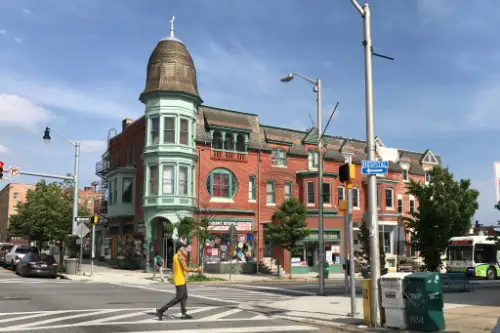
Baltimore faces structural economic challenges, high crime, and long-term population decline. Its city budget is stretched, and public services are under pressure. Unfunded liabilities add extra stress to municipal finances. One major economic downturn could have dramatic consequences.
Some areas have seen tech and business growth, but many neighborhoods continue to struggle. Infrastructure and schools feel the strain of limited funding. Residents live with uncertainty about public safety and basic services. The city has resilience, but it’s vulnerable to shocks.
12. Atlantic City, New Jersey
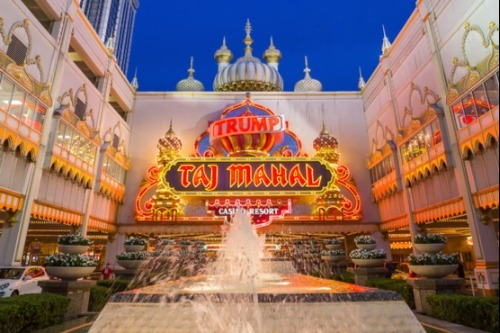
Atlantic City’s economy depends heavily on casinos, which makes it highly sensitive to downturns in tourism and gaming revenue. Population has declined as jobs disappeared. Public services and schools are underfunded. One bad year in tourism or revenue could be devastating.
Some redevelopment efforts exist, but they’re small compared to the city’s challenges. Housing and infrastructure still feel neglected. Residents often face uncertainty in jobs and services. Economic fragility is a constant undercurrent in daily life.
13. Newark, New Jersey
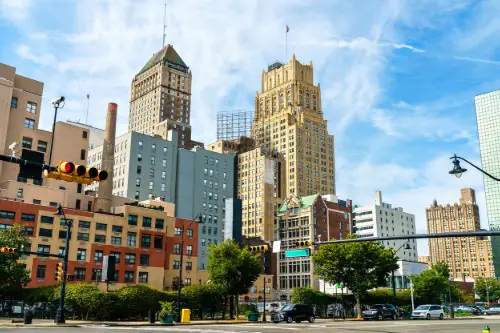
Newark has long struggled with poverty, crime, and aging infrastructure. The city budget is tight, and public services often operate at a bare minimum. Residents know how quickly setbacks can worsen conditions. One significant economic disruption could push the city back into deeper crisis.
Some neighborhoods have seen revitalization, but many others are still struggling. Schools and social services are stretched thin. Employment opportunities remain unevenly distributed. Newark’s resilience is tempered by fragility.
14. Birmingham, Alabama
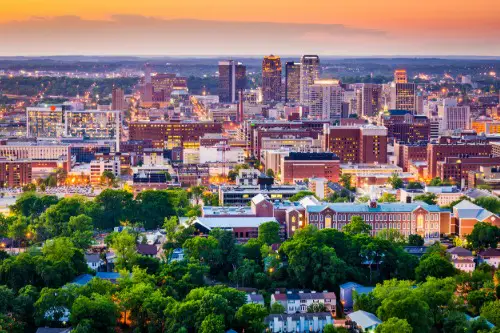
Birmingham’s industrial past has left it with infrastructure challenges and economic dependency on a few industries. Public services are stretched, and poverty remains high. Population decline has reduced the tax base. One financial or economic shock could strain the city severely.
Downtown has seen some growth, but many neighborhoods still face blight. Education and healthcare services feel the strain. Residents often live with the sense that stability is fragile. The city is resilient, but only just.
15. St. Louis, Missouri
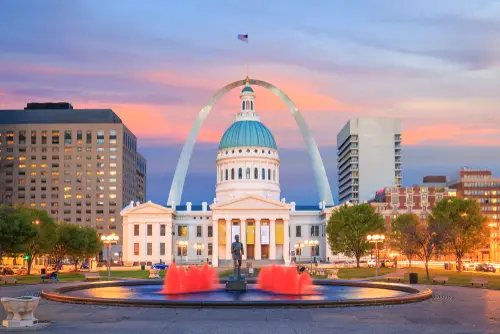
St. Louis struggles with population loss, declining neighborhoods, and high poverty rates. Public safety and municipal services are stretched thin. Financial shocks or declining revenues could quickly overwhelm city resources. Residents know that stability can feel like a fragile illusion.
Some areas have been revitalized, but others are still in decline. Infrastructure, schools, and social services face constant challenges. The city has pockets of prosperity, but they’re not enough to offset overall fragility. One bad year could push St. Louis back toward serious hardship.
This post 15 Cities That Feel One Bad Year Away From Collapse was first published on American Charm.

