1. New York City, New York
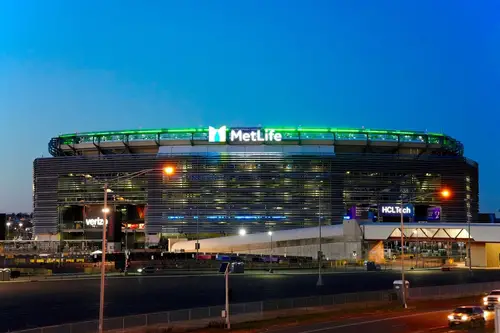
New York is gearing up for massive 2026 traffic thanks to hosting multiple FIFA World Cup matches at MetLife Stadium. Even though the city handles big crowds routinely, international sporting events tend to strain transit far beyond normal levels. Hotels across Manhattan and Jersey-side neighborhoods are already showing higher-than-usual demand projections. Locals are bracing for packed subways, pricier short-term rentals, and busy streets from Midtown to Hoboken.
The city’s tourism board is excited, but infrastructure upgrades aren’t moving as quickly as the crowds are. Public transit repairs, especially on major commuter lines, remain ongoing with no guaranteed completion date before kickoff. Popular landmarks like Times Square and the High Line are expected to swell with visitors who tack on sightseeing. In short, NYC may be used to chaos—but 2026 is shaping up to be something else entirely.
2. Dallas, Texas
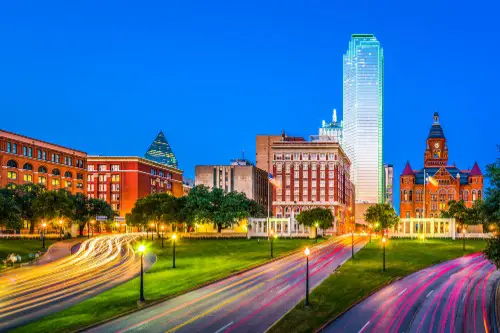
Dallas is set to host some of the most heavily attended World Cup matches, including potential knockout rounds at AT&T Stadium. That means huge numbers of international fans coming through DFW Airport, which is already one of the busiest in the world. Local leaders have acknowledged that traffic around Arlington and downtown could hit record highs. Hotels and short-term rentals in the area are projected to be stretched thin.
The region is still catching up on transportation improvements originally planned for pre-pandemic timelines. Light rail expansion delays could leave visitors relying heavily on rideshares and congested highways. Entertainment districts like Deep Ellum and Uptown are expected to get swamped by celebratory crowds. Dallas loves big events, but this one’s likely to push things past their comfort zone.
3. Miami, Florida
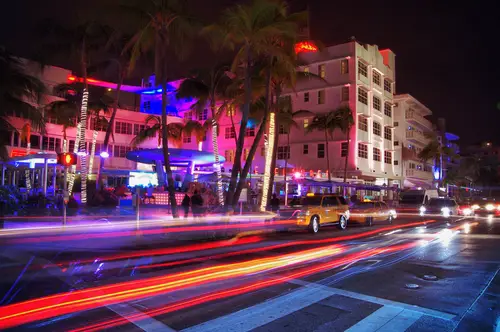
Miami is preparing for a surge linked to its role as a World Cup host city and its overall rising popularity as a year-round destination. The airport already struggles with delays, and adding massive global crowds won’t help. South Beach hotels consistently operate near capacity, and 2026 projections show even tighter availability. The city’s nightlife districts are expected to see heavy overflow from soccer fans.
At the same time, Miami is dealing with infrastructure issues—from traffic bottlenecks to ongoing construction in Brickell and downtown. Public transportation remains limited for such a sprawling urban area. Local officials have started discussing temporary mobility solutions, but none are finalized. If plans lag, visitors may find the city’s tropical paradise vibe slightly overshadowed by logistical headaches.
4. Kansas City, Missouri
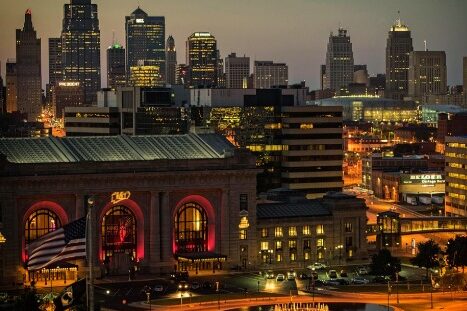
Kansas City landed World Cup matches at Arrowhead Stadium, and for a mid-sized city, that’s a big logistical lift. Planners are working to manage airport traffic through the recently updated KCI terminal, but it wasn’t designed for repeated mega-event spikes. Hospitality capacity is expected to run tight, especially around the Power & Light District. Even nearby suburbs could see higher-than-normal short-term rental shortages.
KC’s streetcar expansion is still in progress, and delays could mean limited transit options for visitors. Meanwhile, popular barbecue hotspots and breweries are bracing for long lines and inventory challenges. Local leaders see this as a chance to shine on an international stage. But they know it may also expose how underprepared the region is for sustained tourism surges.
5. Seattle, Washington
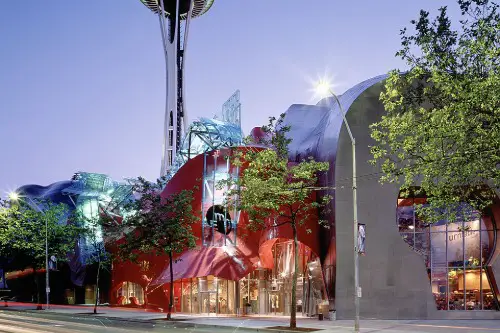
Seattle is hosting World Cup matches in 2026, pulling in visitors at a time when the city is still addressing downtown recovery challenges. Hotel availability around the stadium and waterfront is already forecasted to tighten. Transit issues like bus delays and Link light rail capacity concerns are still being discussed without firm solutions. Tourism officials worry crowds will bottleneck especially in the Pike Place and Waterfront areas.
The city is also dealing with ongoing construction around major arterial routes. Traffic backups are expected to worsen when international fans flood in for games and sightseeing. Restaurants around Capitol Hill and Belltown anticipate staffing shortages during peak visitor weeks. Seattle wants the global attention, but it may come with some side effects.
6. Los Angeles, California
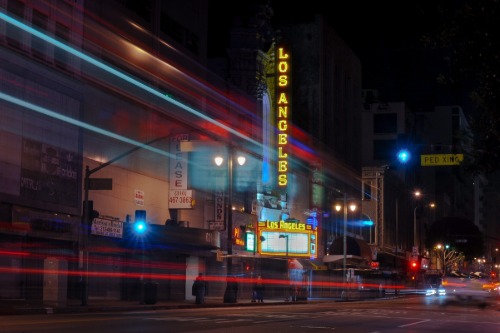
Los Angeles will host several key World Cup matches, likely drawing some of the largest international crowds of the tournament. LAX, already overwhelmed during busy months, is still working through long-term renovation projects. Major freeways remain notorious for gridlock, which could intensify when tourists combine match days with sightseeing trips. Hotel occupancy is expected to surge in areas from Downtown LA to Santa Monica.
The city has ambitious transit build-outs planned, but many won’t be finished before 2026. Even with improvements to the Metro, Los Angeles still leans heavily on car travel. Popular attractions like Hollywood and Venice Beach may see record visitor levels. The buzz is exciting, but the logistics could get messy.
7. Boston, Massachusetts
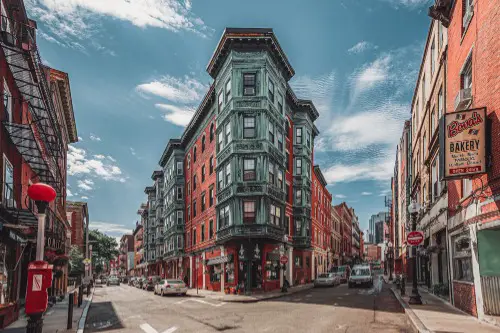
Boston is set for World Cup action at Gillette Stadium, and although it’s outside the city proper, most visitors will stay in the metro area. This will squeeze hotel capacity across Boston and Cambridge. Logan Airport’s congestion issues are improving slowly but remain significant. Traffic on I-93 and I-95 is expected to reach new highs.
Public transit reliability has become a talking point again, particularly with MBTA service delays. Tourists visiting after matches will head straight for spots like Faneuil Hall and Fenway Park. Local officials are racing to present a polished image before summer 2026 hits. Still, many worry the city just won’t be fully ready in time.
8. Philadelphia, Pennsylvania
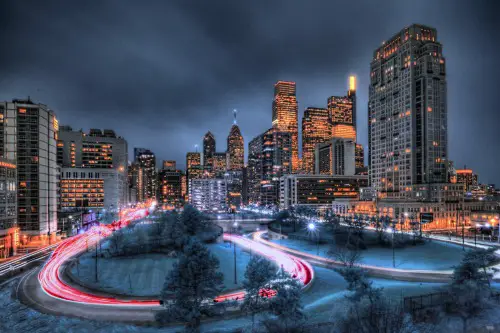
Philadelphia will host several World Cup matches, bringing a big burst of international visitors to a city that already sees heavy convention traffic. Hotel demand is expected to spike dramatically downtown. SEPTA’s aging infrastructure is still undergoing upgrades, with no guarantee of smoother service before the games. Crowds will likely flood hotspots like Reading Terminal Market and the Museum District.
The city is enthusiastic about the moment but still juggling safety and staffing shortages. Restaurants, especially around Center City, are prepping for unprecedented foot traffic. Philly’s tourism board is pushing marketing campaigns hard, expecting a huge global spotlight. Even so, managing all those visitors could be tougher than expected.
9. Houston, Texas
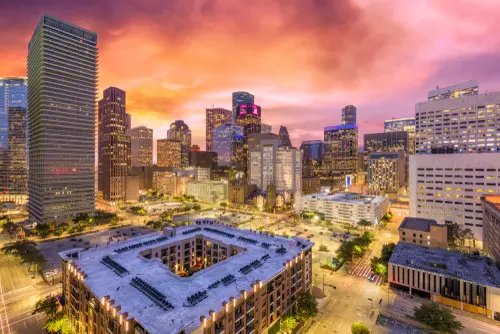
Houston’s role as a World Cup host city is expected to draw visitors from around the globe, especially for its group-stage matches. George Bush Intercontinental Airport is one of the busiest in the country, and crowd levels will climb even higher. The city’s vast size means visitors will rely heavily on cars, and highways are notorious for bottlenecks. Hotel capacity downtown and near the Galleria could be stretched thin.
Houston is in the middle of multiple infrastructure and flood-mitigation projects. Construction slowdowns could collide with tourism spikes at the worst possible time. Popular areas like Midtown and the Museum District are preparing for crowd surges. It’s going to be exciting—but maybe not entirely manageable.
10. San Francisco Bay Area, California
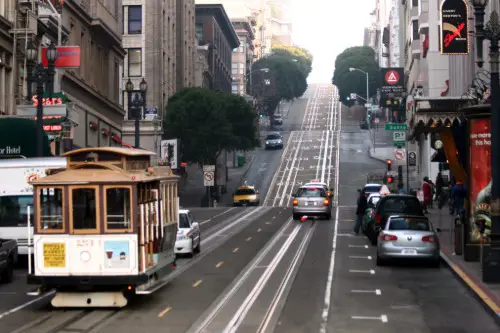
The Bay Area will host World Cup matches at Levi’s Stadium, drawing visitors into both San Jose and San Francisco. With hotel prices already high, costs are expected to surge even more in 2026. BART and Caltrain expansions are ongoing, but downtimes and delays remain concerns. Major tourist areas like Fisherman’s Wharf could see overwhelming foot traffic.
The region is also dealing with ongoing debates around downtown revitalization. Public-transit reliability varies between counties, which could confuse visiting crowds. Rental car demand is expected to skyrocket due to transit gaps. The Bay is iconic, but handling this many visitors will be a serious test.
11. Atlanta, Georgia
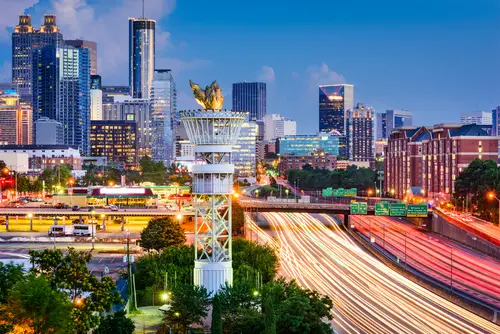
Atlanta’s Mercedes-Benz Stadium will host multiple World Cup matches, and city officials expect record visitor numbers. Hartsfield-Jackson is already the world’s busiest airport, so the added traffic may stretch operations. MARTA offers solid coverage, but major expansions won’t be completed in time. Popular spots like the BeltLine and Centennial Olympic Park are bracing for major congestion.
The city continues to face issues with summer heat and infrastructure strain. Event crowds could collide with ongoing development projects downtown. Restaurants and music venues anticipate increased demand but limited staffing. Atlanta loves big events—just maybe not all at once.
12. Denver, Colorado
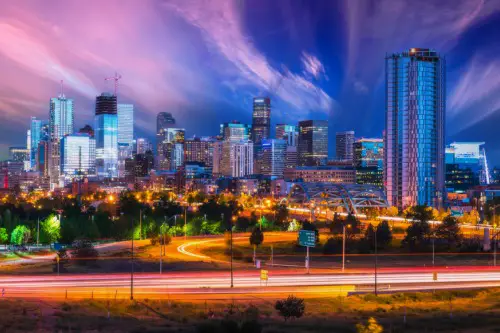
Denver isn’t hosting World Cup matches, but tourism projections show a major 2026 spike thanks to increased domestic travel and its rising profile as an outdoor gateway city. Summer hiking and park visits already strain nearby mountain towns. DIA has expanded, but the long distances inside the airport can slow things down. Hotels downtown and around Union Station are expected to fill quickly.
The city is also dealing with housing and rental shortages that impact short-term accommodation availability. Traffic on I-70 is projected to worsen as visitors head to the mountains. Restaurants in LoDo and RiNo expect heavier crowds than usual. Denver wants to welcome everyone, but the infrastructure might lag behind the hype.
13. Nashville, Tennessee
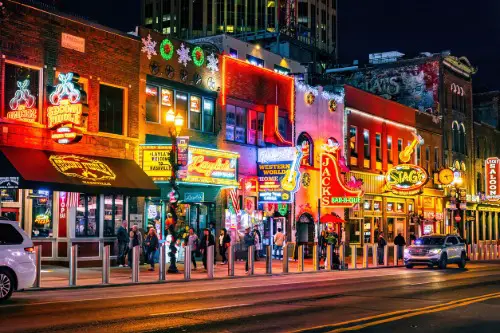
Nashville’s tourism has been skyrocketing for a decade, and 2026 projections show another jump driven by events and entertainment expansion. Broadway is packed even on normal weekends, so peak travel seasons may become overwhelming. Hotel construction is ongoing but not keeping pace with demand. The airport expansion is helping, but it may not fully accommodate the projected influx by 2026.
The city also faces traffic issues due to rapid growth. Visitors cluster heavily in entertainment zones, creating bottlenecks. Local businesses are excited about the exposure but worried about staffing and supply chain strain. Nashville’s charm isn’t fading—but it may feel a bit crowded soon.
14. Las Vegas, Nevada
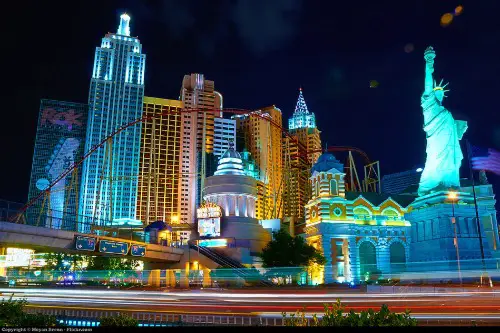
Las Vegas saw record tourism in recent years, and new sports venues are pushing projections even higher for 2026. The city now hosts major global events year-round, adding constant pressure to its hotels and infrastructure. McCarran Airport upgrades help, but congestion remains a concern on peak event days. The Strip is expected to see some of its highest foot traffic ever.
Vegas continues building—stadiums, hotels, entertainment—but construction zones can complicate visitor flow. Ride-share pickup points are often clogged during events. Restaurants and casinos anticipate unprecedented demand spikes. The city thrives on tourism, but 2026 might hit a new level.
15. Orlando, Florida
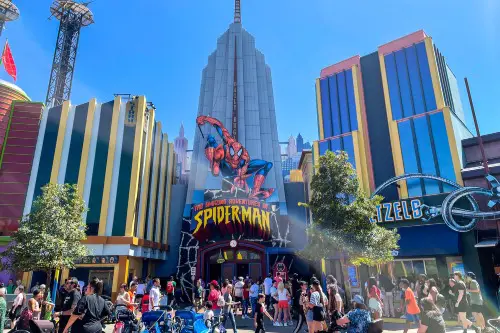
Orlando is already the most visited destination in the U.S., and 2026 projections point to another major surge. Theme park expansions and new attractions are drawing international attention. Orlando International Airport traffic is increasing annually, and continued growth is expected. Hotels near the parks routinely book up early for big travel years.
Transportation remains a challenge, especially with limited rail options. Major highways like I-4 are known for heavy congestion. Theme parks anticipate long lines even during off-peak months. Orlando is magical—but 2026 may stretch its limits.
This post 15 Cities That Are Bracing for 2026 Tourism Surges They’re Not Ready For was first published on American Charm.