1. Chattanooga, Tennessee
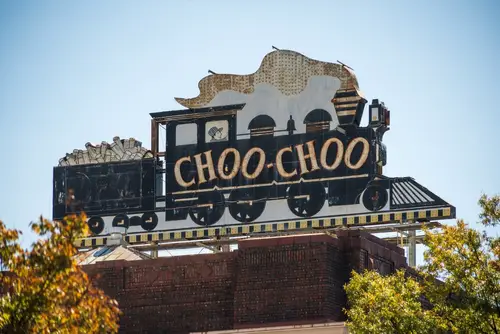
Chattanooga’s outdoor access and low cost of living started attracting retirees who initially discovered it through tourism. The city’s riverfront revitalization made it unexpectedly appealing to people seeking scenic, walkable environments. Tech initiatives and gig-speed internet weren’t aimed at retirees, but they helped create a lively community that felt safe and engaging. The retiree draw grew faster than the city expected.
In response, Chattanooga improved its healthcare infrastructure and expanded multi-use trails. The compact downtown made it easy for older adults to stay active and socially connected. Local festivals and outdoor events became part of retirees’ daily rhythm. As the population changed, city planning gradually adapted to support them.
2. Boise, Idaho
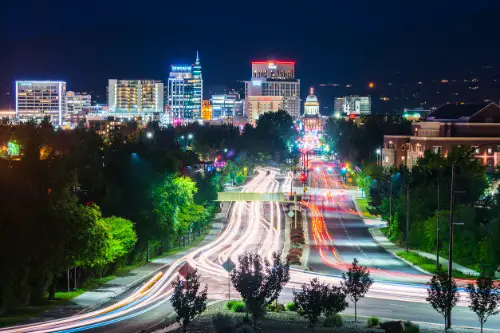
Boise’s rise as a retirement haven started when people from the West Coast began moving in for quieter living and scenic access. The city hadn’t set out to attract retirees, leaning more on its identity as an outdoor and tech-friendly hub. But its size, affordability relative to coastal cities, and riverfront greenbelt made it unexpectedly appealing to older adults. Word spread, and Boise became a magnet for those seeking manageable city life without chaos.
As more retirees arrived, Boise’s healthcare services expanded and housing markets shifted. Planners had to reconsider zoning as suburban neighborhoods filled faster than expected. The influx also brought new cultural offerings, like expanded arts programming supported by the growing population. The city now balances growth pressures with the lifestyle that drew everyone there in the first place.
3. Greenville, South Carolina
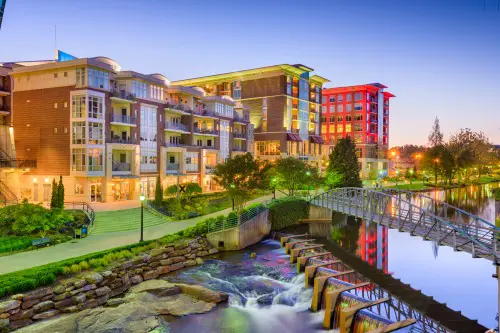
Greenville wasn’t widely known outside the Southeast for years, but its revitalized downtown quietly started attracting retirees. The tree-lined Main Street, full of local shops and outdoor dining, felt unintentionally perfect for slower-paced living. Retirees appreciated the mild weather and easy access to outdoor spaces without long commutes. What surprised the city was how quickly interest surged once people visited.
With growing retiree numbers, Greenville gradually upgraded medical facilities and expanded greenways. Housing developers followed the trend, creating neighborhoods that—while not built for retirees—ended up serving them well. The community-oriented atmosphere also encouraged social engagement, something many retirees look for. Even now, Greenville’s growth is still catching up to the demand.
4. Santa Fe, New Mexico
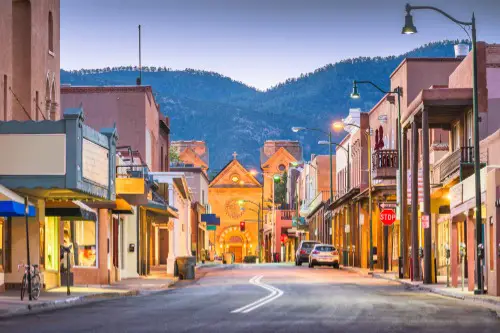
Santa Fe initially drew artists and creatives, not retirees, but the retirees eventually followed. Its reputation for clean air, Southwestern culture, and stunning landscapes made it appealing to older adults seeking a unique lifestyle. The city never built large retirement communities, yet people arrived anyway. That influx gradually shifted the city’s demographic profile.
Santa Fe had to adjust by expanding healthcare access and transportation services. Meanwhile, local businesses found steady customers in retirees who valued year-round cultural events. Housing prices increased, reflecting rising demand the city hadn’t predicted. Santa Fe remains a blend of art colony and accidental retirement destination.
5. Pittsburgh, Pennsylvania
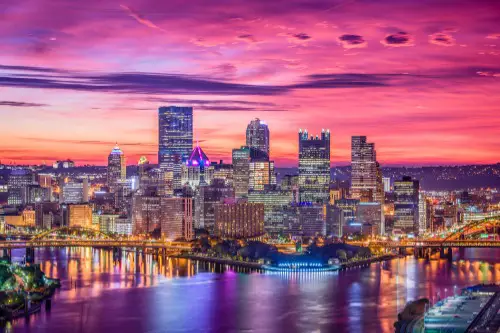
Pittsburgh’s affordability and world-class medical facilities ended up drawing retirees even though the city didn’t court them. For decades it was known as a steel city, not a retirement hotspot. But as neighborhoods revitalized and cultural institutions flourished, older adults realized it offered big-city amenities at manageable prices. Suddenly Pittsburgh was attracting people who wanted urban conveniences without high living costs.
The city adapted by improving transit options and increasing senior-focused community programs. At the same time, healthcare systems like UPMC benefited from the rising retiree presence. Parks, museums, and sports venues became everyday amenities for the new population. Pittsburgh’s transformation into a retirement-friendly city happened more by accident than strategy.
6. Tucson, Arizona
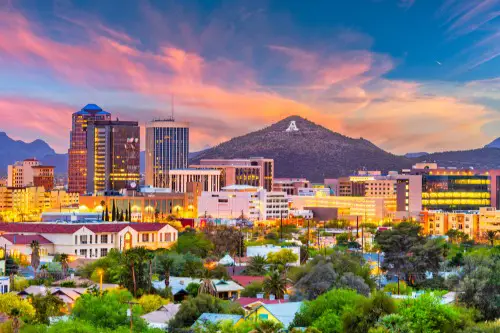
Tucson has long had a warm climate, but it wasn’t marketed heavily toward retirees like Phoenix was. Still, its slower pace, lower cost of living, and scenic desert landscapes began pulling in older adults. Many preferred it over more crowded parts of Arizona, especially those seeking a more relaxed culture. The city didn’t plan for this surge, but it arrived anyway.
As retirees moved in, Tucson expanded its healthcare network and public transportation options. Local businesses found reliable customer bases in retirees who enjoyed dining, arts, and nature-related outings. Neighborhoods evolved to include more age-friendly amenities even if they weren’t designed that way. Tucson continues balancing growth with the lifestyle that attracted people in the first place.
7. Asheville, North Carolina
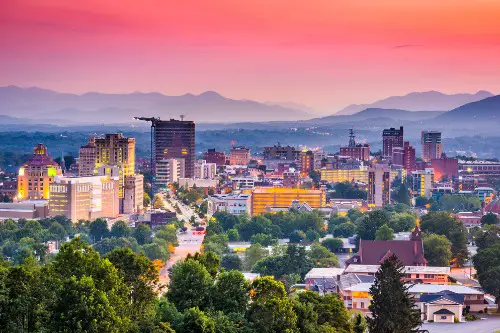
Asheville became a retirement magnet mostly because its mild climate and mountain scenery quietly drew older transplants long before the city realized it was a trend. Its artsy vibe and walkable downtown made it easy for retirees to settle in without the city intentionally courting them. Over time, neighborhoods filled with small galleries and coffee shops felt naturally welcoming to people looking for slower-paced living. What surprised local planners was just how quickly the retiree population grew without major development geared toward them.
The city didn’t originally build its infrastructure with retirees in mind, but people kept coming for the lifestyle. Healthcare systems gradually expanded to meet the needs of a changing population. Meanwhile, retirees helped fuel the local restaurant and craft beer scene by supporting small businesses year-round. Today, Asheville is still adjusting to demand it didn’t anticipate.
8. Madison, Wisconsin
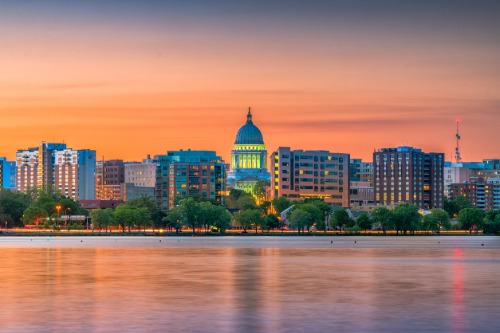
Madison is best known as a college town, not a retirement destination, but that actually worked in its favor. The combination of a lively cultural scene and strong healthcare made it surprisingly attractive to retirees. Its lakes, bike paths, and green spaces added to the appeal for those wanting active lifestyles. Soon enough, the retiree population grew without formal recruitment.
As the trend continued, Madison expanded transportation programs and community services. The university’s presence meant retirees could participate in lectures and cultural events. Local planners adjusted by considering accessibility in public spaces. Madison now quietly sits among the Midwest’s unexpected retirement favorites.
9. Albuquerque, New Mexico

Albuquerque’s sunshine, affordability, and slower pace drew retirees before the city realized it had become a trend. It offered a mix of natural beauty and urban convenience that appealed to older adults seeking balance. The city wasn’t marketing itself as a retirement hub, but people kept arriving for the lifestyle. Over time, neighborhoods shifted as demand grew.
Healthcare services expanded to support the increasing retiree population. Local events and markets gained steady attendance from people who had moved there for the warm climate. Housing planners gradually adjusted zoning to accommodate new growth. Albuquerque’s transformation happened organically rather than intentionally.
10. St. Petersburg, Florida
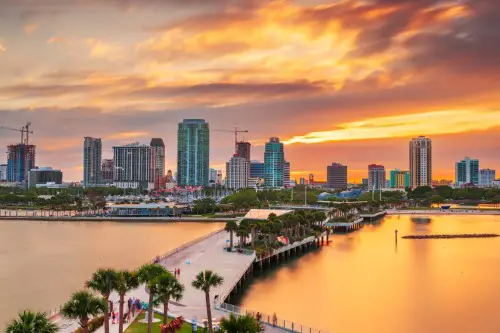
St. Petersburg wasn’t planned as a retirement city originally, despite Florida’s reputation. Its waterfront, vibrant arts scene, and walkable downtown slowly made it irresistible to retirees. Many came for the sunshine but stayed because the city felt manageable and community-oriented. The retiree influx grew steadily without targeted programs.
The city later expanded cultural venues, parks, and senior-friendly services. Healthcare providers also increased capacity as demand rose. St. Pete’s transformation led to a more year-round economy supported by retirees. Even now, the city balances tourism with its unexpected role as a retirement haven.
11. Richmond, Virginia
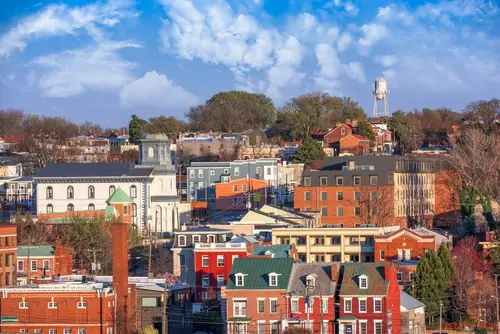
Richmond’s history, affordability, and revitalized neighborhoods drew retirees who weren’t necessarily looking for traditional retirement communities. Many appreciated its arts scene and riverfront access. The city never branded itself as a retiree destination, but people seeking culture without big-city chaos began settling there. The population shift surprised planners at first.
As the trend continued, Richmond expanded healthcare services and improved bike and pedestrian infrastructure. Retirees also helped support local restaurants and museums. The city responded by increasing access to green spaces and community programs. Richmond now blends history with modern retirement living.
12. Bend, Oregon
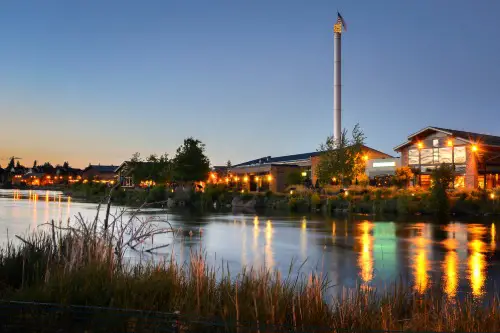
Bend’s rise as an outdoor paradise made it appealing to retirees long before the city understood the scale. Its high-desert landscape and recreation options attracted active older adults. Many arrived for hiking, biking, and river activities, not because Bend planned for retirees. Soon, demand for housing surged faster than expected.
The city expanded medical facilities to accommodate the population shift. Developers built more mixed-use neighborhoods that unintentionally suited retiree preferences. The community also increased year-round events that older adults frequently attended. Bend continues working to manage growth driven partly by retirees.
13. Durham, North Carolina
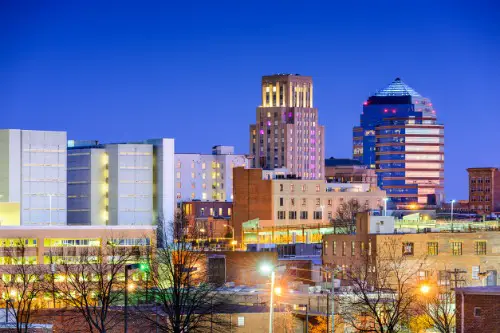
Durham’s tech and university reputation quietly paved the way for retirees seeking intellectual and cultural engagement. The city didn’t market itself as retirement-friendly, but healthcare excellence and walkable neighborhoods drew people in. Retirees found the blend of arts, food, and education appealing. Over time, more older adults moved in without targeted incentives.
Durham responded by expanding transit and senior-focused community services. Healthcare institutions grew alongside the population shift. The food scene and cultural festivals gained steady retirees as regular patrons. The city now balances youthful energy with a quietly growing retiree base.
14. Portland, Maine
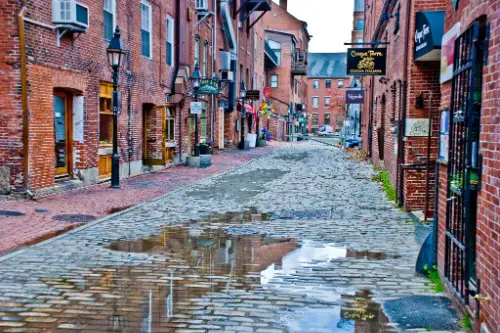
Portland’s coastal charm and small-city feel made it an unexpected retirement favorite. It wasn’t designed for retirees, but its food scene, walkability, and scenic waterfront kept drawing them. Older adults appreciated the quieter pace compared to larger Northeastern cities. The retiree wave grew gradually but steadily.
Healthcare services expanded as the demographic changed. The city improved public transit and accessibility in downtown areas. Retirees helped support year-round businesses, stabilizing the local economy. Portland’s appeal continues to grow without deliberate marketing.
15. Grand Rapids, Michigan
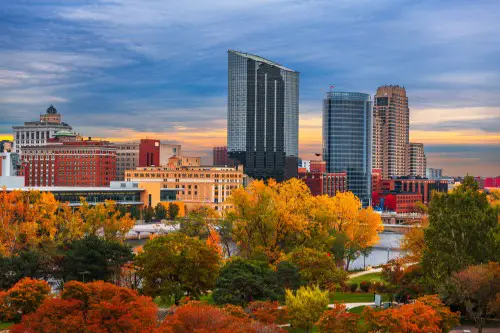
Grand Rapids wasn’t positioned as a retirement destination, but its affordability and revitalized downtown invited retirees anyway. Its strong arts community and accessible medical facilities made it appealing to those seeking a balanced lifestyle. The city’s breweries and cultural venues added unexpected charm. Gradually, retirees arrived without the city aiming for them.
In response, Grand Rapids expanded community programs and improved park systems. Public transportation upgrades helped meet accessibility needs. Local businesses benefited from the steady influx of year-round residents. The city now embraces a role it never intentionally pursued.
This post 15 Cities That Accidentally Became Retirement Havens Without Planning for It was first published on American Charm.